Games and companies in this document


Connections
Each row is a game or company this document names, each column a document, oldest first. A mark means that document names it. Select a row to see those documents.
1 free read left. Create a free account for unlimited reading + AI research.
Create free accountWhitepaperFoundations of Digital Games (FDG)
Procedural content generation in platformer games often struggles to maintain structural coherence when stitching disparate segments together. To address this, a novel generative framework utilizes Variational Autoencoders trained to predict subsequent level segments rather than reconstructing current ones. By pairing this sequential learning model with a random forest classifier to govern segment placement, the system achieves high levels of path continuity and structural logic. This methodology moves beyond traditional independent segment stitching, allowing for the creation of arbitrarily long, traversable game levels that retain the stylistic integrity of the source material.
The research demonstrates the efficacy of this approach by successfully blending content across diverse titles, including Super Mario Bros., Kid Icarus, and Mega Man. By leveraging established datasets such as the Video Game Level Corpus, the model proves capable of synthesizing distinct game mechanics and aesthetic styles into unified, playable environments. These findings indicate that sequential training significantly improves the transition quality between segments, resulting in more natural level progression compared to previous generative techniques.
While the current implementation marks a substantial advancement in procedural design, certain technical constraints remain. The authors identify the need for more granular control over blend proportions and highlight the risk of posterior collapse, a common challenge in deep generative modeling that can degrade output quality during extended generation sequences. Future developments in this field will likely focus on refining these control mechanisms to further enhance the versatility and reliability of automated level design tools.
Each row is a game or company this document names, each column a document, oldest first. A mark means that document names it. Select a row to see those documents.
Association for Computing Machinery · 2025
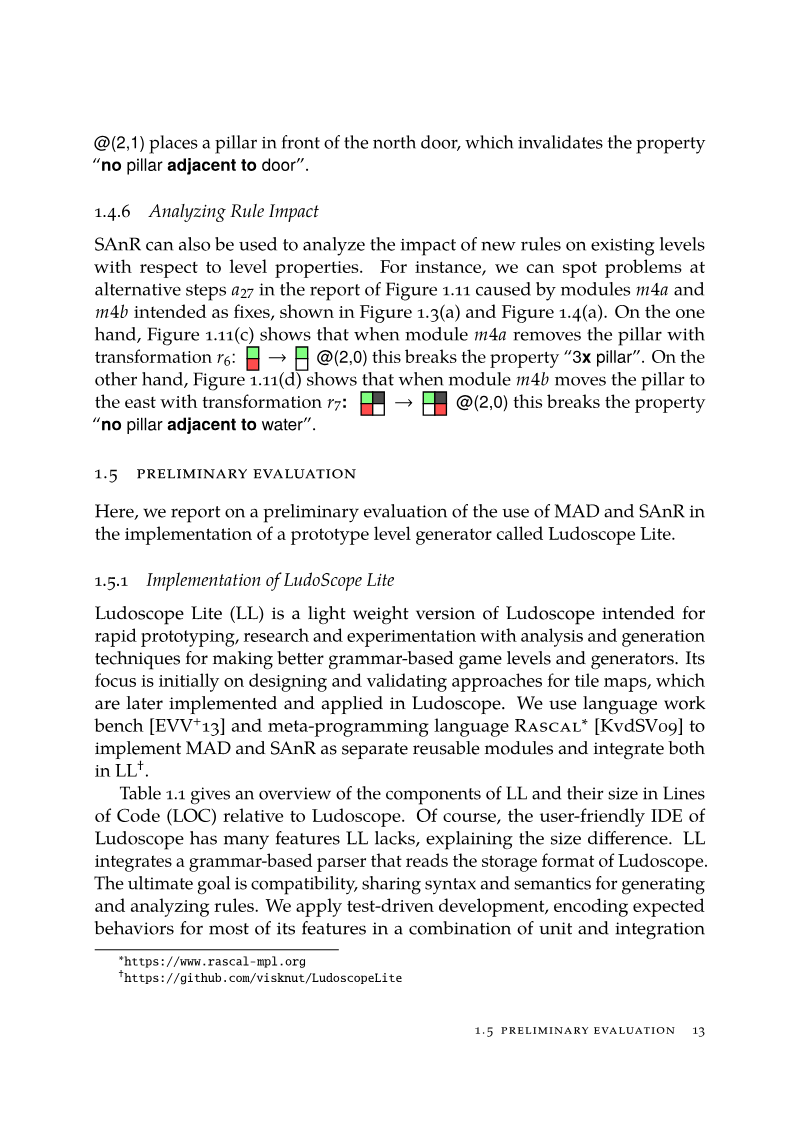
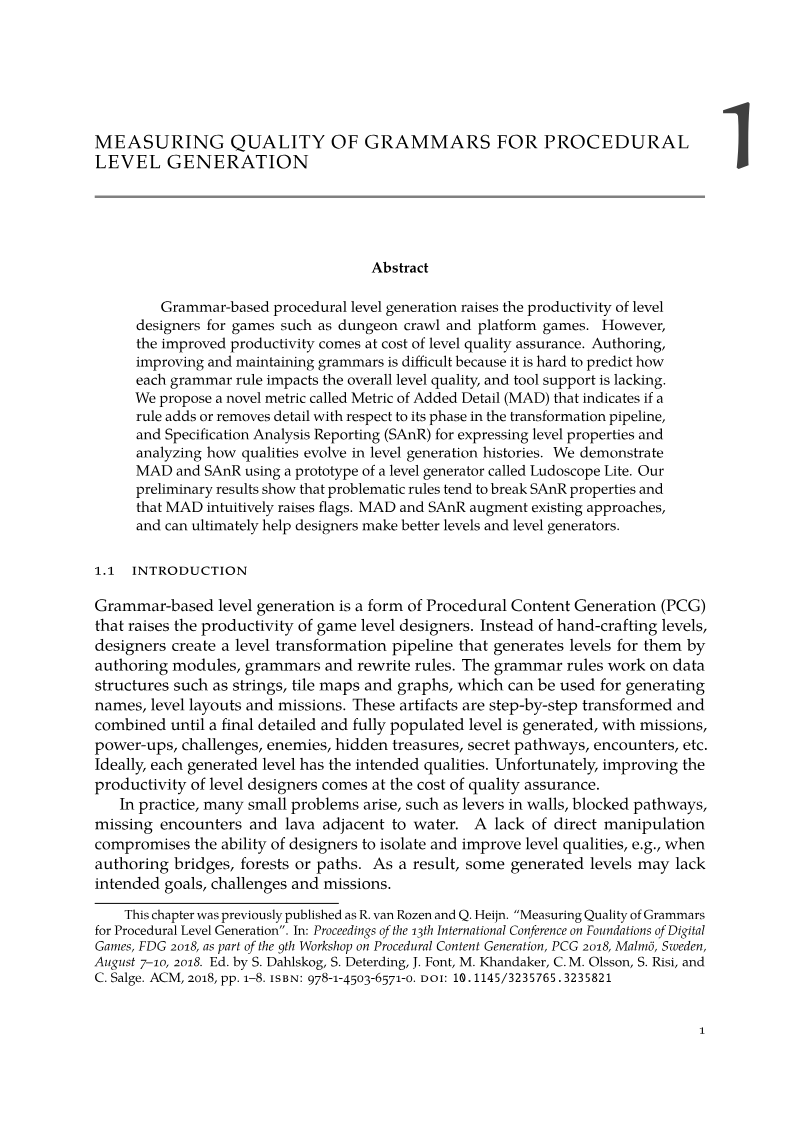
Foundations of Digital Games (FDG) · 2018
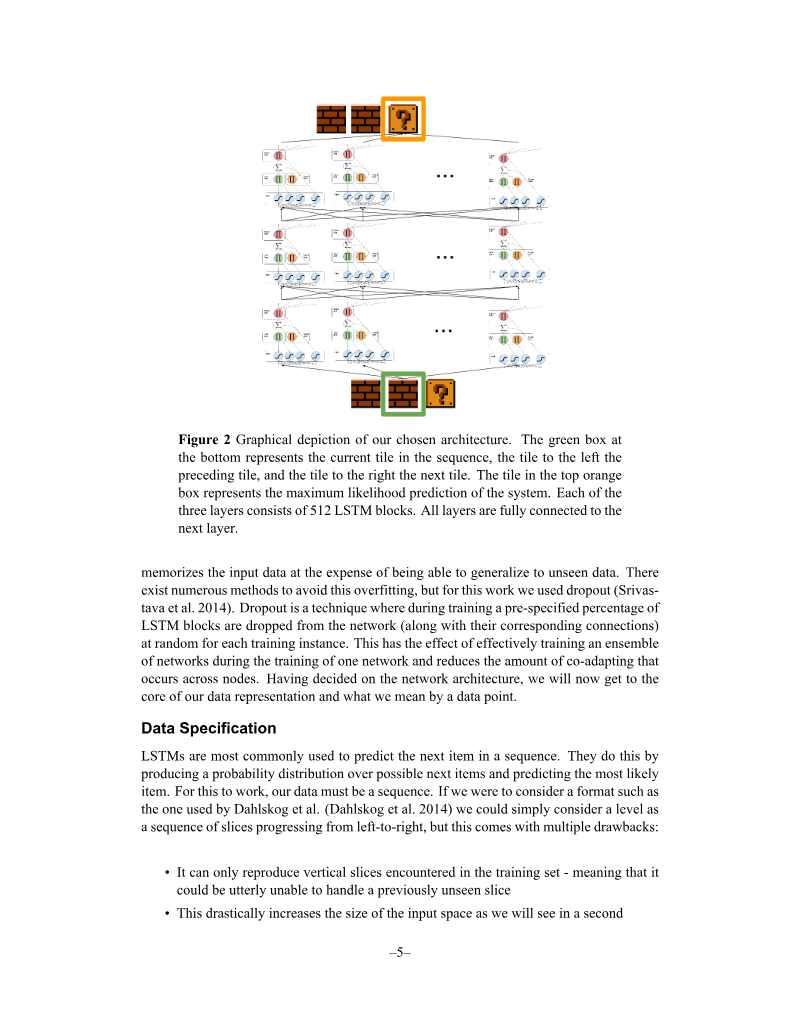
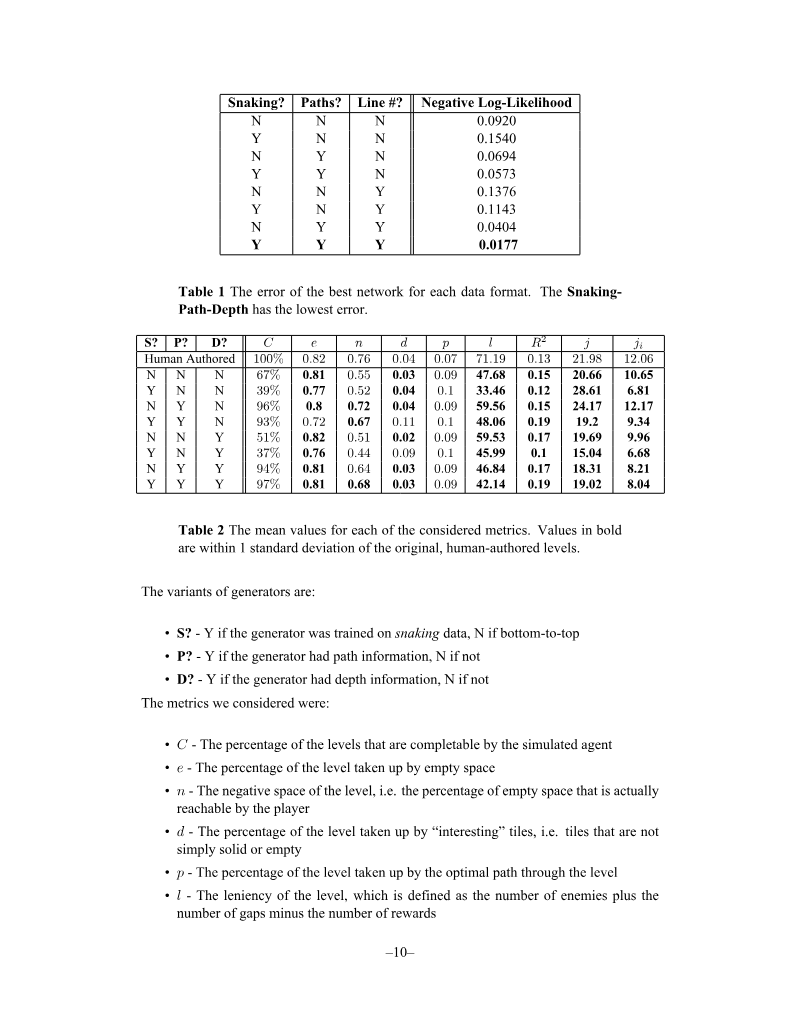
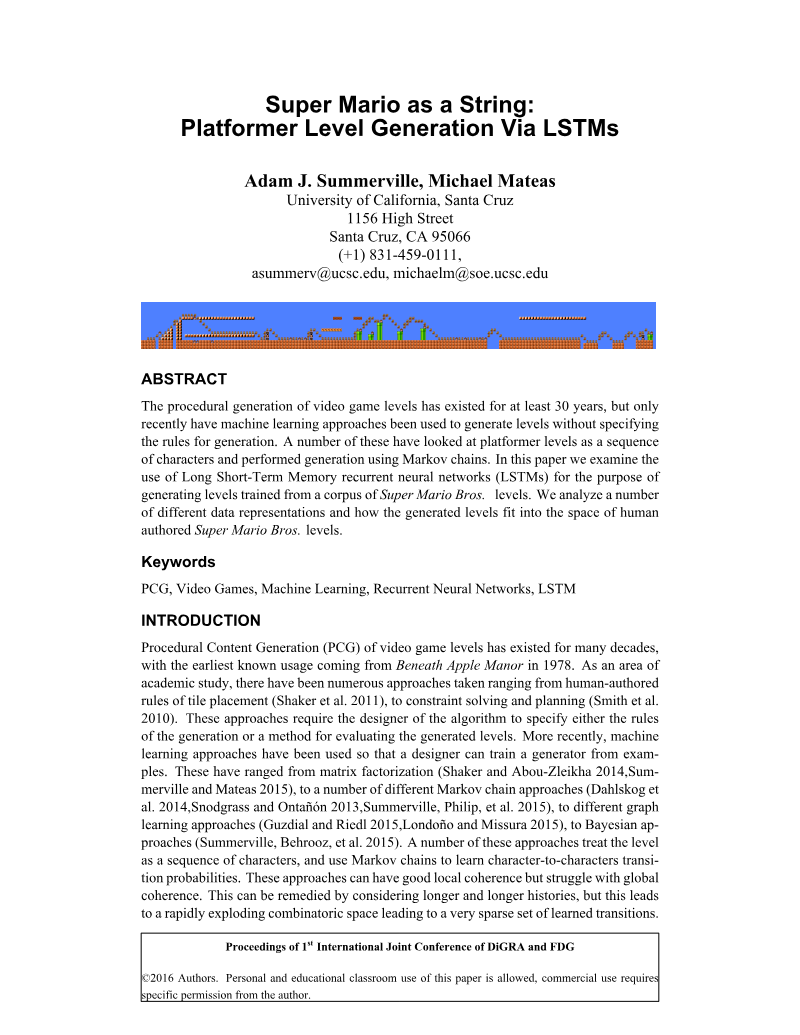
DiGRA · 2016
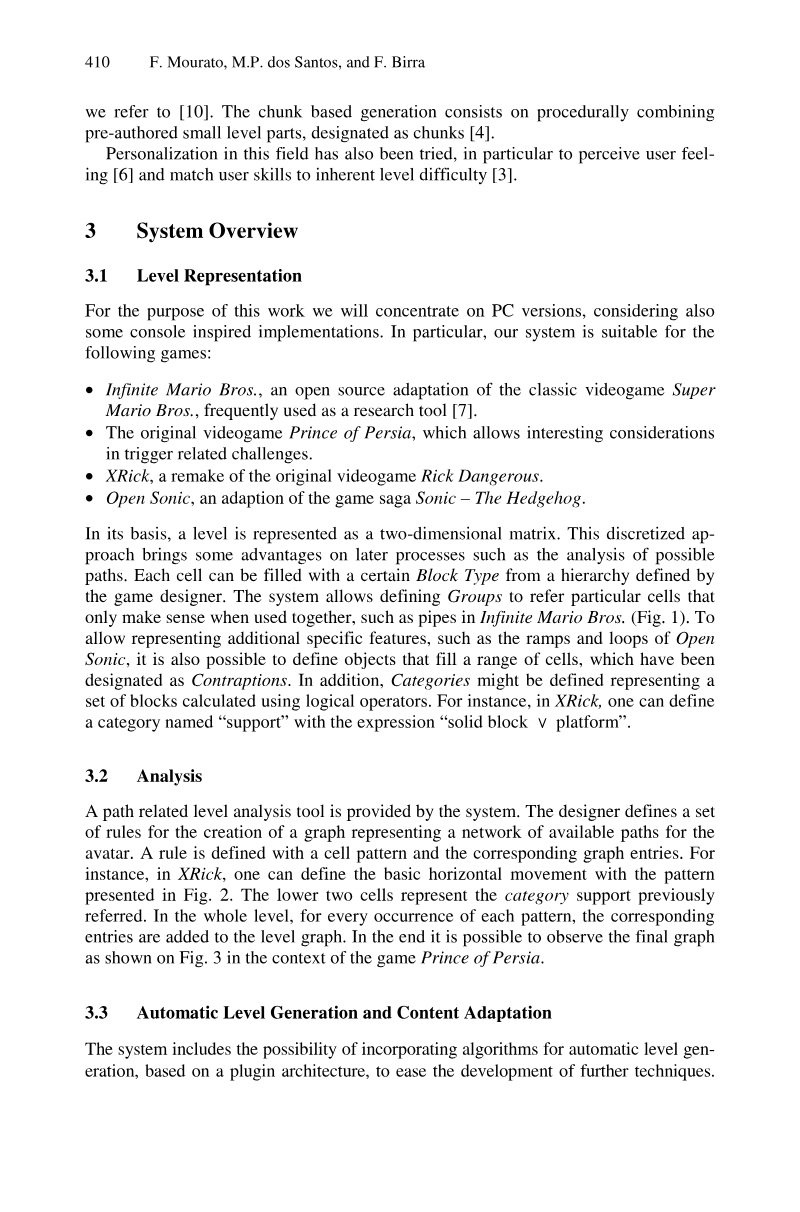
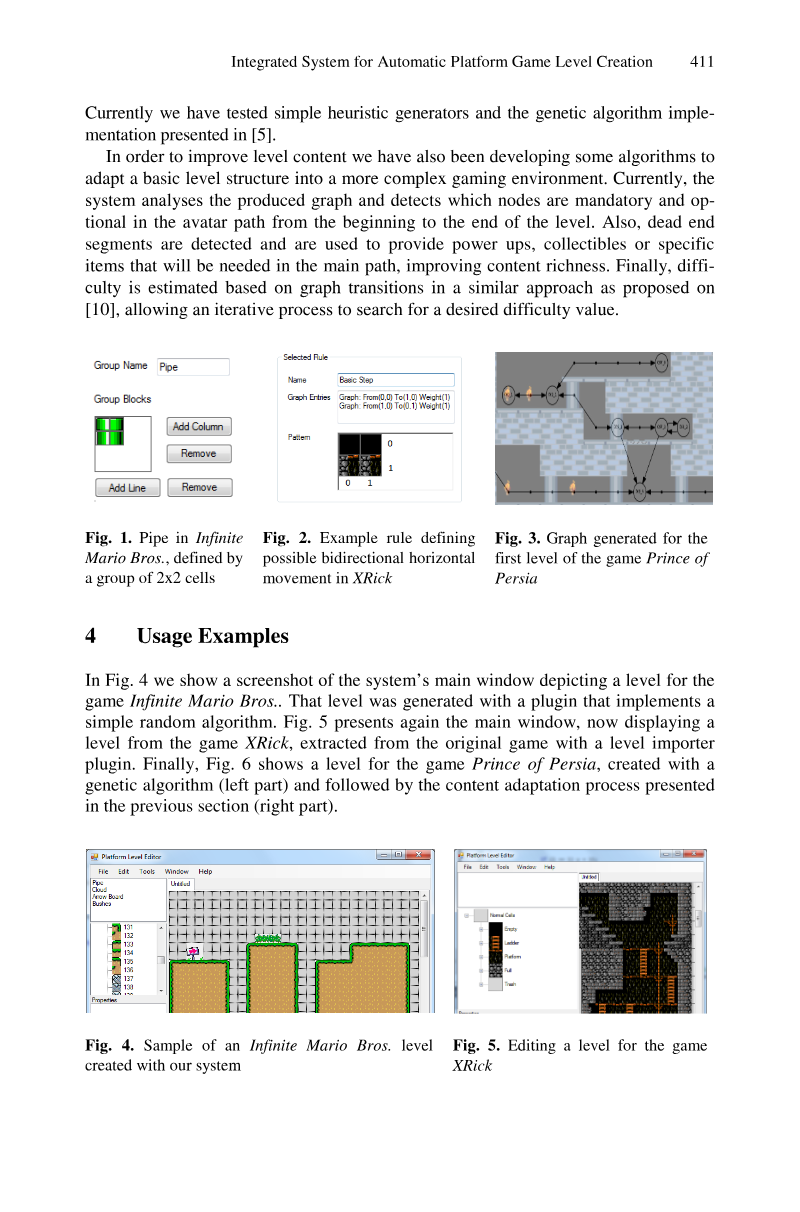
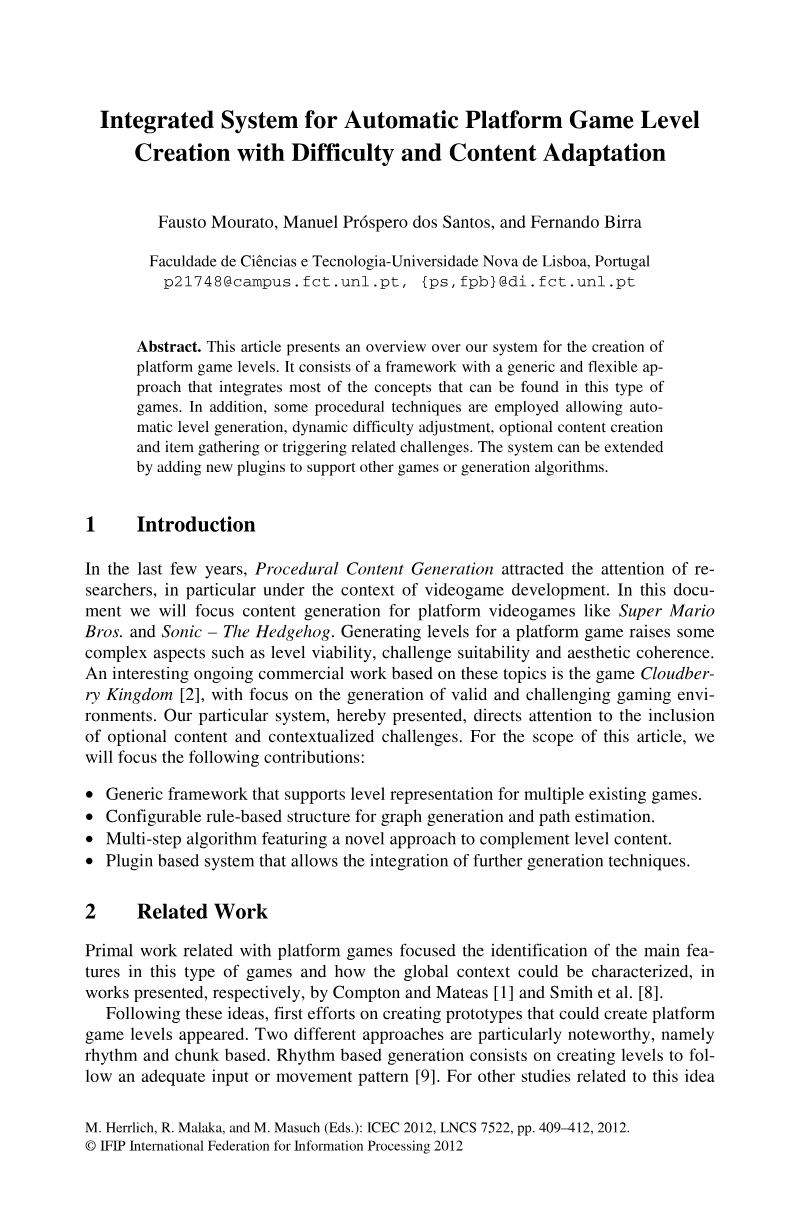
IFIP International Conference on Entertainment Computing (ICEC) · 2012

Naavik · 2026

Thomas Brush · 2026

PocketGamer.biz · 2026
Alberta Machine Intelligence Institute · 2026
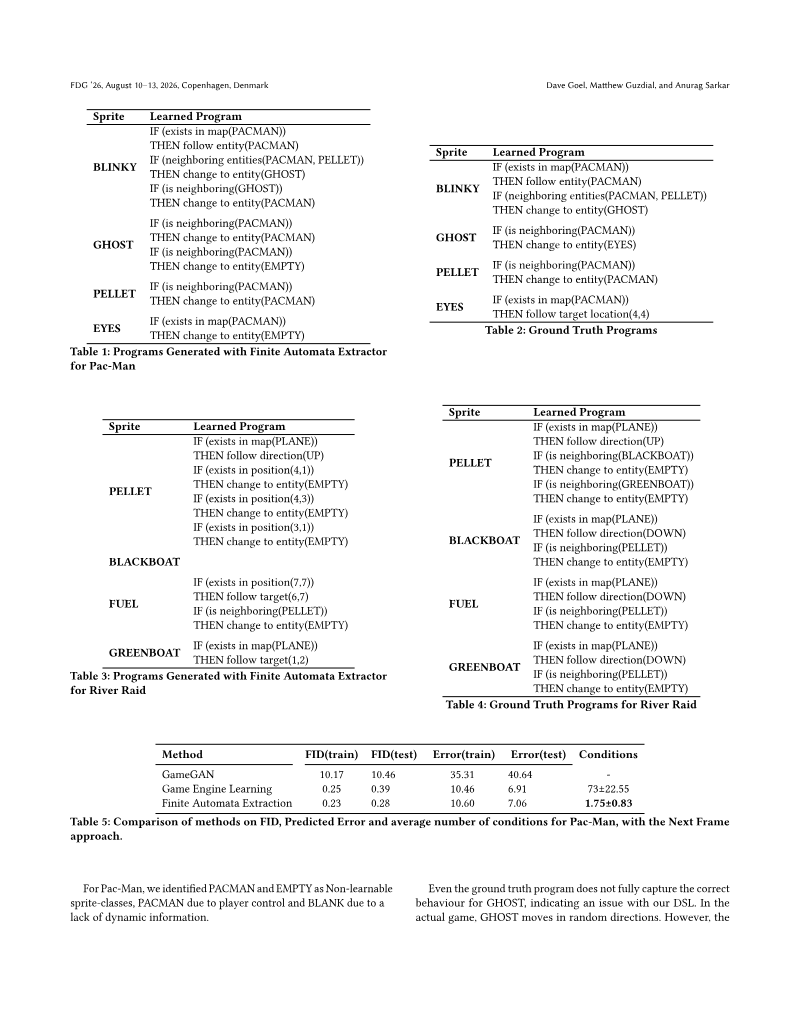
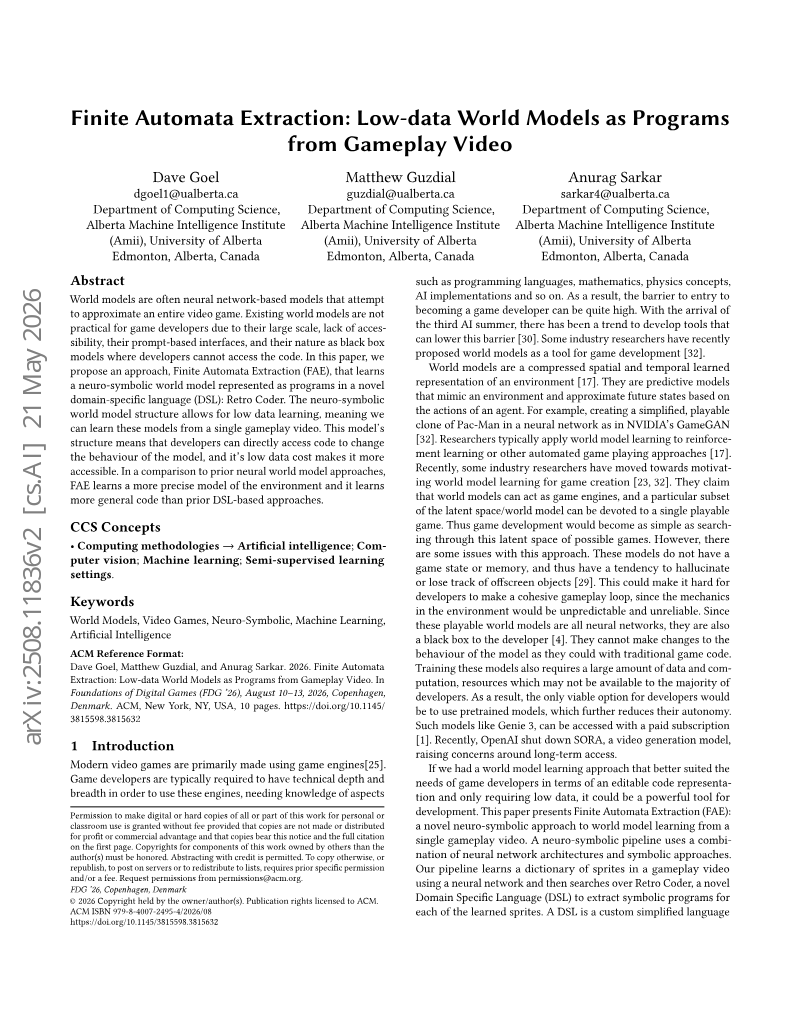
Alberta Machine Intelligence Institute · 2026
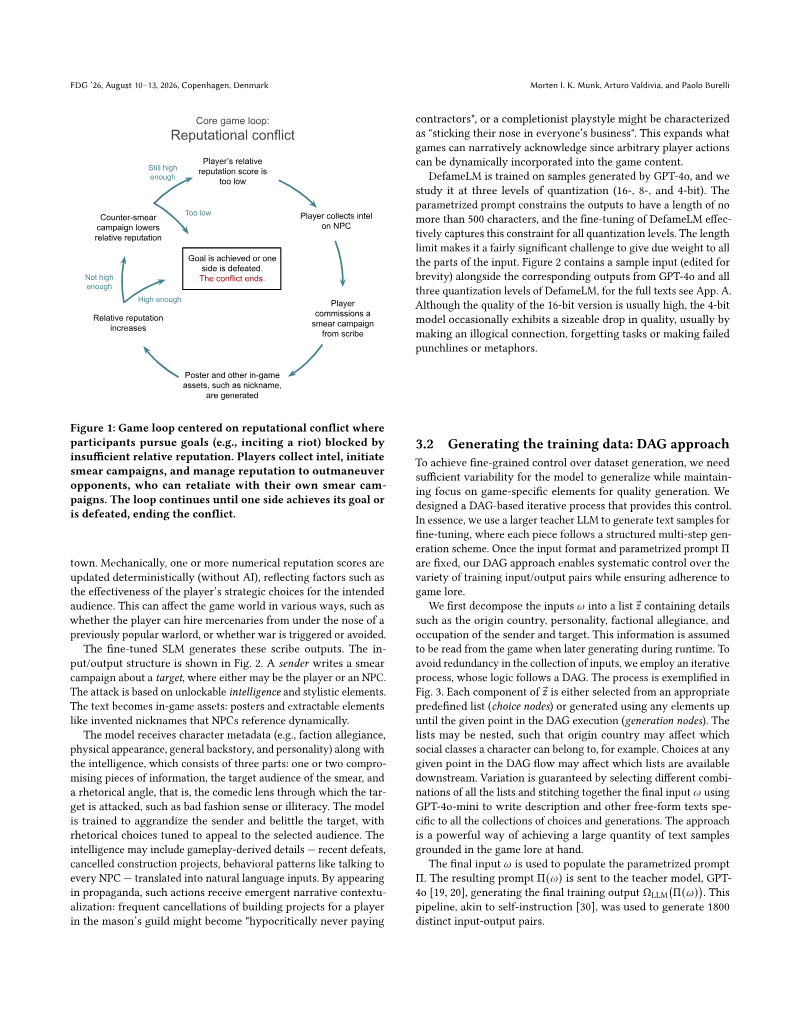
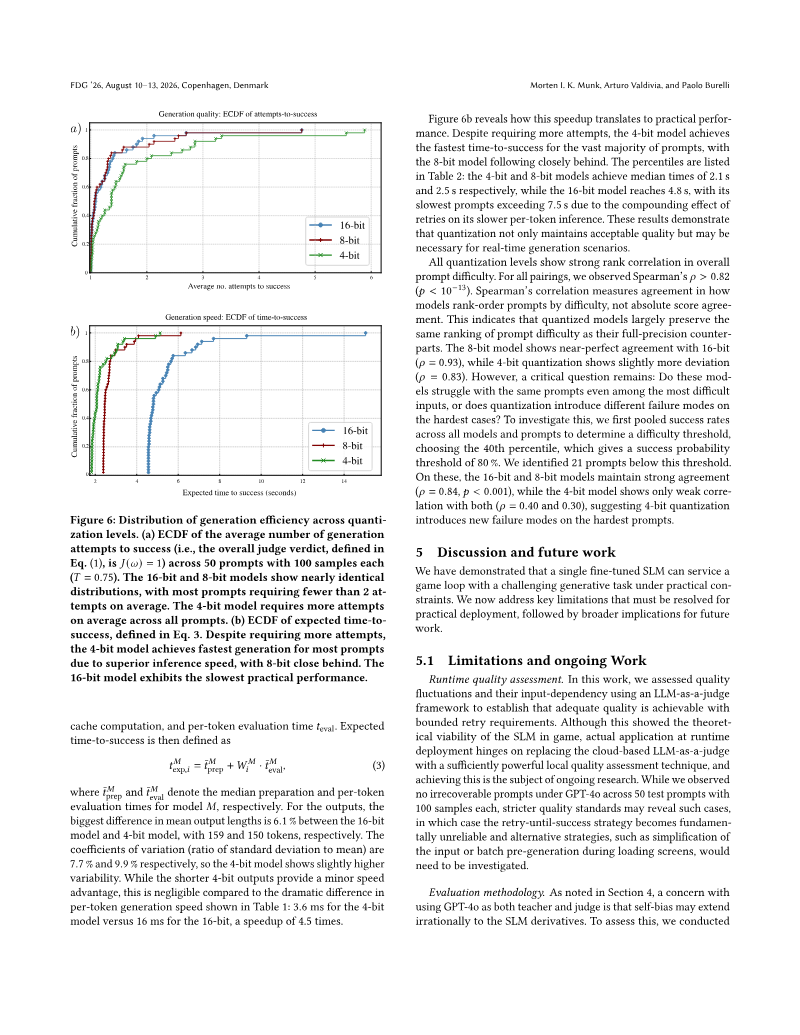
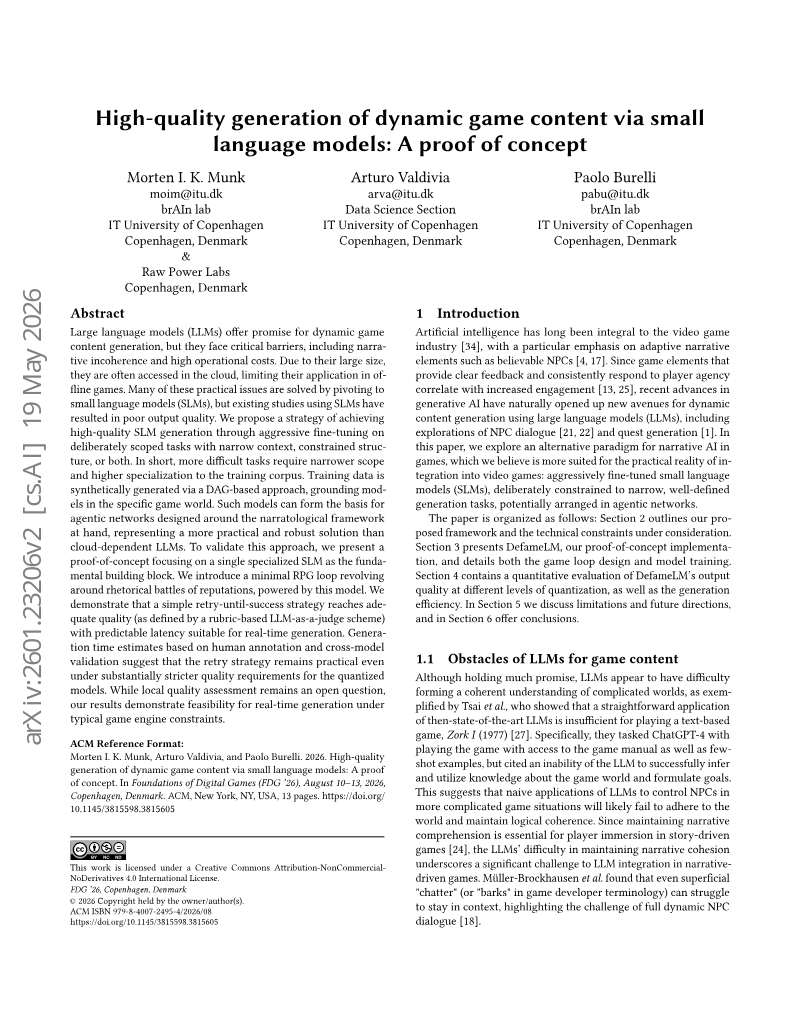
University of Copenhagen · 2026
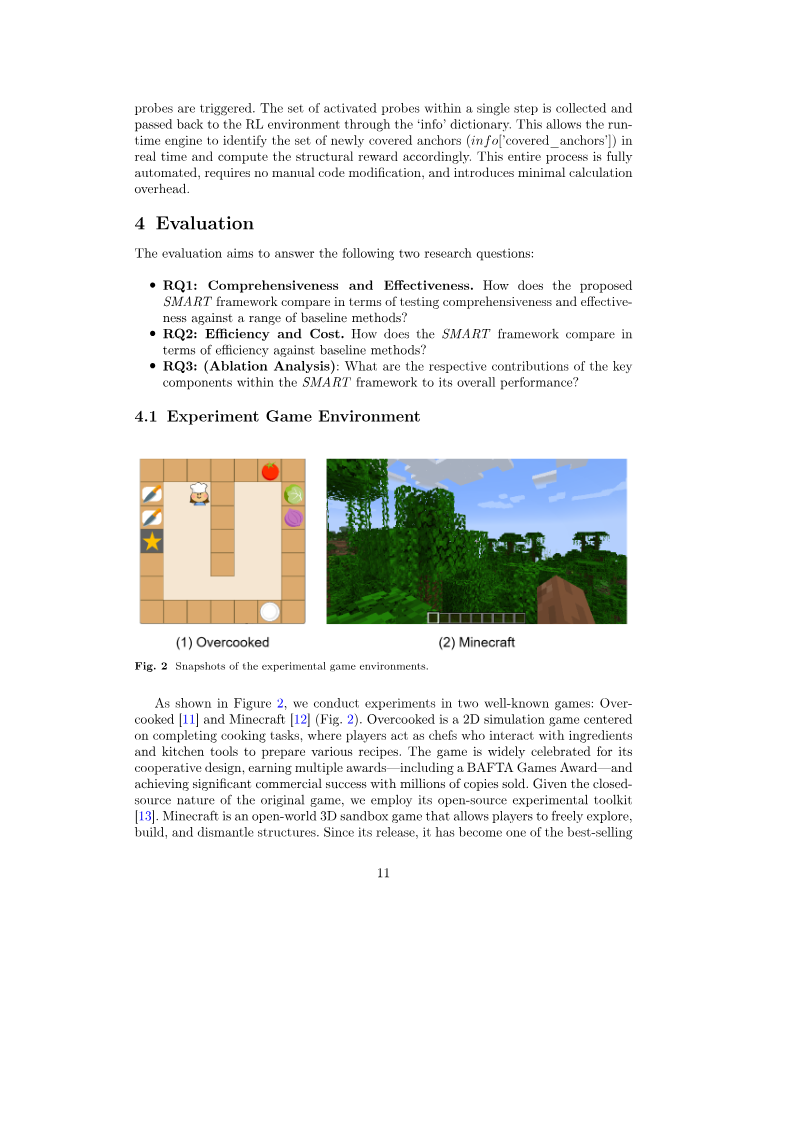
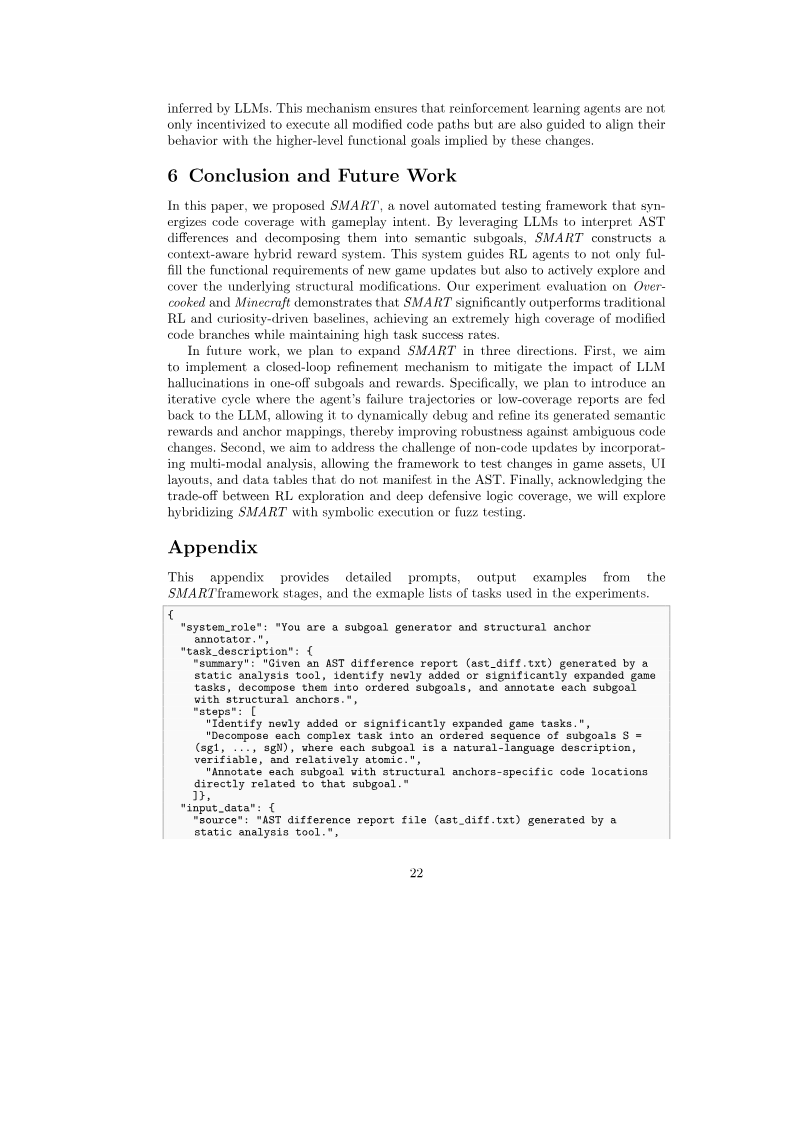
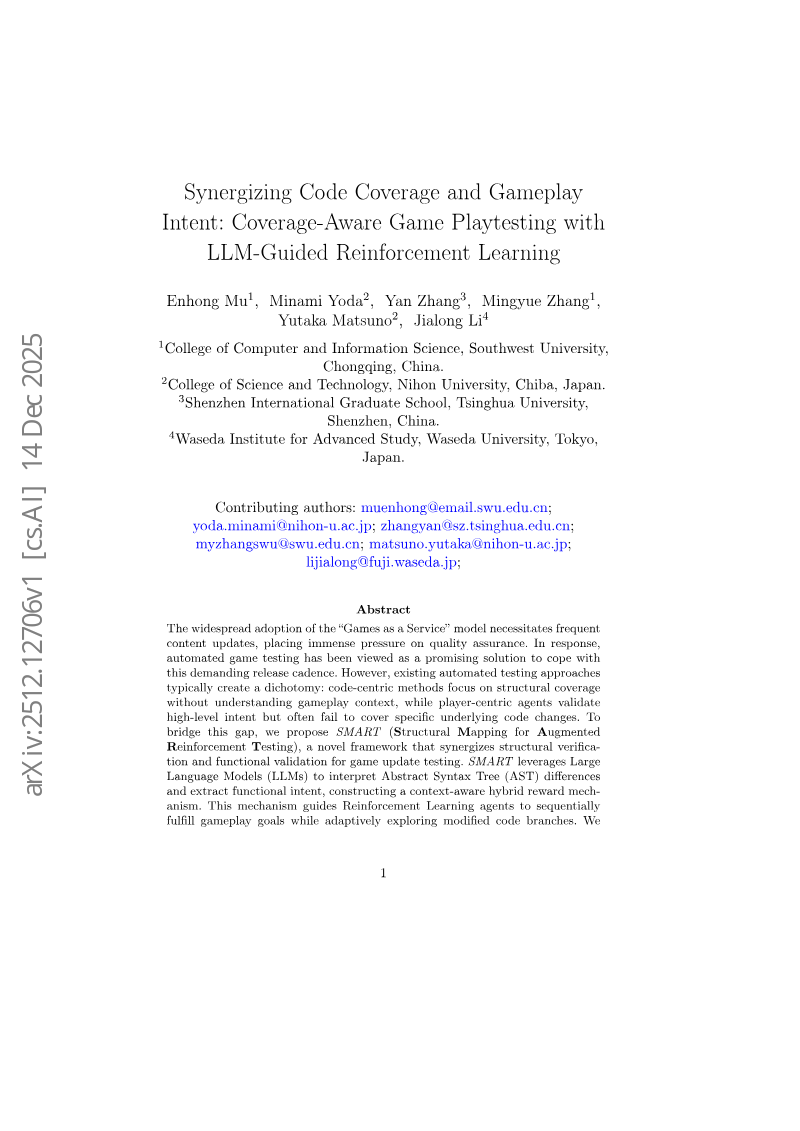
Southwest University · 2026
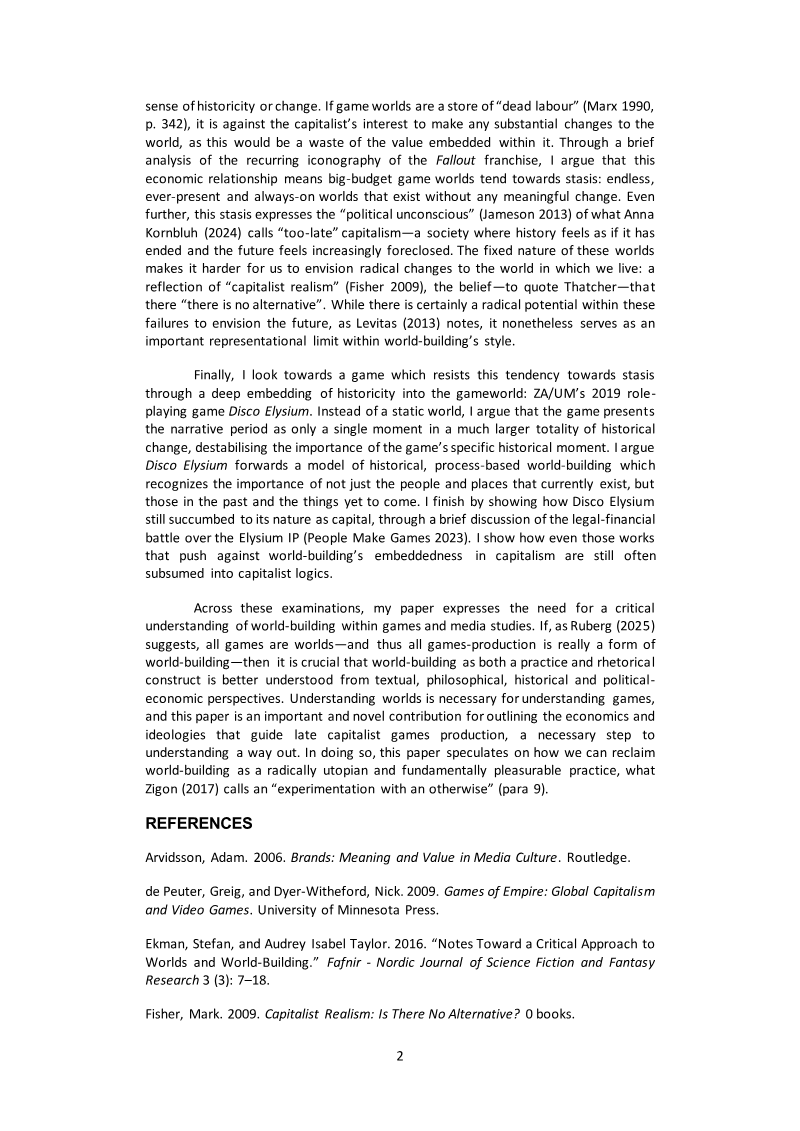

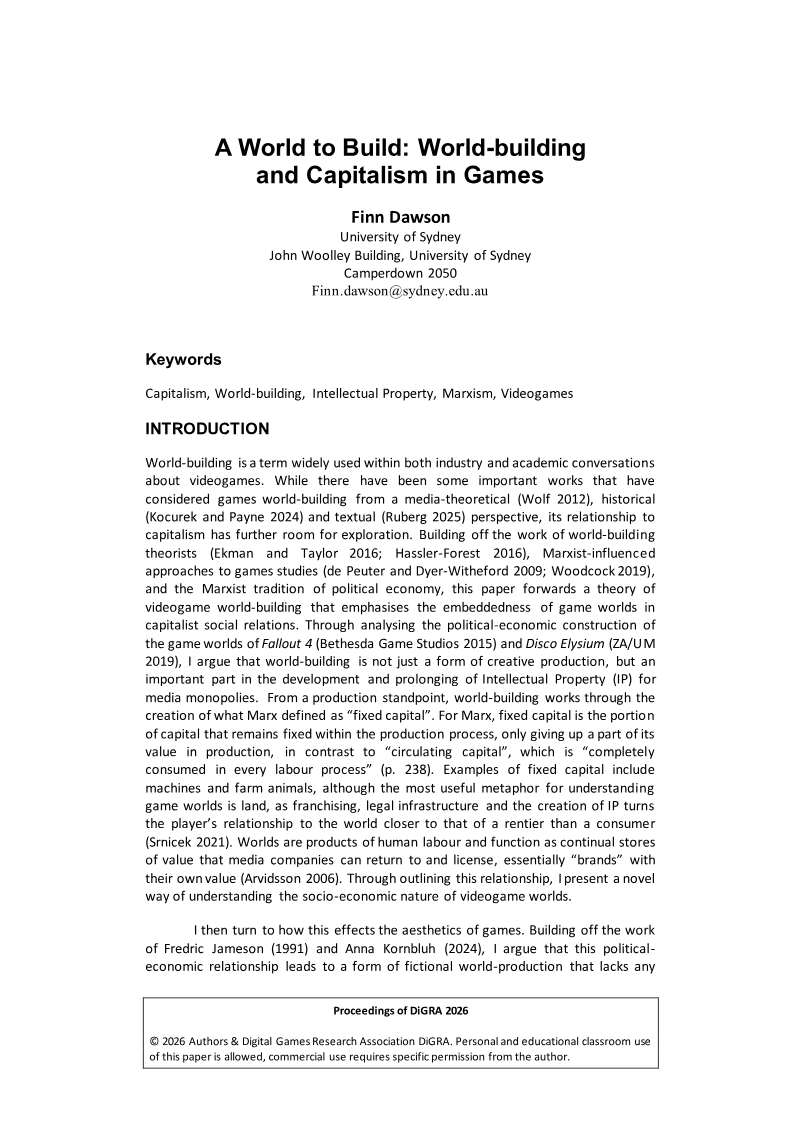
DiGRA · 2026
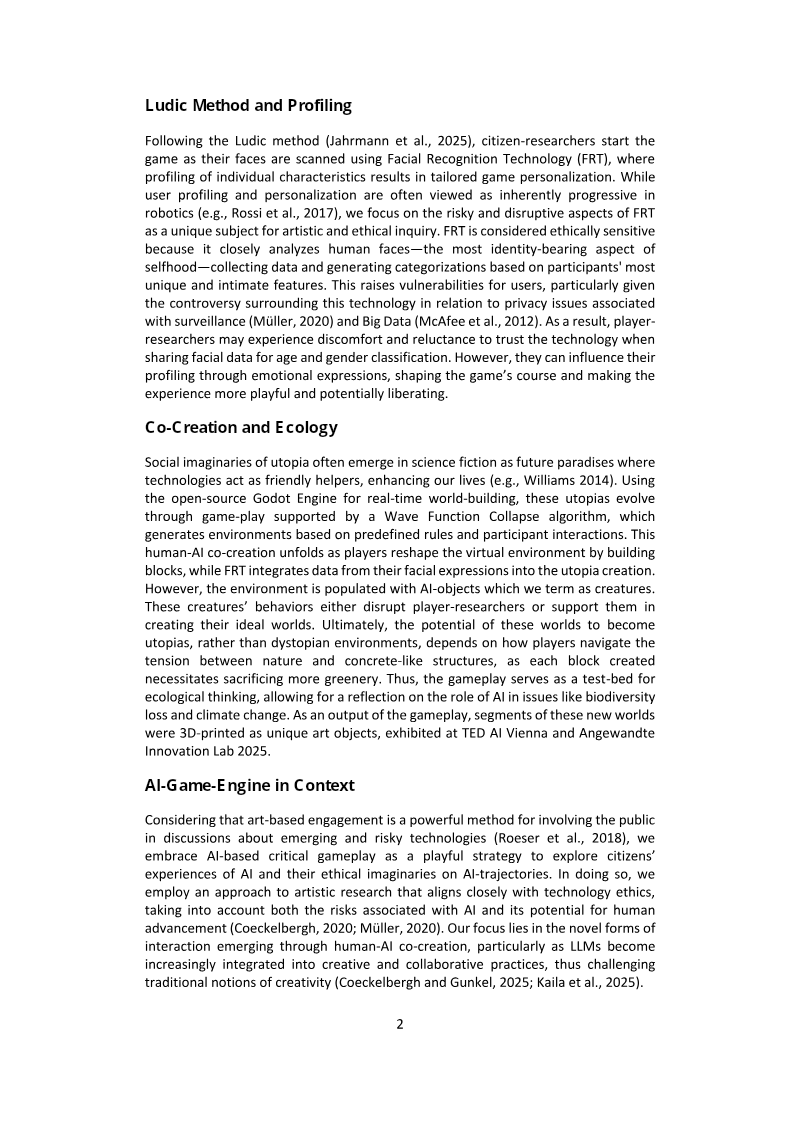
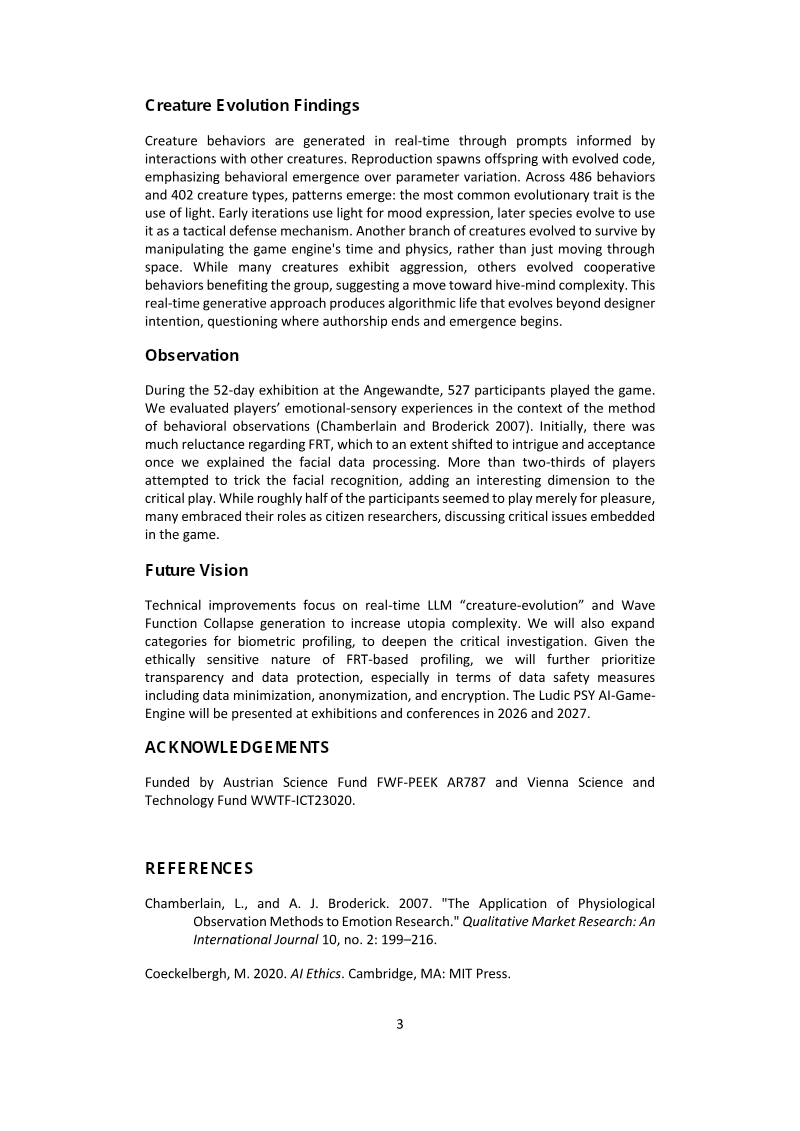
DiGRA · 2026