1 free read left. Create a free account for unlimited reading + AI research.
Create free accountArticle The Esports Advocate
1 free read left. Create a free account for unlimited reading + AI research.
Create free accountArticleThe Esports Advocate
House Bill 1608 mandates the Indiana Economic Development Corporation to identify strategies for establishing the state as a leading destination for the esports industry.
The Indiana General Assembly has officially passed House Bill 1608, mandating a formal study of the state’s potential to cultivate a robust esports ecosystem. The primary objective of this legislation is to task the Indiana Economic Development Corporation with identifying strategic methods to establish the state as a premier destination for competitive gaming. By evaluating the feasibility of attracting various tiers of esports—ranging from collegiate programs to major international tournaments—lawmakers aim to determine how the industry can serve as a catalyst for regional economic growth.
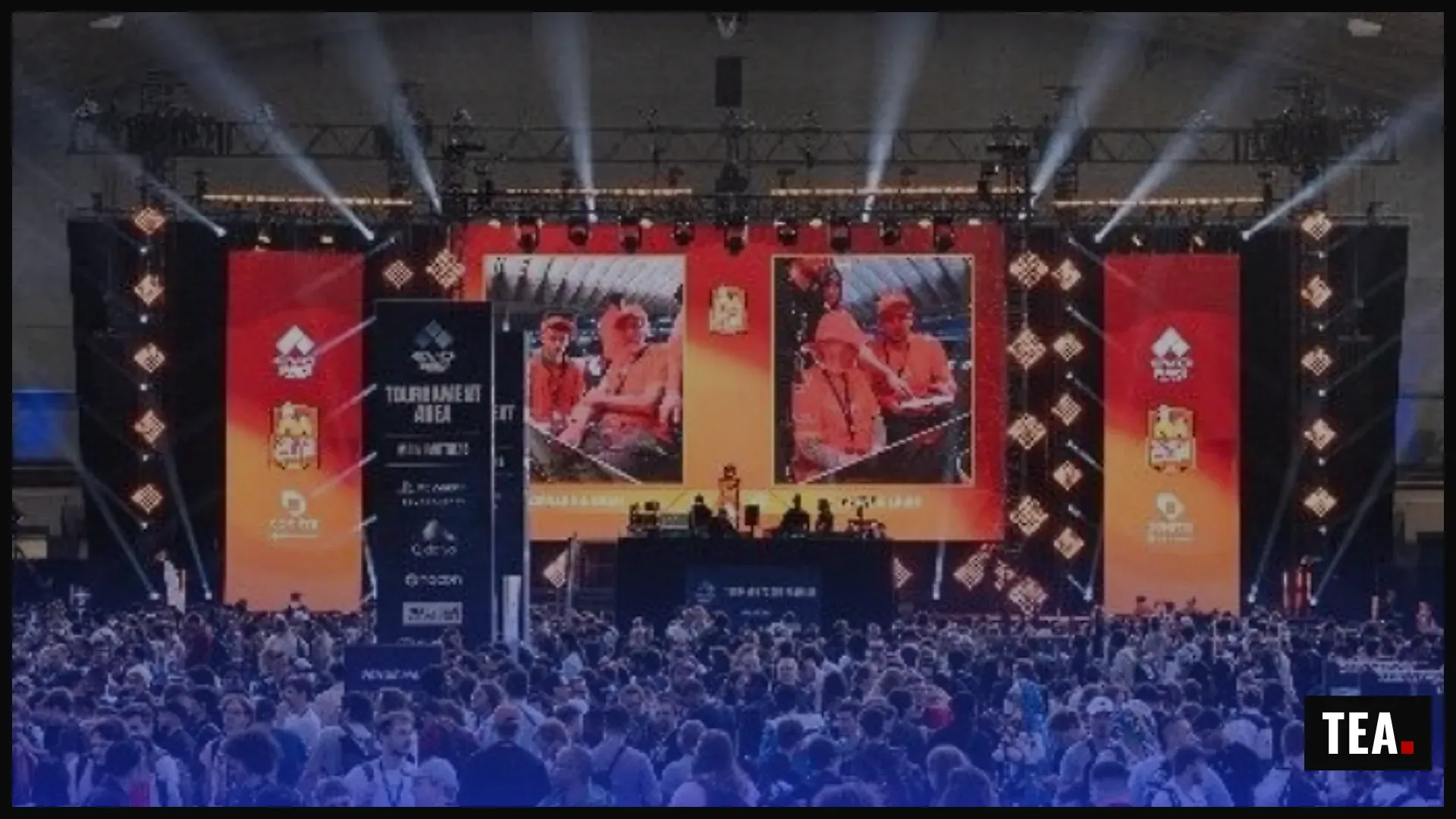
The legislative push is driven by the expectation that a developed esports infrastructure will generate significant tourism-related revenue. Proponents of the bill anticipate that hosting large-scale events will stimulate local economies through increased hotel occupancy, restaurant patronage, and retail spending. This initiative seeks to replicate the quantifiable economic successes observed in other jurisdictions, where major tournaments have historically delivered multi-million dollar impacts. For instance, recent global events have demonstrated the capacity for high-profile competitions to generate between $1.6 million and $15.5 million in direct local economic benefits.
Passed on February 11, 2025, with a 74-17 vote, the bill reflects a broader trend of state-level interest in the financial viability of the esports sector. The resulting study will be submitted to the governor and the general assembly to inform future policy decisions regarding industry investment and infrastructure development. By focusing on the integration of tier-1, tier-2, and collegiate-level gaming, Indiana intends to position itself as a competitive hub within the United States, leveraging the industry to drive long-term fiscal development.

The Esports Advocate · 2026

The Esports Advocate · 2026
The Esports Advocate · 2026

The Esports Advocate · 2026
The Esports Advocate · 2026

The Esports Advocate · 2026

The Esports Advocate · 2026
The Esports Advocate · 2026
The Esports Advocate · 2026
The Esports Advocate · 2026

The Esports Advocate · 2026
The Esports Advocate · 2026
Extra Credits · 2026