1 free read left. Create a free account for unlimited reading + AI research.
Create free account
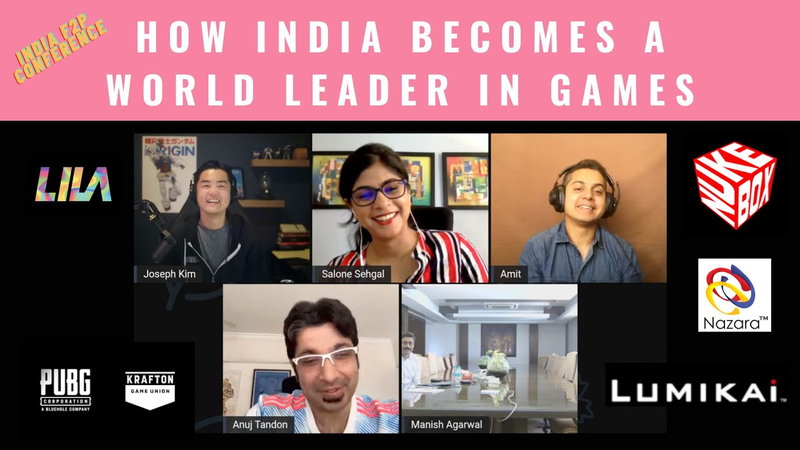
How India Becomes A World Leader in Games #IndiaF2P
Key insights
6 takeaways- 01The domestic gaming market is being driven by a large, young demographic with increasing discretionary spending power and improved payment infrastructure.
- 02Strategic government support, including tax reliefs and research and development credits, is essential to scale operations and integrate India into the global gaming value chain.
- 03Attracting global firms to establish local development hubs is a critical step for standardizing production quality and elevating the country's status in the global free-to-play market.
- 04India is transitioning from a service-based cost-arbitrage model to a product-focused ecosystem that prioritizes original intellectual property and commercial viability.
- 05Long-term industry growth requires the professionalization of studio management to reduce high attrition rates and foster high-performance company cultures.
- 06Indian founders must shift from a passion-led creative approach to a disciplined, craftsman-like business model that prioritizes financial sustainability.
Ask AI about this video
Transcript
hey everybody and welcome in this conversation today we have some of india's top game industry leaders from manish agarwal ceo of nizara which recently went public to emit hardy ceo of nukebox another successful local indian games company to saloni seagal who recently started a venture capital from lumikai focused on investing in the indian gaming market and finally anuj tandon who heads corp dev in india for crafton the makers of pub g the focus of the conversation oriented around india as a game development ecosystem we talk about things like what's keeping india from becoming the next china or turkey what are the strengths of the indian game dev scene and how do we accelerate the local indian gaming market this was the first of five sessions from the india free-to-play gaming conference so be sure to check this out as well as some of the other sessions more info in the show notes welcome to the game makers channel and be sure to subscribe to this channel for more content on free to play game development topics
welcome everyone to this inaugural india free to play gaming conference we actually have in my opinion a really really exciting set of sessions planned for you starting with this panel on essentially how india becomes a world leader in free to play gaming and you can also for folks on youtube you can check the show notes to see the overall agenda but we do have five panels planned but in any case i think we could go ahead and kind of getting started with maybe introductions of our panel members here with us but i thought we could start first with manish agarwal ceo of nizara manisha i know you're pretty famous already but it'd be great if you could talk to us a little bit about your background hi hi joseph thanks for having me here uh good morning everyone who's listening tuning in from india good evening from u.s and rest of the time uh so guys uh came into gaming a decade back or more than that uh happened by serendipity
i don't claim that i was a gamer in my childhood i have not have any fancy stories about playing xbox or console and playing on those games and saying that i was born to build a gaming company no i have a very very standard boring past of doing my engineering mba trying to build businesses and gaming happened suddenly pt and then it hooked me forever so yes i am hooked in love in in making businesses based on gaming uh five years back i would say i would i had loved making games but last five years have been super busy in trying to just build businesses around gaming and yeah i would love to go back and designing games which is my first love but don't get much time so that's it from me over back to you joseph all right and maybe next in terms of alphabetical order we can go with the mitt hardy ceo of nukebox amin thanks joe thanks for having us here uh yeah so uh
so i go back about 10 years like manish games and and we've been you know doing or dabbling with multiple ideas since long time now and uh i think for us uh i think the success or let's put it this way i think for us it it all began with the success of food truck chef which was uh one of our claim to fame and from then on we've been you know working with multiple free to play games and we followed up that with uh spongebob krusty kookov and we've been working on multiple such games and ideas and we're looking forward to make a dent in the global market which is our primary focus and uh yeah so so that's where we stand okay great and then saloni yeah sure um so hi guys i'm soloni i'm
the general partner at lumekai where india's first dedicated gaming and interactive media vc um i've been fortunate uh to see the industry at least the gaming industry for pretty much the last 15 years and from all sides of the table i've been an investor i've been a founder and i've been an m a banker so prior to this i was with a fund called london venture partners which is the fund which essentially pioneered investing in games and interactive uh before i transitioned to lvp i was the ceo and co-founder of truly social which was a venture back gaming studio building immersive social worlds for female audiences um and then i spent the first six seven years of my life in investment banking and private equity uh with over 10 billion dollars of m a experience so yeah i've been uh i'm super excited now to be in the india market and it's uh it's been really great to see it from from all perspectives right and finally anuj just in time mooch thanks for thanks for joining us hey sorry about that no problem
hey guys uh been in the industry now for last 11 years again won multiple hats first as a co-founder of a gaming studio back in 2010 uh when when you know evangelizing the indian market was a sort of a dream so made uh made games for the global audience as a as a startup founder for five and a half six years uh then uh joined nazara for a year uh then as a cxo for yuzu and now heading cob dev and investments for uh crafton in india and meena so yeah varied roles been a proponent of indian gaming industry for quite some time all right thank you panelists and so i thought we could go ahead and jump right in with my first question really being around what's missing and so india at least and i noticed that you mentioned a few games
that are starting to drive into the top grossing but when we think about like global top grossing or top free globally there seems like a lot of promise i know we've had recent successes like with monition and nazara but you know in terms of the industry here it does still seem to be a lot focused around live ops with mature games from whether it's zynga glue gsm and other mobile companies like that and in terms of other geographies what we've seen is for example in china and turkey we've seen like this burgeoning developer community starting to emerge that have started to become very powerful with companies like whether it's you know fun plus lilith mi hoyo in china or peak and now dream games and kind of like these companies emerging in turkey and so when you guys think about india and some of the companies that are starting to merge in india or maybe some of the ecosystem or infrastructure that's not quite developed there yet could you talk about what is missing
what would it take for india's ecosystem to be further developed such that we would have a much more vibrant and much more kind of powerful or successful set of games coming from indian developers and i don't know if anyone wants to jump in otherwise maybe i can call on someone like manish since you're since you're recently public maybe you could start so joseph i i it's been you know since 2009 we have been saying that india has amazing potential and we are in 2021 when he is still discussing what is missing and and therein lies the whole story right uh it's a story of on any any market to grow uh ecosystem to grow from a developer you need to have a large domestic market if that is possible otherwise an access to capital for you to experiment in the global market right uh and these are the two ingredients which combined with the third apex is the skill sets the experience
uh which one learns either you can learn through intuitive experimentation like anuj was doing in 2010 sheer passion great determination to really make something out of it amit has been at it for last decade and so uh now if you have if you compared the external markets with india market our history of release playing games working on those hardcore mid-core games working on meta design uh it is it is all happening in in last two years so our history is very very very new and nascent versus a 40 50 year old history in china korea japan us which is coming from vc console based games where you had already whether in east you've had a freemium design on pc or you have a very amazing kind of game designs happening on on on the on the ukbs studios forever so i think
the beauty of our market is that with the infrastructure issues getting solved with the domestic market really giving promise and more and more exits happening in this market which is what you may alluded to turkey if you see three peak games except and the post p games exit it has been a siege acceleration and development of the ecosystem in turkey and the exits therefore have been mind-boggling and we have seen in india whether you have sas companies coming out of very successful sas companies or e-commerce companies coming out of e-commerce companies similar thing is going to happen with exits like play simple moon frog nagara and many more to come you will see many many entrepreneurs coming out of these companies and trying to create their own gaming companies uh because they have gone through they have seen the scaling they know what it takes investors who are jittery are now saloni is coming in with a dedicated gaming fund and many more investors are okay to really say that yes we will take
that leap of faith so i think capital is not coming in the talent pool is being developed domestic market is happening and the boundaries of global are getting blurred so all of that ingredients which were kind of in handicap for us somebody sitting in india are getting sorted so maybe i would say that at two three four years this statement of indian ips becoming powerful for five years and becoming should get sorted it's a journey which we all know that if you are building for domestic market uh we are not china you have to really compete with the global games quality of the sheer game animation as well as the game design has to be at that point for a mid core hardcore gamer and i think that's where the skill set improvement will happen here so it is a combination of our our nascent history in gaming which is what is leading to all misses but the future is super bright
right yeah joseph i'll just uh follow up with what manish said i think he has just laid a very good foundation of you know not having an indian uh gaming not having a sort of a history which all these other you know mature markets like china korea all had i think it's more of a philosophical question as well uh we don't have an identity of the market it's still being established we don't yet know how the market is shaping up are we a real money gaming market primarily are we a casual hyper casual gaming market are we a dau farm for global gaming uh companies so we're sort of jostling with a lot of uh moving pieces so to say and uh we have still not found an identity of the market what is the indian gaming market uh sort of good i i echo the statement of manish you know the local ip will drive a lot of uh
the um you know giving the identity to the market it will take some time but yes we are on that track uh it will it it's still a little a mature uh development ecosystem at a large uh level but yeah things are changing rapidly yeah um yeah you know i think uh i i've tracked the both the global markets and the india market for for a long time and you know i think what we look at were markers and you know it's very interesting all of us have talked about china and turkey and if you look at inflection markers that happened in china let's say between 2004 and 2007 it very closely relates to how the indian market has has played out in 2004 it will be very surprised but foreign games accounted for more than 80 percent of china's available game titles and 70 percent of domestic revenue in fact the top
crossing titles in china at that point of time were south korean and taiwanese titles in fact china and if you look back at gaming reports which were listed in 2004 2005 everybody used to talk about china just being a licensor market and you know it's never going to make its own original ip and you know or there was talents trapped and payment infrastructure was not developed etc so all of those discussions that you know manish has just talked about were everything that happened in china back in 2004 and then by 2007 the market shifted so quickly that sixty percent of chinese revenue or from gaming was coming from domestic titles and then in a decade china accounted for one-fourth of global gaming revenues generating 30 billion dollars even overtaking the us so i think when we trace the market we we kind of look at inflection points and as inflection points one is a great inflection point is talent ecosystem right when you have exits happening you have uh any pool of talent which will come out of those companies um but the
second more promising i guess overall infrastructure-wise and you know there are obviously the macro markers indians are now consuming games india is now the largest mobile game download market similarly if you saw that in china that literally happened in three years so between 2004 and 2007 there were 600 million mobile phone users in china and chinese gamers were spending seven seven and a half hours per week playing games payment infrastructure changed right prior to 2007 majority of uh transactions in china was still handled in cash but by 2007 bank card usage was 21 of the market look at what's happening in india right now digital and electronic payments are 40 of the national transaction volume so payment infrastructure has changed monetization behavior is changing right in if you speak to the team at google et cetera you know india is now registering the fastest growth in new in-app purchasing users in anywhere in the world it is the
fastest growth growth rate so while these changes when you're in the middle of it it happen you know on a day-to-day basis you aren't seeing that incremental leap you aren't seeing indian companies come into top crossing titles but in three years four years hence i think the market will be a very very different place and if you look at the capital now that's been infused in the last 18 months there's been a billion and a half infused just in the indian gaming ecosystem that's been way more than what's been infused in anywhere in the last five six years and yes albeit it has gone to real money gaming but now you know as an early stage fund we're seeing people come out of these rmg studios saying we oh we we want to build actually different kind of games but now there's capital to build those kind of games like we want to go and experiment on casual games we want to build mid-code games we want to build other genres we're looking to build the games platforms all of that you know i guess unplugging of that ecosystem is
now starting to happen and we saw this right finland emerged out of erstwhile nokia vietnam gaming scene emerged out of game loft i mean in india zynga alumni is doing so so well we have you know bombay play as part of our company so i think this is just a natural evolution and in india at this point of time adoption monetization infrastructure and payments has converged in a way that i guess none of us have ever seen um and which has made enabled uh you know nazar games to go public which has enabled more strategic interest so and i think it's it's really interesting you it kind of sounds like you guys are speaking a lot to resources capital i think anita mentioned also having an identity and admit as one of the insurgents trying to you know get to the next level in this space what are some of your thoughts so yeah i think i'll just take a slightly different point of view from particularly the studio's point of view i think what is missing is i think we like to look at it from uh some of our all parts kind of a view
so i think whether it's deal making or relationships or you know concepts and marketing tech uh relevant investors i think uh we've been trying to work on all fronts for for multiple years and it has taken us this long to get to this point right and we've seen that difference between like a food truck chef to a spongebob it's like leaps and leaps uh apart from what we've done right and we see where the gaps are so i think if one has to look at it i think studios have to work on all fronts to really uh get cracking at multiple it's not like you know you you can produce a hit game today with the sub-optimal quality and you know the quality of the benchmark is just going up and up and uh to compete in the global landscape i think uh it's not just one thing that's going to get it going it's going to be
some of multiple parts and i think the difference between a turkey and india is that you know i think this predominant mindset that you know we can make everything in-house and this is you know we really need to uh or rather the outcome driven you know scenarios i think we need to start looking at things which are outcome driven and that's when you know i think finally at the end of the day consumers who play the game i think i think the game that will matter the most then you know rather than how you're trying to build the game right so i think that is like one of those missing pieces that i've been observing for quite a few years now right and amy could you explain that a little bit more when you when you say that there should be more focus on things being more outcome driven what is an example of that so i think uh i think keeping the clothes i mean keeping the game very close to the audience and in terms of let the
audience trying to dictate the kind of or the quality of the game that they would like to play and you know so whatever it takes to get that quality of game out of the studio i think that that is predominantly the focus right so for us as a studio uh if we know that if we are not good at certain concept arts or you know we are not good at certain things you would rather outsource that and you know get the best people working on it and of course the the cost of production is going to go up but i think to be relevant in this market today i think that's a given and one cannot escape that so i think so so hence the outcome driven rather than you know trying to make everything in-house right so okay and uh i've seen or spoken to a few people who've been working on multiple things in india you know what we think we can build
versus what the consumers really anticipate that they would like to play there is always a gap and you know trying to identify that gap and you know filling that gap is i think the most important crucial bit got it and sort of shifting the tone now to more of a positive outlook because certainly there are good reasons for why more capital is flowing into india and so when we thought not only talk about what's missing from india but then what are some of india's strengths what are some of the advantages coming from india and so when you guys think about some of the areas of strength and potentially maybe initial identity to nij's point um what do you guys think of when it comes to to to that to to the the strength part of india and minister maybe we can start with you again so joseph i think uh the beauty in india lies in its numbers and its demographic dividend uh young population
in bulk in numbers amazing middle class which is per capita income growing gaming is a discretionary form and especially spend really happens when the overall per capita income of a country really starts increasing uh because then you're not kind of in the master hierarchy you're not looking at food roti as i would say and you're trying to elevate your spends to more other discretionary spends and that's where india is in that cusp as we are looking at next decade we are looking at this younger population getting adding more per capita income to their wallets with a propensity spent and willingness to spend on alternate means of entertainment and gaming is the best form of entertainment we all know and and that's very very well articulated and stated so i think that's one big positive for india which anyone sitting anywhere in the world cannot ignore
such large market second is the stability and lack of whimsical nature of policy making you are always worried about opacity in world's largest market while it's a 30 billion dollar market china but it's always overnight things can change and we have seen in last 30 days 45 days even the mightiest of the tech companies in the world could not handle uh the local ecosystem and and and there has been a full meltdown uh that kind of you know political instability or policy instability uh both of them you don't see in india so that's the second advantage which you will really have if you were to really look at from an india point of view and the third piece is because of the size and volume of people you get such large addressable cohorts like what arnold says identity i don't think india will have its any identity ever because we will have 900 million
gamers out of that there'll be a full europe sitting for a hyper casual you will have a full us sitting in bitcoin hardcore you will have a largest market of esports so i i think the cohorts of different segments and depending upon what you want to really kind of attack you will be able to do that at scale of both volume and value i think those all these three factors really make this market very fascinating yeah yeah i i you know i 100 echo with what manish is saying i mean if you look at traditional mass media and mass entertainment evolution in india you'll see a market which transitions from global imports to you'll have a healthy balance of global content and you'll have locally resident resonant content and with local content which represents the true mass market and this is this is bound to happen where you have various genres in the ecosystem and that's going to be just the appetite
of of the indian market is is very deep and there's also a lot of breadth and this is the market which can essentially support that um i i think another uh is just the hunger and the entrepreneurial uh desire for india's founders and just that the sheer ambition right like it's it's a competitive culture that you've grown up in and at the sniff of a mere opportunity you you will see talent flooding into the ecosystem and we're seeing this right in the last 10 months 11 months we've seen 700 uh early stage gaming deals who would have thought that was even possible before you know we entered into the market but clearly there is just this mass rush of uh founders who are coming in who are far more ambitious who are bolder and who are ready to make those bets and and who have a growth focus as well who are now ready to say well you know now there's capital there's this infrastructure we have access to the world's best the world is condensing with remote working you can hire from anywhere you have the ability to raise
larger capital because of higher risk appetite so you have now these founders who are coming into this space with very large larger visions and i think that's that's also an incredibly big asset for the market okay you know germain yeah yeah i think so i'm good go ahead am i yeah i think uh yeah i think i resonate with this i think predominantly i think there is good amount of talent which is coming in from a lot of peripheral industries in india i think and and i think whether it is edtech or you know whether it is overall startup seed in india it's been booming for quite some time and so given that there is this you know risk-taking ability in general right i think uh we've been seeing that quite a bit and people who are generally enterpreneur in their mindset uh joining the bandwagon kind of helps because uh india was forever known for its services background right so we
as a country were known for you know the infosys or the pro or you know all of that so from there to get into the product mindset was itself a big change and with the product mindset becoming a new norm you know and plus you know the exposure to games and people playing games at large is that you know inclination to you know work in an alternative industry i mean in india gaming is still considered as a you know an alternative industry which is not very well known so i think when we talk to colleges or youngsters in general i think there is that you know we see that you know people are very well informed and you know they're quite relevant as far as the industry is concerned and they're willing to kind of uh you know take the plunge so i think that that has
been a massive shift uh yeah an age yeah so i think uh uh building on all those uh points the co-panelists made i think the most important uh factor is the the youth of this country who's now playing games in the last two to three years i'm very excited when they ex enter the workforce and the kind of games they want to make that is going to be the standards of game they have been playing in the last two to three years have been you know battlegrounds free fire the the call of duty mobile uh the clash generation all of these guys now when they come into the workforce and they want to try and build a gaming company that's the benchmark that they have set and that's why i that's the most optimistic thing for me that will uh you know build this uh market because it's built by game developers i mean
let's me very honest uh the gaming companies the gaming ecosystem is built by game developers and the lack of them uh no matter how much we diversify into real money platforms infrastructure the core of any gaming business or any ecosystem the base is always gaming studios and game developers and and if we sort of that is the focal point that is where we the ecosystem sort of needs to focus that is where you know we all need to rally behind because if you have plenty of game developers and game studios all the other peripheral problems will solve we are already as an ecosystem hedged to solve those problems that is the pain point of the market and i i believe two to three years down the line that will get solved at a large scale okay and so we've got about 15 minutes left in this panel i thought i would ask you guys one last question and then we'll open it up for any questions from the
audience and there are a few that are have been coming in but my last question would be uh in terms of in terms of like when thinking about potential ways of accelerating the market for example there's notion of like tribes and like different industry groups in the west and things of that nature um what are things that you think that india can do to help accelerate the maturation of the market and then if you guys have uh one or two names of companies that we should be watching out for i'd love to hear some things of course obviously besides you know nazara and nukebox what you guys think um any thoughts on that and uh i think it's hard but don't you worry you you track the ecosystem much more than anybody else sure um so i i think just to answer the uh i guess the you know the way forward for for the market and you know what the industry can do um i think uh having looked at some of the developed countries markets in fact you know
coming from the uk or even china for example from from a policy perspective there's a lot that regulations and policy could do for example in in the uk there was their video games tax relief which was hugely beneficial for game development studios who could basically claim their uh development costs as research and r d and could claim it back from the government and they were you know this was a very sustainable way of actually powering your your development and though and also setting up center of excellences uh for for the game development uh industry or also looking at let's say game development courses being imparted as part of education and we've seen china do that and i think that from a policy regulatory perspective is something that as a fund we work with policy makers we work with regulators and plant these thoughts and ideas and saying these are best practices which i've seen from other markets um in fact uh in the ministry of education has announced with iit bombay to set up a game development institute where courses on game development will be offered and you know again these are
very interesting and interesting measures from a regulatory perspective that could help accelerate the industry uh tax reliefs investment credits and all of these again you know game game development is very niche but if you look at the market and it's growing in a 35 year on year it's just going to become larger and larger and so if you have forward-thinking uh bureaucrats and forward-thinking uh politicians and we are seeing early signs of that especially with the inb uh uh information and broadcasting ministry there they are starting to think along these lines and i think that's very encouraging for accelerating just the momentum um in terms of uh i guess exciting game development studios that we've come across with a little bias we have three three content studios one of which we're going to be announcing uh soon next week uh but again you know we think bombay play is doing some excellent work it's again zynga team uh former founders of
moon frog uh building hyper social multiplayer casual games uh building on instant games and then cross cross uh building cross-platform games uh they're just they're doing incredibly well we invested in them eight months back and they're on a really really solid trajectory we obviously have another studio called all-star games building mid-core cricket uh solutions um we have another deal which we're going to be announcing soon uh that's going to be coming out next week so you'll have to watch out for that but again it's a mid-code content studio um yes super excited about the potential for that uh outside i guess of the lumikai portfolio i think we really respect uh what some of the other developers like gameberry etc are doing in the market um you know they're they're making uh interesting work we're also seeing like young indie developers uh who are really differentiating themselves in the type of content that they're building and both for the global market whether it's pc or steam games uh there are there are a bunch of these uh studios that we really like tracking and you know stay in close touch with
right um just to kind of share with joseph the industry is uh working so in there are three bodies which really kind of evangelize with policy makers at center and state uh internet association of mobile uh indian association mobile and internet imei wiki and cii so i'm working with all three of them to really create a cohesive which can cuts across premium real money skill based money gaming skilling capital taxation i think the key thought process there are four five pillars on that and we are working on it but the key thing is here how do we really create more and more talent cool uh which could be done through making india a very exciting hub for the global companies to set up their bases because i think the best learning can happen on the job and as amit was talking about i think saloni is talking about is the zinger mafia they've all
come out with doing on the job training and and learning some of the best product and design skills while really improving the retention and monetization of those games so how do we make india a really exciting place for the global companies to set up their bases and like i know just now working with crafton how can this become a big craft and development center here in india and really have let's say a battleground entire team being set up in india for doing that that will really spur huge amount of ecosystem development right um ea ubisoft all of them have really contributed in a meaningful manner in last decade in adding to the talent pool in this country so i think that's one key thing which we need to really as industry also we can evangelize the quality of talent which we are seeing every day uh to give more and more comfort to our global peers and friends that hellism come india and set up your shop while government will do many
things giving that comfort of of a stability of great talent of professionalism uh it's not a land which is still ridden of snakes and cows is not something we can all do to really influence more and more people to come here i think if that's one thing industry can really do rest of the things as industry bodies and groups we are all coming together to really help in in defining policies on many other aspects any thoughts yeah i mean i i think uh celery and manish have covered everything related to policy [Laughter] anyone who has built a studio in india uh knows the fact that you know one of the biggest challenges you face is is uh
the talent and i think joe you must be also sort of with leela it's it's like running a gaming finishing school uh sort of when you're building a studio like it's it's six months of training of the fresh talent and and and then you start actually uh working on a business so i think uh all the policies aside we need uh you know talent uh creation which is the most important aspect of of of the ecosystem and need because with all the capital in the world you can solve for a lot of uh things but uh building out talent will be a slow process uh and and that is uh that might lead to you know the slow growth uh or or anything that is you know that can slow this down momentum that we have behind this uh this industry so that is in my opinion the number one challenge
yeah i think uh like you said it's a finishing school i think we've been losing a lot of talent to the west i think we've you know we've seen that in and out and i think i think we've stopped relying on uh you know highly experienced individuals and you know or rather people with great backgrounds because we know that's a very short-term endeavor that's not you have not relied that's a necessity now for quite some time and it's also i think given the scenario i think we we realized that you know uh it has to have a study pipeline of uh talent coming in and we have a specific uh you know six month induction going on for people in different streams so and that's the way we're thinking of building talent and uh and i think i think if you just look at the industry as a whole right i think
whether it is zynga or ubisoft or any other global entity having you know setups in india i think there is a very limited pool of gaming experience talent pool which is circulating all across right so it's it's not like and and a very few who are hiring fresh out of uh school so i think unless we go down to the grassroot and identify talent and groom them that pipeline is never going to get established so yeah that's i think a lot of work needs to be done there and i think cost as an advantage of operating from india is not going to sustain for long i think cost is catching up i think running a studio i think joe you would agree that running a studio in the u.s versus in india i think there is a huge difference in cost but i
think eventually that cost will catch up here just one question is it a bangalore phenomenon or is it an indian well i think bangalore more so i think i can't speak for the rest of india but i think at least in bangalore we've seen that you know it's been like a very aggressive market and you know especially since zynga is here and plus you know there are so many other studios out here so yeah it's very easy to kind of jump ship right yeah but i think also like you know we're seeing other hubs emerge like hyderabad we see now some of these other hubs emerge uh out of smaller cities which are now building studios and you know with uh with the lower cost but i but i do agree i think uh cost is now cost is no longer going to be this factor of uh driving uh an arbitrage bit of uh between global and india i think that's going to change but this comes back to
the fact that that culture of game development studios and building with highly retentive teams becomes very very important i think that has been undermined and underestimated um and in in general you know when companies are looking at culture etc we find these thoughts a little bit i guess not as paid attention to uh this is why we set up a panel of leadership development coaches who can work alongside our portfolio founders to start thinking about you know how do you build highly retentive team cultures and it's not about giving free food or bikes or you know dubai vacations uh it's actually about really entrenching loyalty uh and building those teams which are high performance high caliber and you know there's much more to it than just just monetary values and you have to think about that and you know we've seen examples of this in global company or space ape or you know some of these other studios which have managed to build highly retentive teams and cultures and in markets which are uh incredibly competitive um i think that
same kind of mindset and ethos has to come here so another point which i sorry which i should touch upon is that either covet accelerated the attrition for most companies yes i think there has been like 30 to 40 percent attrition across the board i think predominantly as everyone is working from home there is that sense of attachment to a studio or the sense of working together with people is gone another window so uh i think that has one of those big roles to play especially in the last year or so yeah maybe one other point is that i think what happened with a lot of teams is because of covid they started looking for more remote workers which then led them to cost which then led them to like try to hire engineering in particular from from india so you know i've spoken to a number of engineers it's like well i'm going to be going to finland i'm going to germany i would like to work for your company but i'm going yeah they're all they're all jumping or where they're just taking jobs with folks in in addition i do
think that you know certain companies uh glue in particular you know with the after the acquisition with from ea they've been shifting a lot of their workforce specifically in bangalore so uh by the way so for our audience there's a ton of questions coming in sorry we won't be able to hit all of them but maybe we could hit one really quick before the next session uh let's maybe this one from that song chinta pati would you say that most folks who are looking at building games currently look at it more as a business which leads the situation of what might work rather than what we are passionate let's go for about that's your favorite question yeah i think there is a lot of passion which is required for game development surely and the the passion when you start building a studio at the
first one or two years when you have uh savings uh that you put in that's uh that's how passion rules your mind and then as soon as the semblance of a p l starts to come in it's the uh the business students sets in and then when you realize that you know passion is needed but might not give you that studio strength i think there's a balance needed for both you need passion for game development uh definitely especially when you're trying to build a culture uh you need a team that unites behind that vision uh the game that you're trying to build but uh business students is what is missing in a lot of uh young independent developers uh and and uh that's that's that's needed a sort of mentorship is needed to you know go through from it it's not the suits versus the
uh the food as in in a lot of sense it has to be both that's my sort of take of going through both sides of the uh you know yeah i think passion does not pay salaries right so i think you know at the end of the day yeah it's it's a choice that you make between being an artist versus a craftsman so i think being a craftsman it's a combination of the artists and the science and the commerce of it uh i think we spoken enough about it but i think we all start passionately about the industry but i think when the reality hits you realize that you know finally the games that you're building have to make money so that you can sustain them so and if one starts to think about it as and that's how the the f2p market has been defined as right you're giving away games for free and then trying to realize how to make money out of it so and that's not going to be easy so uh
yeah so uh yep it it it's a combination of or rather the craftsman mentality that you know is essential rather than just looking at it from a pure fashion plate okay so we've got about one minute left so i wanted to thank all of the speakers thank you so much for your time but maybe if you have one last message you'd like to relay or how people might be able to get in touch with you maybe you um we can start with manish if you have uh that final message from you i think just hit me for anything which you really need as nazim said love to be a big big propagator of indian developer ecosystem want to see indian ips ruling the roost in india and globally and hit me on it for anything you need manish nazara.com okay and then maybe uh amit yeah so uh i think uh
you know so so we are happy to talk to anyone who's interested in going down the game development journey and uh at least we can share our experiences and you know the do's and don'ts and you know uh happy to help anyone who wants to uh seek any sort of help i'm available at amit newportstudios.com yep um so i think my closing words are just you know be bold and uh you know this is this is the next 10 years for the indian gaming market are incredibly exciting so if you're thinking about building a game studio or you're thinking about uh how to approach uh just the gaming market you know reach out to us at lumikai we have a loomikai spark program which runs four founders who are looking to enter into the industry and who are just wanting to just brainstorm with us there's that avenue if not you know i'm at saloni lomikai.com we also have hello at lumity.com and we're very very
responsive so just reach out to us right in an age yeah super exciting times to be in the gaming industry in india finally we are seeing whatever me and manish have been talking about for the last five years coming to a reality selling india at all conferences uh i mean finally things are becoming uh hit me up on linkedin or or on twitter i am at another underscore london uh apart from bgmi uh stuff you can reach out to me yeah i've seen i know just twitter posted largely like customer support complaints it's really hilarious all right well thank you very much and we will go ahead and start the next panel thanks very much speakers thanks thanks [Music]
[Music] you
Summary
India is currently at a critical inflection point, transitioning from a nascent gaming market into a significant global contender. While the country has historically lacked the deep-rooted gaming culture and established infrastructure seen in mature markets like China or Turkey, the ecosystem is rapidly maturing. This evolution is fueled by a massive, young demographic with rising discretionary spending power, improved payment infrastructure, and a surge in capital investment. The industry is shifting away from a reliance on cost arbitrage toward a product-focused model, where studios are increasingly prioritizing high-quality, original intellectual property and outcome-driven development strategies.
Long-term growth depends on the professionalization of the studio ecosystem and the cultivation of a sustainable talent pipeline. To move beyond the current status of a "finishing school" for developers, the industry must address high attrition rates and foster high-performance company cultures. Strategic government interventions, such as tax reliefs and research and development credits, are identified as essential catalysts for scaling operations. Furthermore, attracting global firms to establish local development hubs will be vital in integrating India into the international gaming value chain and standardizing production quality.
Success in this competitive landscape requires a fundamental shift in mindset among founders, moving from purely creative passion to a disciplined, craftsman-like approach that prioritizes financial sustainability and commercial viability. By balancing artistic ambition with rigorous business acumen, the next generation of Indian entrepreneurs is well-positioned to elevate the country’s status. As domestic infrastructure continues to improve and successful exits provide a blueprint for future ventures, India is poised to leverage its scale and talent to become a dominant force in the global free-to-play gaming market.