
In an increasingly crowded digital landscape, in-person events have emerged as a vital, non-automatable growth channel for founders. The primary thesis is that while high-quality content creation has become commoditized, physical gatherings offer a unique opportunity for differentiation. However, because the market is saturated with generic programming, organizers must prioritize high-quality execution to avoid eroding brand credibility.
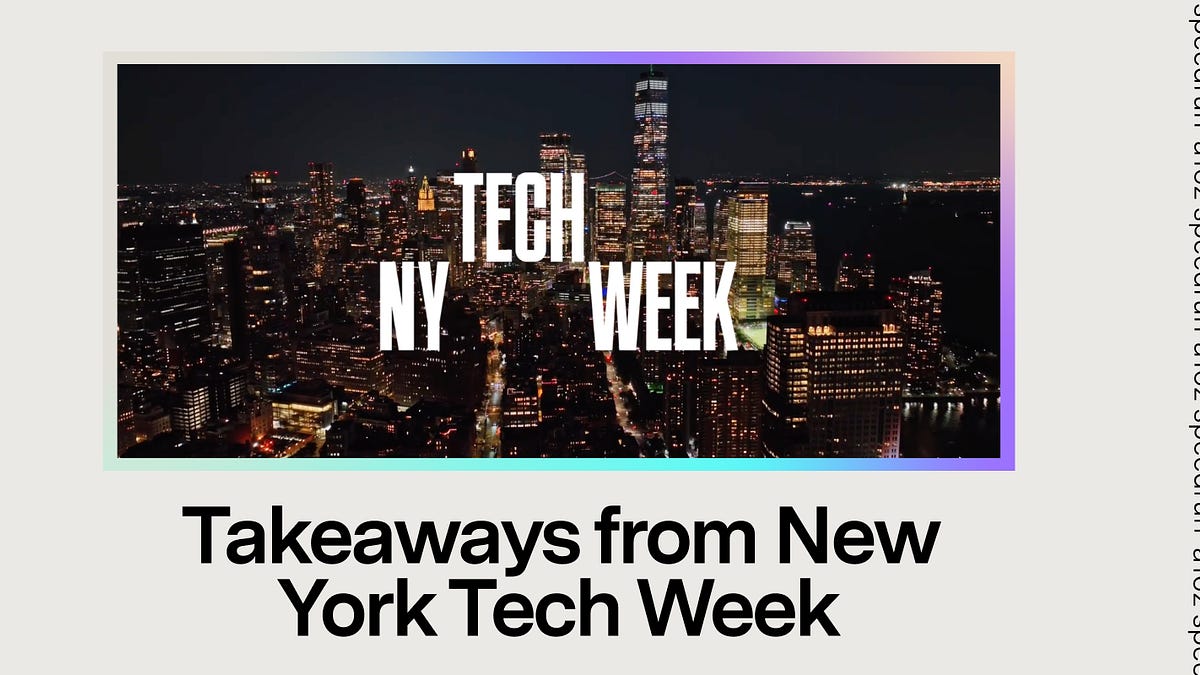
Successful events are defined by their ability to provide genuine value and memorable experiences rather than relying on standard, low-effort formats. Case studies from recent tech industry gatherings highlight three effective strategies: large-scale public activations, such as drone shows that engage the broader city; low-key, high-character local takeovers, such as morning events held in iconic neighborhood venues; and mobile, serendipitous brand activations that offer guests a unique story. These examples demonstrate that the most impactful events demand little from attendees while providing a distinct, shareable experience.
To ensure an event stands out, organizers should focus on several key principles: identifying underserved time slots to avoid competition, leveraging the unique character of the host city, and maintaining a high standard for all controllable elements, including speakers and venue selection. Ultimately, the decision to host should be guided by a rigorous self-assessment of whether the event provides enough value to warrant an attendee's limited time. By focusing on intentionality and quality, founders can transform events from simple logistics into powerful tools for community building and brand growth.

a16z Games · 2026

a16z Games · 2026
a16z Games · 2026

a16z Games · 2026
a16z Games · 2026

a16z Games · 2026

a16z Games · 2026

a16z Games · 2026

a16z Games · 2026

a16z Games · 2026

a16z Games · 2026
a16z Games · 2026
Bushiroad · 2025
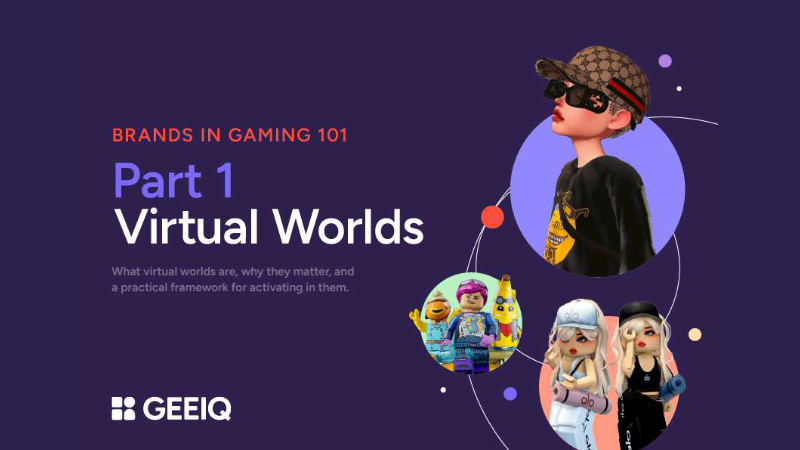
GEEIQ · 2026

Almedia · 2026
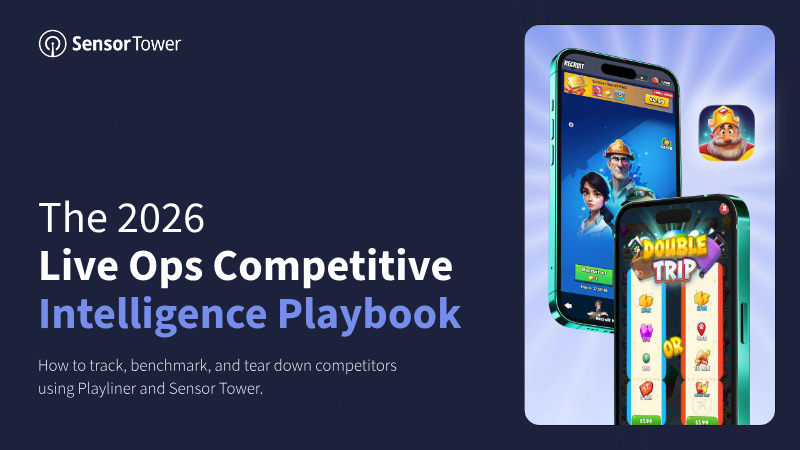
Sensor Tower · 2026
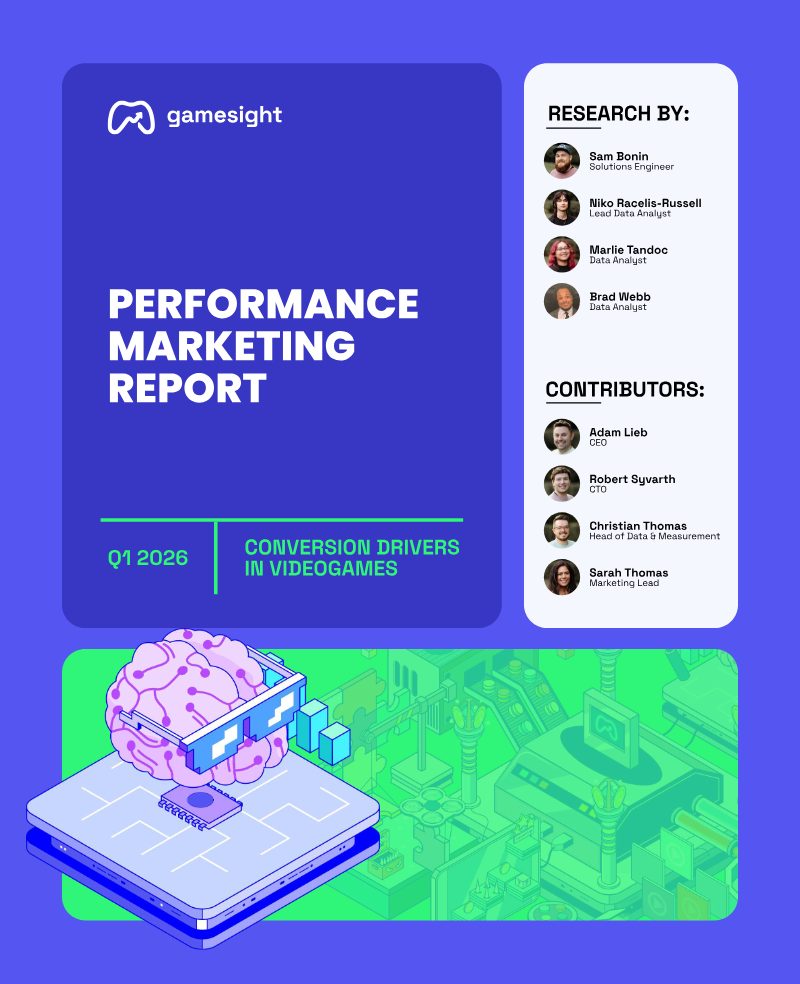
Gamesight · 2026

Sensor Tower · 2026
InvestGame · 2026

SocialPeta · 2026
SocialPeta · 2026
Anzu · 2026

Sensor Tower · 2026
SocialPeta · 2026