Key insights
5 slides
Market Reality
Thousands of new games launch monthly, requiring rigorous market research.
Approximately 10,000 new games appear on mobile stores each month. Developers must prioritize data-driven market research over personal passion to mitigate high failure rates.
Key Indicator
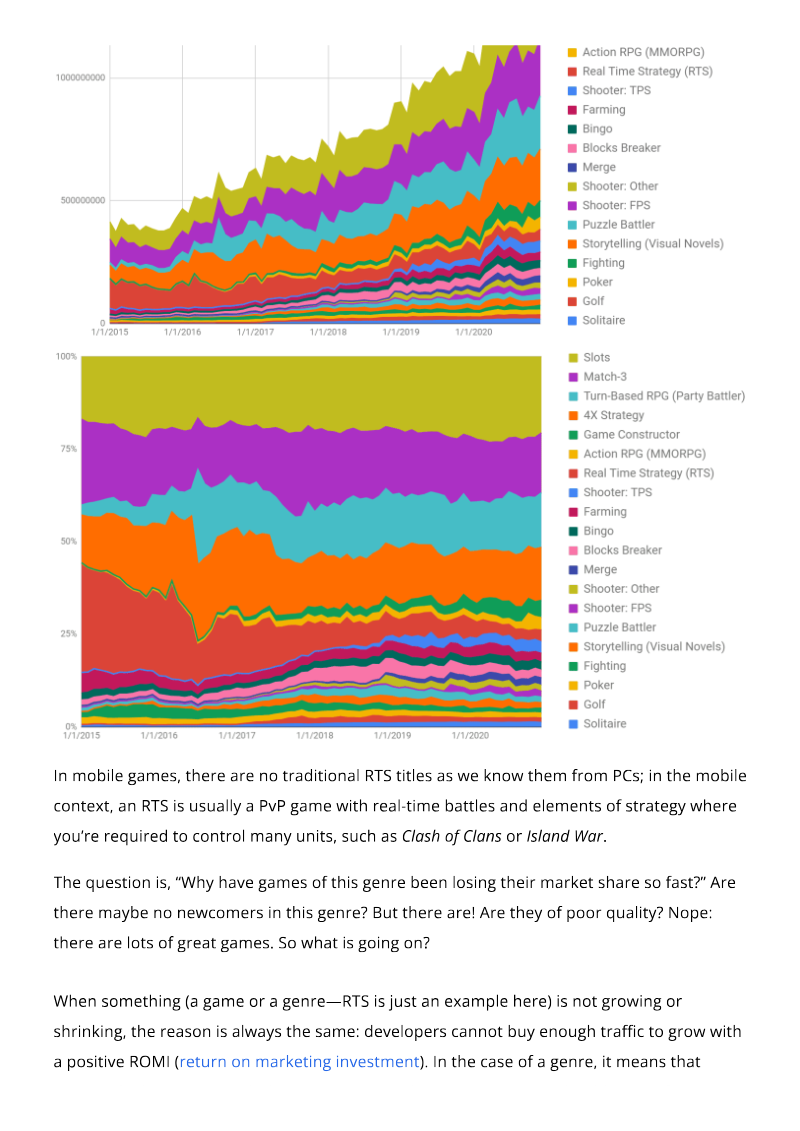
Market viability depends on acquiring users with a positive return on investment.
Organic growth is rare and unreliable in the mobile game market. The ability to acquire users at a positive return on marketing investment primarily determines market viability.
Avoiding Pitfalls
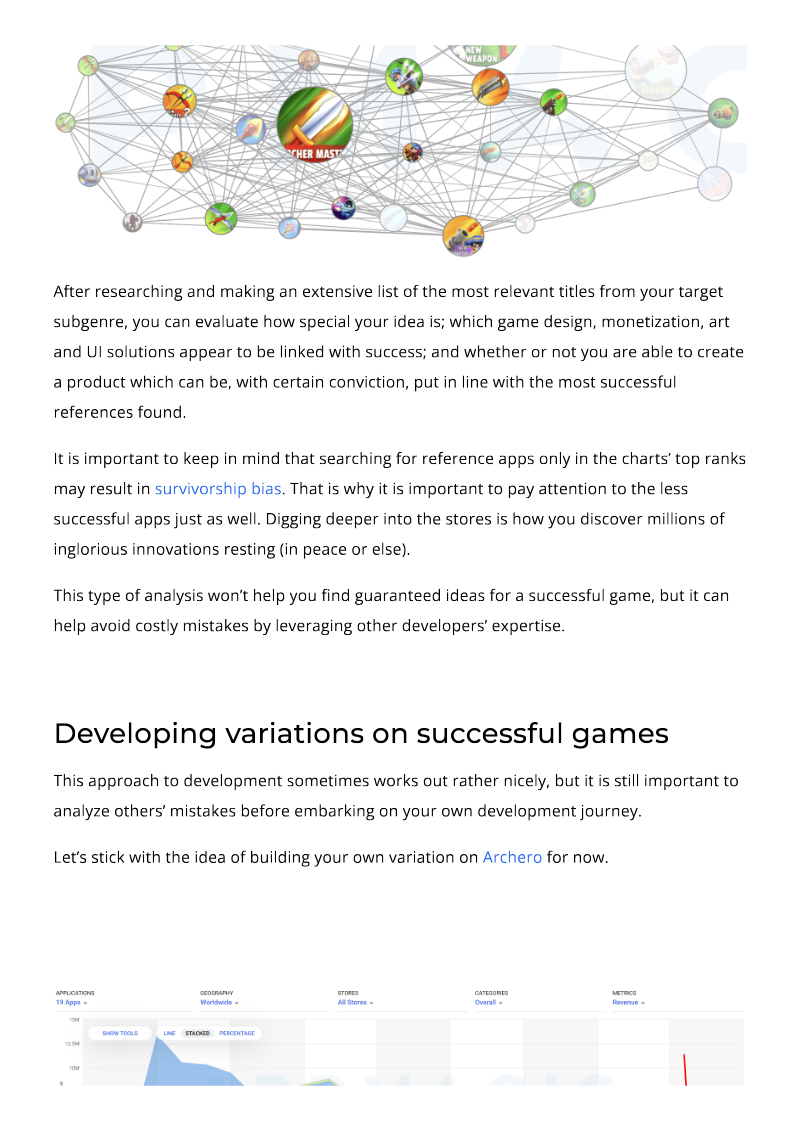
Developers should analyze both successful and unsuccessful titles to avoid survivorship bias.
Analyzing both top-performing and less successful apps helps identify if a segment is saturated, declining, or unprofitable.
Innovation Focus
Innovative monetization and retention strategies are more critical than simple gameplay iterations.
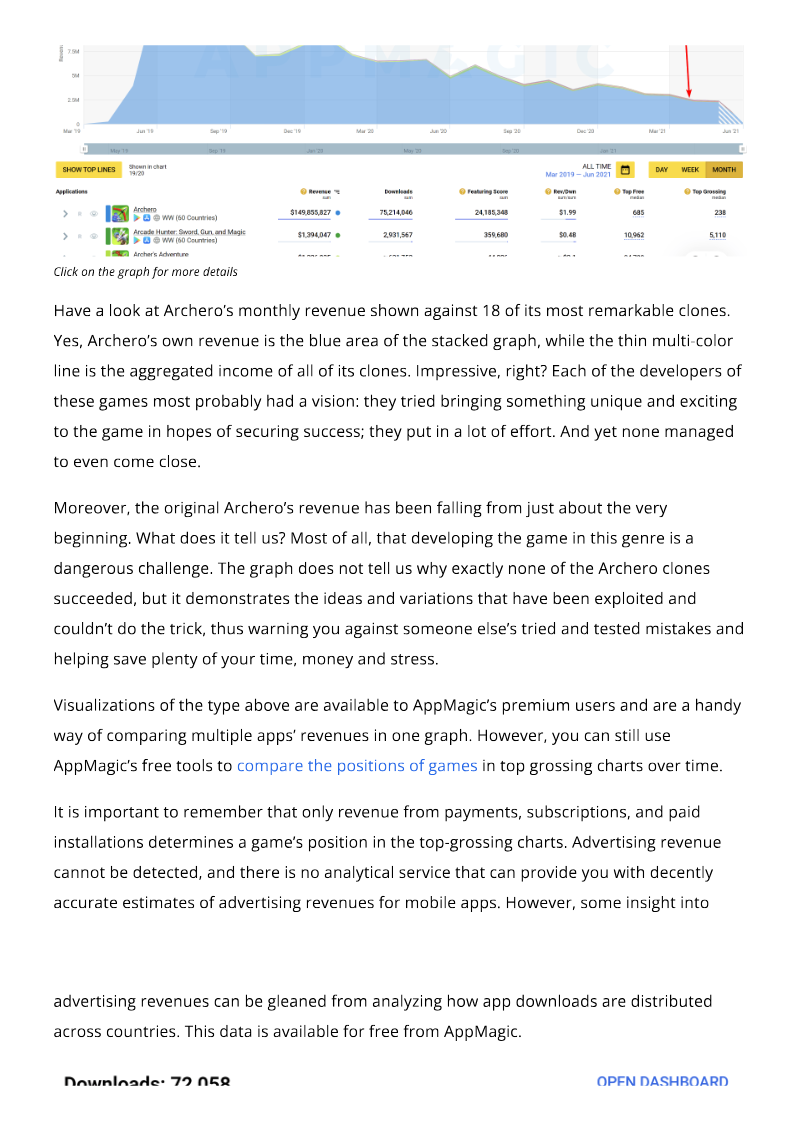
High-effort clones of successful games often struggle to gain traction.
Expertise Gap
Teams lacking user acquisition expertise should partner with experienced publishers or agencies.
Partnering with experienced publishers or agencies is recommended for teams lacking internal expertise in user acquisition. This helps navigate the competitive landscape effectively.

1 / 5
Ask AI about this report