Key insights
4 slides
The timeline
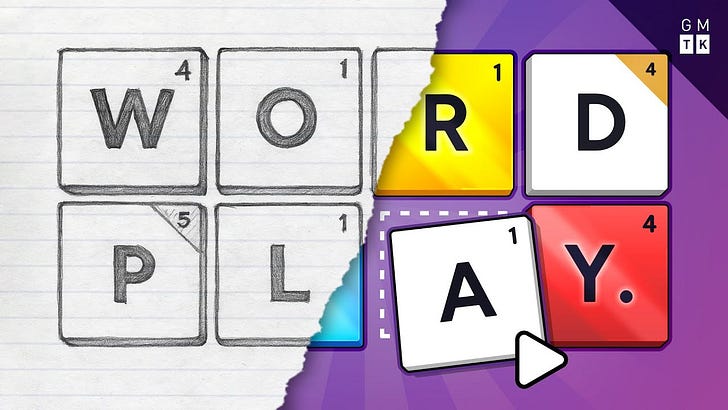
Word Play moved from game jam concept to Steam release in seven months.
The project began in December 2024 following a game jam. It reached a full Steam release in seven months.
seven months
Time from game jam concept to full Steam release
What changed
Core spelling mechanics were established before adding roguelike systems.
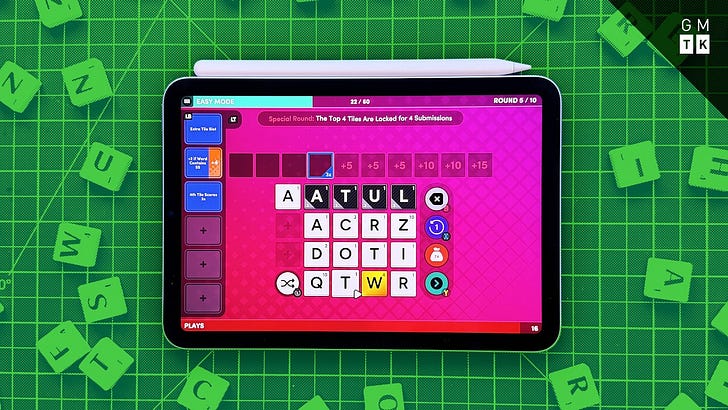
The team focused on core spelling mechanics first to ensure a solid foundation. Subsequent months focused on layering roguelike elements, such as shops and passive perks.
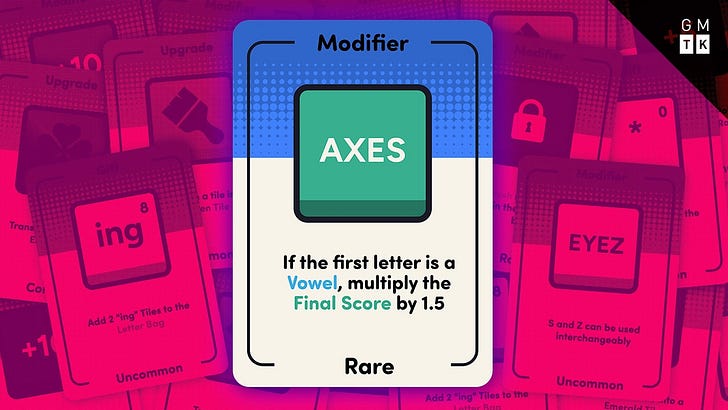
Build order. The project started with core spelling mechanics before scaling to include 160 unique roguelike modifiers.
Key milestone
The May 2025 demo attracted 20,000 players in its first week.
A successful demo launch in May 2025 attracted 20,000 players in its first week. This was followed by extensive quality assurance testing with community members.
How it worked
Community feedback and professional insights refined the game during the compressed timeline.
Feedback loops utilized community playtesting via Discord and professional insights gathered at the Game Developers Conference. This helped refine the game during the compressed timeline.
1 / 4
Ask AI about this report