Loading the document
1 free read left. Create a free account for unlimited reading + AI research.
Create free accountArticle DiGRA
1 free read left. Create a free account for unlimited reading + AI research.
Create free accountArticleDiGRA
The organization's demographic skew creates significant economic and social obstacles for marginalized groups.
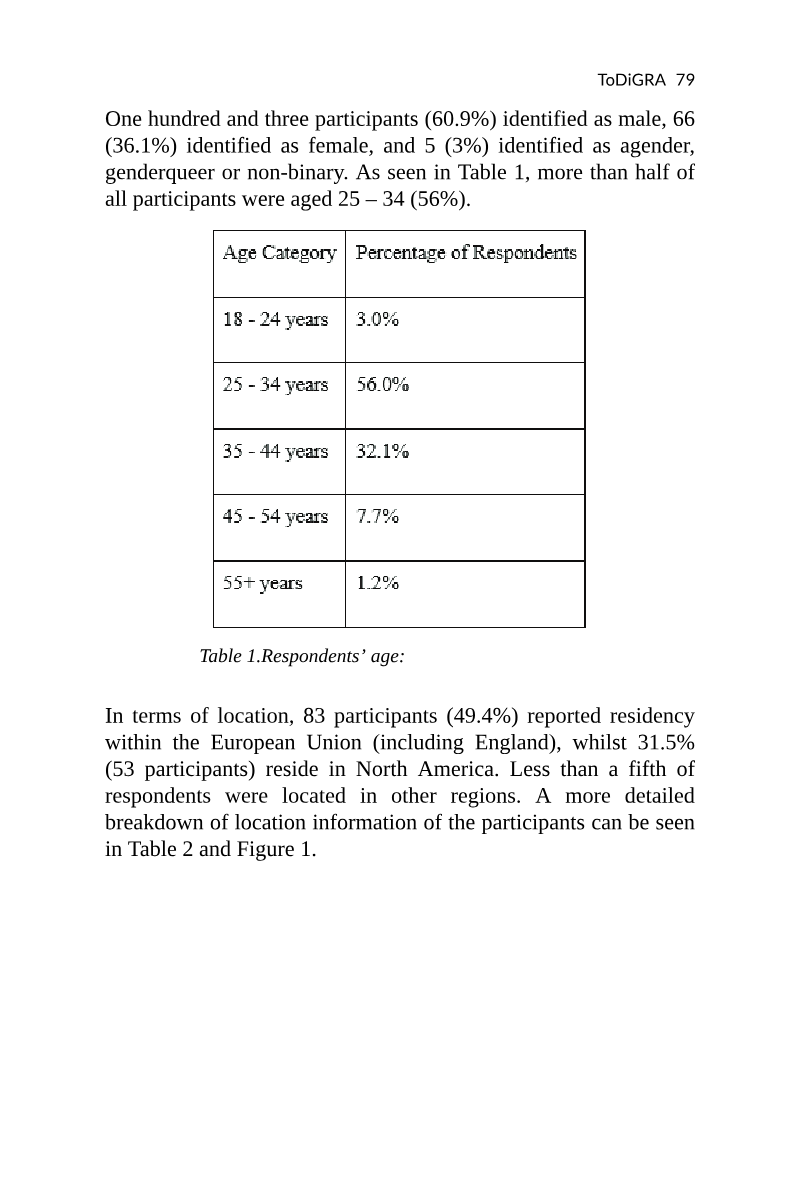
Demographic reality. The organization’s membership is demographically skewed, consisting primarily of young, male researchers concentrated in North America and Northwestern Europe.
The Digital Games Research Association (DiGRA) faces a critical need to dismantle systemic barriers that perpetuate Eurocentric and masculine hierarchies within its academic community. A 2016 survey of 174 members reveals that the organization is predominantly composed of young, male researchers based in North America and Northwestern Europe. This demographic concentration creates significant economic and social obstacles for marginalized groups, particularly women, genderqueer individuals, and early-career scholars who lack the institutional support or financial resources necessary to participate fully in the field.
Harassment remains a pervasive concern, with nearly 64 percent of surveyed members expressing fear regarding their safety at events, while nearly half advocate for more formal mechanisms of recourse. These safety issues are compounded by broader structural inequities, including wage gaps and exclusionary academic practices that limit the mobility and influence of underrepresented researchers. The current landscape suggests that diversity initiatives have often remained symbolic, failing to address the material realities that prevent equitable access to the organization’s events and leadership roles.
To foster a more inclusive environment, the association must transition from superficial gestures toward concrete, policy-driven reforms. Proposed interventions include the appointment of dedicated welfare officers and ombudspersons, the implementation of sliding-scale conference fees to alleviate financial burdens, and the adoption of more inclusive technological and geographic hosting strategies. Achieving institutional diversity is an iterative process that requires ongoing reflection and a commitment to structural change. By prioritizing these reforms, the organization can mitigate historical discrimination and improve the overall robustness and intellectual diversity of the game studies discipline.
Each row is a game or company this document names, each column a document, oldest first. A mark means that document names it. Select a row to see those documents.

DiGRA · 2026

DiGRA · 2026



DiGRA · 2026



DiGRA · 2026



DiGRA · 2026



DiGRA · 2026



DiGRA · 2026



DiGRA · 2026



DiGRA · 2026

DiGRA · 2026



DiGRA · 2026



DiGRA · 2026
DiGRA · 2026