The guide aims to clarify the tax framework that applies to video‑game developers, publishers and related service providers operating in Spain, outlining both mandatory obligations and available fiscal incentives. It serves as a practical reference for resident legal entities, self‑employed professionals and non‑resident firms that generate income in the Spanish market, helping them meet compliance deadlines while exploiting deductions that can significantly lower the effective tax burden.
Key obligations are mapped to the principal Spanish taxes: corporate income tax (IS) at a standard 25 % rate, personal income tax (IRPF) ranging from 19 % to 47 % for individuals, value‑added tax (IVA) generally set at 21 %, the economic activities tax (IAE) with fixed tariffs and exemptions for the first two years or turnover below €1 million, and withholding obligations on salaries and payments to non‑resident contractors. Filing deadlines are detailed for each model form (e.g., Model 200/210 for IS, Model 303/390 for IVA, Model 111/190 for IRPF withholdings) and the guide notes the possibility of fiscal consolidation for groups of related companies.
The most valuable incentives for the sector include a 12 % deduction on qualifying research, development and innovation (R&D +i) expenses, which can rise to 45 % for projects carried out in the Canary Islands, and a patent‑box regime that reduces taxable income from intangible assets such as patents and advanced software. The 2022 Spanish Video‑Game Development White Paper underpins the emphasis on genuine technological advancement. Start‑up companies meeting ENISA criteria benefit from a reduced corporate rate of 15 % for four years, exemption from advance payments, and deferred tax liabilities. Small and medium‑sized entities with turnover under €10 million can also apply accelerated depreciation, enhanced lease deductibility and loss‑carry‑forward mechanisms.
Operational guidance covers the procedural steps required to register for a tax identification number, declare activity commencement or cessation, and submit electronic filings via the Agencia Tributaria’s portal using a digital certificate. Complementary tools include a searchable tax‑question database, an annually updated taxpayer calendar, virtual assistance services for the main tax types, and a dedicated helpline. Together, these resources aim to streamline compliance, reduce administrative risk and enable video‑game firms to maximize the fiscal advantages embedded in Spanish law.
AEVI · 2025

AEVI · 2025
AEVI · 2025
AEVI · 2025
AEVI · 2025

AEVI · 2025

AEVI · 2025
AEVI · 2025

AEVI · 2025

AEVI · 2025

AEVI · 2025

AEVI · 2025

Direcció General d’Innovació i Cultura Digital · 2025
Ten Square Games · 2025

11 bit studios · 2024
PCF Group · 2024

11 bit studios · 2024

DEV · 2023
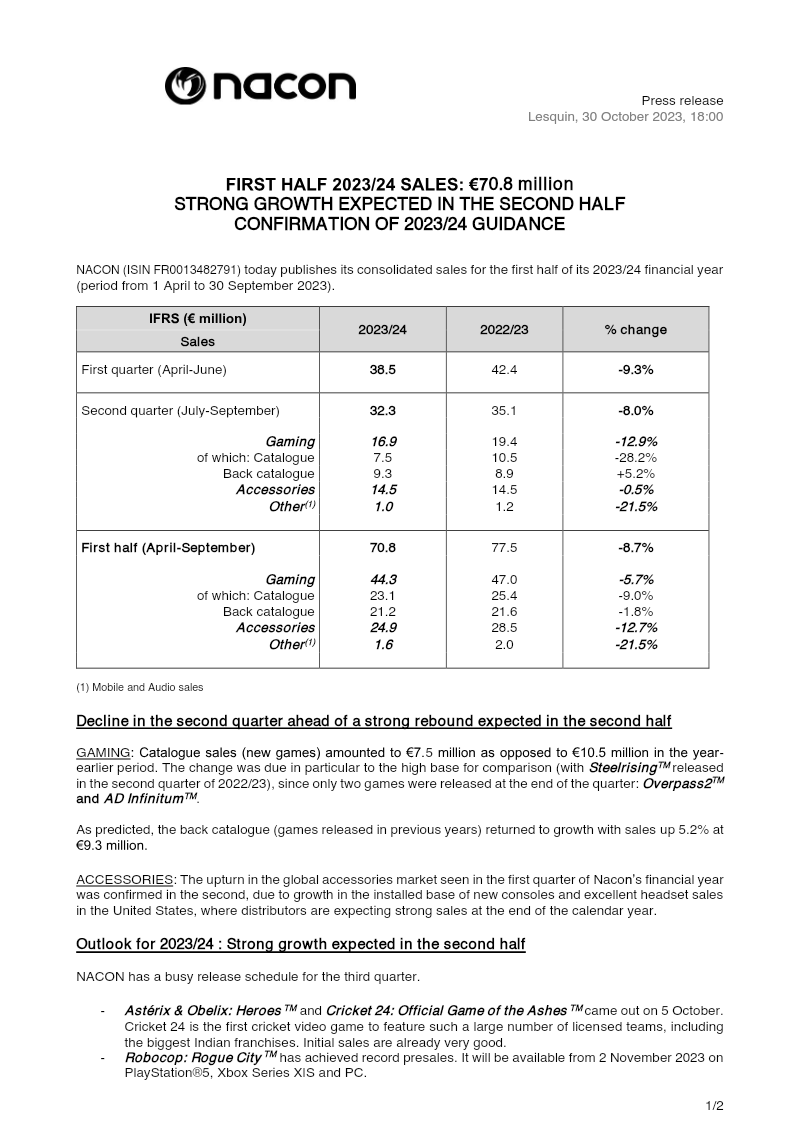
Nacon · 2023
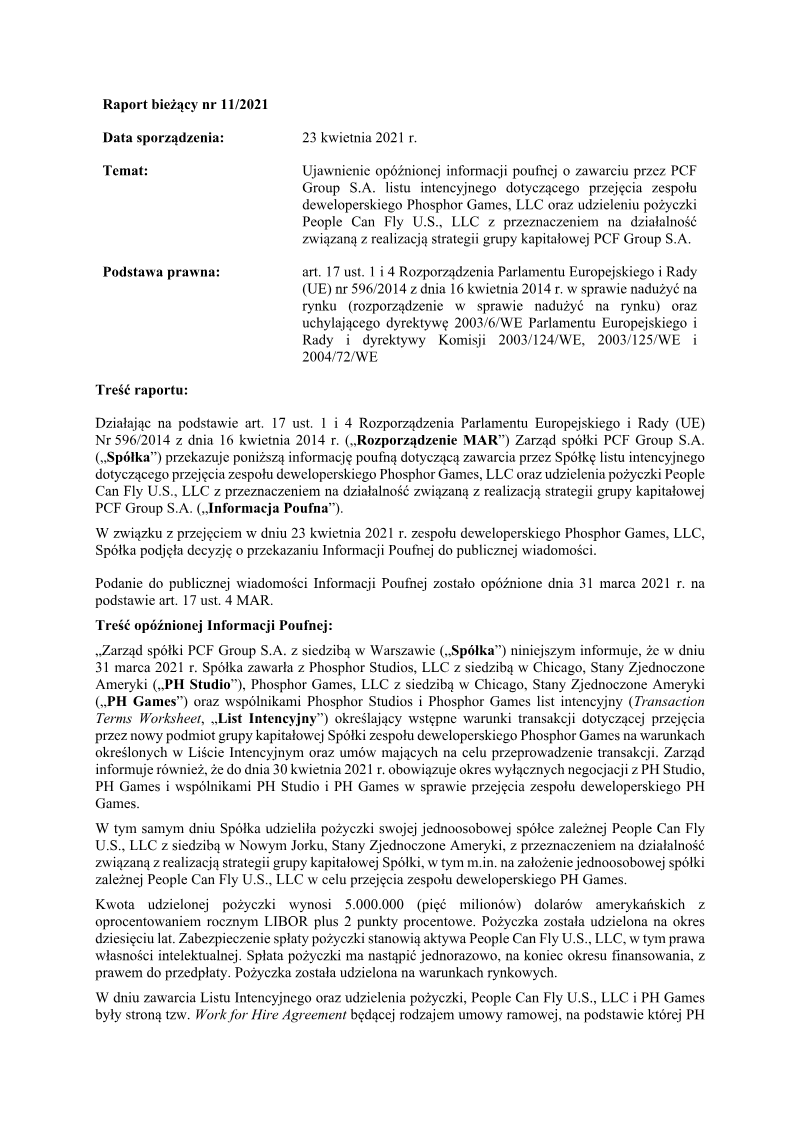
PCF Group · 2021
DEV – Asociacion Espanola de Empresas Productoras y Desarrolladoras de Videojuegos · 2018
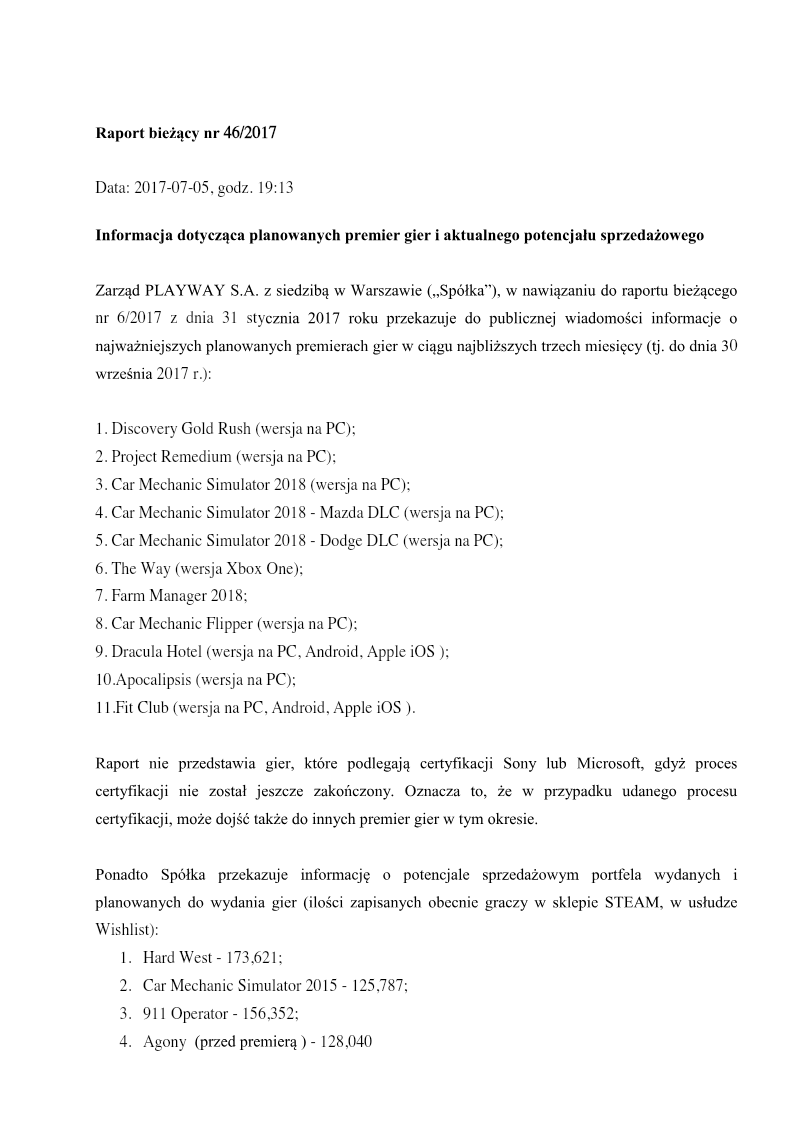
PlayWay · 2017
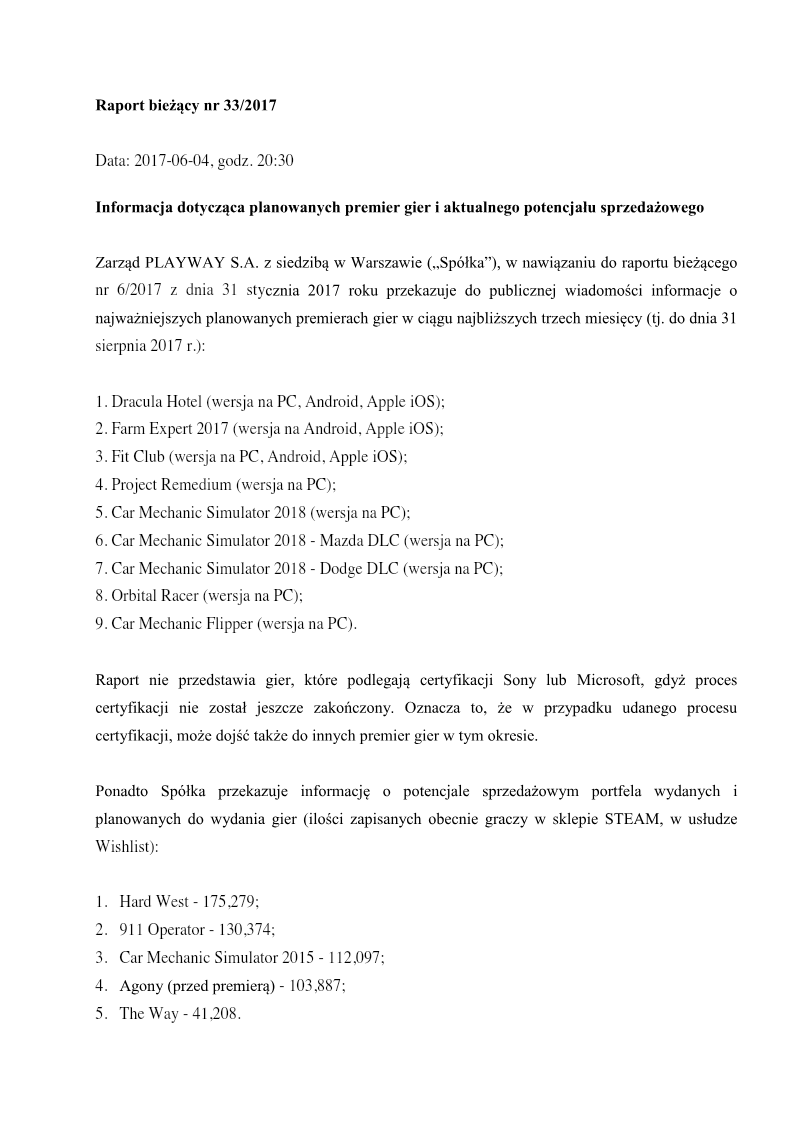
PlayWay · 2017
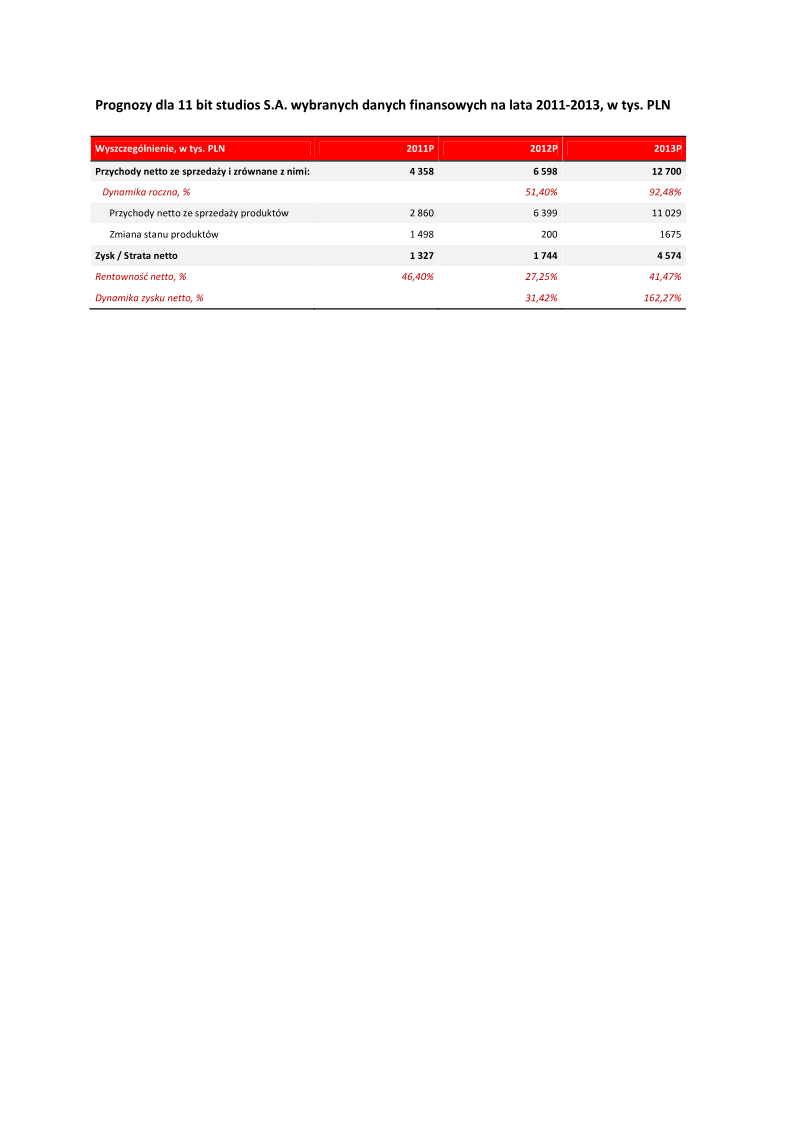
11 bit studios