
ArticleGamesIndustry.biz
Over 26% of European Game Professionals Were Laid Off in the Past Year: A Employment Analysis
21 Oct 20251 pages~10 min full read
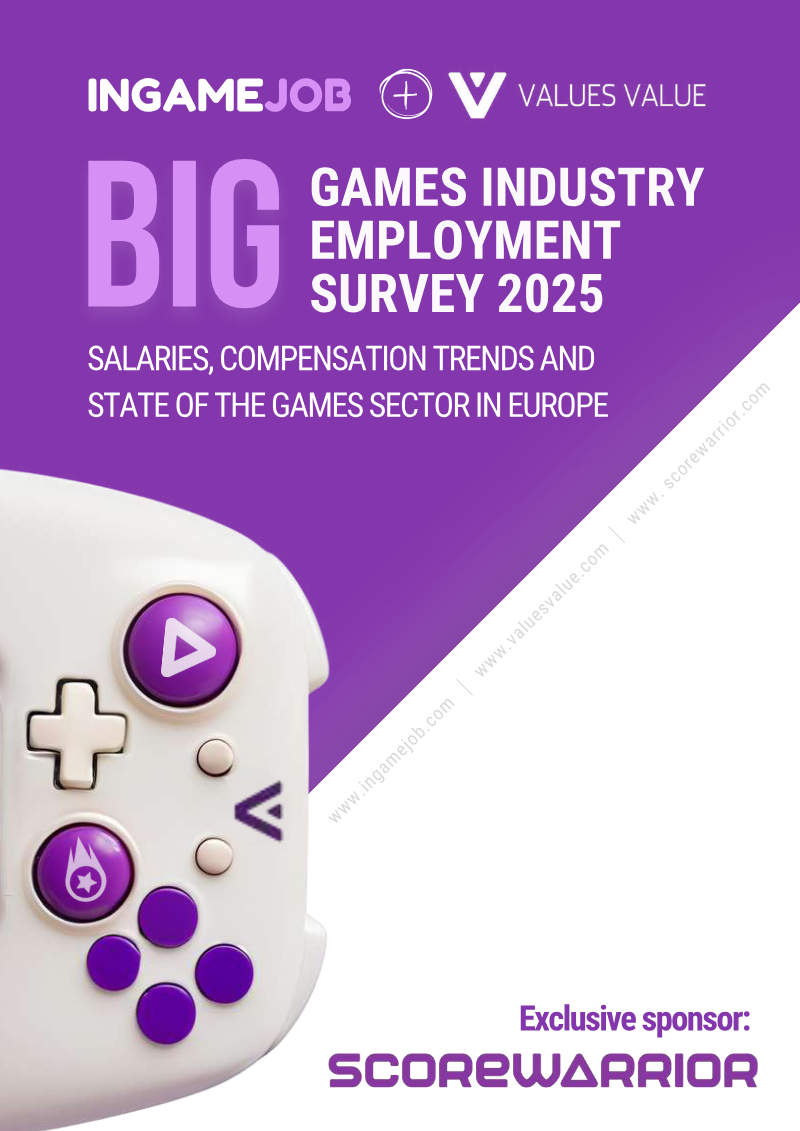
The Big Games Industry Employment Survey, conducted between March and June 2025, provides a comprehensive analysis of the labor market within the European gaming sector. With 1,650 respondents across 85 countries, the research highlights a period of significant instability, revealing that over 26% of industry professionals experienced layoffs during the 2024–2025 period. The findings indicate that creative roles, including game designers, artists, and QA specialists, were the most heavily impacted, while those in management and analytics reported higher levels of job security.
The data underscores a challenging environment for job seekers, as 10.4% of those laid off remain unemployed, and many professionals report that finding new roles now takes significantly longer. This instability has led to a 13% industry exit rate, with junior-level staff particularly affected, as 39% of that demographic left the field within the past year. Furthermore, salary has emerged as the primary motivator for job seekers, replacing previous priorities like project excitement or professional growth. This shift is compounded by reports of stagnant wages and, in some technical roles, a decline in compensation due to a scarcity of open positions.
Beyond employment metrics, the survey identifies persistent structural issues, including a gender pay gap and a notable decline in diversity and inclusion initiatives, with 67% more companies lacking dedicated D&I specialists compared to 2023. Conversely, the adoption of artificial intelligence has doubled, with a majority of developers now viewing the technology as a practical tool rather than a threat. Ultimately, the industry is characterized by widespread fatigue, diminished employee engagement, and a growing sense of insecurity driven by perceived lack of transparency from leadership.

GamesIndustry.biz · 2026

GamesIndustry.biz · 2025

GamesIndustry.biz · 2025
GamesIndustry.biz · 2024

GamesIndustry.biz · 2024

GamesIndustry.biz · 2024

GamesIndustry.biz · 2024

GamesIndustry.biz · 2024

GamesIndustry.biz · 2024

GamesIndustry.biz · 2024

GamesIndustry.biz · 2024

GamesIndustry.biz · 2024
8Bit · 2026

Ukie · 2025

Direcció General d’Innovació i Cultura Digital · 2025
InGameJob · 2025
Polish Agency for Enterprise Development · 2025
PGDA – Pioneers of Game Development Austria · 2024
Austrian Professional Association of Management Consultancy · 2024

European Games Developer Federation · 2016
Values Value · 2026
PCF Group · 2025
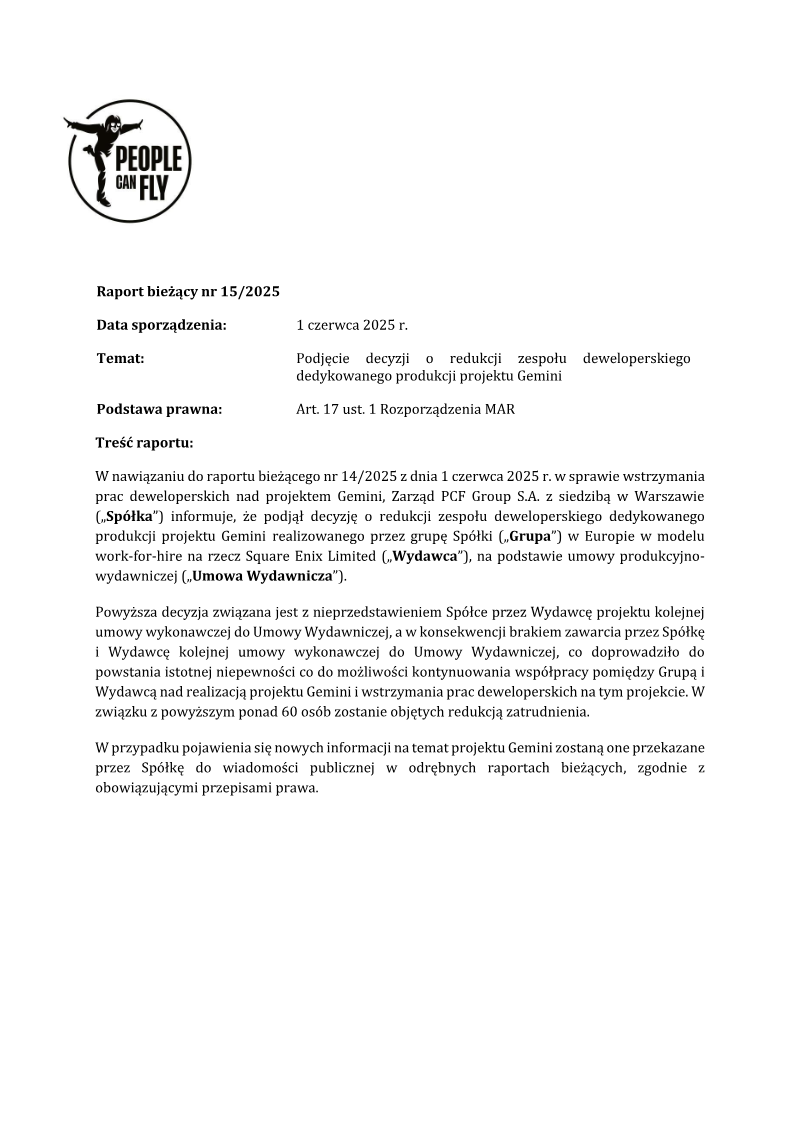
PCF Group · 2025

Departement Cultuur · 2025