1 free read left. Create a free account for unlimited reading + AI research.
Create free accountWhitepaper DiGRA
1 free read left. Create a free account for unlimited reading + AI research.
Create free accountWhitepaperDiGRA
The paper argues that FPS play produces a double erasure of the body, affecting both the physical player and the avatar.
This paper, presented at the 2005 DiGRA conference, argues that playing first-person shooters (FPS) produces a double erasure of the body: the player's physical body recedes from awareness, and the virtual avatar also becomes invisible because the first-person perspective and fast pace keep attention fixed on actions rather than on the character performing them. Drawing on phenomenological work by Drew Leder and social theory by Randy Martin, the author proposes that FPS play leaves only the mind foregrounded, reinforcing a Cartesian mind/body split and naturalizing the disappearance of the body from everyday social life.
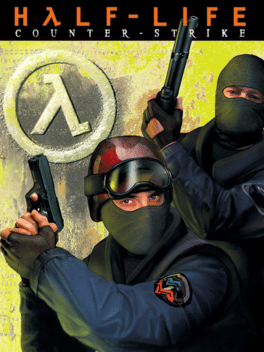
The analysis is ethnographically informed and semiotic in approach, grounded in the author's observations at an 80-plus person overnight LAN gathering at Indiana University in November 2003, where players used titles such as Counter-Strike, Desert Combat, and Unreal Tournament. The author observes that players rarely referred to their avatars in conversation, speaking instead about actions and outcomes. Rather than offering quantitative data or a survey sample, the paper relies on interpretive reading of this scene alongside theoretical frameworks, with a narrow scope focused on FPS games and Western, English-language academic traditions.
A central contribution is the distinction between the Korper (physical body) and the Leib (lived body), which the author uses to argue that FPS play creates two separated bodies, with lived experience located in the virtual avatar while physical existence remains in the chair. The paper further connects this to Martin's argument that modern labor and leisure increasingly reduce embodiment to hands and fingers at a screen, noting that the author's own work and play share this posture. The conclusion calls for ongoing reevaluation of mind/body effects as new entertainment forms emerge.
Each row is a game or company this document names, each column a document, oldest first. A mark means that document names it. Select a row to see those documents.
DiGRA · 2016
DiGRA · 2016
DiGRA · 2016
DiGRA · 2016
DiGRA · 2016
DiGRA · 2016
DiGRA · 2016
DiGRA · 2016
DiGRA · 2016
DiGRA · 2015
DiGRA · 2015
DiGRA · 2015
DiGRA · 2011