1 free read left. Create a free account for unlimited reading + AI research.
Create free accountWhitepaper DiGRA
1 free read left. Create a free account for unlimited reading + AI research.
Create free accountWhitepaperDiGRA
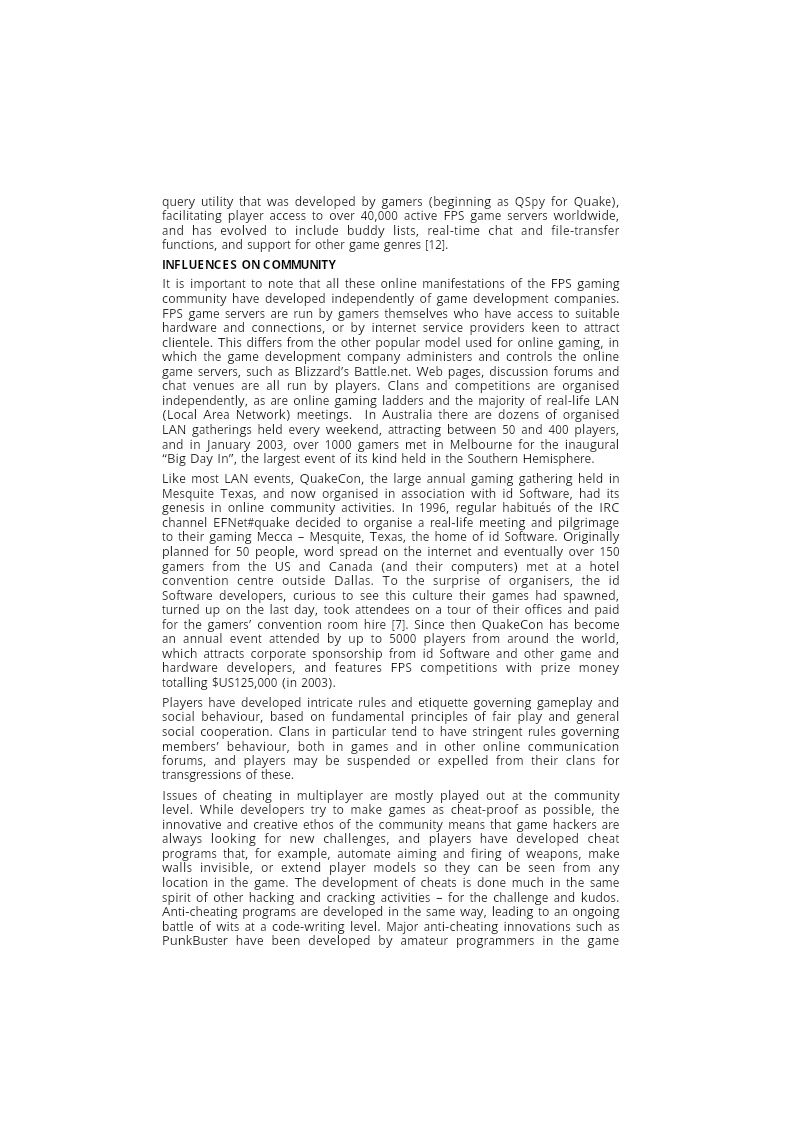
The paper argues that games such as Quake, Half-Life and Counter-Strike are produced through the combined input of developers and players, not by either alone.
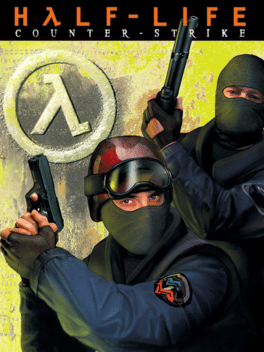
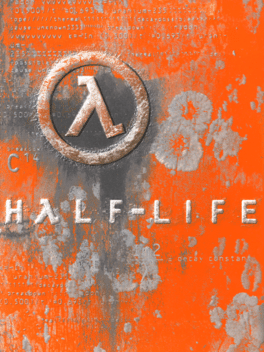
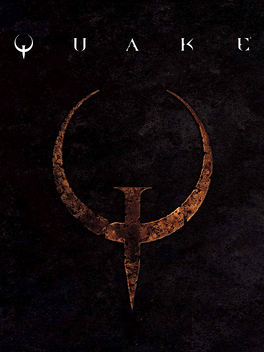
Sue Morris's paper examines multiplayer first-person shooter (FPS) games such as Quake, Half-Life, and Counter-Strike as "co-creative media," arguing that these games are not produced solely by developers or solely by players, but through the combined input of both. The central thesis is that the online FPS scene shapes and is shaped by technology, culture, community formation, and models of software development and distribution, going beyond the idea of participatory media found in fan studies.
The paper traces the history of the genre from Wolfenstein 3-D (1992) and Doom (1993), whose source-code release and multiplayer capabilities enabled a durable mod scene, through later titles and the rise of team-based play. It documents the community's infrastructure, including IRC, GameSpy, clan and league sites, and the QuakeCon and LAN gatherings, many of which developed independently of publishers. Key figures and data points include an estimated 100,000 concurrent FPS players at peak, Counter-Strike's 60,000 to 80,000 concurrent players with over 20,000 servers, and a 1999 email survey of Quake II players in which 83% had completed some creative project related to the game.
The author also highlights how player contributions have influenced development: early public betas and leaked alphas generated bug reports and patches, anti-cheat tools such as PunkBuster were developed by volunteers and later adopted by publishers, and mod authors such as the creators of ThreeWave CTF and Counter-Strike were hired or commercially acquired. The discussion acknowledges tensions, since a long-lived community game can reduce sales of new titles. The evidence is largely qualitative, drawing on interviews, community documentation, press coverage, and the author's own survey, with the scope centred on the English-language and especially Australian and North American FPS communities from the mid-1990s to about 2003.
DiGRA · 2003