ArticleShannon Liao
Gaming Is Literally Everywhere These Days, but the Industry Is Still Troubled
1 Mar 20251 pages~7 min full read
The gaming industry currently occupies a pervasive position in global culture, yet it remains characterized by significant internal instability and labor-related friction. While gaming symbols and intellectual properties have successfully permeated mainstream sectors—ranging from high-fashion collaborations to political discourse—the underlying business environment is marked by corporate restructuring and contentious labor relations.
Key industry developments highlight this dichotomy. Despite the commercial success of titles like Marvel Rivals, which has surpassed 20 million players, the industry continues to see unexpected layoffs, potentially driven by shifting geopolitical tensions and corporate operational priorities. Simultaneously, labor activism remains a critical issue, exemplified by ongoing protests at major publishers like Activision regarding the termination of union-affiliated employees. These events underscore a growing disconnect between the massive reach of gaming products and the stability of the workforce responsible for their creation.
Beyond labor and corporate concerns, the industry is increasingly intersecting with broader lifestyle and cultural spheres. High-profile partnerships between gaming franchises and luxury beauty brands, as well as the integration of gaming into professional sports and entertainment media, demonstrate the medium's expanding influence. However, the appropriation of gaming iconography in volatile real-world political contexts suggests that these symbols are evolving beyond their original creative intent. As the industry approaches major events like the Game Developers Conference, these trends indicate a sector that is culturally ubiquitous but operationally and socially unsettled.
Shannon Liao · 2026
Shannon Liao · 2026
Shannon Liao · 2026
Shannon Liao · 2026
Shannon Liao · 2026
Shannon Liao · 2026
Shannon Liao · 2026
Shannon Liao · 2026
Shannon Liao · 2026
Shannon Liao · 2025
Shannon Liao · 2025
Shannon Liao · 2025
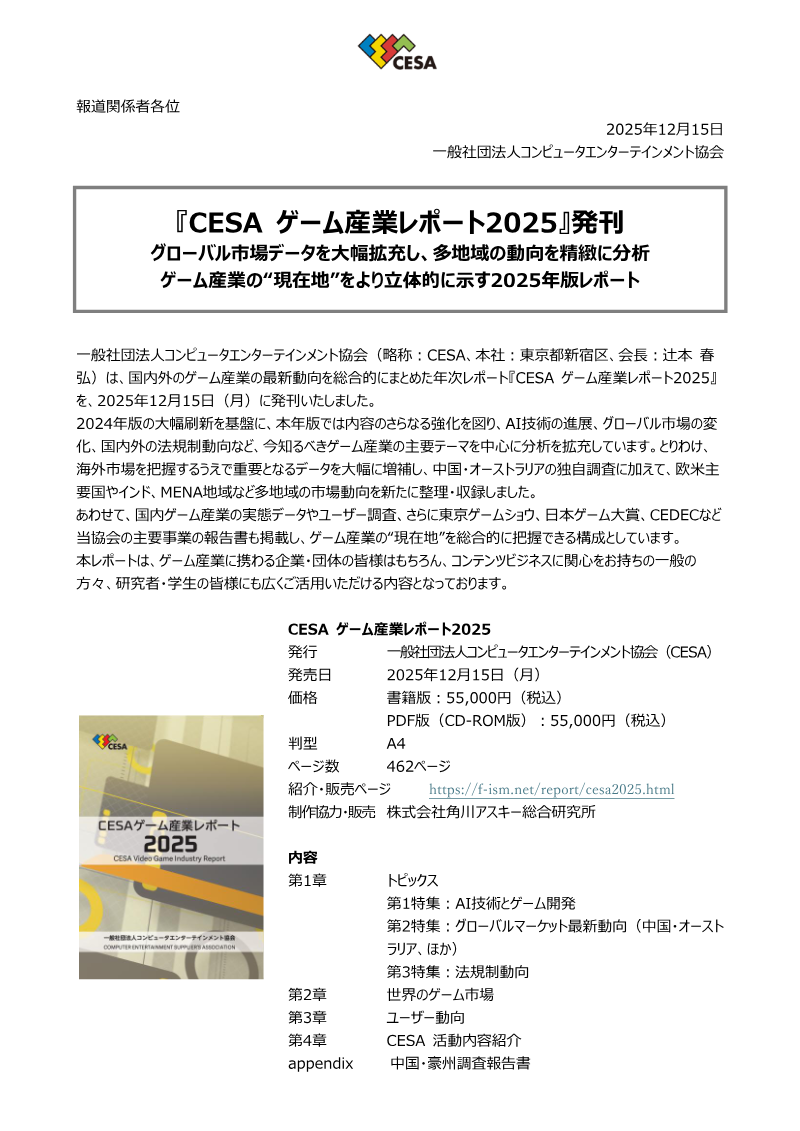
CESA – Computer Entertainment Supplier's Association · 2025
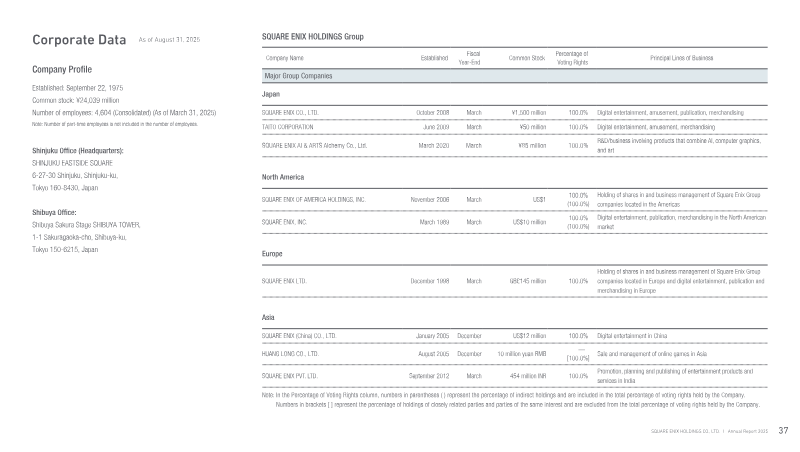
Square Enix · 2025
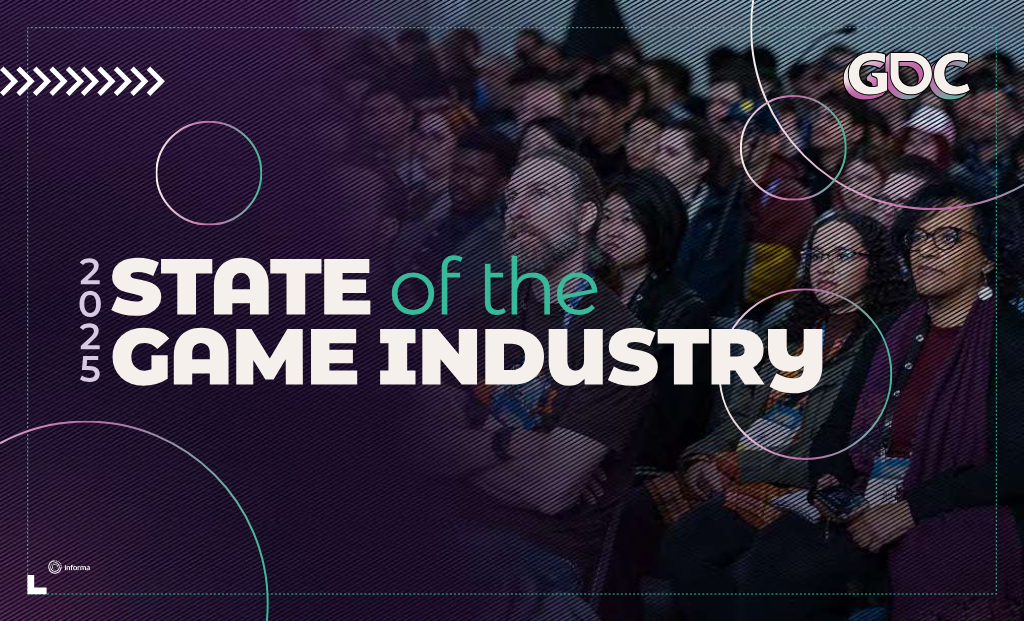
GDC · 2025
Konvoy · 2025
Duamentes Gaming · 2025
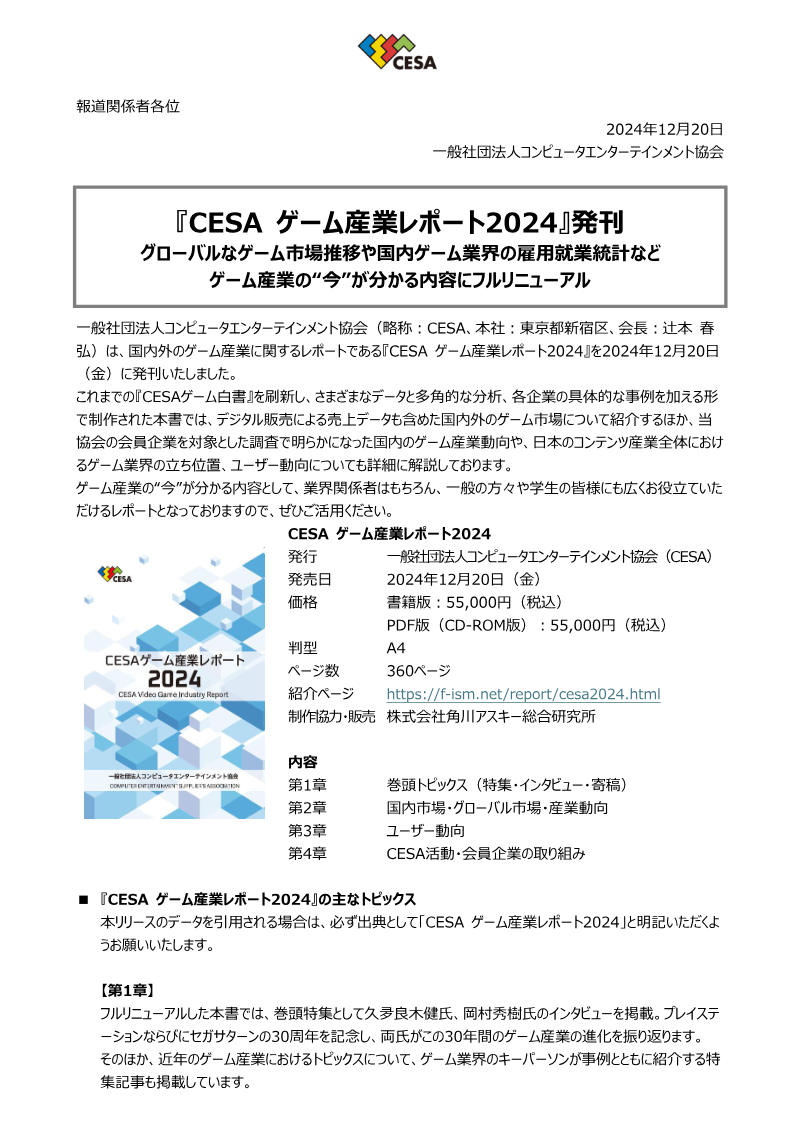
一般社団法人コンピュータエンターテインメント協会 (Computer Entertainment Supplier’s Association) · 2024
Informa · 2024
International Game Developers' Association · 2024
Koei Tecmo · 2024
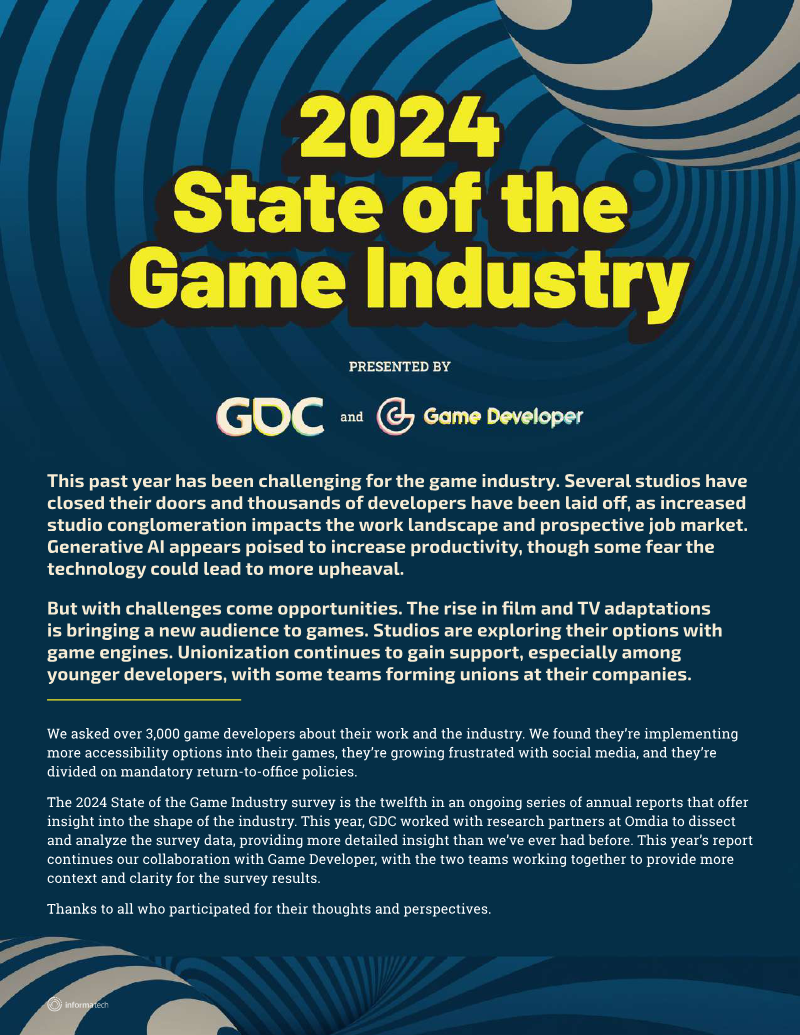
Game Developers Conference · 2024
80 Level · 2024
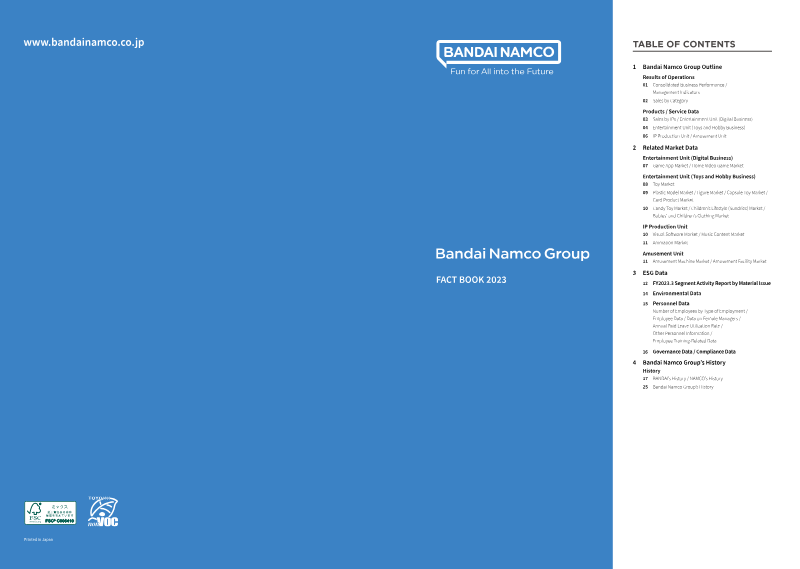
Bandai Namco · 2023