1 free read left. Create a free account for unlimited reading + AI research.
Create free accountReport ETC Press
1 free read left. Create a free account for unlimited reading + AI research.
Create free accountReportETC Press

The 2017 proceedings were published by ETC Press at Carnegie Mellon University and edited by Amanda Barany, Stefan Slater, and Constance Steinkuehler. The chair's letter marks the close of the series after this twelfth year.
The GLS 12 (2017) Conference Proceedings, published by ETC Press at Carnegie Mellon University and edited by Amanda Barany, Stefan Slater, and Constance Steinkuehler, gathers research, design work, and reflective commentary on game-based learning (GBL) and digital games for education. The volume is organized into full papers, symposia, workshops, "Well Played" presentations, and a showcase, and its contributions span elementary through adult learners across the United States, Nigeria, Taiwan, Guatemala, and other settings. Its chair's letter marks the end of the GLS conference series after this twelfth year, while calling attention to persistent challenges in assessment, access to game-making, and equity.
Much of the empirical work is small-scale and exploratory, and the authors generally say so. Log-data studies of a block-based coding game with fifth graders linked challenge-approach behaviors to posttest learning, and girls showed greater persistence without corresponding gains in test scores. Work on the RumbleBlocks physics game found that contrast-case designs produced out-of-game transfer that a standard version did not, leading the authors to argue that in-game metrics such as level success can overstate real learning. Eye-tracking, Fitbit-based activity analysis, and a Starchitect astronomy game with over 35,000 players provide further evidence, while several design-based studies (Land Science, Mission HydroSci, Blind Protocol, a Triangle Shirtwaist Factory history game) offer proposed principles that the authors describe as preliminary rather than experimentally proven.
Across the volume, a recurring theme is that educational effectiveness depends on how games are framed, structured, and measured. Contributions argue that player perception shapes engagement, that avatar design and choice structure matter, that transfer must be tested directly, and that research projects need attention to sustainability and scalability. The proceedings close with panels and workshops on early childhood games, teacher dashboards, inclusive conference practices, and design research, reflecting a field that the editors characterize as still developing its methods and evidence base.
ETC Press · 2023
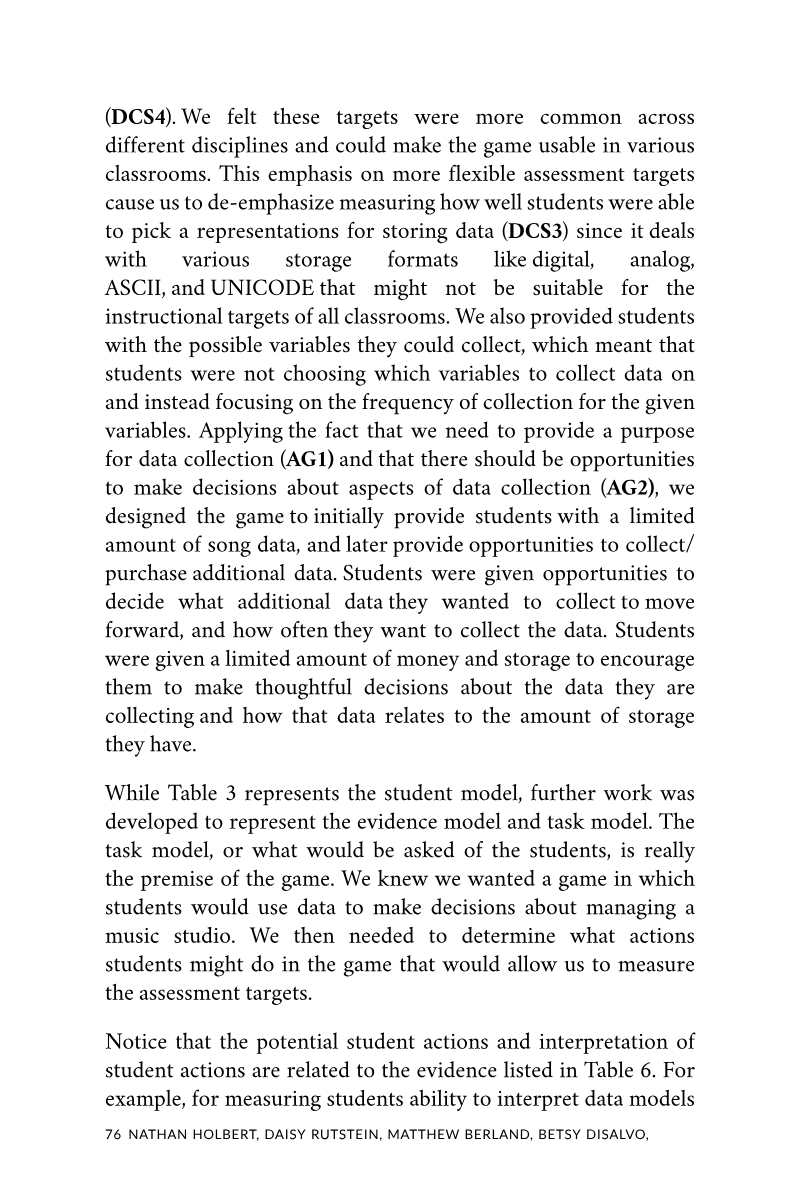
ETC Press · 2022
ETC Press · 2022
ETC Press · 2021

ETC Press · 2021
ETC Press · 2021
ETC Press · 2020


ETC Press · 2020

ETC Press · 2020

ETC Press · 2020
ETC Press · 2020
ETC Press · 2020



European Conference on Games Based Learning (ECGBL) · 2026



European Conference on Games Based Learning (ECGBL) · 2026
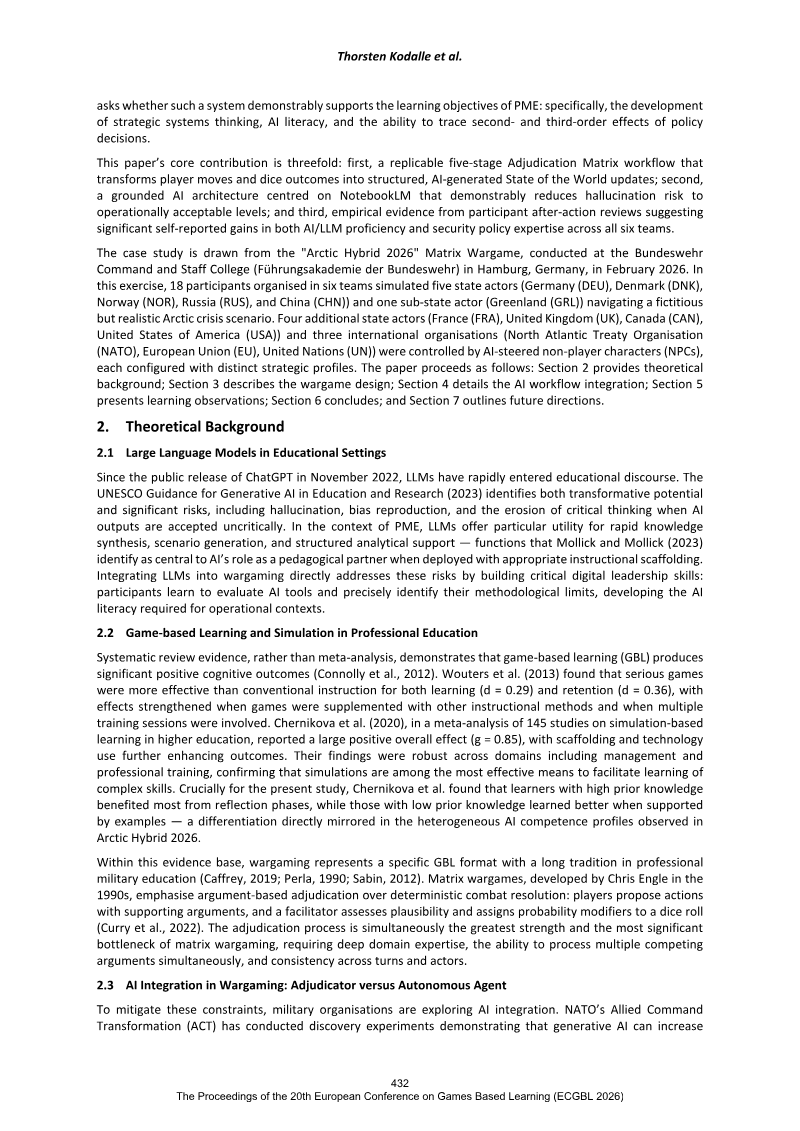
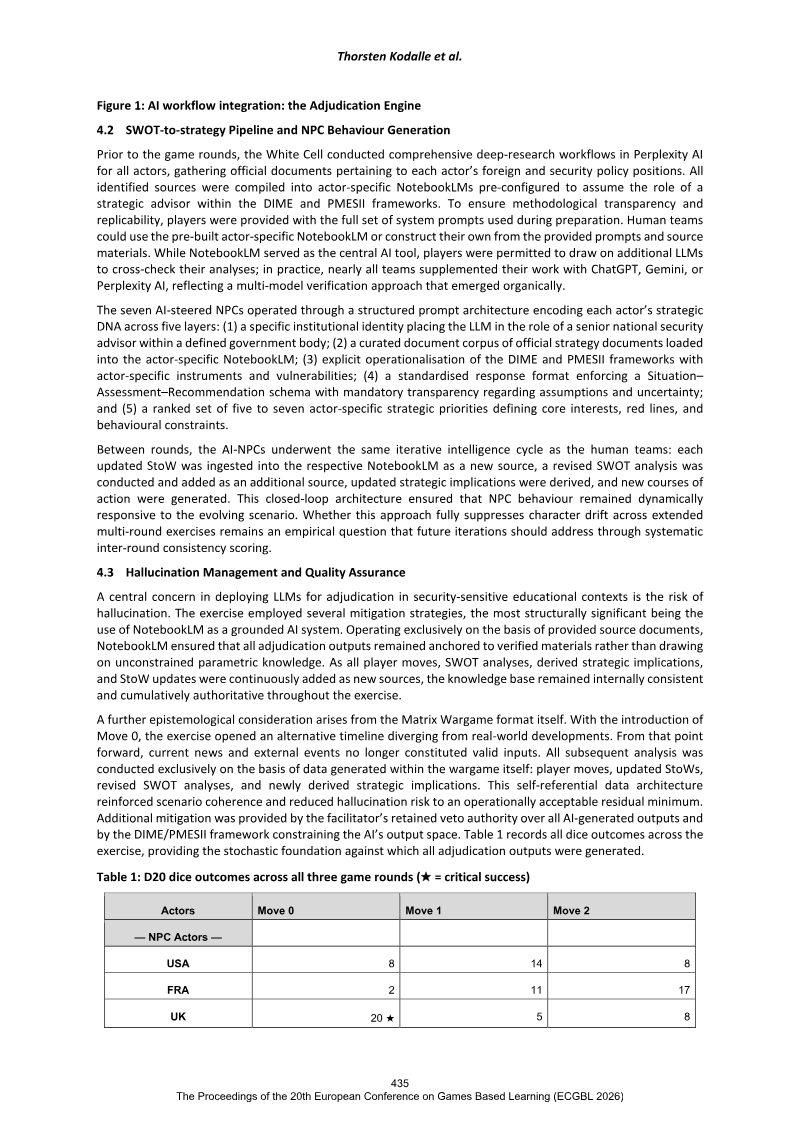
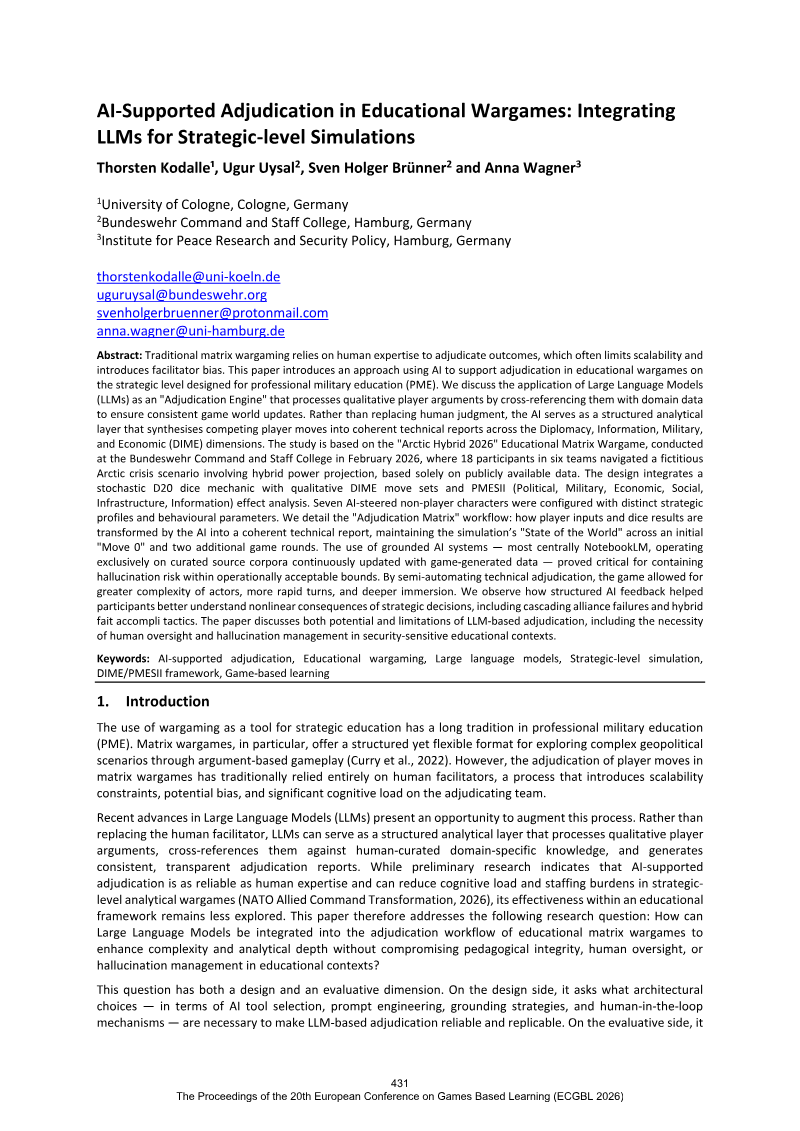
European Conference on Games Based Learning (ECGBL) · 2026
























Comments