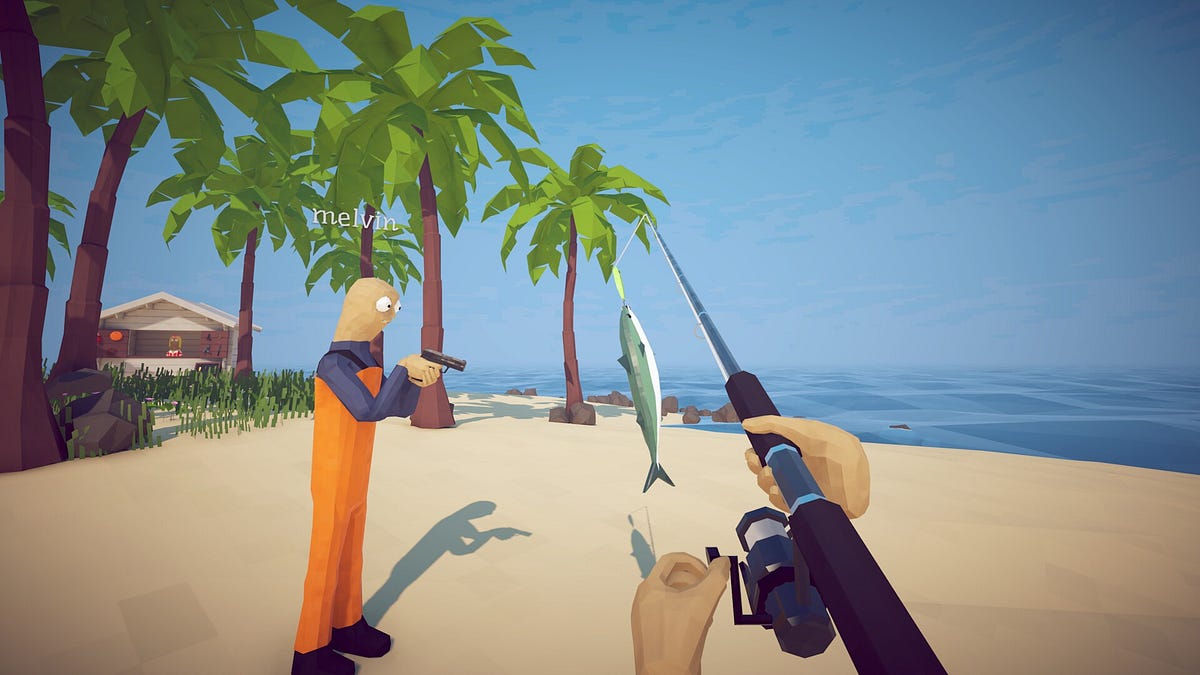
Digital Confectioners achieved over one million sales for 'Dread Hunger' by targeting the established social-deduction niche with a high-fidelity, AAA-style survival experience.
The game sustained high player engagement with an average session length of 30 hours, supported by an iterative, GaaS-style update cycle driven by community feedback.
Rapid commercial success in China was achieved without a local publishing partner by prioritizing effective localization and implementing regional matchmaking and language filters.
The developer maintained a stable player base by utilizing a one-time purchase model with limited cosmetics, intentionally avoiding the drop-driven economies common in other multiplayer titles.
Operational stability during rapid growth was managed through a clear code of conduct and robust retention strategies rather than reliance on frequent sales or micro-transactions.
The project highlights that differentiating within a crowded market requires balancing sophisticated gameplay mechanics with the subtle social dynamics inherent to deduction-based genres.
The interview outlines how Digital Confectioners’ hybrid social‑deduction survival game, conceived in late 2019, achieved unexpected commercial success by leveraging a pre‑existing cultural affinity for werewolf‑style deduction games. The title’s rapid rise in China—without a local publishing partner—was driven by effective localization and an iterative, GaaS‑style update cycle that prioritized community feedback. This approach enabled the game to surpass one million sales, a milestone reached through sustained player engagement and strategic monetization.
Key findings highlight the importance of tapping into an established social‑deduction niche. By offering a polished, AAA‑style experience that supports long play sessions (average 30 hours) and adopting a one‑time purchase model with limited cosmetics, the team avoided the pitfalls of drop‑driven economies that plagued earlier releases. Language filters and regional matchmaking mitigated issues arising from a sudden influx of Chinese players, while a clear code of conduct and robust retention strategies ensured steady growth without reliance on frequent sales or micro‑transactions.
The discussion also notes that the niche nature of social‑deduction games presents both development challenges and differentiation opportunities against mainstream titles such as World of Warcraft or battle‑royale games. Current popularity brings operational concerns—cheating, lobby filtering—and future plans involve platform expansion and new mechanics once stability is achieved. Overall, the interview underscores that balancing sophisticated gameplay with subtle social dynamics is essential for sustaining player interest in a crowded multiplayer market.