ArticleGameDiscoverCo
How Rusty Lake's 'Immersive Puzzle' Worlds Sell Millions
1 Sept 2023~14 min full read
The success of independent studio Rusty Lake demonstrates how niche, atmospheric puzzle games can achieve massive scale through consistent world-building and community engagement. Since its founding in 2015, the studio has amassed over 75 million lifetime downloads across its portfolio of more than 15 titles. While the studio’s origins are rooted in free-to-play mobile and Flash games, its business model has successfully transitioned toward premium releases. Recent data indicates a significant shift in the paid player base, with PC platforms now accounting for 60% of premium purchases, compared to 35% on mobile.
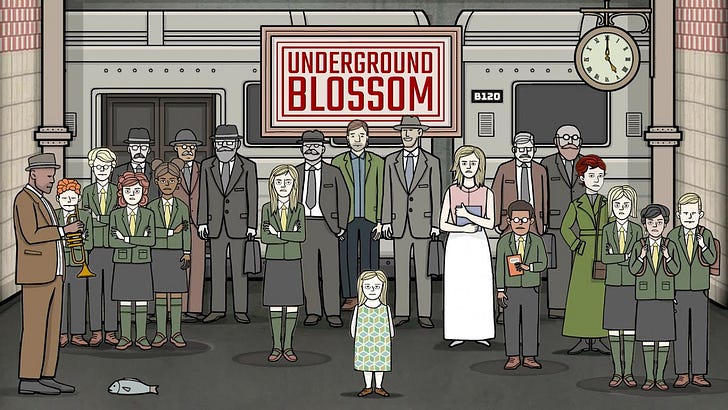
Key performance indicators highlight the commercial viability of the studio's short-form narrative approach. The co-op title The Past Within recently surpassed one million units sold on Steam, while the linear puzzle game Underground Blossom sold over 250,000 units across all platforms within its first month. The studio attributes this success to a "step-by-step" expansion of its surrealist universe, inspired by Twin Peaks, and a focus on high-engagement strategies such as alternate reality games and localized social media for Asian markets, which represent nearly 50% of its player base.
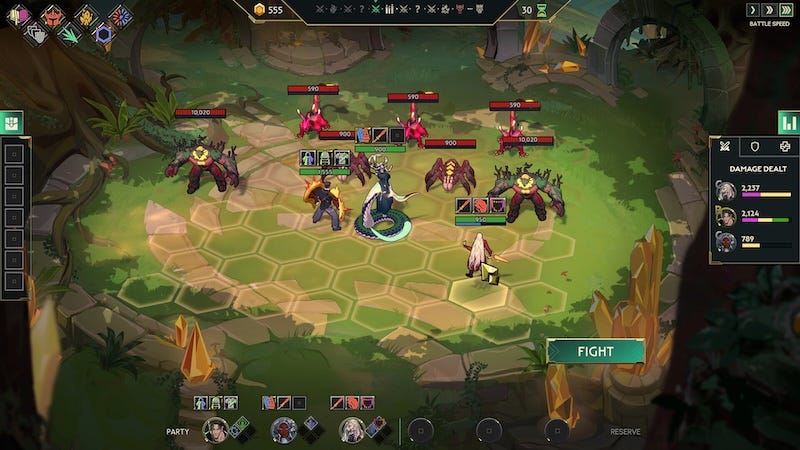
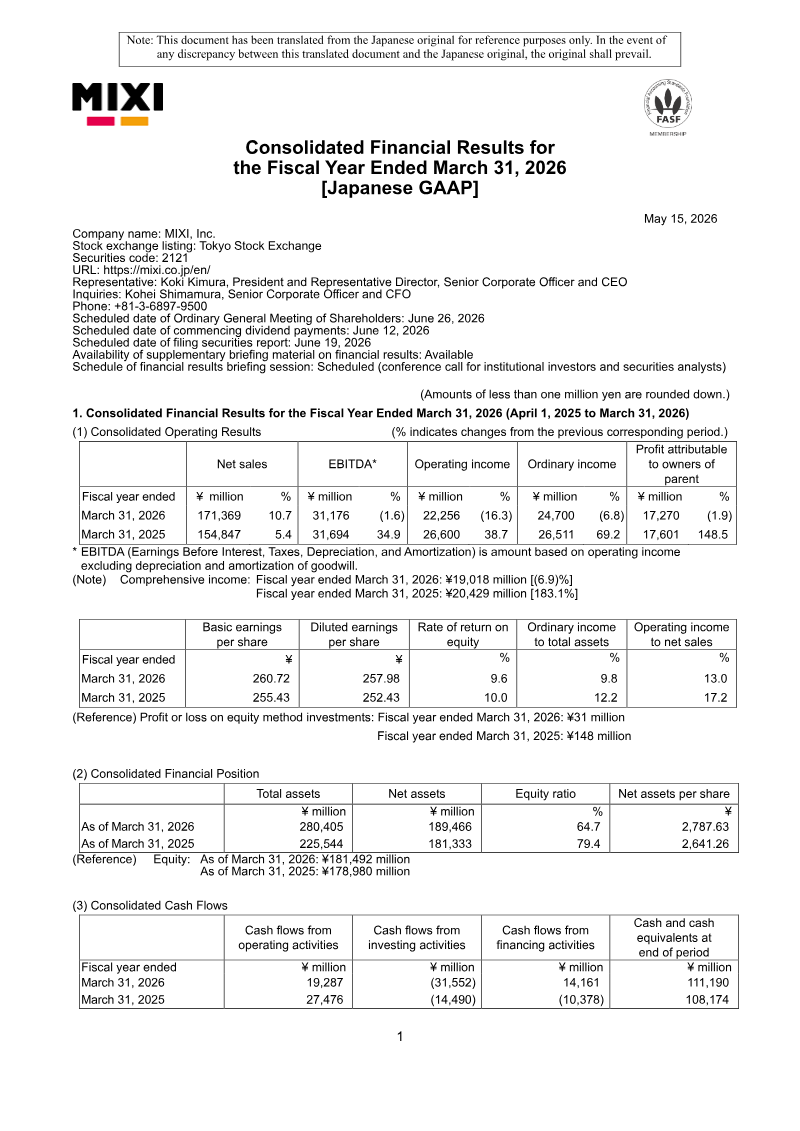
Beyond the Rusty Lake case study, the analysis explores the broader landscape of free-to-play PC gaming outside of the Steam ecosystem. While Steam remains a dominant force, major titles like League of Legends, Fortnite, and Genshin Impact achieve "escape velocity" through proprietary launchers or mobile cross-pollination. Data suggests that for many cross-platform titles, Steam revenue often represents a smaller fraction of total earnings compared to mobile; for instance, Marvel Snap’s Steam revenue accounts for roughly 10% of its mobile lifetime earnings. However, for certain Asian-market tactical games, the revenue split between PC and mobile can be nearly equal, suggesting that platform synergy varies significantly by genre and target demographic.
GameDiscoverCo · 2026

GameDiscoverCo · 2026
GameDiscoverCo · 2026

GameDiscoverCo · 2026

GameDiscoverCo · 2026
GameDiscoverCo · 2026

GameDiscoverCo · 2026

GameDiscoverCo · 2026
GameDiscoverCo · 2026

GameDiscoverCo · 2026
GameDiscoverCo · 2026
GameDiscoverCo · 2026
Newzoo · 2025
AppFigures · 2025

Ampere Analysis · 2025
Pangle · 2025

Sony Group · 2024

Newzoo · 2024

Newzoo · 2024
Sensor Tower · 2022
Newzoo · 2022

Newzoo · 2022
Newzoo · 2021
Liftoff · 2020