ArticleGameDiscoverCo
Deep Dive: How Cosmoteer Became a Breakout Steam Hit
1 Feb 2023~12 min full read
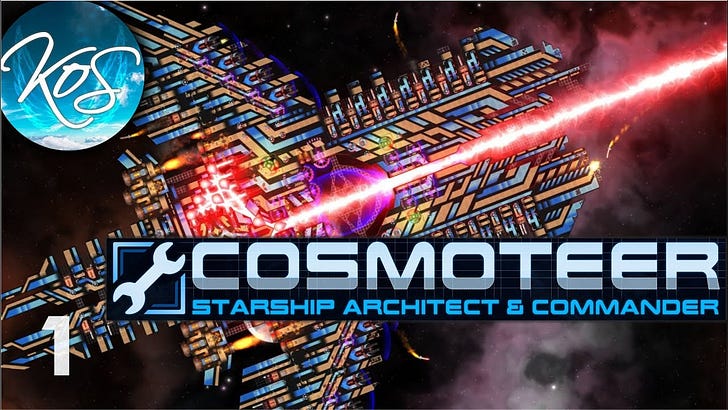
This analysis examines the commercial success of the starship architect simulator Cosmoteer, which serves as a primary case study for organic growth in the independent PC gaming market. By evaluating Steam back-end data from late 2022 through early 2023, the findings illustrate how a solo developer achieved significant scale without traditional publishing or massive marketing budgets. The study focuses on the global Steam market, highlighting the title's performance metrics and the strategic decisions that drove its breakout status.
Data points reveal that Cosmoteer sold approximately 300,000 units at a twenty-dollar price point within its first three months of release. The title demonstrated exceptional player engagement, maintaining a median play time of over 15 hours, with 42% of the player base exceeding 20 hours of gameplay. Furthermore, the game exhibited a low refund rate of 5.7% and a high conversion ratio, selling 74,000 units in its first week despite having a relatively low follower-to-wishlist ratio. This suggests a highly committed core fanbase rather than broad, casual interest.
The success is attributed to a decade-long development cycle characterized by extreme transparency and community involvement. By offering free builds for years before the paid Steam launch, the developer established a deep feature set and a loyal audience. Strategic marketing through specialized PR and participation in Steam festivals further bolstered the launch. The findings conclude that complex, sandbox-style games with high "intelligent complexity" and cooperative play features are currently well-positioned for long-tail success on PC platforms.
The analysis also provides updates on broader industry trends, including Valve’s tightening of Steam key distribution policies and shifting hardware dynamics in the console market. It notes a significant surge in PlayStation 5 availability and sales in early 2023, alongside a discussion on the challenges facing "games as a service" titles in a saturated market. These insights are derived from developer interviews, platform data, and market tracking services.
GameDiscoverCo · 2026

GameDiscoverCo · 2026
GameDiscoverCo · 2026

GameDiscoverCo · 2026

GameDiscoverCo · 2026
GameDiscoverCo · 2026
GameDiscoverCo · 2026

GameDiscoverCo · 2026
GameDiscoverCo · 2026
GameDiscoverCo · 2026
GameDiscoverCo · 2026
GameDiscoverCo · 2026
Newzoo · 2026
Newzoo · 2022
GameAnalytics · 2026

Sensor Tower · 2026
AppMagic · 2025
PlaySafe ID · 2025
PlaySafe ID · 2025

Paradox Interactive · 2024

Bain & Company · 2024

Newzoo · 2024

Newzoo · 2023
Apptica · 2023