1 free read left. Create a free account for unlimited reading + AI research.
Create free account
Game Analytics: Tactics, Advice, and Lessons Learned
Key insights
6 takeaways- 01High-growth studios are increasingly moving away from off-the-shelf analytics tools in favor of custom, in-house solutions to maintain a competitive advantage.
- 02Specialized data platforms that integrate diverse sources, including Web3, allow studios to maintain operational agility without the overhead of massive internal data teams.
- 03Data should function as a feedback loop for game design and user experience refinement rather than a substitute for core product quality.
- 04The gaming industry is shifting from hyper-casual titles to mid-core experiences that prioritize long-term player engagement over short-term acquisition.
- 05Revenue growth is driven primarily by human-led, ad-hoc analysis and personalized CRM strategies rather than automated artificial intelligence.
- 06Success metrics are evolving from superficial day-one retention toward rolling retention to better measure long-term player value and sustainable growth.
Ask AI about this video
Transcript
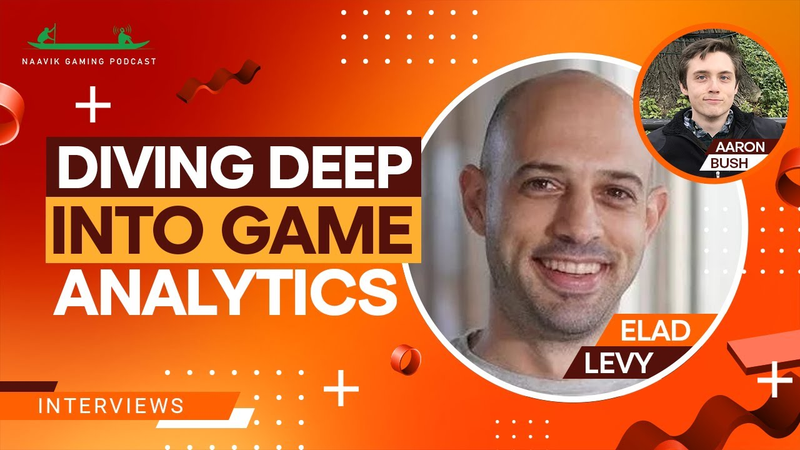
foreign [Music] gaming podcast where it is our mission to explore the business and future of video games we bring together the industry's brightest Builders investors and thinkers to keep a full sun current events dissect emerging Trends and games share Lessons Learned and have a great time this podcast is also part of novik's growing ecosystem which ranges from free and premium research to Consulting and advisory services for more information visit www.navic.com now let's jump into the episode hi everyone I'm Aaron Bush and I'm delighted to be joined today by elad Levy founder and CEO of dive elad welcome hi Aaron thank you very much for having me of course this is gonna be a lot of fun today the main theme of today's conversation is going to be game
analytics and we'll also be spending time discussing what you and the team are building at dive but I actually want to start with some background because elad you are a Serial entrepreneur who has seen a lot and done a lot and according to LinkedIn dive is the fourth company you founded so I thought it would be fun to initially lay the foundation for this conversation just by unpacking your journey and digging into some of the Lessons Learned along the way does it sound cool with you yes of course it's uh it's it's just fun like building companies and products is something I I really enjoy and I do it for years so for me it's it's it that that is my actual hobby I don't have hobbies so awesome yeah I relate with a bunch of that too so your first three companies centuno Solutions go wild casino and then Pacific interactive I believe all had something to do with online or Social Casino
um so I'm just curious why did you narrow in on that market and what did you learn about operating in the casino genre over that decade I actually started I mean we have an mandatory um military service in Israel so I was recruited for a cyber security team and I worked in cyber security for the first two years of my life and then when I got out I like the it's just they needed someone on cyber security for an online casino so that that's just how I ended up in that industry it was kind of a coincidence it wasn't planned so the first company it's still it still exists Triple Eight it's it's a big one and uh I when you are inside the company and I'm sure that it happens to many entrepreneurs you think when you see things that are done wrong you think to yourself well there might be a I mean
there must be a better way to do that so that was basically it I said we can probably be like build a brand and execute it better so that's exactly what we did and um after a few years that was it would go wild the online gambling and online casino industry has this nightmare called regulation and legal and it's exhausting it's like instead of working you just argue with legal about can you do this can you do that can you do user acquisition here can you use this technology it's it's just not fun at some point so I that's the point that we switched to Social Casino and Social Casino is kind of a it's it's a very nice it's a very nice trick of like uh basically producing the same content but without the legal problems Social Casino you cannot you
play for virtual coins so you basically can deposit money but you cannot withdraw it and because you cannot withdraw it then the Clause of betting is not relevant so it's not really gambling right yeah that's that's super interesting and I'm curious too um well we'll talk more about kind of what you learned and how you improved as you went along in Social Casino but I also just want to step back and just ask as a Founder how did you improve as a Founder at each step of all your your four companies um I imagine you've you've seen and learned quite a bit along this journey so far yes of course you it's it's natural because it's like you take the lessons from every it you just every founder has his body filled with scars basically of every company he ever built and those cars are you know the lessons that the drags with them forever whether it's
like it's the partners that you choose and keeping the company lean to not overspend and take a ton of lessons and working with small teams and this is all stuff that you you know learn along the way and it's normal but obviously from every company I I learned a different lesson and it's fun because it kind of like took all that experience and put it into dive yeah because you maybe just walked through like a lesson that you learned from each of those companies and maybe how you've implemented it for me and it's actually relevant to today's market is keeping lean it's very easy to like burn a ton of money on you know office it used to be offices now it's mostly remote but you know offices and you know catering in the office and a lot of like spent over spending a lot of stuff or hiring people that are super
expensive but today the world is actually really small and keeping it lean is really easy so it's just you know you have a Google you have you know the Google G suit and slack and I feel like jira and a few other tools and that's it and you already build a remote team so keeping it lean was something that helped us survive always and we kept it lean all the way like until we sold the with the previous company Pacific interactive House of Fun I'm always it's it's uh it's funny but it's real our offices were some like like in in all Department that was above Pizzeria that was the one in Buenos Aires and the one in Israel was like in the worst neighborhood that you can imagine yeah and you know it's you know it all adds up you know if you save a few bucks here
in a few bucks there it all adds up and you know and then it big companies also do that over time so play Tikka at some point declouded everything they said why would we play you know why would we overpay you know the cloud costs when you can cross the street and buy a hard drive for a fraction of the price it doesn't make sense so they declouded everything and if I have to choose whether to spend money on I don't know on Cloud on beautiful offices or perks or giving bonuses to the people I would definitely prefer this money going to the people instead of those things you know because that at least my point of view yeah that makes a lot of sense um and yeah I think it's a Timeless lesson especially as you know the economy the industry is cyclical but staying lean affects how you reinvest at any point in that that time and you know internal focus is a valuable trait to
have anyways I want to um Talk a bit more about the last company you founded before we get into dive which was specific interactive which developed House of fun it ended up being acquired by platika in 2014. um I'm curious I mean I mean as your third company there you know that shows that you learned and improved to be able to have you know a pretty a pretty solid exit there um and the Social Casino space but I'm curious also what you learned about integrating a company and a game into a larger conglomerate like playtika how was that experience for you yeah House of Fun was uh I think the first and most important thing that we had was timing and then we had the team you add to that capital and there you go you have like a formula for Success so uh we got acquired super fast even too
fast if you ask me but I mean it was a it was a great experience it was fun but then for me personally um I really love small teams and I operate better on small teams so when you have a I know a thousand over a thousand people and when you want to hire someone you need to like argue with the HR on why they need to allocate and you know open a position and there's a budget every it these things to be honest are exhausting so on the other hand there's a lot of like inter office there's like a lot of game studios in playtica so we've learned a lot they learned a lot from us we know there's a lot of exchange of and know how about how to operate games how to monetize better how to improve
user acquisition for me personally I I prefer the the lean and small it's more agile and easier to move this way yeah I was gonna say I'm starting to notice a pattern of what makes you exhausted it's you know people setting the rules for for what you can and can't do and how how you're allowed to live uh which yeah is very entrepreneurial of you that sandbox is not fun like playing in that sandbox is not fun for many people that's why they you know they say I I wanted to do my own thing and most of them do right I well that's interesting uh to hear about your your take I'm also curious you mentioned that the the acquisition might have happened too early in your opinion can you unpack that a little bit and maybe just like if there's a broader lesson in there we we were growing like crazy and and our multiplayer that multiplier that we sold the company was pretty low the
the contract was pretty favorable on their side and I think that probably a strong advisor would have helped in that sense something that we were missing because many VCS first of all many VCS are not that Hands-On okay and we didn't raise from a VC we raised like from a private equity which was another uh maybe was not the right way to go because VCS understand when when they see something grow they will let it cook a little bit more so they can make more money and the mentality when you have a private investor is like he sees an offer he grabs it because you know he cashes out and gets some money over his investment so uh we were growing like really fast really really fast and and in my opinion we probably should
have waited a bit longer but you know an opportunity presented itself and eventually it was decided to sell and it was fun because we got a really sweet deal from platika they offered the founding team to kind of have an egg in another exit with them because they were preparing to sell so we kind of sold the same company twice in a way well that's the way to do it why not um that's super interesting um and I'm curious I mean your time at playtika is that when the idea for dive came about or was that later no platika was a that that's something that is true for big companies it's a playground it's like it's like a playground it's like um you know you have the toys and budget to experiment so you can build tools you can build teams and then after a year kill the team or kill a product
and there's a ton of budget so it's easy to experiment with that budget so I was lucky enough to um grow this company to at its peak I think that house of fun reach like 300 million in annual growth or something like that like a crazy number sometimes I can't even remember but it was like huge and then I obviously like every other game Studio started developing every like started using third party tools but ended up developing everything in-house because at some point you need an edge over your competition and you cannot get that edge from an off-the-shelf too you must develop something of your own so we did a ton everything from like marketing tools and CRM and then like engagement and live Ops and data a ton of just custom
tools that helped us have an edge in the industry and yes sometime after I got out I started thinking what if we pack this whole thing into all this knowledge that I have gained into a service and offer a better version of it because in platic actually the whole all the tools that we've built were tailored to House of fun that's another mistake that many companies do they don't build and it's okay it's not it's normal like they have a successful game they start building tools but the tools are tight they're like completely tied to that game they cannot extrapolate those tools and use them for another game so dive was like let's build the tools first make it platform game agnostic you know like it can we can hook it up to everything and then see like you know it's a different approach you know one is the like we start with the tools the other
we start with the product if you're building a new company definitely start with the product that's the most important thing for me it was kind of like I I had the time I had the money I bootstrapped dive I said what the hell you know let's take a year or so and you know take our time and build it right and see what happens then cool I also didn't realize dive was was bootstrapped have you raised any money up to this one or has it been bootstrapped the whole way no it was bootstrap the whole way there was a couple of Angel Investors that asked to getting because they wanted to be part of it but no we it was bootstrapped and we got into profit like a couple of years afterwards so I managed to get the money I put back and that and I don't need to put any more money from my pocket so that always makes me happy you know like as in entrepreneur investor that's really cool congrats on congrats on the success of doing it that way well
I guess before we move on we should probably better Define what dive is um and what exactly it is that you're building so dive you've now been building for four years now um could you to start uh maybe just fill the audience in on what exactly does dive offer and who exactly do you serve so I packed 20 years of my knowledge and experience into a company and we started doing consulting just like you guys but then we realized that the tools out there suck because they don't they are not designed like all the tools out there are not designed for games they wanna grab a bigger market share so they target apps or dating apps or e-commerce or like different but you cannot compare
and you know e-commerce card to a shooting game or like a builder or an MMORPG so the whole Dynamics around data and and live Ops and CRM everything around it changes so we started just developing tools because we couldn't find any and then it became a combination of a platform and a service and this is this is Dive Dive is a combination of a platform and a service we deploy our platform and our tools those tools are designed designed 100 for games and I think we're the only probably the only there are a lot of tools out there but we are probably the only game X game operators so we know how to run games at scale and that's a huge difference because we've been on the other side of the game studios and we know at every Point what they need whether it's data or live Ops or or anything of that sort so this is
that if we we deploy our platform and then we understand that there is no one-size-fit-all so we custom and tailor the platform and the tools and the service to every client we have weekly calls with every client we sit with you know we to speak with the product managers and we have a monetization manager also in our team to see if we can help them get a bump in Revenue so it's it's a combination of a few things that basically all focus on data first because for us this is the the if that if the foundation of data is right then everything around it starts making sense whether it's live Ops or marketing or analyzing game progression or you know churn or whatever you want to get insight for awesome and could you provide just a snapshot of like the
current state of the business at this point four years on like what level of scale are you operating at like how many companies are you surveying whatever you feel comfortable with every game for us is an overhead we are serving 80 games we crossed a 60 million Mau monthly active users Mark not too long ago and we're probably the only cross-platform company out there because we do mobile PC web and then Roblox Minecraft and web3 so what we cover basically probably every platform if you even if you have a messenger game we would probably be able to adapt so people do not realize that there's a lot of low hanging fruit in platforms that are not popular and we have adapted to those needs by building different tools and sdks to hook up with those platforms so
today that's the state of the business we are profitable for the past two years and our platform we call it the platform because it's just a ton of tools that we developed we started with data validation and integrity and then we added segmentation and a b testing campaign management remote configs a ton of a ton of things and then we start out of books with like 20 30 dashboards that we build for every game Studio but we we got to like we have game studios that we we have four product managers and we got to building them 300 dashboards because you know they need a ton of different angles to like look at the at the business or the game from different like like from this angle from that angle from like from a total revenue of the game Studio from like sometimes it's just aggregation of all their games
because CEOs it's funny but CEOs just want to wake up in the morning and see the revenue report they don't care about all terrorists but game designer needs uh I don't know he wants to like test the game economy so he needs like a progression a analysis or churn points in the game marketing they are marketing whatever whatever dashboard you build for them they need to download it to an Excel it doesn't matter what you do so they only need to download it to excel so it's always Stables of you know campaigns and Roi roas country it's it's the same things but so we hook up with everything we hook up with attribution providers and ads and Facebook and Google and we centralize everything in one place we build a data warehouse for every game studio for every game and it helps Crossing when you have everything in one place you can extract a ton of insight because you can cross the the crash reports with the progression analysis with the user acquisition and it's
it's it it gives a whole new level of like I think it levels the field for game studios because big companies have been doing that for years so that is one of the reasons that they're very successful and will continue being successful because they're already at that point oh and and I think this is why the consolidation is also happening in the industry but new game studios really suffer because the only way to do that you cannot taken off the shelf tool you have to either build an in-house team or take dive that's the only there are not a lot of options there you know but um I guess one area I'd like to poke a bit deeper into when you were talking about your time at playtika you said the way that you built an edge was by building the tools in-house and now you're on the other side of the fence building the tools for everyone to create more of a level um playing field as as you put it
because you maybe just unpack a little bit more about why teams should work with you and dive instead of um building their own tools for both like big teams and and small teams just like could you unpack why that is and like what the like what the um like extra value proposition of of dive is there I think the number one problem is cost like many people many game studios are that's a really funny expression that they use we have a data guy there is no data guy it's like saying we have a developer you know but it's not just a developer there's a back-end guy there's a front end there's like a ton of elements in a game it's the same thing for data there's an engineer there's an analyst there's data scientists there is a devops data devops for like maintaining everything and waking up at night when a process fails and
it's it it's babysitting and it involves a lot of code so building it in-house you will have to probably start with at least two to three people on the head count and those are people that are really expensive because they get post all the time by the competition so that's you just start with like two to three people on the head count and then you add to that the tools and the tools are really really expensive like the off-the-shelf tools are super expensive so we have all our tools are proprietary so we have a really competitive price and we can offer all that for a fraction of the price of what it would have cost you to build it in-house usually our competition is yeah it's like downloaded management decided to like build it in-house or if it's a really really indie game
studio with no funding I just tell them guys use an off-the-shelf tool or something and get back to me when you have funding because we try not to work with unfunded game studios those are games that would probably never scale could you talk to me a bit more about your live Ops tools I'm just curious uh even from your days you know at building House of fun or even earlier just what you have learned about better tracking live Ops and how those learnings have been embedded into your data platform so the where we treat live Ops the same way we treat data we tailor and customize it to every client but there are several let's call it generic not generic but for example segmentation you can segment by you know revenue or recency or the install date or stuff like that but
depending on the game let's say that there's a game based on trophies though you wanna segment all the people that won over X trophies in their lifetime this is a this is a custom attribute that you know we we will have to tailor for that client so the same way we we're nothing about us is generic we tailor and custom everything to every client and when you start doing live apps properly you would start to see a bump in revenue or engagement immediately because different people consume contact content in a different way and the and the and the engagement habit or the deposit habit for every type of player is definitely some people play it five hours a day some people play five minutes a day some people will only play in the weekends it's it's it changes and if you segment or personalize those the content and the
offers properly then you can increase lifetime value because you keep them more engaged in the game and so that that's the way we see it it's live Ops is tools that helps maximize LTV lifetime value and the more you maximize LTV the more you can spend on marketing great and I'm curious what's next for dive is it more of the same scaling up or are you going to be adding new tooling new features uh you do something what's next so we noticed that uh on the live upside many of the game studios use us as if it was a CRM so we want to add more CRM features to our tools
this is something that is so popular in other Industries but games really do not understand that like there's an onboarding Journey that happens in in a standard CRM like day one welcome email day two this day three that you know day seven I don't know we give you an offer you didn't convert I know day 10 we give you another offer we lower the price point there's like in the whole journey in CRM that are really popular in e-commerce tools but games are really behind in that sense so we're trying to add these kind of cool features to games as well how do you treat dormant users how do you reactivate users that churn or or are likely to churn so it's really like different buckets of engagements of users and then segmenting those buckets properly and treating them in a different way so we're playing a lot with those kind
of features and it's it's mostly coming from the clients like every healthy Product Company clients say I need this for example we launched our tool and we have a calendar for our live Ops so you can you have you have an actual calendar that that you can drag and drop like sales or different activities and the reason is because liveops and marketing people they work with calendar all the time just like what do we have this month Christmas holiday you know Halloween I know um Father's Day Mother's Day whatever you know and then according to that they start building the the idea of the campaign the art and stuff so that's why we built a calendar and then one of the first feature is that one of our clients said was clone month because they're lazy they're like hey we
we need like a you know most of the months we do like thanks God It's Friday Lazy Sunday you know so let's clone month and do the whole thing again so that was it's coming from the clients you know the clients request those features and it's a small it's still a small team where we're not even 15 people on the head count so we still keep it tight and lean and you know I prefer a small amount of people that work really hard than a lot of people that are like mediocre so we're still lean and efficient and the focus on you know on keeping it lean also for our clients and we actually monitor their infrastructure and cost every month and if we see a deviation then we contact them and start up helping them optimize that we you know we it's really our success our direct success is our clients so
it's really important for us that our clients succeed I actually do intros from time to time to VCS you know because to help them out if they need to do another round or something and it's it's fine because I I love the industry it's something that the company didn't start from you know let's make let's build another company and sell it it started from something fun as a boutique you know it's something small and fun and it came from Passion not you know a different type of approach yeah well that all sounds really interesting especially how feedback from users is sort of pushing the scale of the vision you know as you said to be a bit more like a CRM to be even bigger and more exciting and it's happening organically and I think that's really cool it is yeah and we we found like we find different types of clients all the time that's the fun part because we we went through this every every few like every year we find
a different type of client so the last type of client we found lately was is Publishers because Publishers are like we're they're really good on Deal sourcing and business div and user acquisition they don't want to build a data team in-house it's it's a pain you know they need to babysit that it's a headache for them so they're like okay they Outsource everything to us so we actually have a few Publishers on mobile on web3 and Roblox so it's it's fun you know because we we deploy all our bi platform and knowledge and we work with you know 10 20 30 games for a single client and it's really exciting so that's a really new breed of client that started emerging lately cool well let's shift gears and and talk about game analytics a bit more broadly Lessons Learned best practices of course it seems at different stages should best use analytics
um and to start I'm not sure how many um like startups uh use diverse larger companies but through through your experience with dive or even as an advisor uh or board member to various startups what do you find that small teams often get wrong with game analytics or are too slow to set up I think that data and product development in general has a specific order that you might must follow and sometimes I see I know game studios doing it wrong or wasting energy in the wrong places that they will I know obsessed with D1 for example where you know if your D28 is high who cares about D1 that's like the money comes from D28 is not coming from D1 D1 is important if you're launching a hyper casual game and you know then then the first days are important but if it's an in-app
purchases focused High LTV game is a service called whatever you want or let's let's call it longer term content quality content game then D1 is not that important you know you can have a really horrible D1 as long as your tail is high enough so that the we actually build a dashboard we call it retention without d0 like we start the retention different why because let's say you have a I don't know like a basketball game and for some reason it was published in a phishing website so all the people that will come there there will churn because they want fishing they don't they're not interested in basketball and then your D1 will drop to its knees you know it will be really low but then if you
publish it in the right place and focus the traffic then your D1 will Spike on the other hand those who actually love the game and stay in the game because the content quality is good that will reflect more on the the 1428 Etc so quite often I tell game studios guys I mean just who cares about D1 you know I mean depending on the game of course obviously if it's um you know if it's a hyper casual it's all about the first days right but um we don't actually that makes sense don't work a lot with Hyper casual because we we try to look for games that will that are built to last you know like that will last for ages so um yeah well what about the I'm also just curious about the flip side of things too for the larger companies on
that on that side of the spectrum you already mentioned how one lesson learned there is how sometimes larger companies will build tooling around one game instead of thinking a bit more broadly about how to serve the portfolio as a whole I'm just curious if there are any other larger lessons learns or pieces of advice that you would have to to larger companies who are wrestling with with data and and tooling too I'm amazed what we actually I call it's another type of client that we have I call it all dinosaurs it's companies that exist in the industry for years but for five or ten years tried building teams in-house and just got sick of it because it's it's a very common thing that happens in technology in data and Technology a guy comes he builds an entire team and tools and everything then he gets poached by the competition and moves to another company and the new
guy that comes in said everything the previous guy did is throw it away and let's start from scratch boom three years migration four years migration and that happens all the time so uh we have a you know clients that come to us and are like upper management or product managers like I'm I'm sick of it you know I'm I'm just they just want to see a report and they cannot even extract a report and they have tens of people and it's quite a it's it's something that happens quite often if you build a data theming house you must have someone with experience it's very hard thinking a guy that worked in e-commerce and shifting into games it's and then I think the most important thing and that's also a requirement for us to work with you need a product guy that knows what he wants like that
knows how to ask the right questions because and and we try helping and guiding even product managers sometimes on how to monitor the game economy or check for inflation if there's a live Ops event and all of a sudden Revenue drops it's not it's not rocket science you know you you you you gave too much free currency then people stopped the paying you know it's not it's not that complicated but many many even big companies get it wrong and I'm like whoa we at least like they release like this huge feature and then the revenue drops I'm sure you guys see it as well yeah it happens for sure uh I also I also want to discuss more of like the future of game analytics the games industry is always changing it seems like a dive as a platform and as a team is you know flexible and has lots of customization to
um you know support teams across the Spectrum one area you mentioned is web three so I'm kind of curious to hear your your take on that uh and maybe specifically how should these web 3 teams be thinking similarly or differently about their analytics given you know the the newer blockchain elements or open marketplaces that are now involved and how is dive positioned to help support those teams in those more customized ways too so we we have a few clients we have a few important clients we we're serving the sandbox we have Chrome away we have a lot of a super interesting clients in that space and our challenge was combining all the sources of data because some things are like we try to collect as much as stuff as we can from the chain obviously it's easy so we connect
to I know whatever you have polygon um use chain Stacks or ethereum yeah there's like gazillion types and you know and we try to take everything there but you know the same problems are happening there because uh developers send garbage and you know when you try to organize this garbage then you can actually extract Insight if the data quality is not good so we have with the same Integrity tools that we use to Control Data coming from our SDK we also applied it to the data coming from the chain and then we combine this data with data coming from the actual client if there is a I know if it's a website if it's a if it's a Unity downloadable uh whatever it is so it's a combination of a few sources which is something that
obviously because we were we can custom and tailor everything it's very easy for us to do it's kind of a niche if you ask me personally I mean I'm I'm still waiting for a very high quality game to appear and really take control of the industry because people it seems to me like a lot of people they're not really players the the end users their users and they are busy with speculation and not playing and it kind of contradicts My Philosophy about Games should be fun and content should be of good quality so it kind of con contradicts these base rules for me so it's hard for me to process it a little bit you know maybe I'm old school yeah well I think it's there's definitely big question marks out there
I mean I think if you just look at the cycle that we're that we're in right now it definitely is you know the pretty standard hype cycle or even just like a a u-curve if you look at the games that have come out and are planning to come out where we saw the explosion of the play to earn the very speculative games and then now I was looking at the month of February um and not a single notable web 3 game came out zero literally zero um but we also know that there's a ton of funding and such um for for game developers and studios around the world that are making games it's just the actual good games take time whereas you know the initial rush it was more exactly financialized experiences it it it it kind of reminds me of whole Roblox when it started you know it feels like hyper casual was forced into like web3 feels like a kind of like a hyper casual
metaverse whatever you call it was forced to have a payment method and you know they call it web free games but it it's not natural you know and I again I think that I always think that content is King you cannot you cannot build games from data you build games by quality product and quality game design and then you use data as in as a channel for getting Insight whether and getting feedback and that feedback is not always coming through data and dashboards it's also coming from actual users that play the game or focus groups or whatever you want to call it but I'm waiting for a company to actually launch I mean if if you take a menu and blizzard Activision game and you add web 3 to it yes that would probably make more sense but you know as another payment whatever
but building the whole game around it as a play to learn it's kind of that doesn't make sense um yeah I think yeah I guess I've just kind of talked about the hive cycle there is that in the next couple years I think we'll see more shots that are much more quality game first and maybe by then too we'll see they're getting better you know I mean they're getting better because you know the art is better I mean I I think a game should be fun and it should be an experience yeah they will figure it out eventually they will probably figure it out and it will curve a niche just like a hyper casual and Hyper casual is in Decline obviously because again you cannot sell you cannot you have like people will stick if the content is good that's you know they will play it for five days and then throw it away and move to the next game but you cannot build a company on hits well you can because hyper casual was built that way but uh it it kind of most hyper casual
companies ended up in the same place of let's build now a more casual or more quality game because it's it's hard like living from one hit to another hit yeah I guess the the other emerging trend of notes recently is AI so I just also just wanted to ask a question to you about um about that and um I guess especially like how or if you think AI is going to change the way teams work with data conduct analysis run these sorts of tests um in their games do you think about AI at all as you're you're building up dive and how that could change things but I again like there's a stages of a game that you know when it kicks off without funding it needs really basic apis then it grows
they need I know economy and progression analysis and churn then it scales again with marketing they they need the user acquisition analogy analysis and creative planning Etc data is kind of the same thing so from my experience and I tested a lot of things plain data analysis like a human being sitting next to a product manager and analyzing the game Insight with him is I I saw the most like the biggest needle movement you can say the biggest Revenue gains from that type of work just plain old data analysis classic ad hoc analysis of human beings sitting with you with each other and bumping at the ideas and I guess the next step after that would be machine learning and people confuse that a lot with AI
but it's machine learning you know prediction models churn prediction this is also something that will add you a bit of an edge because when you get to a certain scale and you need to squeeze half a percent or one percent that's a lot of money so that is for me the next step now I'll be honest with you most companies are not even there they're still stuck on Plain data analysis so we are really far from AI I mean you can probably Market the buzzword tool and say we are doing that and this automatically but to be honest I mean even pricing it's like the the best models I've ever seen was built by human beings shift shifting through data for months and then building a machine learning model and then you know testing that in the game but it you you cannot click a button button
and magically things will happen it's it's it's a myth it's not true even in machine learning every time you launch a model or like a scoring model you have to test it and then it takes a few months of data to validate it and it so the for me it's kind of a mirrors you know smoke software things a lot of smoke and mirrors there you guys work with game studios all the time and you consult them sometimes sometimes a change in the messaging of a pop-up will make way more money than trying to apply some you know AI Voodoo to the game I've seen it over and over yep uh I guess I'm curious is there anything in the future of gaming analytics any emerging Trends any anything else of note that you're excited about more generally about where
the future of gaming analytics is going I think that the tools and the platform that we built in dive is one of the few that you can call a data you can build a data driven game with this is something that many there are not a lot of maybe in the game the biggest game studios do that but most of the small ones aren't they're like really light years away from that and when I mean data driven game it means that it will adapt according to you know to your level to the segment to your deposit habit and it's not something you can automate it's something that you will tailor and customize and the game studios that you know invest in that area would probably I think that is the future the another interesting thing is I think that the classic kpis are
are dead it will be a bit harsh if I say that so but the classic apis are like the yeah you need the D1 of this and a D7 of that for example we don't we don't look at the classic D1 anymore we look at trolling retention only on rolling retention be good I know people play Only In the weekends people sometimes play only so the their D1 will be horrible but they will play every weekend it doesn't mean he is a bad player it just means that his login Behavior or or his playing behavior is different so um we try to look at those metrics in a very different way than most out of books off-the-shelf tools and tailor it according to the game type but hey hopefully people will understand that like the Experience One
understand that 100 because the new game studios are still learning about what is data some of them don't understand like you know basic apis it's kind of a education mission that we have as part of our company and we we're doing a lot of blogs and you know trying to somehow pass the knowledge to other game studios so that you know they can learn as well but right well I have two final questions for you [Music] um um first um is there anything else in the games industry beyond what we've talked about today that you're particularly excited about I know you've you've been an advisor to startups you've set up boards I know you look around a lot uh do you see anything that excites you free to play started declining and like many see that already
some of it is leaking to other platforms and some of it is because people just got sick of it but on the other hand I see more mid-core games coming to mobile and they are really fun so I mean if you look at the last games in the last year for example that came out there are really way more complicated the production is like the art the production is way more complicated it's not not a game you you launch in six months you know it's something that takes a couple of years to produce with a lot of Art and quality content and I want my kids to play quality games you know I miss quality games and this is something that I'm really excited about I wish I just wish that this trend will continue and we'll see more a mid core or you know Triple A game
studios investing in Mobile or iPad or you know something that is you know it's because it's a fun platform you know it's easy you don't have to like do the whole PC special chair and headset and everything or a PlayStation you just sit on the couch and like you can play Diablo that's amazing man this is amazing for me you know yeah I think it is amazing and I think we'll see more of those kinds of games hopefully um those these companies with these games can navigate the the more difficult Waters lately yeah just figuring out all the you know post idfa world so it might take a little bit for that Trend to truly accelerate maybe another year or 18 months or something I would guess but I'm right there with you there's a lot of exciting stuff that has a lot of things I mean look at that you know you look I I love it I don't know if you I mean I don't know if you they're like in GDC every GDC they're
like the popular games that everyone are talking about so you know the pre-pandemic GDC everyone were speaking about hyper casual and I know like really like games that are really boring to me personally this GDC it's you know marvel snap and Frozen City and like games that are that have a lot of depth you know and the the art is exciting and it's fun to play and it's just I so I'm I'm enjoying it because I see quality games and I want I want my my kid to play that you know I prefer him playing that instead of Roblox to be honest oh okay interesting well final question for you um if any of our listeners want to learn more about dive and reach out or follow you online where should they go so LinkedIn is the best thing
um I'm pretty hard to miss a lot Levy dive but I you can just drop me an email at a lot at dive.games and I'm super happy to end in GDC I'm usually I always found find myself in some you know finger food and beer party speaking with some indie game Studio explaining them about data and because I'm it's fun for me I'm I'm always happy um sharing knowledge I think it helps the industry as a whole awesome well I think people have a lot to learn um from you and your experience too hopefully from this conversation but hopefully for for future ones too um but listen this has been a lot of fun uh nowhere at times so we'll have to wrap up here for but thank you so much for joining and sharing your story and insights and best wishes to the whole dive team going forward
thanks thank you Aaron thank you very much if you enjoyed today's episode whether on YouTube or your favorite podcast app make sure to like subscribe comment or give a five star review and if you want to reach out or provide feedback shoot us a note at podcast navic dot Co or find us on Twitter and Linkedin plus if you want to learn more about what novik has to offer make sure to check out our website www.navic.com there you can sign up for the number one games industry newsletter navic digest level up your insights with our premium research platform navic Pro or contact us to learn about our wide-ranging Consulting and advisory Services again that is www.navic.com thanks for listening and we'll catch you in the next episode
Summary
The gaming industry is undergoing a strategic shift away from hyper-casual titles toward mid-core experiences that prioritize long-term player engagement over short-term acquisition metrics. Success in this evolving landscape requires a move beyond superficial KPIs, such as day-one retention, in favor of more nuanced metrics like rolling retention. These indicators provide a clearer picture of player behavior and long-term value, ensuring that development efforts remain aligned with sustainable growth rather than speculative trends.
Proprietary technology remains a critical differentiator for high-growth studios. While off-the-shelf analytics tools offer initial utility, the most successful organizations eventually transition to custom, in-house solutions to maintain a competitive edge. This approach mitigates the inefficiencies often found in large conglomerates, where high staff turnover frequently leads to the repetitive and costly rebuilding of internal systems. By leveraging specialized platforms that integrate diverse data sources—including emerging sectors like Web3—studios can bypass the need for massive, expensive internal data teams while maintaining operational agility.
Ultimately, data serves as a vital feedback loop for game design rather than a substitute for product quality. Despite the industry’s fascination with automated artificial intelligence, significant revenue gains continue to stem from human-led, ad-hoc analysis and personalized CRM strategies. Effective onboarding, reactivation, and tailored engagement remain the primary drivers of player lifetime value. By focusing on strong product fundamentals and utilizing data to refine the user experience, studios can foster deeper connections with their audiences, ensuring that technical infrastructure supports, rather than dictates, the creative vision of the game.













Comments