Transcript
[Music] welcome to the navi gaming podcast where it is our mission to explore the business and future of video games we bring together the industry's brightest Builders investors and thinkers to keep a pulse on current events dissect emerging Trends and games share Lessons Learned and have a great time this podcast is also part of novic growing ecosystem which ranges from free and premium research to Consulting and advice services for more information visit [Music] www.nic.edu zebede provides a plug-in playay API and SDK for seamless integration of instant borderless and low-fee payments using the Bitcoin lightning network with fees less than 1 cent zebedy Powers over 4,000 developers across sectors
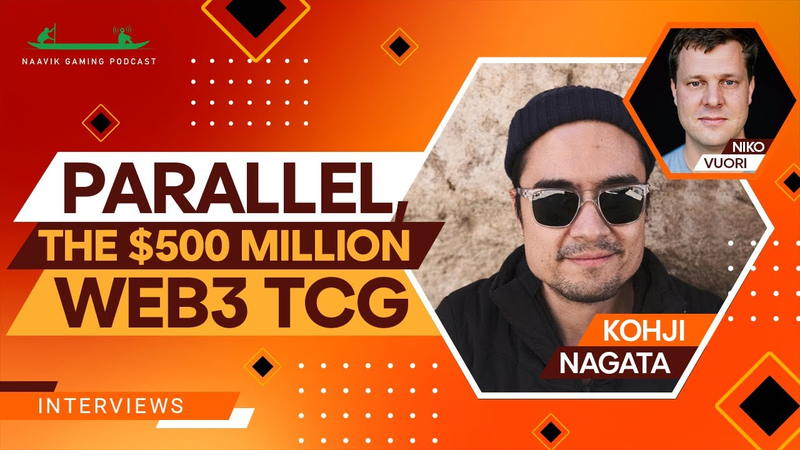
processing millions of transactions monthly you too can unlock the potential of borderless transactions to better engage in monetize your Global user base including the unbanked and simplify the way you handle payments start for free at zebedy doio integrate with just a few steps and monetize your experiences again that's zeid doio or check out the link in the show notes and with that let's jump into the episode hello and welcome to the novic gaming podcast I'm your host Nick oori we have a great episode for you today we are talking about possibly the buzziest web 3 game out there and that is parallel parallel is a trading card game TCG where players collect cards put together a deck and compete against others as we've discussed on prior episodes tcgs have always been one of the most natural fits for web 3 their real world analog cousins are inherently collectible generally have a notion of Rarity and have a thriving secondary Market the infamous Black Lotus card from Magic the Gathering uh earlier in 2023 broke its
own sales record at 540,000 us and post Malone famously paid $2 million for the One Ring card so there's a long history of high value cards Changing Hands in this space so it's no surprise that some of the earliest and most hyped um and bestf funded entrance into web 3 gaming were and still are tcgs and today we have one of the founders and the head of design of parallel from Toronto Canada which is building a Sci-Fi themed TCG Our Guest is Koji Nagata and he has a really interesting background which you're going to want to learn about and parallel just won the top prize at the game three Awards the most prestigious web3 gaming award out there so koi congratulations on the win and welcome to the Pod thanks for having me I I appreciate being here and uh yeah I mean the win uh it's always nice to win stuff and it's a surprise to me um yeah it's kind of crazy but yeah thanks for having me I'm excited to talk about my favorite
subject which is parallel and myself all right well you and I have that in common so this is going to be a fun one uh all right well with the intro out of the way let's get right into it so um the very first question I have here for you is uh as I hinted in the intro you have one of the most unique backgrounds of any gaming guest I've ever had on the show and so we have to start there um you don't come from traditional gaming at all I believe I know you're a big gamer you play a lot of games and you play a lot of tcgs but I believe you come from a company called uh divorce mate which makes as the name suggests software for divorces which I didn't even know was a thing until I started looking at your background so please we have to start with that uh you have to tell a listeners more about uh how divorce mate has prepared you for a career and business in game design yeah so uh I mean I will say that I've spent a lot of time uh my free time designing mostly actually board and card games but like the physical versions not so much the digital versions um I worked in software
for a number of years at a bunch of uh software companies most recently legal Tech stuff and and divorce mate being one of them and uh so it's it is family law software um and essentially what what that means is it uh anything Family Law related when it comes to divorce custody uh Asset Division all that stuff it takes care of it but it's a sort of uh major use here in Canada uh which is almost has a monopoly is uh uh basically that uh uh when it comes to Asset Division and divorce and what have you there's a lot of very complicated math and how um things get sort of the Pie Gets divvied Out is uh there's some rules but it's it's they're not hard and fast rules unless we're talking about uh you know child support in which in case there are hard and fast I won't bore you with the the sort of intricacies of family law uh but essentially a lot of heavy math there uh and the software does a lot of of that and I kind of help
put together a version of that software and uh you know card games as well a lot of math right when it comes down to the actual U game design of it it's it's not so much you know what what is the tactile feedback of this gun how much damage is it doing uh you know how fast are the guys moving that sort of thing that you would you would get in some of these other games uh you know it is a more I don't know we'll say pure representation of game design and so um you know as Asset Division um and game design the the things that they sort of have in common is a lot of uh spreadsheet layouts um and so yeah I mean I think that's kind of what sort of prepped me for doing this this whole parallel thing and the desire to escape not divorce mate I mean I enjoyed that job but uh maybe that life in general is what sort of fueled me to to create this game yeah I mean I I I just love this background I I you truly are a oneof a
kind oneof one if you will in the TCG um uh terminology here uh with that with that background I honestly didn't know that uh divorce software existed but of course it does right like there's software for anything so um I I also love how you know you connect that heavy math to the game design piece which I think just I mean it makes a lot of sense um so yeah excited to to hear that story and I'm glad we could share that with our with our listeners um okay so follow on question to that then so you know going from that to to parallel we're going to talk about parallel and second of course I'm talk plenty about it um but I want to hear your journey into web 3 in particular I always like to ask our guests um you know what took you down the rabbit hole like what got you redpilled into the world of web 3 um so yeah tell us a little bit about your journey I mean I think what got me red pilled is our is our CEO and and one of my best friends um he goes by kosa online he essentially got a bunch of us together uh and a few of us had worked together in the past as well but he got a bunch of us together
and said hey let's let's try and do this thing you know we had been talking about it a lot in Co we wanted to make a game um and he brought some people together and said I I'll you know here are some people we have aine interest let's figure it out and some of those interest were let's make a game uh one of the artists uh very talented artist the head of of art um at parallel Oscar Mah uh wanted to get into nfts and then we had some a bunch of smart contract Developers and other people that we knew and so it kind of all just got mashed together I wasn't a web 3 native at all when the when the project started you know like I was aware of it and I had dabbled here and there in in some things but I didn't I didn't know to what extent uh the degeneracy uh you know how how deep that well went really and it goes deep it goes deep you can go really far down that rabbit hole that's for sure oh I I I uh you know I watched from a distance with binoculars the the the true degeneracy you know but uh but anyway
yeah I um the experience with the game I was very sort of uh hesitant you know um as most people are I think when they get started but really working with these guys that that I trust and and making some new friends along the way uh I was I was really brought around to the benefits that web 3 could bring us and it's not just about ownership because like obviously when I first looked at it I was like yeah you can buy sell trade the cards this is amazing you know because I love magic and I I still love going to the card store and buying and trading stuff and so that bit of it I was like okay this makes sense but then there's so much more to it uh you know all the intri intricacies of of tokenization and uh the systems that you can create and the utility that smart contracts bring so that you don't actually re really need to rely on uh people and it's sort of very automated if you if you do it right uh makes a lot of sense to me and so anyway yeah uh
that's a very long winded answer to say that uh working with these people is what really brought me along fantastic all right so um let's talk about parallel um and the game itself uh there are obviously a lot of tcgs in web 3 uh which I'm sure you're aware of and of course as I sent in the intro it makes a ton of sense um because you know collectibility tradability all the features that make a TCG work in the real world work in web 3 particularly well um around ownership in particular and of course um uh we did an episode just a couple of weeks ago uh if listeners haven't um listened to that yet uh we did a whole piece on uh web3 tcgs and what the marketplace looks like you know heading into 2024 um but I want to talk about parallel and what makes it uh different from some of the other web 3 tcgs on the market uh COI can you tell us a little bit about uh what what parallel is and how you're positioning it uh differently from from what's out there oh I mean there's a lot of levels to that question I think the most obvious first one is
it's a Sci-Fi trading card game uh anyone who's familiar with the likes of Mag the Gathering or Hearthstone or Runa or any of the sort of more modern card games uh the the the gameplay will feel natural but there are obviously some mechanical changes but I think it's very important to highlight the sort of sci-fi nature of it you know there there have been a few uh successful sci-fi tcgs like one of my favorites and I know this is question that's going to come later I know I told you that I didn't read all the questions but I skimmed it and I saw that you asked about other tcgs uh there's a game called Netrunner uh that is a somewhat sci-fi based that it you know really spoke to me when I when I was younger and uh but generally speaking when one thinks of tcgs they think of fantasy and I mean you even just look at the sort of Disney TCG and even their characters operate in a sort of Fantastical world it's not not uh you know tech-based and so I think
the flavoring uh is very important because we're we're in an era now where people especially in the space that we operate in people are are very future focused and and uh you know the big buzzword of of the of the time is AI and so everyone's like looking towards Tech and so I think making a game that uh is Tech focused makes a lot of sense of course we didn't know that AI was going to be the Buzzard when we started this card game uh for tus uh but so there's that and then uh mechanically speaking basically what we did what I did is is I took all my favorite elements of the card games that I loved smashed them together and got rid of all the rest and so on a you know very basic level uh I think Magic the Gathering is one of the greatest card games ever made but I don't think it translates very well digitally um and one of the things that holds it back is the sort of Mana system you have to draw Mana from your deck and that means less cards you actually want and less consistency I think that Hearthstone sort of iterated on that and said okay well let's get rid of Mana entirely you just kind of get one per
turn and that allows you to play your cards and I thought you know that's great but there's more that could be done and so we created the banking system which allows you to sort of uh take any of the cards that you have in your hand and use them for energy as opposed to uh playing them for their intended purpose so you have to kind of make a choice there but then we also have cards that interact with what we call the bank which is where you put those cards uh you know so that you can swap cards in and out so you can flip cards over you can r information about your opponent or about yourself you know you can faint information about uh your opponent or yourself you know um I I come from a bit of a poker background so the idea of bluffing was was uh big for me and that's some something that I wanted to incorporate in the game uh you know the game itself also you assign uh generals which we call Paragons to your deck which essentially um give your deck a passive ability that exists throughout the game that is unique to that Paragon
as well as the Paragon itself most of them are playable cards that when you have enough energy to play them you can kind of play them for uh you know a bit of a to turn the game turn the tide in your favor and uh you know that's sort of a bit of a nod and a wink to Magic Commander so I mean I think the point is that like there are a bunch of familiar things here but done in very different ways that that add up to a very unique experience Yeah you mentioned the sci-fi theme which was actually a planned question I had anyway and I just want to kind of dig a little bit deeper into that um that realm uh you know the Sci-Fi theme is pretty unique among tcgs uh especially the one you know you mentioned fantasy is your traditional air quotes traditional way to go if you're going to do a TCG um and you've gone very sci-fi Theme by the way I love your art style I really do um very very impressed with that whoever you've got on staff doing your art is uh he's doing a great job uh so I love the Sci-Fi theme I love the look and feel of it but it is very different so when you started down this path did you say hey we're
going to deliberately go down hey we want to do sci-fi because it's different or was there were there more like gameplay elements that you were thinking about that made sci-fi the the more natural fit no so actually we started with the the lore and the story um and the sort of feel of the game and then went to the the mechanical nature of the game and I think the reason why we chose sci-fi is um again me and all of my friends that we work with were all sort of technologists it also uh definitely speaks to uh the our our at the time was our only artist but is now sort of the head of of all the art of parallel Oscar Mah again um he in fact uh always jokes that uh he has never seen the Lord of the Rings and he hates that nerd [ __ ] quote unquote uh I hope I'm I hope I'm not outing you here oscar but but basically uh it was it was
sci-fi or nothing which was okay with us because uh you know we we appreciate Tech and I think that also you know I don't know if this was an active thought at the time but maybe it was just somewhere nestled in our brain the fact that we are building this game at sort of The Cutting Edge of of tech and and sort of the early adopters of tech in web 3 it only makes sense that the game be Tech focused like most sci-fi sorry most fantasy based uh games take place you know in the distant past or you know some semblance of what the distant past would be and that doesn't really make much sense to Tech Focus people in my mind yeah that's actually great uh segue into my next question which was uh who is your target audience um is it traditional TCG players from the analog world or Hearthstone players from web 2 uh is it crypto enthusiasts you know web 3 early adopters what's the did you have a conscious here's our segmentation here's our Target demographic that
you're going for when you first started building and and has that evolved over time as you've obviously been building this game for a couple years now uh that's a good question I I think you know what's funny is I think that a lot of the questions that you ask um or that people ask you get different answers depending on which founder you have uh sitting in front of you uh but for me my main focus was to make a card game for other card game nerds you know I I wanted people who were familiar with the games that I loved to sit down play parallel and be like oh I see I see what's happening here I see why they did this or oh you know this is a really fun interesting Twist on XY z um and and that was the only segment that I cared about now obviously that's probably uh not the smartest move when it comes to uh you know building an audience and and and and making money and so uh you know thank God that uh or whoever I mean I'm not a I'm not a religious person but thank you know whoever that uh that that
other people have gravitated towards it and and it's been um you know more wider reaching than that but I will say that um you know we've had a lot of great uh card game influencers come in I have to shout out uh you know the the parallel Queen herself alist stza she is the best but immediately she played the game um you know this is before we were working together she played the game and she was like I love this you know and I that made my day because she was one of the only uh influencers that I knew from before I'm not a huge uh I don't know streamer Watcher uh but I had seen her do Hearthstone related things before and the fact that she loved it was incredible and then we had a bunch of other influencers more recently uh play in a in a in a grand scale parallel tournament and a lot of them are either current or former Hearthstone Pros uh you know the winner bunny Hopper um he is a current Hearthstone champion and a bunch of them have stuck
around and continued to play and and have told us that they you know really enjoy a lot of elements of the game which is like that's it you know I did what I set up to do I I I uh the game speaks to my people and and I mean knock on W again thankfully there are also a whole bunch of other people that the game speaks to but yeah I again very long-winded answer to say that I really just wanted to make a game that excited people like me because I think that if you're not excited about it yourself or if it doesn't speak to you directly and you're actually just trying to hit an audience people can see through that you know and uh I think it like in order for me to really build something with like care it would have to be something that was made for me yeah I mean it's it's a great feeling as a game developer uh or any product owner when you put something out there you have a thesis and then actually resonates with the people you want it to resonate with I mean that's a really good feeling uh so you know you're I mean that's your classic product Market fit right pmf from the the tech jargon
here um so awesome I'm congratulations on on on hitting that goal and and getting that Target there um so this is going to bring me to the so your audience is is TCG players right you've got your Hearthstone champions in there you've got your kind of uh trading card influencers in there um and you've said that Hearthstone and magic gathering for obvious reasons are some of the biggest Inspirations for parallel um what are the other games and and uh categories of games you mentioned poker the bluff thing what else is inspiring you as you're building this this product obviously TCG is it's heart but it seems like it's going broader and touching on a lot of other genres that that uh have inspired you as well sure I mean you know at a base level there are other card games that I look at I mentioned Netrunner um in the sort of 90s magic boom uh there were I played every game under the sun there was a football based card game called grid iron that I used to play another game called Illuminati
that I played you know I I couldn't get enough of that stuff and then um you know again there a bunch of board games that that that sort of really speak to me um I don't wantan to I don't want to I could probably list off names of stuff forever but I will say this that um when I also talk to people about joining our team and and hiring them especially when it comes to uh the game design side of things uh inevitably Dungeons and comes up and I I mean the tabletop pen and paper role playing game and that's because creating this stuff I I mean we we have a amazing uh staff writer his name is Greg he's written the comics and and done some other stuff and and he helps the lore as well but our team is also uh very responsible for creating the characters and the lore on the cards um and sometimes uh the functions of the cards inform the story and by that I mean we come up with an interesting card and then we we build a character around it and sometimes the opposite is true
you know the story informs the cards and it's like oh you know what this this class of people behave in this way so let's build a card that sort of demonstrates that mechanically and so I think you need to have both sides of that coin you can't just have people who are coming up with interesting mechanical things and and have no mind for their story and vice versa um and so yeah DN is a is a big part of that and I mean I try and take inspiration wherever I can find it you know I I play any game I can get my hands on uh it doesn't matter what the genre is and you know I may not spend an inordinate amount of time playing Call of Duty or whatever but if a new Call of Duty comes out and people like this is the best game ever I'm gonna pop in there and play it and I so I look for people that that sort of uh do that okay I'll give you a little sort of tidbit here before all that we talked about my work history at one point I was a musician and I used to uh you know go around and play music all the time and one of the things that inevitably musicians do you can probably
talk to any one of them is when they go listen to another band play it's very hard to turn off your musician Brain and be like you know just Bop along the song what you're doing is you're basically you know the guitarist will do a crazy lick or or the uh the drummer will will do some sort of crazy fill or play some sort of crazy beat or there's an interesting transition and you're like oh I see what they did there oh that's interesting like you're picking up these little pieces and dissecting them and I think that uh a good game designer does that too so it's not like I draw inspiration from a small pool of games but I'll play any game hone in on very very like minute elements of it and be like oh that's interesting I like that oh that's interesting I like that and it it may not all apply to card games but you build up that Rolodex in your brain and you can like you know when when the time comes it's it's there ready for you yeah I mean that resonates strongly there I don't want to bore a listeners with a story from my long distant uh Zinga past um but uh uh very briefly we
took inspiration from draw something which is obviously a pictur Style game on mobile when that was blowing up and Zinga bought it and everybody was playing it and we put it into one of the Ville games frontierville in this particular case which was a completely different genre of game and that one feature it was called prized pigs uh was we call it the partner mechanic where you just pick one person and you go back and forth uh just like you did and Draw Something uh and it it totally reinvigorated the economy of frontierville um and so what you're saying almost gives me goosebumps because you're exactly right as a game designer I'm not a musician I I'm completely ton deaf but I am a game designer I love games um and what you just said about you know you're you're looking at other games you're trying to get inspiration you can't switch off your game designer brain that's so true um and so I love love that you're bringing elements of other genres and other games and other experiences into parallel in a way that seems to be resonating with with your players so that's awesome um okay let's switch gears a little bit let's talk about um
the web 3 elements here um you know parallel obviously is a web 3 game um it has nfts um but beyond collecting trading nfts how else are you incorporating elements of of web 3 what is what is inspiring you about the web 3 ethos if anything um that you're bringing to parallel in a way that that makes it unique and not a web 2 experience sure so we're trying to uh sort of meld the two together such that uh the web 2 and web 3 experience like web 3 augments the web 2 you know quote unquote Web Two experience as opposed to having it be its own thing or or separate things or you know what have you because I I think that uh you know we like to use the analogy of boiling the Frog I think that uh to bring people into web Theory you got to put them in a room some room temperature water and turn up the heat and so you know you you hit it on the head that initially the the web three element the the biggest
web three element is the ownership of the cards the buying selling trading and you know potentially borrowing and some of that other stuff uh of course we also have uh an erc20 associated with the game called Prime uh and that is earnable if you uh engage with web3 and the way that works is essentially that um depending on the makeup of your deck or how many nfts you have in your deck that is sort of proportional to the amount of prime you can earn for winning a game so um if you have a full deck of nft cards you'd get 100% of the emissions you know Etc um and Prime can be used for a lot of things in and out of game but one of the big things uh that I think is maybe very specifically web 3 is uh you can spawn new cards uh so uh without getting too detailed the way the game works we'll take a card called annihilate as an example example it allows you to Target a unit or a
relic and destroy it um a very useful card that a lot of people have in a lot of decks uh you know I don't know what the addition size is but let's just say it's 2,000 or something like that like obviously if we're going to need more than 2,000 players in the game for uh the game to be viable and if the card is only limited to 2,000 copies what do you do so the first thing we did is we implemented what's called Apparition cards which are cards that are not sellable not tradeable tied to an account but function exactly the same in the game now obviously cosmetically they look differently and there's some other bells and whistles they don't have but from a player experience standpoint when I play annihilate it will destroy a unit or Relic no matter what type of card it is so there's that uh however of course we want as many people uh to uh engage with the web 3 side of things as we can so what do you do we we created um uh replication which essentially allows you
to uh earn experience on your existing annihilate nft if you own one of the we'll say again 2,000 I don't remember what the addition size is but one of those 2,000 cards you own you earn some experience playing that card and once you have enough experience you throw a little bit of Prime in there and you get a a second edition version of that card uh as a player that's an nft that you can then I don't know use as an nft so you can have an additional copy in your deck or you know give it to a friend trade it with somebody put it uh up on uh whatever Marketplace you use I don't know so but uh what what it the system allows you to do is the Players become the uh sort of secondary or the the primary market for new players not even the secondary the primary Market because we we'll never create any more uh ver like copies uh nftd copies of an of annihilate uh outside of the addition size that we've printed it's now up to
the player base to to provide those additional cards to those players and that's something that you can't do U without web 3 I was going to say I mean there's there's other elements to it too like I you know I alluded to being able to loan people cards that's something that you could do very easily uh with the web three side of things and then one other thing that I'll mention very quickly is um throughout our our our battle pass which is like our season's pass and some of the other Cosmetics that are available in game just generally um as a web two player you can earn those cosmetics and you get prompted by saying hey if you're if you have a wallet if you want to pay the gas you can turn this into an nft in fact as an any type of player you can you can turn this asset into an nft and maybe you know you're a web two guy and you're like I don't care about that I'm not going to do that fine you don't do it but maybe you you because you're interested in the game you play the game you start to see you know inevitably a story about this
card sold for even $20 $30 $50 whatever it is maybe less but like the gas Fe is like a dollar or I don't know what it is but I'm just making this up why wouldn't you the next time you get offered that be like ah well I might as well try this and then I own this thing and if I ever want to get out of here like you know the liquidity is there or whatever so like that's another web three element and I'm sure I'm missing a whole bunch of them and the the more web three focused guys on my team are going to be like hey like uh we need to put you in Media training or whatever but you don't need meate training with with novic or or with me you're you're good you're good okay raw raw and unfiltered is is how we like it here on this podcast um so a lot of really interesting what's nice about web 3 and in my opinion I'm presuming you're going to agree with this but is you can do interesting things you can do new things that you can't really do in in web 2 um and you've just listed a whole bunch of those and we don't have to rehash that but it also comes with some pitfalls um because you do have to balance the economy not just for web 3
and but you know but also for web 2 and vice versa and then some players do care you know if you're kind of straddling the Two Worlds some players really care deeply about the ownership and the ethos and the philosophy of web 3 and you know what digital ownership really means and then there's other players who just care about the gameplay and that that's fine that should be totally fine but as a game designer and a game developer it's it's hard to live in Both Worlds at the same time so my question to you is how are you finding that balance what are you doing to make sure that you're respecting what the web 3 players want uh and you're respecting true digital ownership while also catering towards a much larger audience um like you said you can't build a viable business off two you know addition of 2000 but at the same time you can't be minting more in the future because that completely breaks the packed almost like the contract with the players that Meed that first edition so um long long question but really the the point of it is how do you balance web 3 and web two elements
in a way that stays true to both worlds uh okay great question I have a question of my own for you first am I allowed to swear yes go for it okay uh I don't give a [ __ ] about web three players uh and so that that's how we balance it but but I I mean that in the most respectful way I'm I'm I'm like obviously kidding uh I I do care about them but I don't design with them in mind but that's that's the amazing part about the the way that we built this company so there we there's a bunch of Founders there six of us we're all buddies and we all come from a different different specialty and we all uh sort of pick up on each other's blind spots and so when I design something that is maybe an issue uh you know they they come to me and they're like hey have you thought about this for these people you know and maybe my first response is like the response that I gave you which like I don't give a [ __ ] you know but like they're like no no no no like here's why you got to consider this and then I you know I Maul it over and then it's like oh okay and then we
figure out a way to like the happy medium or or you know whatever it is that that that makes everyone happy and that's kind of what makes it perfect and and the opposite is also true they designed a bunch of amazing web three systems that are um you know focused at the people who who love that sort of stuff but then I'm like wait that excludes the the traditional like as I'll give you an example right like when we first built the project some of these guys were like oh we'll just make people buy packs uh like starter decks like you would you know Magic the Gathering in the store and I'm like guys no way that's going to work you know no way that's going to work this game has to be free to play and anyone needs to be able to access it without even uh forget about a like a a crypto wallet like they just need to be able to download the game and play it you know and uh they were like what are you talking about and and the opposite has also been true like we've had these conversations back and forth and so like the I'm not the one
who who balances it we as a collective uh balance those ideas but we have people who are very much in one camp or the other um and that's what makes it work nice okay all right well I've certainly found as a web 3 developer myself I've certainly found that there is there is definitely a balance to be found between the web 2 and the web 3 elements and uh kudos to you for for finding that balance or hope hopefully at least getting close to finding that balance um so uh I do want to bring up one moment that you guys had which is I believe you sold a oneof one card which doesn't actually have any utility in the game but is a oneof one uh and it sold for I think a million dollars give or take $1.1 million uh in eth uh so why didn't you tell us about that moment and um how it happened and how did you guys feel when something you've created a digital asset sells for a million dollar I mean that's kind of a cool thing and a bit of a milestone I think for um for the TCG web 3 Industry so I'll I'll tell
you this and this is how I feel about most of our sales especially when things mint out and go crazy and whatever I'm the only thing I'm thinking is like [ __ ] we really got to do it now you know like it's not I I mean don't get me wrong obviously like the signals are there and and it's a happy moment and all that stuff sort of but like I am also a neurotic uh mess and so I I can never enjoy anything properly and the only thing I could think of is like well we got to deliverer you know this guy paid a million dollars for this thing let's make it worth a million dollars you know or else and uh and so like and that is true but I also use that as drive for like okay let's let's actually make this good though because there's there's like legitimately people who who truly believe in this Believe in Us and it's not even just about the dollars that they spend because there are a lot of people who um you know spend a lot of time on our Discord shout out to our
mods who are uh incredible um you know and and and all the community that's there because one of the things that has made parallel great and I think drawn people into the game and the world and all that stuff is the people that are around who love it you know but because they love it so much we have to really like do it and so uh I I'm I'm definitely well I'm happy that it happened and and very appreciative and all that it for me it's it's not about like oh man like [ __ ] yeah we sold it for a million dollars for me it's like oh okay so now this game has got to be at least a million dollars good yeah I was I'm actually gonna say it's got to be at least $50 million good because this leads me to my my next question which is uh you guys raised a whole bunch of money I believe it was 50 million at least I don't know if you raised before that uh at a $500 million valuation at least according to Tech wrench and led by Paradigm which of course is uh you know one of the top uh crypto focused web3 focused VCS um and
of course it's better to be well capitalized um than not the alternative sucks um but when you have a big raise just like when you have a big sale for a million dollars you know there's big expectations and so how are you guys thinking about those expectations um you know you've eluded you've teased a little bit by this $1 million sale but it's not just about that one sale or those those players it's also about your investors and the VCS and the partners and the stakeholder other stakeholders that you guys have um so yeah just talk a little bit more about that raise and and how are you guys spending that money that that capital and and how are you balancing uh getting to Market quickly getting a great product out there with obviously commercial you know success in the future I think that uh this is another one of those questions where maybe you brought on the wrong founder because uh I know how I'm spending some of the money which is uh an amazing team of people that helps me make this game great uh shout out to all of them uh I now have two John's and we most recently got
somebody named Andrew who's is working out famously um but as far as you know what what a raise like that looks like what do you use it for whatever um I mean I think it's no different than any other game Studio except I will say that our um our CEO and again my good friend Kaos he's a forward thinker you know like when we first raised that money we were making a card game and he hired a bunch of uh 3D artists who specialize in AR and VR um and and like why would would you do that with a card game well I mean for a number of reasons right now we're ready for you know possible uh AR and VR Explorations and we know that a certain uh fruit themed company is coming out with a headset very soon that could change things um and then uh because we have corresponding 3D assets for each one of
our cards when it comes time to work on another game which we are uh colony and we want it to be in something like Unreal Engine we have those assets already so uh you know we kind of front-loaded that development so that we could plug and play games later on or more plug-and-play games later on so that we could get this whole thing done um and I also will say that uh making and promoting games is is really hard and and like insanely expensive um and what's interesting about it okay I know this isn't really the question you asked but this is what the one I'm going to answer that's like a the interviewer's trick right here is a I'm like pres presidential debate I'm gonna answer the question that I want but but um the the thing here is is that like having money is great and everyone's like oh you raise all this money that you know like you can make the best game ever uh you could you know let's just say you wanted to make the last of us three okay if you had an unlimited
budget you could probably make it you know rather than five years maybe you could make it in four years right but there is literally no sum of money that would allow you to make that game in a day you could have every dollar in the entire world and still not be able to make that game in one day right it's just not possible so uh well uh funding is an accelerant uh a catalyst maybe to some of this stuff you need to have good ideas and good people in order to execute and I think that that's um something that people really need to to take into account when it comes to uh you know funding and all that because there's always questions like oh you raise all this money when is this stuff going to come out how why is this taking so long all this it's just like uh yeah it helps move things along which you know we we've got a closed beta that people have been playing for a while in like you know a year and a bit or like two years which is like insane by Gaming standards because we didn't do any pre-production here's a I don't know if
we've ever mentioned this before but there's been no pre-production on the game before we started we developed it all um in real time and uh pretty much out on the internet for people to see you know if you go back through our Twitter feed you can see the history of it and all the explorations and it's all just been out there um which is unheard of so you know I think that like what what have we done with it we've we've sort of accelerated our clock um and we sort of future proofed the company but there's still more to come yeah yeah well there always is I mean games games are hard takes time and effort and you need to polish and you know super famously keeps things in soft laun for years sometimes and then still kills the game after after all that time so um totally totally understand that okay uh let's talk about Revenue model um so curious about your Revenue you said it's completely free to play uh you said you don't want to charge for starter packs or card packs um I believe you take 10% of secondary sales of which half goes to a prize pool uh for the competitions for
players and then the other half presumably goes to you uh is that your only stream of Revenue or do you have other uh kind of business models that you're you're exploring as well we do have card packs that you you can buy uh so those Apparition packs that I mentioned uh as a free-to-play player you get you get starter decks for free and you can earn packs through playing the game but like any other traditional web 2 game you can buy packs as well and you buy packs with an in-game currency called glints and cosmetics and all the other stuff very much like uh you know most of our contemporaries however you can purchase those glints using your credit card or your um your Prime and depending on what you do there any of the credit card purchases a certain percentage of that goes to the echelon Foundation which is the one that issues the prime and they use it for whatever means they're going to use it for I understand that you know they may be buying back some primer or I'm not sure what their uh whole thing is you'd have to ask them um and then uh a certain
percentage of the of the Prime throughput also goes back to them a majority of it probably again I'm I'm definitely the wrong person to ask about that there's a several papers published on on that just that and all of the sort of syncs that we have in the game go back some of them go back to or sorry all of the syncs in the game some percentage of that goes back to uh Echelon and the token and all that stuff so um yeah how are we funding the game I mean uh there's some impressive stat that I don't know because uh again I'm not the one who usually does this in the in the sort of talking points but uh in in the time since open Beta is open has oh my God this is see this is the problem with not reading the questions ahead of time uh you kind of flub your answer but in in the time that the Clos beta has been running we've had uh an obscene amount of cash or like credit
card purchases from our um web two and web 3 players so uh you know no issues there and then uh Prime is a is a strong token so we're we're happy to be taking that in uh on that side of things and I mean yeah that's basically how we're funing it's not so dissimilar from uh the web 2 version of things and of course we have our pack sales so uh when new sets for the game comes out we drop nft packs for those cards and sort of the primary and secondary markets from those cards go to fund the game nice okay uh good answer I mean you definitely seem like the right guy to ask given you're the only one in the room here so you're the right person for meet I should also I should also mention that we have you know the other things like we have a bunch of Cosmetics there's emotes for your uh Paragons there's Paragon skins there's bunch of other stuff and some of those are are locked Prime exclusive some of those you can buy with glint some of those you can
only earn in the battle pass and and that battle pass revenue of course is another U source for us so there's I mean a bunch of yeah Diversified is is the answer there so yeah so um if we were to boil it down to one word I think Diversified revenue streams would be would be the one there so um all right well let's let's go back to gameplay because uh I know you're the right guy for that for sure um and you have uh announced or at least I heard that you're working on a 3v3 team mode for parallel and I'm very curious to hear I'm not a huge TCG player certainly nowhere near as huge as as what it seems like you know you are and have been in the past but um I know enough about tcgs to know that 3v3 is pretty unusual so very uh Curious to hear what is this game mode um when is it coming out and how does it work essentially what it is is you're teaming up with two other people each of you is going to pick a a unique parallel so you can't have two colan players or or what have you um and the makeup of all three of your
decks has to be unique so that card annihilate that I mentioned that is in a lot of people's decks if it's in my deck and you and somebody else are team with me then it's not going to be in your deck because we also have Universal cards so I mean obviously that all the Maring cards are going to be unique to to you let's say I'm the Maran player going to be unique to me and you're not going to have access to them anyway but any of the Universal cards can't be put in your deck so there's a bit of strategy around deck building for the three of us and then the matchup uh you get paired with another team of three and there's a coin flip and let's just say that we win the coin flip we we choose first so I can choose to have my Maran deck or one of my teammates decks face off against one of the opponent's decks so I can try and choose a favorable matchup there and then the other team gets to choose the other two matchups those three matches get played uh at the same time separately and it's up to you as a team
to sort of communicate and say like oh you know this guy just played well again we'll use annihilate this guy just played annihilate in my game so you two are now safe to throw out your big boys because you know they're not going to get completely destroyed by that one card or that that's one piece of removal you know that the the other players don't have you know and so it's a it's a bit of a cerebral experience you have to really know the game but it's also one of these things that that makes card gaming feel a lot less solit there you're you're actually in a team with some people and there's some strategy involved both in the construction and the implementation um and that's it in a nutshell and this is all happening in real time or it's turn-based how how does the pairing work how does the uh game play does it happen synchronously asynchronously yeah so as of now the game will happen uh the three game games I mean obviously this is subject to change but the three games will happen
at the same time uh but as far as you know the the game itself is turn-based and uh is very dependent on when each player hits the end turn button and so it's not as if if if I hit end turn on my game or on my turn it's GNA like flip the the turn for the other three it's three independent matches played at at at uh basically start at the same time and then having the players kind of communicate with one another gotcha gotcha okay well we're getting close to the end here um and I do want to ask one of the questions that I always ask uh our web three guests which is uh distribution um you know one of the hardest thing in gaming in general is distribution regardless of whether you're Web Two or web three or whatever um but it's particularly hard in web 3 to to get distribution it's very hard to get in front of your target audience um so I'm just curious to hear how are you guys approaching that what's your kind of marketing strategy go-to
Market strategy distribution strategy uh for getting your game games sounds like you've got multiple in the works here um to the right people uh that will appreciate it and you know presumably spend money on it I mean that's a good question it's tough because of the web through side of things is still a bit precarious and and untested uh you know just ask God's Unchained I'm sure we all read about that but essentially you know our our strategy right now is cast The Wide nut uh it's on Steam it's up on Steam to be wishlisted at the moment so uh you know one logic would dictate that eventually the game will be downloadable on steam or some version of the game will be downloadable on Steam um we're working on the Epic store as well so we're going to meet sort of the web two Gamers where they are and allow them to engage with web 3 on their own terms uh where we're also going to be Distributing it um on our own website so
uh I think that basically as things pop up that allow us to get games the game into people's hands you know we'll be utilizing all of it there's not sort of one strategy uh uh you know I think that probably the the way that I would like Gamers to experience a game is to come to our website learn about the game the lore the story and all that stuff and then download it but I'm I'm re I'm a realist and I know that like things on on on Steam and epic are are certainly um easier for people to get their hands on and more trusted so we're going to be there as well how have you found your audience so far just out of curiosity I mean you've got some of these um influencers from the TCG World playing your game You' got the Hearthstone Champion playing your game how have they found it uh and I'm presuming that's a pretty viable uh strategy for distribution is to partner with some of these streamers and or influencers um to get in front of their audiences I I think having those people on our side is incredible and and
getting the already entrenched card game players is very important and we know we've been getting those people at a steady clip I think that one of our uh greatest sort of Clos beta invite codes is the alist stza invite code it is a eclipsed even my own code which makes me very sad but um so yeah it's definitely viable strategy but I've also heard from a lot of people especially in the web 3 space because obviously that's where we started that this is their first card game and they thought that they wouldn't like card games and they love card games oh that's really encouraging by the way it's I I have not heard that from we've had other TCG guests on this the show you know for all the reasons that we talked about but uh and you're the first one to say that you've actually introduced uh your TCG web 32 a brand new audience which is awesome like that's really great to hear yeah I mean we've been really lucky I you I I I mentioned it earlier but we had a lot we have and had a lot of
entrenched community members even before the game was playable who were just like I love what these guys are doing I love the art I love the story uh you know I'll figure out the game when it comes out and that's what they did and uh again a lot of them are new to tcgs and so I think that uh given that if it's possible you know we we want to hit people outside of that world because I I I think that um it's been a long time since the TCG has come out that that has really sort of spoken to a wider audience you know not since and I don't want to knock Runa because I think Runa is probably one of the best built card games out there but I think not since harstone really has like things gone truly parabolic in the card game world and so uh and I'm not promising that that's going to be us but I think that maybe we have a chance and um if we do the only way we're going to have that chance is if we give ourselves that chance and so I think trying to hit people outside of the um TCG world is
important so like we've done things like we have a comic book you know we've created all these uh shorts we're GNA have an amazing trailer I don't even know if anyone knows about this yet and I probably shouldn't even mention it but here we are we're GNA have an amazing trailer that's going to come out when we announce our open Beta um that's going to you know begin to tell the story of parallel which you know I think that they're going to be people who watch that and say I want to play that game and they're not even going to know what it is um and so yeah I mean uh I for me and I talked about this earlier my bread and butter is always going to be the card game players because that's who I made this game for but I I think that success will hinge on whether or not we can actually get people from outside the genre to play and so far we've been doing pretty good nice well congratulations on that um all right brings us nicely to our final question I was like and a h note and that was definitely a high note um so uh the question I ask all our guests this year in particular 2024 is what three games
are you playing or what three games are you most excited by at this moment in time oh amazing question okay so the the S it number one will be the same answer for the entirety of of time it seems because I have like thousands and thousands of hours in this game but it's The Binding of Isaac okay uh is like my one of my favorite games ever um it's just so interesting to me the way that they can stack things I mean obviously it's not a multiplayer game so it doesn't have to be balanced but how fabulously unbalanced it can get is like uh tickles me to no end so that that game will always always always be my most played game uh for sure I'm quite excited to try the new Prince of Persia I've heard a lot of good things and it's a Rog likee uh and and being a dad I don't have uh much time time for game Loops that are you know more than like half an hour or 45 minutes so that that
fits pretty well um and it's sort of a return to form to the Prince of Persia series because I'm old enough to remember the original dos based Prince of Persia and so as am I trust me trust me as am that was one of my favorite games um back back exactly and nothing has ever actually come close since then so uh yeah let's see how how this latest version does yeah I agree I you know what I got to give it up to sanss of time not exactly the same type of game but like the the rewind element U was a lot of fun it was kind of like the first time you played uh Max Payne or something and it's like wait I can slow down time and move like and now you can do that in like pretty much every game but but when it came out you were like this is the craziest thing I've ever seen it's incredible um okay and what's number three that is a great question for me what's number three well one of the games that started it all for us at parallel and that I continue to play with my friends now um or I've just recently picked up again to play with my friends now uh because my daughter is now a little bit older and I have at
least you know 30 seconds a week to try and play some games uh is Apex Legends uh I have a lot of fun uh with Apex Legends so that's up there I you know um I have to say though honorable mentions to uh the very first Fallout game will always be my favorite and I always go back and revisit it one one and two excuse me both those are uh quite incredible and um you know it's kind of a copout but balers Gate 3 is one of the best designed games I've ever seen in my entire life the the amount of effort they've put into every tiny tiny detail in that game is astounding like you'd think they' get lazy and be like let's not voice some of these lines you know uh you know this this this rat that that 95% of the players will never turn into a rat to speak to like like let's let's leave that out and they're like no no no we're gonna we're gonna do literally everything we can to this game and so
like shout out to them for really making that experience like the most insanely immersive thing that has ever existed I just wish that I had uh time to give it the attention that it deserves nice yeah uh so far 100% of Our Guest this year it's obviously only January but or the end of January I think this episode comes out in February uh first week of February but uh 100% of our guests in uh 2024 have mentioned balers Gate 3 and I've mentioned every time that it's on my list I just wish I had time too so uh so yeah listeners balers Gate 3 is appears to be resonating with uh guests on the navic gaming podcast um all right well cool this is a great place to end here uh COI thank you so much uh for coming on the Pod today uh it was a real pleasure and I learned so much about parallel and what you guys are working on and um you know kudos to everything you've done so far already and good luck uh going forward hey thanks for having me uh I really appreciate uh you have me on and even though I uh before we started this I said straight to your
face that I will never read a question that you sent me you were like that's no problem so yeah all good all good I it was it was a nice natural conversation and I I enjoyed our chat yeah me too me too uh I you know if if you'll have me back again I will come on anytime so thank you absolutely well we always we always welcome back our guests um and I know you guys have a lot of exciting things in the in the works and um looking forward to that trailer for sure uh see see what that looks like in the open Beta so uh yeah we'll want to have you back once you've got some real data from from the open beta and actual players in the wild um playing the game the the way you intend them to so um cool and a big thank you of course as always to all of our listeners we'll be back next week with more interviews more insights and more analysis from the weird and wonderful world of web 3 so until next time friends stay crypto curious and feel free to send questions guest recommendations and comments to me my email is Niko nov. if you enjoyed today's episode whether on YouTube or your favorite podcast app make sure to like subscribe
comment or give a five-star review and if you want to reach out or provide feedback shoot us a note at podcast nov. or find us on Twitter and Linkedin plus if you want to learn more about what navic has to offer make sure to check out our website www.nic.edu wide ranging Consulting and advisory Services again that is www.nic.edu [Music]
Auto-generated captions from YouTube — names and numbers may be misheard.














Comments