1 free read left. Create a free account for unlimited reading + AI research.
Create free accountWhitepaper DiGRA
1 free read left. Create a free account for unlimited reading + AI research.
Create free accountWhitepaperDiGRA
In game modding, intellectual property constrained players remixing corporate content. In machine learning debates, it has become a defensive tool for artists.
This paper examines the evolving relationship between remix culture, copyright, and creative authorship, tracing a shift from player-led modding in computer game sandboxes to the controversies surrounding AI image generators trained on existing artworks. Its central argument is that copyright has reversed its function: in game modding, intellectual property constrained players who remixed corporate content, whereas in machine learning debates, it has become a defensive instrument for artists resisting automated systems that draw on their work. The author frames this transition through Jameson's account of pastiche under late capitalism and through theories of postproduction and new media, proposing that sandbox culture and AI generation share a common operational logic of recombining cultural fragments.
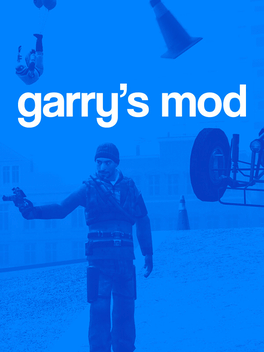
The paper's comparative method sets the legal and aesthetic frameworks of modding, music, and visual art against one another to identify fractures and contradictions in contemporary creativity and copyright. Its primary reference points include the sandbox games Garry's Mod and Roblox, the generative systems Stable Diffusion and Midjourney, and a 2023 class-action lawsuit by visual artists against Stability AI alleging that copyrighted images were scraped into training data. Rather than presenting new quantitative data, the paper relies on scholarly literature, legal commentary, and prior work on user-generated content economics.
The analysis concludes that the binary between liberated remixer and constrained owner is too simple to describe current conditions, and that technological advances in ease of access and usability are reshaping notions of authorship, ownership, and derivative works. The paper argues that these developments may alter the aesthetics of modding and sandbox culture, and it closes by suggesting that the creative innovations emerging from sandbox play offer a useful lens for challenging the stasis implied by Jamesonian pastiche.
Each row is a game or company this document names, each column a document, oldest first. A mark means that document names it. Select a row to see those documents.

DiGRA · 2026

DiGRA · 2026



DiGRA · 2026



DiGRA · 2026



DiGRA · 2026



DiGRA · 2026



DiGRA · 2026



DiGRA · 2026

DiGRA · 2026



DiGRA · 2026



DiGRA · 2026

DiGRA · 2026
DiGRA · 2024