1 free read left. Create a free account for unlimited reading + AI research.
Create free account
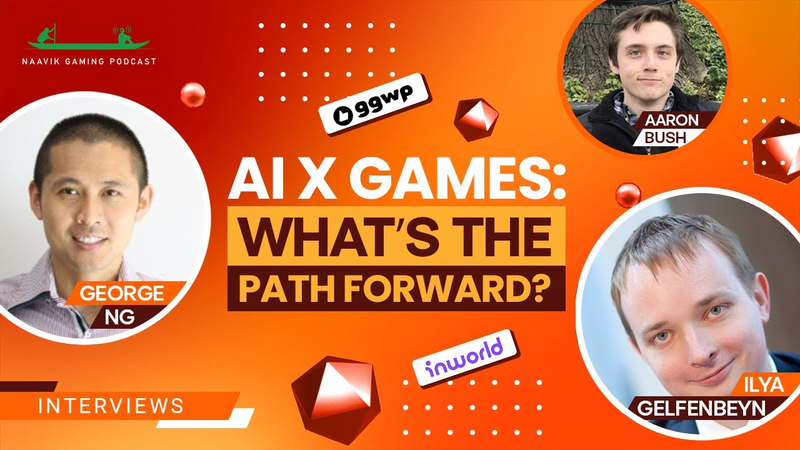
AI x Games: What’s the Path Forward?
Key insights
6 takeaways- 01The industry is moving toward enterprise-level scalability, prioritizing multi-modal capabilities that integrate voice, image, and behavioral data into core game design.
- 02AI is shifting from experimental research to production-ready applications, specifically enabling dynamic, player-driven narratives through adaptive NPC 'brains' and proactive, AI-managed community moderation.
- 03While hardware advancements and high-speed GPUs have lowered deployment costs, studios must maintain rigorous human oversight to mitigate AI bias and prevent predatory monetization.
- 04A strategic tension exists between open-source models, which favor community innovation, and closed-source systems used by large publishers to protect proprietary data and intellectual property.
- 05Studios are adopting modular integration strategies, such as AI-driven DLCs and self-serve tools, to ensure seamless adoption of complex models into major gaming titles.
- 06Business models are evolving toward usage-based fees and revenue-sharing structures, with a primary focus on leveraging AI-driven engagement loops to improve long-term player retention.
Ask AI about this video
Transcript
foreign [Music] gaming podcast where it is our mission to explore the business and future of video games we bring together the industry's brightest Builders investors and thinkers to keep a full sun current events dissect emerging Trends and games share Lessons Learned and have a great time this podcast is also part of novik's growing ecosystem which ranges from free and premium research to Consulting and advisory services for more information visit www.navic.com [Music] this episode is sponsored by our partners at clevertap gaming clevertap gaming is the all-in-one platform that enables game studios and Publishers to create personalized player experiences it's the only solution that provides a real-time understanding of player actions and integrates lifecycle marketing liveops and remote configuration into a holistic experience
in other words you can maximize engagement retention and monetization through real-time segmentation and targeted offers and you can run liveops campaigns with a B testing push notifications in-app messaging and much more to discover how clevertap gaming can best serve your games team simply visit clevertap.com gaming or check out the details in the show notes and with that let's jump into the episode hi everyone and welcome to the novice gaming podcast I'm your host Aaron Bush and I've been excited about this episode for quite some time because the topic of today's discussion is on seemingly everyone's mind these days artificial intelligence now clearly AI machine learning it's all a loaded term that has been all the rage in recent months companies like open AI with chat GPT opened the floodgates Nvidia is now the latest trillion dollar company due to Soaring demand for its gpus and now discussions about what is newly possible
are permeating countless industries that also includes gaming where teams everywhere are trying to figure out how to apply this new wave of tech to their games their processes and more but as with every hype cycle there's a lot of noise so it's important to take a step back ask what's real versus hype and try to get a sense of where this is all really going it's a conversation that's bigger than one episode so we'll be digging into this for quite some time but I'm excited to help kick start that conversation today with two amazing guests Ilya gelfin Bain co-founder and CEO of in World Ai and George Eng co-founder and CTO of ggwp they're both here to help us make sense of everything going on and share more about what their businesses are up to guys welcome and thanks for joining me today yeah thanks Aaron uh it's an honor to be here yeah thanks Aaron for having me awesome well it's going to be a lot of
fun and before we really dive in I just want to give you both a chance to to properly introduce yourselves we'll get to your your company's um in a second as follow-up questions but could you both just quickly run through your backgrounds and what led you to the games industry Ilia I'll kick it over to you to start on this one um yeah I'm pretty huge games industry so um I mean I started to look into it like when we started the company a couple of years ago uh so prior to this um I was at Google for four years and before I built a company that was called um api.ai and before speak to it uh which was a consumer voice assistant initially and then we pivot it into a conversational developer platform that was acquired by Google in 2016. um so like most of my background isn't actually building uh like developer tools and working on AI and specifically natural language awesome and just a quick follow-up to
that we had kylan your co-founder on the pod in March and he did a great job explaining in World ai's Mission and helped us think through the possibilities of AI NPCs but for those who missed that episode could you just quickly share what in world AI does and maybe also just if there's anything new over the past six months of note yeah absolutely um so in the world is a platform for building um Ai and pieces or like AI driven NPCs so effectively we are like there are like two parts of the product so one is the engine the runtime that accepts is an input whatever the character is observing in their world like who they are where they are who's nearby what they are saying what they're doing any events that are happening any information about the environment and as an output Returns the behavior of the character right so speech movements gestures actions uh like memory changes goal setting and so on so like an easy way of thinking about it is like we have alien brains to NPCs
um and like well providing like control flow for them uh the second part of the product is the creator studio so this is where creators game designers writers um like other creators are building characters uh by like describing what they want to see um and it's very similar to writing a role description for a human actor so you give them a background found information about the world they live in uh emotional profile style of speech maybe some like insecurities and flaws um narrative control like what kind of goals they have to accomplish and so on and so like after you do it we pack this like modal configuration um and then run it uh with uh unity and real sdks uh connecting to any proprietary engines uh but yeah that's that's what we are awesome and yeah it's really exciting I enjoyed the episode where kylan came on and so if you're a listener and you're not familiar and you want to learn more about Android AI we'll obviously talk
more about it today but if you want to even get more insight into the nuts and bolts of what they're really building and how it works for developers I recommend you know you can scroll back in the podcast feed or you could just Google Kyle and Gibbs uh Navid gaming podcast it'll come right up uh but George let's um take this over to you similarly I'll ask about ggwp in a second but first could you hit on your journey to the games industry first yeah so I I'm a lifelong gamer uh even though I'm not particularly good at games on my primary field in in graduate school is actually Game Theory so I've always been interested in strategy of things again not directly related video games there I've taught things like ml statistics behavioral economics so things around AI for some time uh prior work I was a research scientist at DARPA I was the chief data scientist at cray so as we discussed some of the ways we use AI some of those experiences may come up my prior startup was also in an applied AI area
specifically the company was called science where we built cyber risk models to help evaluate security risk great and you're both also serial entrepreneurs and we'll hit on that uh later in the episode too because I'm just curious what you have learned across your Journeys but we'll save that more towards the end but George let's put on uh ggwp for those who don't know what what is it um what are you working on but also um it seems like the company may maybe it always has but it's kind of Taken on even more of like an AI Focus or or branding recently so we just kind of love to know how all of that intersects in your mission absolutely um I I assume given the listener base most people will know what ggwp stands for in case you don't it's good game well played that's a common term to show sportsmanship at the end of a gaming session the goal is to help games modernize your support and Community functions to allow them to create a more engaging and respectful gaming environment so how
do we actually do that or a company is always focused on AI um base moderation to help streamline the detection and evaluation process a player Behavior awesome and and one thing that you know I think is noteworthy or at least you know I like to to think about a point out what ggwp is that especially like in in an era where there's a bunch of fear-mongering about Ai and you know it's it's impact and you know taking over the world or being you know a force for bad in some ways that we have to fight against um ggwp at its core even though you don't really you know frame it this way it's all about using the technology um for safety reasons in moderation in games and so um I don't know I feel like there should maybe even be more discussion about AI for good and games I don't know if you you think similarly about that George yeah absolutely we're we're not just looking at at negative events right we're also looking for positive detections
deliberately looking for collaborative gameplay where possible and we definitely see that more coming from game designers and then of course it's it manifests itself in chat voice and in the gameplay actions itself great well let's go ahead and dive a bit deeper here and here's one question that I want to start with and I'm really curious to hear your your guys takes on this is AI and games a sustaining Innovation meaning it provides incremental improvements to what games already are and how we already work today or is it a disruptive innovation meaning it could fundamentally change what games are and how they're made and run maybe it's a false dichotomy and you can kind of share your Nuance thinking on that but I'd love to uh to hear your thoughts on on that I'll hand it over if either of you wants to kick that off um yeah I can start um so I think it's really both uh the reason for that is that um uh like well there are different types of AI in
gaming um so some obvious things uh you know started with the uh for example producing assets more efficiently faster or like pre-producing assets right so like imagery and things like this this is this is basically just augments like what creators are doing now and uh companies may decide like well what is the pace of uh like adopting this technology should be uh internally right so um that that's like pretty like organic growth uh on the other side there are things like yeah like Ai and PCs that uh like well uh where companies do have to uh kind of make this leap of faith in a way uh in order to in order to properly integrate again we are working uh on making it much more organic to them you know like well helping them first to uh build characters probably in design time and like just you know steal some lines uh of uh uh like the interactions that
characters are creating uh into their prescripted uh engines uh but yeah like but overall um I think it's really a matter of um you know some successful uh reference use cases to be launched that uh like the whole industry basically will change the like the standard like the kind of like anticipated quality um uh of the games and uh in this sense yeah like that that could be like a huge change to the industry yeah so let me I'll get your thoughts in a second George but let me double click on that from the the in World AI perspective for a moment do you view um AI NPCs as more um just augmenting and improving the the NPCs that we all know today across games and genres or do you view what you're building more as like a mechanism for building something entirely new that creates new types of games entirely new types of player experiences maybe the answer is both um and it's a journey but curious to
hear your thoughts yeah I think I think they're all like really just two steps so one is first step is take exist in NPCs and just make them better right and by better I mean it I mean not just making them like more talkative right but like more kind of like adoptable to the uh to the players behavior and uh preferred uh like style of uh playing things like this right because you know when we are talking to many studios like equal some people would say you know I do not like I kind of like current NPCs because I can like scroll through the dialogue and like and continue uh to my uh to my quest right and I do not want to just you know talk to a chatbot there and that's that's not the goal so like if you are a player who like really like is not interested in this story and like wants to proceed like a smart NPC would just say go there that's it right like if you are like more interested in like learning about the story or like you
want some additional hints or something like this it will really be up to you how this uh this like narrative kind of like opens to you um and so yeah so and that's the first step really just improving current interactions with NPCs uh my favorite part is the second second step uh so I like I do play a lot of games and I uh play like a lot of new games well first of all to just be aware of like what's happening like in the in the industry right but like generally speaking it's hard really hard for me to find games that I really enjoy just because majority of them uh have you know like too many cutscenes too many like scripted elements so you really do not have like a lot of freedom there and like I think my ideal games that I really expect to appear is like where you are dropped to a location and you basically from there you just learn your
way like well you're trying to understand what's happening here like what you're supposed to do and um um in general like while making this um so you can compare it to um to uh what happened to gaming with like introduction of open worlds right so like a lot of people started to explore worlds and like uh and for many of them it actually became the main motivation to play and play these games right but like if you compare it to real life open world not really realistic just because in real life it's not only the location it's actually the interaction like social interactions that are happening in this world that that that's important and I believe this with AIG with NPCs we kind of solve this right so we we add this like new dimension to open worlds making games much more immersive much more realistic and uh yeah like much more engaging yeah that's exciting I've always uh in some way viewed Ultima Online from you
know many years ago as like an important step function change in you know kind of the freedoms that it allows players because then like that was probably the game where you know game developers realized like oh like if you kind of create a world in which players have some Freedom they will take the game in places that you didn't expect and that's actually a feature not a bug and it's really exciting and that was kind of like a pivotal change for the next many many years of MMORPGs and I could see a similar case being made even though personally I have no idea you know what exactly is going to be made when you throw in more AI NPCs and just kind of creating like a new layer of freedom and interactivity that just widens the creative surface area and can kind of help Define where some of these worlds go next so that's uh that's really exciting George I want to get your your take on this general question too of sustaining Innovation versus disruptive one you obviously focused in a different Corner uh of the market so be curious to hear your take
um broadly on that question but even more specifically uh with what you're working on at ggwp yeah I I think the framework is suitable I think we should note first that the gaming Dev Market has a handful of really large Publishers and disproportionately for them a lot of innovation will be more sustaining and there's millions of small devs including a lot of individuals with part-time jobs that are just developing a game on the side and for them a vast majority of these things will be disruptive innovation speaking more specifically about moderation I think for moderation for large steps they will have a lot of these systems already some use Ai and some do not so you're talking about incremental improvements to to that AI um for moderation this means you know enhancing existing models or workflows and sanctioning rules those same things again would actually be disruptive innovation for a small Market again they don't have dedicated Community Resources let alone full-fledged workflow functionality or AI to detect these
models they're still relevant disruptive innovation for large devs too here you're talking about more new models using extended context so a ggwp we're often looking across different Source modes meaning looking at things like gameplay combined with chat or voice combined with gameplay or player reports or looking at longer extended history which is relevant so I think there's disruptive innovation there um I think another area of disruptive innovation is around cost Effectiveness essentially what we're doing is really lowering the costs by using the AI to automate and triage a lot of the sanctioning so we're improving the number and the quality of incidents reviewed by the moderation and support teams that's really really interesting um so I kind of want to switch gears and kind of talk about like where this is going in a bit more detail so right now Nvidia as I noted in the intro is the
Market's biggest AI winner uh of sorts um because companies everywhere data centers everywhere they're clamoring for the h100 gpus they can't get made fast enough and Nvidia is taking you know outsized profits on every single one of those that's getting made but as teams get better access to these chips and ramp up usage in the coming months and years um I don't think it's crazy to expect that you know where value flows next it'll accelerate more towards services that actually use that compute power for new things and so I'm I'm curious just in terms of like kind of where you look at the games industry or even just more broadly like what do you think like is like the next like sub wave of this major wave to hit like is that generally right in saying that kind of the the services certain Services here there will be the next um big winner or are there other shoes to drop that you
are excited about and looking forward to Billy I'll start with you um yeah so um uh my take here is um well obviously it's great to sell uh like picks and shovels during the gold rush so Nvidia is really in a good position here um but there are like multiple layers of this like uh picks and shovels right so like you uh at the end of the day yeah these are like consumer services like well consumer facing services that will benefit from uh like improved uh performance like some new features and so on but like well in between you have like multiple layers of this uh tool providers platforms that will that will benefit from uh from this um I think like well uh big uh Trend that's happening now like obviously there was like a hype cycle and like it's it's happening uh uh still um uh but like well in the last couple of years or maybe a year even uh the
focus was mainly on um some kind of like research findings so uh companies were talking about some like really shiny like interesting demos examples of like what's possible with all these new models right um so now what we see is that uh large companies are like major clients of these technologists are really trying to uh apply those uh to their businesses um like gaming is one of these verticals but there are like many others and um um like well they are starting to face a lot of challenges that are like very specific to uh really using them in production right so starting from Basic things like privacy security scaling other things to more kind of like verticalized uh needs you know like what what the specific verticals need like outside of just you know charging generating something quickly right so like you can kind of like Get like very
fast to like 80 percent of what is desired but then like if you want to get closer to like 95 that's that's a lot of work right and and I think um and from this perspective um where we are now is really like well um trying to apply all this like great research that that has happened and is still happening two vertical use cases and make those work right and and um yeah I think there will be like a bunch of winners like they will be a lot of losers as well uh as in any gold rush but yeah that's that's very exciting George anything you want to add to that sure um so the h100s are like 30X faster in inference speed so it means that you'll be able to have more complex models and faster training sometimes both so what we're really talking about is what gets additionally unlocked versus what becomes marginally better um so so things like I mean obviously
earlier has a high functioning company today so we already have Smart NPCs but does this unlock like a deeper level does the added context link now from these additional models create an even deeper more valuable experience um things like Dynamic Bots for example are things that games are looking at that I'd imagine that could benefit greatly in moderation some of the big challenges have been like voice in real time it's just been cost prohibitive and obviously like having this additional inference power matters a lot another area is just getting into really granular Telemetry if you think about the types of data a game could log you could log you know 240 frames per second of telemetry information and actions obviously you don't do that typically but if you want to start looking at things in real time theoretically it becomes much more feasible because of the cost reduction there are some marginal improvements as well like every model will run better they aforementioned context-rich models some of them become unlocked so if
you're looking at things like grooming or looking at combination of attributes you'll better be able to do that Italia brought up the ethical Focus point I think it's indirect it's just that if you're able to solve some of these compute issues researchers and engineers and product managers are more able to focus and tackle the more nuanced cases around fairness and transparency so the hardware indirectly helps with that as well but but ultimately it's clear that the cost will be reduced so far cost reduced we can in turn pass it along to our end customers and in turn that would make things like AI based moderation more accessible for everyone exciting you guys are hyping me up uh you guys are also you know living and breathing the The Cutting Edge and I I guess and and you know as as you're talking about like clearly lean on the optimistic side of what is possible here um but you know as people who are deeply immersed in the actual technology and have you know an above average sense of
what's realistically possible um are there any corners of this games X AI wave where expectations are ahead of themselves and you think people should calm down a little bit I mean I'm I'm pretty optimistic in general right I'm like just like as uh like looking at the base of like new technologies developing uh like I'm I I kind of like agree to believe that like pretty much everything is possible uh that's sad um again um like bringing it to actual uh games to actual uh like products takes more time um than like than it seems like it would take right because like you can uh very quickly build some like quick and dirty experiments and like and see like great results that are up like 80 there but but uh like bringing them and like launching them uh in in real products will take time so
from this perspective like from the kind of like you know dreaming perspective yeah like pretty much anything is possible I would say at this point um it just it just will take some time yeah Aaron I think I have a few but um I mean we're repeat entrepreneurs so we're probably biased towards being optimistic in these areas um for for moderation even um we're not going to reach fully automated moderation I don't think it's advisable especially for potential safety issues and ambiguous High severity events these should undergo human review um we must be or continue to be vigilant about things like model biases it doesn't mean that we shouldn't use the AI but just ensure that we understand the biases and that we have proper human oversight in them um content generation um I I think for most internal teams using it it's fine right assuming it undergoes some human review this kind of applies generally to every space but for user generated content I think
it gets a little bit trickier I think I could you know plug ggwp and say moderation tools should apply in that area as well but I think the the bigger challenge there is that the game designers once they allow the user generated content for better engagement they also have to have more like the bar becomes higher to have clearer game design goals and Community guidelines for that system player specific experiences is another area um AI powered NPCs obviously can offer more engaging and dynamic experiences but again similar boundaries um I I'll take a another company that has had some you know mixed reviews lately like in in in replica obviously not the same as an NPC in games but you can see how there's some overlapping some could view that as a game and you know we have to be careful about avoiding bad individual experiences for sensitive populations and learn bad experiences based on group
learning and then I think the most dangerous area is probably just around monetization um there's already a lot of AI optimized actions based on player Behavior obviously um quantitatively this could improve but it could negatively impact game enjoyment so there probably need to be better guidelines on how to avoid predatory consumer Behavior especially given you know some consumers perception of the gaming industry's reputation around things like loot gotcha gambling type mechanics um or engagement there those are those are both good answers and so I guess I'll try my best to kind of double underline some a couple key things you said one George you you made me feel happy and you know realizing that humans still have an important role to play at all this we're not handing over the keys to to just code or robots um anytime soon there's there's always going to be a role for um a human touch to make sure our
priorities are straight and that you know we are looking out for what's best for people and um always having a creative spirit and Ilia what you were saying um you know see more that like yeah you're an optimist you're you don't necessarily think there is too much of a limit on on what is possible in time but the time part was important and I guess if you look at a hype cycle maybe if we're nearing a um you know a kind of like a peak of inflated expectations that doesn't necessarily really mean what people are expecting won't happen but maybe the expectations in terms of the timing are a little out of whack and it'll just take more time to build um what is possible before people will get it in their hands and so could go through a bit of a hype cycle and and that that does that sum up some of what you're saying okay uh yeah yeah I just want to clarify right so like my answer is more uh kind of like in the perspective of uh end users consumers
right so basically as a game gamer like you can imagine like lots of different interesting things and they will be possible with AI um like I I um kind of like the internal like well the developer focus is somewhat different uh and like yeah like I agree with George there are like a lot of interesting challenges there uh like well if the expectation is that uh you know like well new games will just appear with like well one press of a button and they will will be like high quality and wouldn't require any like human involvement yeah that's that's not the case and that's good because we really want people to be a part of uh like the creative process yeah uh one other piece of this that I I want to get into is the kind of the debate or ideas of Open Source versus closed Source models right now uh specifically as it comes to even even just the games industry so AI obviously is famously closed source so now and we're now
seeing more competitive open models like metas llama 2 emerge um so Ilya maybe you can start on this one but why why does this open versus closed Source conversation matter in general and in games for those who are are less familiar with the technicalities and um as related to that I would just love to hear more details about the open source you know work that you at in World AI uh are building um yeah so uh why it is important um well for for many reasons so um there are like uh more um kind of like non-development reasons but like will that have to do more about like observability like well people want to uh be able to see what's happening uh within the technology right like how it works what kind of data it is trained on um uh things like this uh second part is uh like more about kind of like stability and uh reliability uh so
basically like if if uh AI becomes a big part of your product you probably want to be able to you know have some control over it um and um like not just rely on a on some startup that like will may disappear at some point or something like this and this is where like some consideration about considerations about open source are important uh also um like generally speaking right there is like this great debate uh around like well community supported Open Source Products that may develop somewhat faster but also have challenges um so yeah like there are like a lot of a lot of considerations there uh on like well what uh like how how to focus on it um from the um like process perspective or just like organizational perspective Building open source versus closed Source uh software is very different just like in terms of like how you
manage your developers Community for example right so like if you're open source you have to like share the road maps discuss everything with the community uh decide like what goes into like the main branches and whatnot and and so on right so that's that's the whole process and like if you make this decision to like go like fully open source for example um then like you have to change a lot of processes just and how you look at um relationships with uh with developers and like broader Community um and specifically um talking talking about AI there are like a lot of considerations around around data right like the data that is like how to share this data um like well what data is being used for training can you actually share it with developers and like what what are the licensing terms and like many many uh other things um for in world we are kind of like trying to balance between closed and open
source so um and like this is like an ongoing discussion really so like well we are still figuring out like what is the optimal uh configuration here so but generally speaking um uh right now what we decided on is like well we are open source in some parts that are not core to us that um are have to do like uh uh more with um like voice related things um you know like some other things so basically that are like uh like a side of the the main like brain that we are we are power in so that's that's one part uh another part like when we are working with the like uh selected uh Partners we can also make these Solutions open source but it's like it's limited open source right so basically like a large studio that works with us have may have access to to the source code um like well to yeah to feel like more uh you know secure in a way and to and
to be able to uh to get more control um the um like open source and the core part is is challenging uh mainly because it really just changes the way uh we are we have to work with a developer community and uh yeah so we are not doing it at this point gotcha uh that makes sense and I'm curious to see um how you all will evolve over time and your approach to working with the developer Community as as this area matures and I'm sure you even continue to expand your Ambitions um you know another part of this conversation is is less the technology and and I know you guys are you know technologists and Builders at heart but I I also want to talk about business models for a moment because I think that plays an important role in how um this technology gets enabled and adopted by companies and consumers everywhere and I kind of want to to hit on on both sides of that quickly especially as it relates to games
because I think this is something that probably not many people have have thought through so far um and also probably relates to kind of the whole sustaining versus disruptive innovation conversation from earlier and how how these capabilities actually get out there and so um George I'll start with you on this one and maybe you can speak to like the Enterprise side of this um you know do you think that B2B business models in games could um change as a result of more AI driven an AI powered Technologies curious about your take generally and again even specifically with with ggwp which I know has been you know tweaking it's it's business model too yeah um I'll actually try to tie this to to openness too because I think that's that's the score um so if you think about um the gaming Market again looking at large status versus smaller devs large devs are in general going to be willing
to help smaller ones unless it compromises their competitive advantage in some way right so we're operating in the moderation Subspace specifically and the reality is that games don't consider this to be part of their core IP or uh product differentiation so um using something like data sharing again not quite open source a source but uh just sharing across data sharing programs sort of illustrates some of these incentive differences so if you think about if we created a industry Consortium which we've been trying to do um small devs would gain a lot of information for the amount of data they contribute right if you had everybody contribute you know they have a much smaller ownership stake and the opposite is true for large steps so in the centers there already misaligned in some way and I think that's influences both how they would view open source and closed source and how we would view it selling to these parties as well right in general obviously open source
has value Fosters collaboration innovation but because large Publishers don't see it as a differentiator it makes them theoretically willing to open source moderation philosophy now the challenge is if you're a small Game Dev um you know like teachings or playbooks don't don't create a closed solution for you you want the actual action plan or you want the data and the large Dev will not share that right so that's certainly a struggle I don't think having better AI tools or better AI Hardware will necessarily change that um as far as how this influences our business model um we have we recently talked about our pay as you go no commit tier and this was very deliberately introduced so that we can make our product more accessible in part to Target some of the earlier games or these smaller game devs
um for the most part a majority of our customers today are larger customers where we sign committee contracts for while this isn't ideal at times potentially for for scalability or openness it does allow us to create more Secure Solutions and more bespoke solutions at times when needed which does allow us to to have a more sticky solution with the customer and have better retention as well gotcha that all makes sense and I was also starting to sense a little bit of your your game theory thinking you know leaking out as some of your logic um and that answer um Ilya obviously um your company sells B2B as well so uh if you if you have comments on on that I'd be curious to to hear it but I'm also curious to hear your your take on the consumer side uh of this too because on your website there's a stat that says 81 of Gamers would be willing to pay more for games with AI NPCs and I'm just
curious what you think that means in practice and to those who are skeptical about AI NPCs really unlocking new transaction options or providing pricing power to Studios um you know what would you change to add Nuance to that conversation or help change their their minds yeah um I think um I would start like looking at this from the like value perspective like what kind of value uh these Technologies bring to both developers and end users right so specifically when we are talking about Ai and PCs well we are talking generally about like well uh like a few things so one is um uh improvements in engagement retention like play time and two um like if we are talking about more like disruptive Innovations right so like basically in Tradition new styles of gameplay that uh uh like may become market Standard and basically will be like unavoidable so basically like for
an end user you know like if you are given a choice uh to play a game with Dumb and PCs or and or smart NPCs you would probably select smart NPCs like every time um so from this perspective um like I would focus on like say like Improvement in the engagement right uh so um like if engagement is improved um you can get the game from like a just a just a good game to an endless game so where where basically uh players return like again and again because they have like relationships with the characters it always makes sense to like to just log in and do something new there right and so uh if you just look at uh like generally how games work right like when like there's like some Peak like at launch and then like it's like fading out like slowly uh with like well um um kind of like new like well uh many players already played this game and like well there is some motivation for
them to return but like will generally like uh uh there are like there is some kind of lecture um and so if we are able to improve this right so that's a like a no-brainer for Studios to uh to implement and so um there are a couple of approaches here again so one is like for studio uh if they see that uh engagement is increased revenue is increased it's pretty easy to justify uh the cost then right so um I mean like well it has to be like not positive for them but like well it can actually just to improve the economy and like well uh economics of the game and they can um like either like we'll make it a little bit more expensive or introduce uh sound like in-game purchases or something like this right to uh to support this uh another uh way is to try to actually uh pass it to the end users so like end users may decide whether they want uh or not uh to use like to work with this
like smart entities like especially in the cases where it's like it's a it's your companion in the game for example right that you may or may not have and like you really decide uh um uh decide on that and like as we see uh like players are extremely positive about it and so generally speaking both models really work uh like and then it's really a question of you know how to um how exactly to implement it I'm like well here we can be pretty flexible so it could be you know just like usage based like pay as you go uh it could be uh more like Revenue sharing it and uh like if we are thinking about like uh passionate to the end users it actually becomes a monetization opportunity for uh for Studios which is like very important especially these days where uh when like a lot of studios are deciding um um like to monetize more on existing IP uh as opposed to building some in uip
right and so if we come to them and tell you know you can uh there is like this like great feature that people are uh willing to pay for that's that's also like a no-brainer for them uh and like Paul and we can share revenues with them and again like in this case they uh will not be thinking you know like well if it's like usage model like how much will I spend like well will I go bankrupt if like well my users are like too talkative uh they will actually be interested in like making these characters uh uh like as indeed as engaging as possible uh to bring players to their experience and not competitors uh and get like more and more interactions and uh get more Revenue share interesting uh appreciate the the thoughtful answer there and I really look forward to seeing you know how that plays out in in the wild over the next you know many months 10 Years it'll be really exciting to see I do want to switch gears and and you know kind of
talk about other aspects of being a Founder um both with your your current companies but also just experiences over time at previous companies as well and uh maybe a first Pit Stop on this part of the conversation is to just talk about fundraising uh both of your your companies have recently raised meaningful Venture money and Ilya I think in world is now technically the most funded AI gaming company and you know on one hand some of the the market hype here uh just broadly is giving kind of strong 2021 Vibes which then mean reverted down but on the other hand you know as we're talking about today like much of the progress here is both very real and very exciting and so as Founders in an environment like this I'm curious how you navigated um this this environment and ecosystem with those with those factors years at play like how did you think through like how much and what valuations to to
raise that given the opportunities at hand and kind of the the Market's hype of of late um George I'll kick this over over to you first sure uh given the volatility of current market conditions we aim to raise a substantial amount as a safety net just for scaling uncertainties that we could encounter um as repeat Founders we sought a fair evaluation that would also honor our long-term relationships with investors um in in terms of who or who to raise from or who to work with specifically from my experience especially with my last startup uh the specific VC partner was much more valuable than the firm itself um so especially around introductions and relationships in a Target space since we're B2B SAS so we prioritize bringing on advisors
and investors we felt would be additive or genuinely additive who could be potential strategic Partners in the gaming space specifically um as far as the top end of our evaluation I think we probably could have woven a broader Story the branch out of gaming if we really wanted to um and we sort of deliberately didn't describe such an expansive narrative into General AI applications like say um General player General consumer analysis that you could potentially take some of the same information that we are to eventually do now we may choose to do that at some point but I felt like it detracted from our core Mission at this point um we really believe that we need to First earn that right to diversify by first exceeding in our primary domain and given that for for me and my two other co-founders um this was really a mission oriented problem gotcha Ilya how about how about
you how did you think about all the variables of of fundraising and setting your company up for Success from that lens um yeah so um I think um a really important consideration here is that we are building a completely new market right so um I mean like it doesn't exist at this point what is good about it is um like if you talk to like all these game studios and some other clients outside of gaming they all agree that's the future right so like they do not see a future without it so it's really a matter of kind of like implementation and time right uh which is like which are like pretty important uh icon nodes well for the implementation I'm like pretty confident we've done it before for time it doesn't depend on us like at least partially right so it depends on the market on like well um um like many many other uh things like well inclusion some like legal considerations including just PL
equal adoption like well some first first adoption um and so on so from this perspective um um like well we've been seeing talking about yeah like being ready to uh um like to different scenarios and like yeah like creating this safety net um so like whatever time it requires to uh to become become the mainstream like we should be ready for that right um but like as we believe it is happening anyway right so that's like as a so important platform shift uh for in like in gaming and some other uh areas that um like it's not that difficult to convince investors uh in this and like actually um like three of our previous rounds were all preempted so basically investors reached out to us like well usually you know um they tell us like what we are working
so I mean like they they are doing our pitch better than us uh oftentimes right so like uh so a partner uh a partner at ABC Forum reaches out and says like how great this Market is and like well uh you know like and what are all these opportunities and so on which is which is really great to see and so yeah like for us it was like very different from uh like first start first startup experience so this time we were able to really like select which investors to to work with and the other George's Point uh um like well the personalities are extremely important we were like in our previous round we were lucky to get back uh our previous board director Maurice who was a bitcraft and now he's at light speed um he's awesome uh so it was kind of like a very uh uh very uh easy decision uh to raise the round just because uh he rejoins us
um but yeah that's that's like how we were thinking about it great that's all that's all really fascinating um and I kind of want to double click into the serial entrepreneur point because obviously you both have lessons learned and have takeaways regarding fundraising but you know that's just one small part of actually creating a successful business and so I kind of like to just pause and ask you both um is there anything you're doing differently um in your current your current role as you know a leader of one of these ambitious companies that um was either learned or you changed you know compared to kind of who you were and how you acted at your your previous businesses um among any Dimension um ask me this because I know we have a bunch of Founders that listen to the podcast but even even selfishly as a first time founder I'm curious to hear what you've learned over the years uh George I'll kick it over to you first sure I think this time around I'm much
more focused on enjoying the process and the journey we have such an amazing team it's helpful that we're in a domain space that we all enjoy as consumers as well so just really soaking that part in um I would say advice for others especially whether you're a CEO or CTO if you're just as a tech operator it's really hard to do deep engineering work and multitask on many things simultaneously so just really resist the urge to try to do everything yourself it's crucial to let go and delegate um I think I got significantly better at that in my last company once we were acquired um but just taking some of those lessons and certainly learn Empower acknowledge and support your team as well love it I I genuinely just agree to like all these points so I think like well partially like we are um like I'm
behaving somewhat different from the previous startup not by choice but because yeah like it's easier to fundraise uh like there are some other things that like uh like are somewhat easier to do like even like working with with clients um having some uh like track record before um is somewhat like more uh more like fun and uh easy and convenient um so yeah like but I would say um probably like the biggest um difference here is uh because we were like more successful this fundraising and like got uh more visibility it's much easier to build like a great team um and that's that's awesome so yeah like well um uh yeah I can just repeat what George said like well I'm I'm like well really like enjoying the process much more and like well our like I'm better in like in delegating things and like trusting
people uh and like well hiring people that are much better than me uh in in like many aspects that's that's awesome um also just industry-wise right so like our previous company was like well Building Solutions for like customer support call centers things like this so the boring stuff so like this this time came in entertainment world is incredibly interesting um uh you know like well one indicator for me is like when when my kids are here like who I am I am talking to in terms of like clients different uh game developers right so they they are like excited and that's like a great kind of like example for them uh so that that's like a separate motivation but yeah like well we we uh you know we work with like world-class creators uh writers uh game designers so that's that's really awesome so um in terms of advice um I think like well uh practically speaking uh my main advice
um would be um you know like if you focus uh especially like if you're working on some like deep tag Solutions like if you focus on your product and Technology just and and the value that it brings to the uh to the clients right so that's a big part of of success so like even if uh you know it may take a little bit longer to be successful from like business terms you are kind of like keep on creating this like this value and the experience with the team and this is like always always like very helpful um and so yeah like focusing on that I think is critical especially like in the times where like it may be pretty challenging challenging to raise uh we see money um or uh you know yeah like where like um some m a market is somewhat like all Frozen um yeah I'll get advice and I'd love to hear the the parallels between you both uh as well there's probably some some
wisdom in that then that that a lot of us should be should be taking um I have kind of one last AI related question before we we kind of close out and I just kind of want to hear more about what's next for for you and your companies um and my question is you know obviously both your companies leverage AI for clients but are you also unlocking or experimenting with AI adding value elsewhere in your business whether it's like internal processes or or whatever it might be just just curious since you're both on the bleeding edge of this um yeah I can start well we are obviously accusing some AI tools internally like copilot uh things like this right then just in in building stuff uh well same like well our marketing people are using like well image generators and like text generators and and so on so as like everybody now um I think we are also trying internally
to be kind of like uh aware of like everything that's happening outside of AI and PCs so um I mean like our develop like one of our developers uh recently uh was on vacation and he built like in his spare time uh like a point uh point-and-click game basically that is like fully AI generated right so it's not just the characters but like the the uh the landscape the objects The Narrative and so on and that like really helps uh in understanding like where the the industry is like well where there could be some like very interesting uh like findings um and uh like well where we could focus as well um to um to achieve liquid um some interesting milestones cool George so I think you're asking about where we use AI out of like product right and yeah just internally for processes and whatever it might be like we use chat GPT for editing as a lame example but maybe you have cooler
examples okay I mean I'm sure some people do that as well since we're starting to write things like like blogs um our company was started uh three years ago in at the beginning or towards the beginning of the pandemic so we have a completely remote team um so that means that we have everybody updating things asynchronously and I think that increases your communication costs and burdens so I'm a big fan of just generally boosting operational efficiency and streamlining communication so we definitely leverage our own internal tools that we go for other purposes and some vendor tools to to help with this some basic things we do would be you know in addition to editing which we I think I would guess like 80 of people use in some way if they write we automate recording of internal group meetings we summarize action points from these meetings we send follow-up nudges
from these meetings we also look more longitudinally and identify and surface recurring points of failure so in addition to your standard retros we're also getting some insight from this as well um I I think some of it's probably because we just have a lot of you know data focused people on the team that inherently like these things and they're just trying to make their own lives easier so naturally we we gravitate toward these tools awesome uh well I guess to close I just want to hear a bit more about what's next from your companies is there anything that we should be looking forward to so I'll start this one uh with George with ggwp um what's next for the company is there anything that that you know this was from the outside uh should be looking forward to yeah so so our two main focus areas are we need to continue on boarding and delivering value to large prospects and existing customers and we really want to make our product more accessible again to help more small
devs adopt which means developing more self-serve features our long-term goal Remains the Same it's fairly ambitious even to become a holistic solution for gaming content moderation and what that means is you know you have different inputs like chat and player reports which we have functioning products in and then we have things in Prototype form like voice and Discord and exploration phase like images around experiences avatars and items and other things that we can help moderate as well so we'll continue to add piece by piece in those different areas and if anyone wants to reach out to you specifically or ggwp in general where should they go yeah any listeners can reach out to me directly via LinkedIn just uh first name last name georgin or on X I guess Phil's awkward to say x instead of Twitter but uh at Dr George ing you can also visit our website at ggwp.com for more
information great and Ilya uh obviously you raise a lot of money I know your team is in heavy building mode um right now but for those who are curious about the future of AI NPCs what what should we all be looking forward to next what can you share with us um yeah so in the next uh like six months a year we'll have more launches of um uh like uh of this first Integrations with major companies um many of them are extensions and DLCs and mods uh because uh we are in this interesting Market I mean I didn't realize it like before we started the company that you know like for a triple a title it may take like five ten years uh to build build it right and like you have to be this dumb kind of like on their year one when they decide on on uh the tax stack and so majority of things are like these new titles will be launched like in two three years when we will be like five years old
um in the meantime yeah like we are focused on um some kind of like this some of these experiences that uh like are achievable and doable uh Euler and yeah as I mentioned before like as companies are turning more and more to uh using their like monetizing their existing AP they are more interested in like building these extensions and things like this so that's a large Focus for us because um it obviously can like demonstrate what's possible with with the AI and PCs but also helps us to uh be ready you know for scaling like well to optimize yeah like scaling private security and every everything like that makes us uh more like Enterprise ready um and then like obviously like the main uh main like um direction of development is just keeping you know building this like the brains for NPCs uh and uh uh here like
what is good about it is like well we are like well as I mentioned we are trying to kind of like approximate human actors right so we do not really need to create anything new we just like get closer and closer to the performance of real people like real actors that you may hire to be a part of your experience and so yeah so you basically like uh product roadmap is like really easy to build you just like look at the biggest gap between like the character now and and the human actor and like start addressing it um so yeah there will be like a lot of things uh there so main focus is on like multi-modalities so like in addition to speech you know like well how we control characters to like perform different actions uh within the environment um like Express themselves like we'll come up with new things and so on great and if people want to to learn more or stay up to date over time where can they um find you um or in World AI yeah I think LinkedIn is the best way so feel free to contact
me directly and uh yeah we've got like a lot of ways to contact the company through in World a perfect awesome well guys this has been a lot of fun um I've learned a lot from both of you today about you know big picture where AI is going how we can think through the details of um you know implementing it in our own industry and and being smart about how we think about the future um and I'm bullish and excited about both of your companies and can't wait uh to see where they go and see the future so best of luck to both of you thank you for hopping on and so all of our our audience tuning in um thank you as well um for for listening to this episode and uh we'll we'll keep at it and I'll see you next time if you enjoyed today's episode whether on YouTube or your favorite podcast app make sure to like subscribe comment or give a five star review and if you want
to reach out or provide feedback shoot us a note at podcast navic dot Co or find us on Twitter and Linkedin plus if you want to learn more about what novik has to offer make sure to check out our website www.navik.com there you can sign up for the number one games industry newsletter navic digest or contact us to learn about our wide-ranging Consulting and advisory Services again that is www.navic.com thanks for listening and we'll catch you in the next episode
Summary
Artificial intelligence is fundamentally transforming the gaming industry by serving as both a tool for operational efficiency and a catalyst for disruptive creative experiences. By integrating sophisticated, adaptive "brains" into non-player characters, developers are moving away from rigid, scripted dialogue toward dynamic, player-driven narratives. Simultaneously, AI-driven moderation platforms are evolving to foster healthier community environments by proactively managing interactions rather than merely filtering toxic content. These advancements are shifting the industry from experimental research toward practical, production-ready applications that promise to redefine standard player expectations and core game design.
The transition to AI-integrated development requires a careful balance between technological ambition and ethical responsibility. While hardware advancements and high-speed GPUs have significantly reduced the costs of deploying complex models, achieving consistent, high-quality results still necessitates rigorous human oversight to mitigate biases and prevent predatory monetization. Within the business landscape, a tension persists between open-source models, which favor community-driven innovation, and closed-source systems, which allow large publishers to protect proprietary data and intellectual property. Studios are increasingly exploring usage-based fees and revenue-sharing models to sustain these technologies, focusing on AI-driven engagement loops to drive long-term player retention.
Looking ahead, the focus is shifting toward enterprise-level scalability and multi-modal capabilities that can process voice, image, and behavioral data. Companies are prioritizing the development of self-serve tools and modular integrations, such as DLCs, to ensure these technologies can be seamlessly adopted by major titles. As the industry matures, success will depend on building robust operational frameworks that automate internal workflows while maintaining a strategic approach to fundraising and team management. Ultimately, the path forward involves creating immersive, safe, and scalable ecosystems that leverage AI to enhance the depth and longevity of the gaming experience.