1 free read left. Create a free account for unlimited reading + AI research.
Create free account
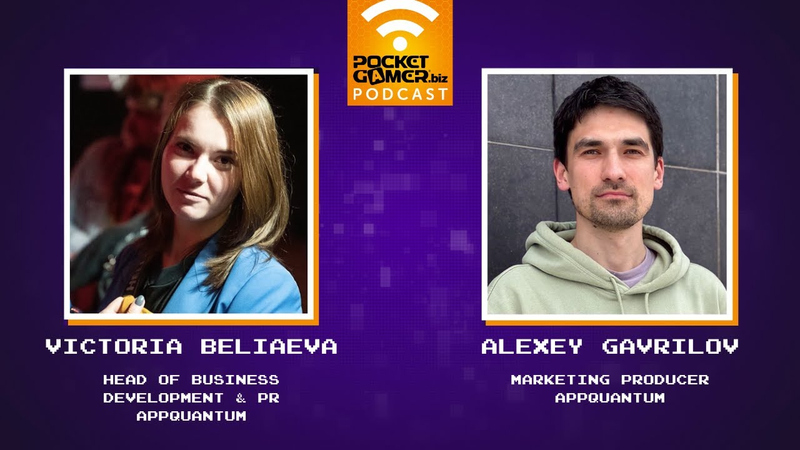
AppQuantum’s Victoria Beliaeva and Alexey Gavrilov On How To Identify And Build A Hit Game
Key insights
6 takeaways- 01Success in the free-to-play market requires integrating marketing and analytics from the earliest stages of production to mitigate risk and ensure alignment with market demand.
- 02Developers should adopt a 'fail fast and cheap' strategy, using early prototype testing to validate core mechanics before committing significant resources to full-scale development.
- 03Marketing metrics like cost-per-install are primary indicators for hyper-casual titles, while RPGs and strategy games require a focus on long-term retention and monetization mechanics.
- 04Scaling a hit game depends on a studio's ability to manage complex user acquisition campaigns and provide consistent content updates, often necessitating professional publishing partnerships.
- 05Monetization strategies are shifting toward a dual approach that combines ad-based revenue with traditional in-app purchases.
- 06The industry is trending toward hybrid-casual games that blend mechanics, though this evolution increases complexity and risk for smaller studios.
Ask AI about this video
Transcript
[Music] thank you hello world welcome back to the pg.biz podcast with your hosts me Brian baglow and the ever wonderful Peggy and souls hello Peggy how are you I'm doing well Brian and in fact this is exciting for me because we are a group today you yourself I hope excited about the weeks ahead oh yeah it's the highlight of my week is getting together with you and then finding out somebody wonderful and interesting and fascinating from the mobile game sector that maybe people have never yet spoken to so let me let me welcome our guests first we have Victoria bellieva head of Business Development and app Quantum and app Quantum of course an international mobile free to play game publisher now before we get into that Brian a little bit about Victoria her colleagues say she has been
shining in business development in PR for just over five years and before that she held positions as a game producer a designer and a content manager her but on a personal note because we like to bring that here as well well she claims not to have a sense of humor so I think we have to prove her wrong today Brian what do you think oh definitely definitely we also have Alex gavelroff there he is hello guys absolutely Hello Alex producer of quantum great to have you Alex thanks for having me yes and of course he's going to bring the other side here so if she's communication and partner relations well he's focused on mobile games UA analyzing projects working with RPGs and Casual mobile games and again something special about our guests right he took sewing courses as well Brian and I cannot resist a pun so may we say that he may have us indeed in stitches
really okay I can give you some courses if you would like guys [Laughter] maybe there's a side hustle there Alex you know you can get on udemy it's like it's the whole uh aramugumi it's you know knitting really geeky kind of um game characters and manga characters I think it's a big Market there you go we could we could the pg.biz shop is only a click away okay let's kick off it and let's go for the the sort of the strap line first the tagline of the company is just everyday publishing magic so tell us a little more what do you do how do you work with developers and and how do you help them Market their games for some people what we do may look like magic but for us it's simple so it's just everyday but
magic so what do we do we actually uh I would say they do everything except for actual development so they want to be usually based our partnership with developers on the platform of that we do what we really do best as we drive users we help with analytics we can make creatives we can assign a producer we can help with monetization um like jogging up kpis uh the game Studio on other side um has to understand how to make fun games how to make engaging games because there's something that we don't do and having a company that is like I've been us as a partner that is creating user acquisition and a partner who is great in making fun and engaging games together so Victoria for a lot of developers that I've I've worked with and I I know and marketing tends to be something that they start to consider once the game's well underway and it's almost a post-production decision you
know okay it's nearly done we should probably think about marketing but when should developers start thinking about bringing in a company like yours and and really seriously start asking questions about the marketing and getting their game out there um I would say as early as possible um because well the market is getting higher like every year and we can see that based on the kpis that we received so the players can get a bit like fed up with the games and they want something new they want something interesting and it's better to either send the Prototype or build or a pitch deck for a short feedback at least to understand if you're really going into right direction because otherwise you you can make several months in development and receive the same feedback so you can really save time and if your game is interesting of course the idea is great so the publisher can as well um offer you to make a test and usually
Publishers do it for their own money and they also advise you how to do it correctly so you won't even spend your resources on testing and you will receive all the results and you can of course share them with well maybe some other partners and you can use these results and based your further development on them so so coming in early I think makes it makes a huge amount of sense and and is this something that's open to to all developers at the account every stage of their life cycle whether it's hyper casual or you know maybe large scale live Ops games so for example if you're talking about hyper casual or casual games and usually the map is simply simpler so you can look at the marketing metrics like um CTR IBM but if you're talking about RPGs um strategy games and it's not as much about the marketing results like the CPI because they will be high like 100 but it's more about retention So based on the gender of the game you're making you
need to understand uh what are you hitting where are you going so are you going to work on retention and forget about the marketing or I or do you have to build an engaging gameplay and the the art that will appeal to broader audience it's the whole um you know Tech uh agile Tech approach feel small feel fast feel cheap don't commit yourself until you're absolutely sure that there's somebody out there who will give you money for your game yeah and we are quite open and I know that a lot of other Publishers they also are open to receiving pitch decks and like prototypes once you've completed the Prototype we will test it you can say okay I'm on the right track so this is even smallest feedback can give you an understanding of where are you going and where you're hiding it if this right direction at all well it's opening up it's keeping your opportunities open isn't it really if you have a completed game that nobody's interested in at that point your choices are kind of limited whereas if you've got here are four or
five ideas or we can take this this concept this this title in you know a number of directions then getting that kind of expert guidance can really help you to um make a more informed decision yeah yeah exactly exactly so summarizing it absolutely we're here to help always I want to pick up on that point because you work with so many different companies you know around the world and primarily and casual also RPG strategy so you have a method of looking at the metrics even when there's no product and even no real metrics yet so what do you actually look at what are you looking at to try and identify that hit game um I think we can split that answer in half between me and Alex so um so we usually look at the product quality like for example the game design if the
tutorial is good the first time user experience is good and we understand the case so the game designer must also be professional so it's for um contacting the studio and uh talking to that and once the studio agrees to the test um so we there are like different types of testing we do and we look at different results for the for the testing of prototypes when like business developmenters Victoria and other guys when when they agree with that the Prototype is good uh user acquisition team is ready to test it we measure uh such metrics like CTR CTI IPM just to understand how audience react to The Meta or core mechanic so just to understand is it is like is it a good potential in the game or not as Victoria mentioned we had like different stages so like I I'm telling like about first stage when we measure prototype and we
measure of the potential of the prototype in the game they have more levels or more let's say content in the game yeah we can already start we can start like measure retention rate or payment metrics so you look at the metrics I'm also really into looking at features because you said yourself Victoria you know you sort of look out there what's popular on the market what's in what you're reading in Pocket Gamer because everyone has to read Pocket Gamer for this anyway Shameless plug the features matter the mechanics matter do you have anything to share any any commonalities that you're noticing what the next big hot feature might be yeah well this is a great question I mean if we knew what will be like the next uh big thing we will be like doing it and not really expensively at a time on like tests and Etc so the point is
that um it's really hard to predict I mean you know you look at the markets for example like last year or it was it around two years ago uh merge Mansion appeared is it okay to um name the games right Cinema extension appears everybody like rushed into marriage games so we're going to be also but it turns out that there are like plenty of problems with the genre like it's kind of hard to monetize although the retention rates and crypto it's really hard to say what exactly is but but there is um you can't say what will read it but you can't say what will be not like there are like outdated concepts for example there is no point of making a runner game right now for example because they don't really make a lot of money and and um I mean like casual run you're like um Subway Surfers for example or um Temple Run but the runners um the mechanic of Runners is very popular in um hyper casual the hybrid casual is trending uh
right now the hybrid casual it's like a lot of different mechanics well and it kind of depends on what type of company you are for example I wouldn't advise anyone to make a bunch of free games but just recently uh like tactile um um released a much free game and based on the huge competencies they probably have the ability to Market it and at the same time like Royal match also appeared when nobody already believed in much free so if you're like a huge company with a lot of resources and you are you understand that you understand the genre and you are not just cloning but if you're doing something new to the gender there is a decent chance you will succeed and I think it's that that reality of the economies out there that um while the the App Store is total intents and purposes infinite but the competition within each genre and then sub-genre is increasingly Fierce and you know there are some areas where the
incumbent the big games you know the the market leaders are so big the the opportunity cost is just too high for anybody outside the sort of the mega Studios and so I think that's a point very very well made because again it comes back to this do your research yes yes that is like um exactly my point and also like think about back to your initial question when do you have to start thinking about the marketing just right there um because different genres they require different uh I would say like budget and they have different tale of bringing money back if you are like very dependent on having payback like um in the same month maybe look for hyper casual or like idle games so something like that so yeah making a Heat game is not just about maybe like mixing pictures or anything like this also thinking about your company your economy because you you don't want to die during the hit you want to survive till the point that you really can make it and you have it at
handsome I know several Studios that have been victims of their own success and and you know out of nowhere their game has succeeded and they don't have the capacity for new content they don't have the the expertise to to Really ramp up a user acquisition campaign because that in itself can be hugely complex and and um expensive and I think that's good to see Alex yes definitely yes definitely I haven't mentioned about like uh building uh the game when I totally agree with Victoria and you guys Brian that you have to test it just test it and on each stage of the developing game uh yeah considering like user acquisition uh yes uh year after year cpms uh CPM is increasing uh it's kind of a tough uh to acquire let's say they can acquire 100 users uh or 1000 users but
you just tested one one feature or one element in the game and you have to you have to move forward but you have to test five times more like this like like other other features other elements in the game you don't have a lot of content in your game and you can't measure like a retention generate on day day two or day three you just don't have a lot of as I said content we we can measure session time day zero day one and it will give us understanding uh how the core mechanic does the audience likes or not so you've been giving us an awful lot of information here guys but is there a a textbook example a case study if you will of a client who kind of came to you at the right time and and got involved and who you helped through the whole process is it is there anything that you can kind of tell our lovely listeners about this is how it should be done and here's what can happen if you do so
yeah of course I do have like two um I think perfect examples they are very different and they illustrate like different points of what we already have discussed so the first one is our actually uh very first hit game are the little clicker it was before we started to publish it um the game was published by its developers and it was actually quite quite successful for the studio so it's um I think it brought about some like tense um several tens of thousand dollars per month and that was really okay for a studio and they really thought that this is the what the game can make and it can't make anymore and that's what's okay for them by applying structural approach we are very testing different creative hypothesis um like Crossing out the ones that don't work so do you understand that we will never come back to them we have prepared a lot of different acquisition cabins try different approaches and we were able to increase the volumes of the game
two million side millions of spends and millions of Revenue the company had a hit at hands but they didn't know it and they didn't have the resources to make it because at some point it's just down to math do you have enough user acquisition management to run 100 and I don't know two hundreds of campaigns do you have like enough creative managers to produce hundreds of creative per months so maybe you two have already a game with a huge potential you just don't have resources to uncover it and uh the other point is about the golden goblins game we approached them um when they already had around like three months of content we tested them on the initial kites were really good uh but they were not monetizing the game was not monetized very well so we did like a second test it was a little bit better but the team was small and we thought um we all know how much time they will need to make this game about positive to implement the um offers and everything
so we didn't Engage The First Time into publishing deal about the team the um like real professionals so they say just just sit there and watch and they implemented LTE events and they may became much more fun for players to stay much more engaging and they implemented monetization so the players that we would draw will really get um it will really stay and pay and that is like about the content so since I was really like they have developed the game and um it is fun playing for a month you can attract users quite cheaply because they're interested but after such period of time they will just go away or if you don't have don't implement the monetization mechanic they won't spend enough and it is much more expensive to reattract the users that have already left your game rather than attract them from the first time it is one of these areas where a lot of teams can focus on the technical and creative
um aspects of of game creation and in a lot of cases that's rightly so but getting to the end and then going so what the hell do we do with this um just really does limit the potential of your game and potentially the life to span of your team as well and so some really useful information in their Victoria so thank you very much indeed I think that there's a lot of talks about how to make a hit there is I think little talks about how to structure your studio and your development so that you can really sustain long enough to have a hit because what we see is that it is more the chances of getting like a real hip product is for the students who have already worked together and understand each other and they have this kind of synergy but still you achieve that you have to work for a certain period of time and you need to understand where the money will come from what will be your Revenue till that point you're thinking about growth strategies thinking about content looking at Trends
so when you look out to the Casual mobile game Market how's it looking how's it feeling in 2023 I like the current Trend we which I think is in creating mixing mechanics and creating a new filling and new engaging gameplay so like I don't know like a RPG with a farm like the Cookie Run for example a open World adventure game which is made in a very casual setting appealing to different audience like the Dreamland so I can see that there's a variety of games and it's great but at the same time it's getting harder for developers because they can just like follow a path they have to find the perfect mixture of different features and this is a longer process and much more risky and um so there is like there are risks and their potentials I would also want to mention the um increasing number of really very well
made Chinese uh casual games like being a real threat potentially in terms of competition to Western developers because they do have a much higher production speed and usually more resources as you mentioned like small teams they kind of are mixing uh of the mechanics and they're creating new sub-genres let's do from the marketing side monetization as I see uh like three years ago let's say four years ago most of the Casual titles as I remember as I remember they must they mostly focused on in-app monetization like 99 so 95 but currently they're trying to focus mostly uh adding more uh uh at at monetization yeah so trying to shift from that Paradigm let's say you've both really Illustrated it's like the complexities
of of just one genre and um yeah the new entrance coming in from China and the fact that you know so many people are now chasing the same audience but you know at risk of cannibalizing the the Casual players out there so you know that's the reality that you're seeing I was just going to chime in on the other interesting aspect of the blending of the mechanics more and more that we'll be seeing of that but that's also an optimistic one Brian because it means more opportunities to be creative to sort of mix and match and mash things up when you do that usually something great comes out of it so maybe maybe the tagline at the top is on the money about it being magic so I'll leave us with that so so we have we have a bit of a tradition guys at the end of each shoe it's we ask our guests um what's your all-time favorite game and what game is obsessing you right now um it could be mobile doesn't necessarily have to be so so hey Alex let's come to you first what's your all-time favorite and and what you're
playing right now I still play Clash right it's about I don't know I like it I like it that's that's enough that's enough you don't have to explain anymore it's I like it it's good but it yeah it kind of surprised for like for other people when I I'm talking because that I I still play English since like 2016 probably yeah yeah that's not a bad thing it's I was I was there um when when Subway Surfers came out and I'm still there so you know it's I think we can we can all admit that there are some games that just kind of have this this endless appeal and and Victoria well um the all-time game is um I am a huge like really huge fan of the Dragon Age series I read all the books I watched all the comics all the all the movies and everything and anything more current anything that you're that you're playing right now I've tried recently the of course the Frozen City one
um so we played like for several weeks yeah and I really spend a lot of drink a lot of time in Dreamland I've been playing the Korean a lot in a number zero one if you heard about that there you have to cross the matching numbers uh I really like that because it just relaxes my brain and anywhere I have to spend like hours and doing nothing I just turned on number Zillow that's never a bad thing you know games can be relaxing as well as invigorating so a good choice good choice and uh that I'm afraid brings us to the end of our time together all right so I would like to thank you both very much indeed for joining us uh it's been a lot of information a lot in there for our listeners to unpick and hopefully you'll get a whole queue of developers lined up with questions and queries and following the podcast thanks so much also for sharing and lifting the lid a little bit on what it takes to have a
hit game and to know it and to see it through so thanks thank you very much for having us this show is all about how to do your job better how to make an amazing game how to Market it and you have a say so if you have a story or know someone we need to shine a light on then we would love to hear from you we want to hear from you we want to reflect the reality of the mobile games market and all its wonderful complexity and strangeness so if you have any suggestions for us if you have any feedback for us you can always get in touch you can email us at podcast pocketgamer.biz you can find us on Twitter at PG Biz and you can reach out to us through thepocketgamer.biz website if you're interested in listening to all of our podcasts you can find them at pocketgamer.biz forward slash podcast and we would love to hear your thoughts on future shows and we've got you covered on all the major platforms so
subscribe to the audio podcast as Brian said look for us on YouTube if you want to read it hey you can do that too because we have a companion post for you as well on on the pocketgamer.biz website tune in again for the next edition of the puppygamer.biz podcast and we look forward to speaking to you in the near future until then I'm Brian baglo I'm Peggy Ann saltz and that's a wrap until next week foreign
Summary
The mobile gaming industry is characterized by increasing competition and rising user acquisition costs, necessitating a structural, data-driven approach to game development. Success in the free-to-play market is rarely accidental; it requires integrating marketing and analytics from the earliest stages of production. By testing prototypes, measuring key performance indicators (KPIs) like click-through rates and session times, and validating core mechanics before full-scale development, studios can mitigate risk and ensure their projects align with market demand.
Key findings emphasize that developers should not treat marketing as a post-production afterthought. Instead, early testing—often funded by publishers—allows studios to pivot or refine their concepts based on actual user feedback. For hyper-casual titles, success is often tied to marketing metrics like cost-per-install, whereas for RPGs and strategy games, the focus must shift toward long-term retention and monetization mechanics. A recurring theme is the necessity of "failing fast and cheap," where developers avoid heavy resource commitment until they have empirical evidence that their game concept resonates with an audience.
The current market landscape is defined by a trend of blending mechanics to create new sub-genres, as seen in the rise of hybrid-casual games. However, this evolution makes the market increasingly complex and risky for smaller studios. The industry is also seeing a shift in monetization strategies, with a growing emphasis on ad-based revenue alongside traditional in-app purchases. Ultimately, the ability to scale a hit game depends on a studio’s capacity to manage complex user acquisition campaigns and maintain consistent content updates, highlighting the vital role of professional publishing partnerships in transforming promising prototypes into high-revenue products.