ArticleVideo Games Industry Memo
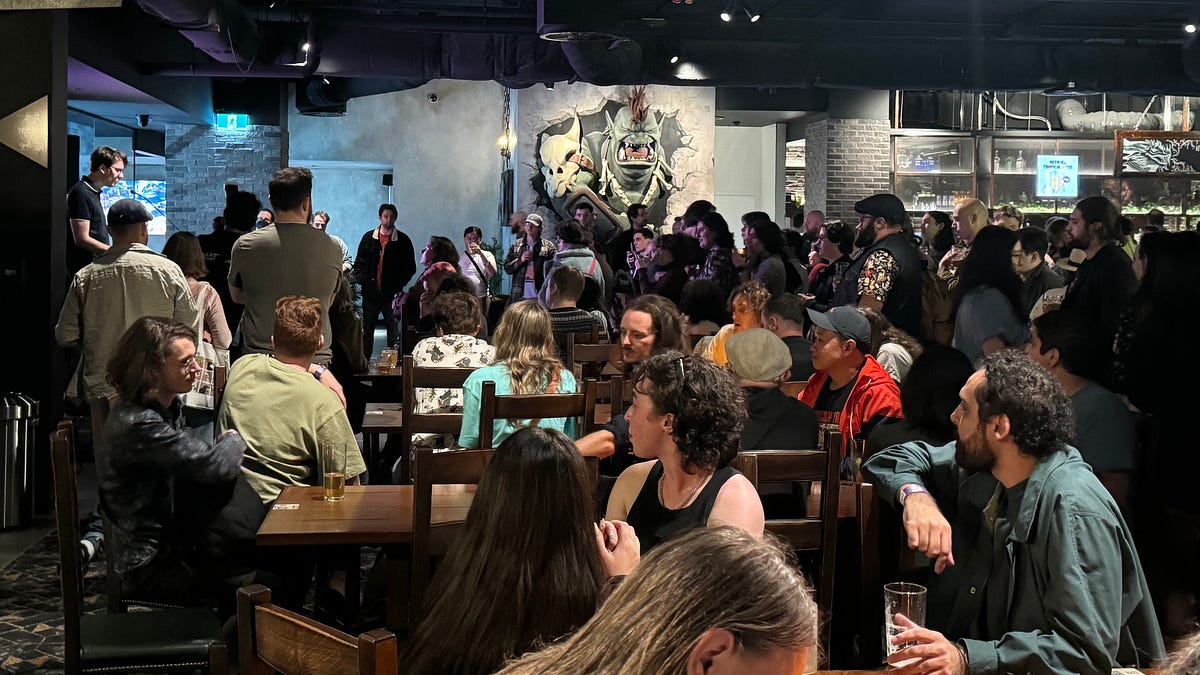
Four Things I Learned at Melbourne International Games Week: 2024
10 Oct 20241 page~22 min full read
Key insights
4 slides
The regional story
Melbourne has solidified its status as a premier global hub for independent game development.
The region’s success is largely attributed to a collaborative, non-hierarchical community structure and strategic tax incentives. These factors have effectively shielded local developers from the volatility of the broader global industry downturn.
The strategic shift
The Australian games industry is transitioning toward a unified national strategy to scale operations.
The sector now faces the critical challenge of scaling operations to avoid a growth ceiling. The unified national strategy is designed to leverage regional strengths and attract significant international investment and talent.
The 2024–2026 period
The industry is currently focused on a 2024–2026 development period prioritizing professionalization.
This period prioritizes professionalization and long-term stability through state-level grant programs. The current trajectory suggests a shift toward professionalization and increased scale, positioning the region as an increasingly influential player.
Creative depth
Melbourne International Games Week 2024 highlighted the sector's creative depth through key events.
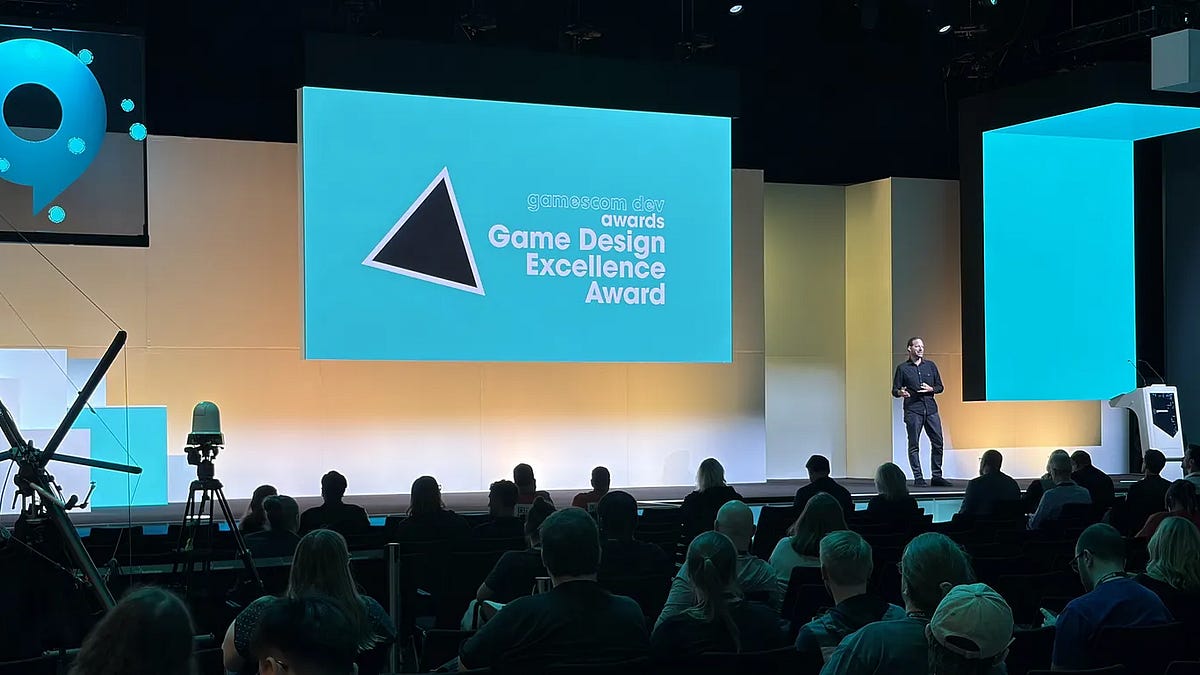
The event showcased the depth of local creative output through the Australian Game Developer Awards. It also featured the debut of indigenous-led projects such as Blaktasia.
1 / 4
Ask AI about this report