ArticleVideo Games Industry Memo
Four Lessons from the Green Games Summit
13 Nov 20251 page~18 min full read
Key insights
7 slides
The setting
London summit gathered leaders to weigh games' climate role.
It evaluated how video games can address the global climate crisis.
Hardware progress
Sony is on track for an 89% emissions cut by 2040.
Sony Interactive Entertainment reported progress through energy-efficient hardware features. These include adaptive charging and low-power modes.
Emissions target. Sony is on track to achieve an 89% reduction in carbon emissions by 2040.
Behavior change
Environmental narratives raised sustainable food choices by 20%.
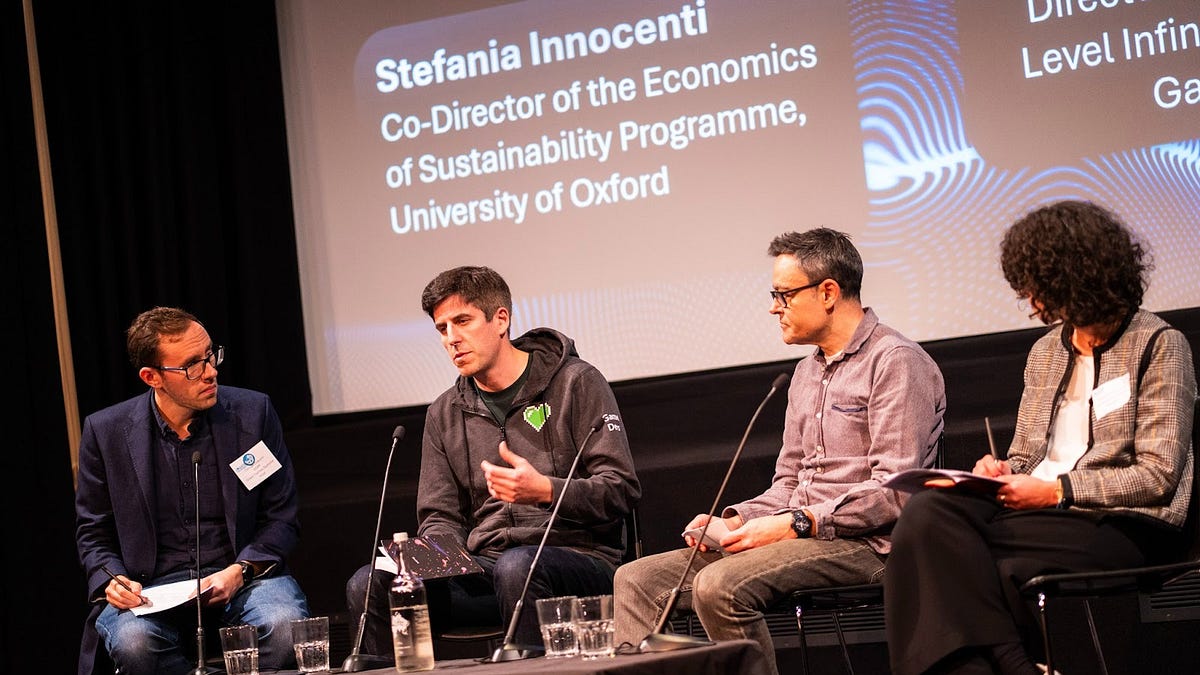
Research by Professor Steffania Innocenti showed games can drive real-world behavior.
Food choices. Environmental narratives in games resulted in a 20% increase in sustainable food choices among 4,500 players.
Business case
Environmental consciousness improves recruitment, retention, and brand identity.
Studio leaders from Ustwo Games and SYBO argued that environmental consciousness serves as a competitive advantage. It aids staff recruitment, retention, and brand identity.
Strategic approach
Simulation and interactive storytelling aim to foster climate-conscious behavior.
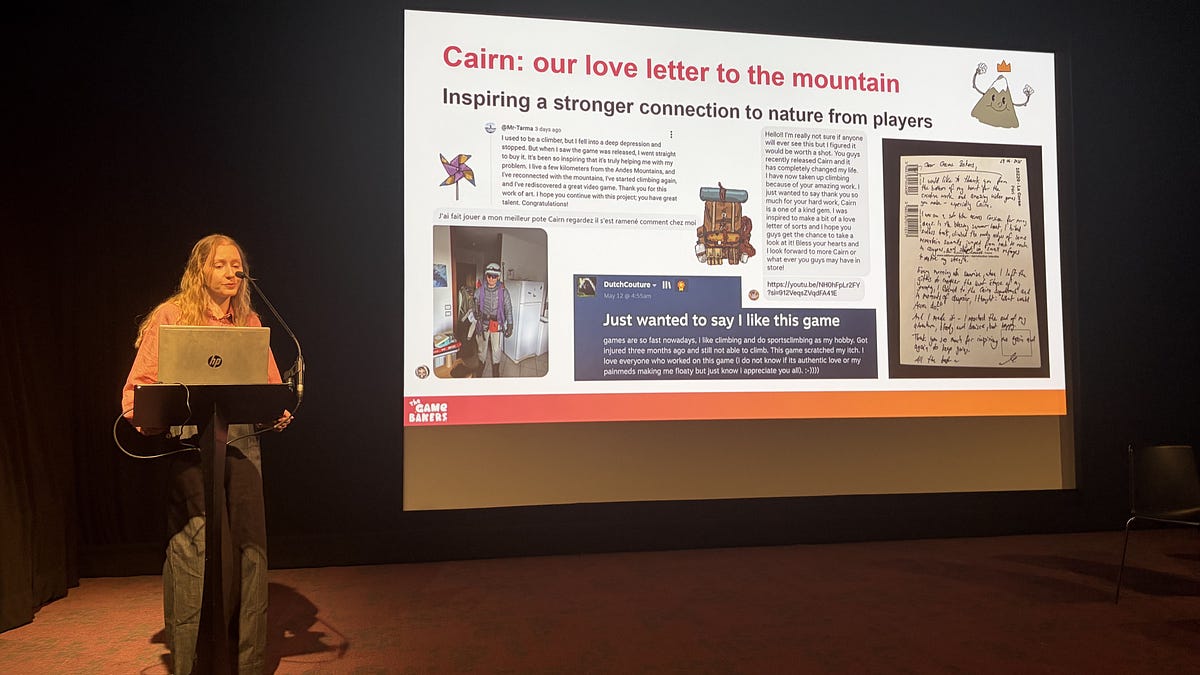
The gaming industry is prioritizing the integration of environmental messaging through simulation and interactive storytelling. This aims to influence public imagination and foster climate-conscious behavior.
Collaboration needed
Industry-wide collaboration is essential to overcome measurement and alienation risks.
Challenges remain, including the difficulty of measuring long-term behavioral shifts and the risk of audience alienation. The consensus suggests collaborative, industry-wide efforts are essential.
Beyond awareness
Games aim to move beyond awareness to foster climate imagination.
By leveraging simulation and interactive storytelling, the games sector aims to move beyond mere awareness. It actively fosters the imagination required to navigate the complexities of a changing climate.
Commitment. The gaming industry maintains a robust commitment to decarbonization and the promotion of pro-environmental behaviors among players.
1 / 7
Ask AI about this report