1 free read left. Create a free account for unlimited reading + AI research.
Create free account
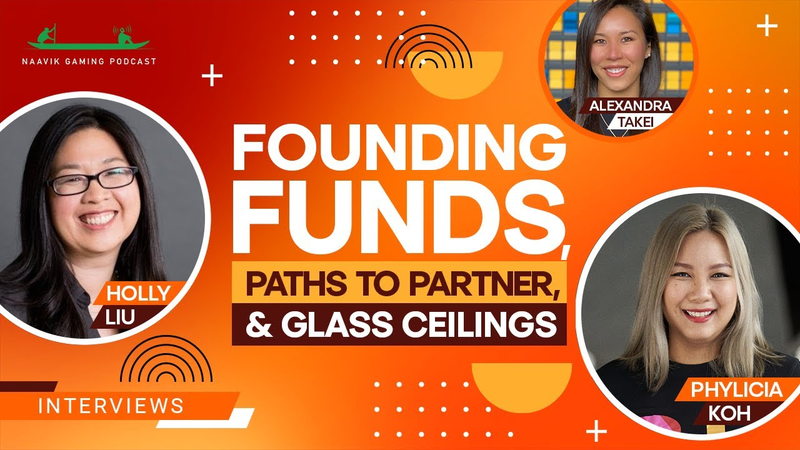
Founding Funds, Paths to Partner, and Glass Ceilings
Key insights
6 takeaways- 01Female founders secured only 1.9% of total venture funding in the gaming industry in 2022, highlighting a persistent and significant gender disparity.
- 02Systemic barriers to entry, such as narrow gatekeeping of the term 'gamer,' must be dismantled alongside efforts to increase female representation among both founders and investment decision-makers.
- 03Aspiring investors can build the necessary track record for advancement by starting as angel investors or participating in syndicates to gain practical experience in deal evaluation.
- 04Founders should conduct due diligence on potential investors by evaluating firm-specific metrics, including check sizes, deployment status, and internal decision-making processes.
- 05Evidence indicates that increased gender diversity within investment teams correlates with higher fund returns and more profitable exits, positioning inclusivity as a driver of financial performance.
- 06To mitigate internal bias, venture firms are increasingly adopting structured operational frameworks, including data-driven investment memos and standardized performance reviews.
Ask AI about this video
Transcript
foreign [Music] gaming podcast where it is our mission to explore the business and future of video games we bring together the industry's brightest Builders investors and thinkers to keep a full sun current events dissect emerging Trends and games share Lessons Learned and have a great time this podcast is also part of novik's growing ecosystem which ranges from free and premium research to Consulting and advisory services for more information visit www.navic.com now let's jump into the episode hello everybody and welcome to the novice gaming podcast I'm your host Alexandra Takei and this is the interview and insights segment today within the context of gaming and Technology we're going to be discussing building and launching funds paths to partner Adventure partner hiring Dynamics at pre-existing VC funds and common Pathways into gaming VC building and launching the fund although not stereotypically thought of as
entrepreneurship is one of the hardest things to do and is an ambition for many inspiring investors and ex-entrees also finding a pathway to partner is the subject of common concern for professionals starting their investing career and furthermore can be even harder when the market dynamics and gender Norms are stacked against you we'll also be touching upon deal flow and investor Talent when it concerns female investors and female entrepreneurs from the macro level in 1.9 of venture funding went to female entrepreneurs in 2022 a mere 4.6 billion out of 242 billion deployed and this is also down 2.4 from 2021. it's openly known that female Founders on average rates less than their male counterparts and on the Investor's side especially in gaming there's a paucity of the female investors I'm pretty sure I can count them all in like two hands or something and the games industry as a whole continues to have its fair share of gender Dynamics problems even as recently as the abuse allegations that emerged in the wake of GDC 2023 this is personally an issue the gaming industry has been struggling with expand the definition of what qualifies you as a
gamer is not a gamer and as the professional industry making sure that everybody feels that they can participate or not ostracized based on gender race or sexual orientation and so in order to discuss um what we can do in the industry to support the continued efforts of Diversified funding both on the deploy and the race side and to break down the differences between Venture operating roles and Venture partner roles joining me today are two extraordinary investors the first is Holly Lou co-founder of Kabam which for those who don't know is a mobile games developer and publisher that was acquired by netmarble for one point for over a billion Holly was an advisor also to several games investing shops that we know like Convoy and animoka as well as the managing partner and co-founder of pko Investments and second we have on Felicia Co of play Ventures who has been recently promoted from VP to partner congratulations guys and welcome to the podcast thank you thank you for having us um and so I'm super excited to have you guys on it's it's both a unicorn founder and a
venture partner and an MD of a fund and a rare female partner in games GC all in like two people so uh it's just you know we're hitting a lot of killing a lot of birds with one stone here um and so I know I gave you guys a brief introduction but I'd love to hear a little bit more about your journey into games uh you know Holly thing for you that starts with your foundation at Kabam and so um yeah you know maybe you want to kick us off and then and then Phil can go next sure I'll try to do it very quickly because it was a long windy road we started in 2006 not as a mobile gaming company but as a corporate social network and I don't know if I feel like I'm I take everybody in this time machine whenever I talk about Kabam because it was 2006. it was before Facebook had launched their um their developer platform and uh we were thinking hey you know a corporate social network is really something that uh people are missing out there social networks are great but Facebook is for poor people and um
maybe people who are don't have as much Capital to spend so we're like oh we should go after professionals that quickly became like an internet a different type of business all of us co-founders were much more b2c um and right about that time Facebook had decided to um open up their um their uh platform to third-party developers and that was our Inn we started out making fan communities for TV shows and sports teams um so if you remember back in that day there was a lot of uh Vampires versus Zombies it was very very simple games and um the 2008 recession just took a huge hit and so we went back to the drawing board and you were like you know uh you know what's doing really well these companies like Zynga I thought were doing really well there um and we're like wow collectively we have about over a hundred years of Facebook building experience we knew the platform very well and this was a very different generation of game developers
and I'm happy to like dive in deeper on it but you saw the rise during this time of quite honestly none of us on the founding team came from game development backgrounds and that actually helped us because it was a new platform and so we were able to think a little bit much we all had consumer web background so this new model of free to play cake um and it was really funny because earlier you just talked about GPC in 2023 I mean back then they hated us so much that they would give us like the Sunday slot at like 4 30 P.M to speak you know like the time that nobody comes you've been replaced by blockchain so now that I get the 4 30 Sunday club which we get to talk about too right like and so I know what it's like to be a little bit uh on the outside but uh even that whole generation of game makers honestly didn't come in from from game making I mean you have the Zynga Founders you have the league of legend Founders they weren't game makers right like there's all these people that um almost made it in many ways more
accessible then you had mobile so right around the same time we we ended up doing uh mobile I was uh I initially was uh the product designer there at Kabam and then I eventually went to head up HR um but yeah we definitely I've definitely seen the game industry change over time a really upfront close-up seat to the change in business model the changing platforms I could talk all day about that um and then uh really kind of how that changed some of the gaming mechanics that you see today um because now free to play is really here to stay like if you think about um the mobile games like when we went into mobile games our first our first Brewery was we took our Kingdoms of Camelot franchise it was a strategy MMO or like type game that was very very simple on Facebook because it was just so light at the time um and we ended up taking it to mobile and uh we took it in 2012 and that was the year it won like top grossing app in the Apple store and then since then like
before then it was all you know premium type of business modeling and now it's all in-app purchases so there there really was some is something there in free to play games as a service that I think you all know if you're any familiar with the Eastern World China Japan all of those things were just there were decades ahead of us in the west uh we we were very much closer to kind of uh how the traditional gaming consoles were it has taken a big full circle and that's usually because of the maturity of platforms and happy to chat about that as well that one's a bit deeper but since we sold in 2017 I ended up going to Y combinator uh uh they are one of the top earliest seed stage funds they've invested in Airbnb twitch Dropbox first check in I was there uh mentoring a lot of Founders and then since uh I left YC around 2019 like right before the pandemic uh I've been uh investing in teams with a female founder for the last probably I would
say six batches last one I didn't do uh raised a small fun happy to talk about that and then finally to pko Investments uh I got together with uh some of my friends who were founders of the Rotten Tomatoes Crunchyroll and twitch and we got together and we started forming a Syndicate um and we invested the intersection of entertainment and Tech uh 2021 was like a crazy year into 2022 was also a crazy year uh and we did a lot of web free investing because that's just the type of uh kind of deal flow we attracted I'm happy to chat about that um in terms of thinking about SPV steel flow what is an SPV different ways where people can get into investing as well like um partner Partners certainly one track but there's there's definitely different ways to to get involved yeah we're totally gonna I'm definitely gonna like take you up on explore on exploring that um and yeah even before this podcast we were chatting we were like how should we describe Holly like all
the things so uh but yeah before we kind of shift into that topic of breaking down the VC landscape um uh Phil do you want to give us a bit of background about about yourself and your journey into games yeah sure so my journey into games was uh pretty different from Holly but I think the commonality was probably that we we both didn't necessarily come from gaming um so I I I was employee number one when play Venture started um and that was back in in 2018 early 2019 when I joined Harry and Henrik and they're the police founding partners and the first one was like tiny it was like 40 million um doing kind of super early stage precede seed Investments and and we've grown since then um and today we you know continue to invest into gaming companies free to play of course web threes similar to Hawaii and what she's seen as well and also what we call gaming Services which is like just a very bad name to be honest with you but it's a broad bucket of tooling it's infrastructure it's it's
sauce it's anything in and around the gaming ecosystem so I've led a few Investments there I I ended up starting my first my career first in in growth my first job was actually working for for my boss who was setting up her own brand of like fashion accessories essentially um and I got that I took that job basically because like I had an internship at in 20 2008 which was like I think the the subprime mortgage crisis and I remember looking at my internship payments two dollars a dollar and I was just like this is so sad so I'm gonna find something else um and I and I just kind of you know really always enjoy working with entrepreneurs and working with startups and trying to build something um but anyway fast forward after almost you know a decade working in growth I I was honestly I was just burnt out and I decided I'm gonna I'm gonna I'm gonna take a break I'm gonna get myself right and after that I was thinking well now what because I don't really I didn't really want to go back to that um I also didn't really know what I
wanted to do so I decided I was going to try and expand outside of my comfort zone try different things I did try to meditate my way to figuring out what I wanted to do um it didn't work for me maybe it works for other people but all I got was like a tweet like things I want to do which was like I love working with startups and we're love working Founders and then things I didn't want to do is this long but I still didn't know what I wanted to do so I said okay well I I've got nothing to do I'm gonna give myself a year and I called it the Year yes where I would just come I would say yes to anything that came my way as long as it's like stuff that I knew you know it wasn't something that I didn't want to do I would learn something new about myself in terms of what I would like to do I would just say yes to it my parents you know Asian Singaporean parents thought like my daughter is insane she's lost her mind because the conventional path here is like you got a job you work on your career or you climbed the ladder and then you know you get into a better position and so it's like here I was
just bumming around for one year and they thought I was insane uh but it was a great experience and as luck would have it I started Consulting with games company um I led product for voice technology startup and Henrik who was founding partner of play Avengers and based in Singapore at that time um you know we kind of kind of cross paths and and Henry can hurry at that time were thinking of starting a play so you know we started talking and they asked me if I would be interested to join um as an analyst and and again I was like well you know sure why not right say yes to anything that comes my way so um I said yes you know interview did a test and and that was like four or five years ago so it's been it's been a very well journey I would say that's awesome so basically you guys have incredibly robust backgrounds and a variety of investing roles um from spvs to venture to growth and so one of our Missions at novik is to help our listeners Master the business of gaming which obviously comes with a requirement of understanding investment titles and mantles
um and I think you know there's a lot of different jargon words done out there managing director managing partner General partner Venture partner partner um advisory like and so I think what would be good is to kind of like from your guys's perspective and maybe uh Phil at least you can kick kick us off and maybe to the way it is at play um how do you describe the difference between all of those terms and what does that actually usually mean when there's a Founder coming to you and they're talking to XYZ person I think the titles are probably designed to confound everybody but no okay I probably like I think I think that is that I would kind of group them into buckets of like if you think about decision making power and and I guess um influence right um so like I would say at the top typically you know you'd have your founding partner or your GP um and then perhaps like the equivalent would be like the MD
um and these are basically the most senior people at the fund typically they have a lot of the influence and the decision-making power when it comes to those decisions so they'd be on the investment committee they'd be voting on the investment committee um they have the most skin in the game um they're typically expected to also be committing capital and they typically would be committing The Lion's Share of capital in the case of a venture fund um and and you know then it's not just investment decisions that they're involved in you know we talked about how Venture raising fund that is a business as well and so they're very involved in that side of the spectrum raising the funds on funds building relationships with the fund's own investors called LPS you know so on and so forth hiring a team um so so they're probably kind of like the most senior Folks at the team um and then you'd have someone like a partner so that's basically myself as an extension of it um and I think the best way to understand is that these are like baby GPS so we also have an influence over investment decisions we're probably
also on the investment committee this might vary depending on the fun and how many partners they really have um at least at play Adventures that's how it works we are on the investment committee uh Elite deals we contribute Capital um we're also involved in the other aspects of the fun business where it's you know fundraising LP relations operations and then you have principals or VPS these are essentially Partners in training um and again they'd be some of the people leaving Deals they may be involved in other aspects of the VC business not always kind of depends on the fund and then what I like to call Baby VCS and like there's Associates and analysts and some fun Associates have a little bit more experience than analysts but essentially their baby VCS um they're at the start of their career they'll spend a lot of their time working on Dual sourcing speaking Founders supporting the deal lead doing due diligence um I think at play Ventures the way we work is a little bit different we have a team of basically about eight of us
covering the Investments globally and then also working to support our portfolio companies and Founders so our Associates and analysts are a lot more involved in the end to end of everything from sourcing the deals to closing the deals to working with the founders sitting on boards and things like that um that's a very intentional decision for us um to adopt this model because we want junior members to essentially get exposure to everything and kind of be able to develop train Mentor promote them that's not always the case sometimes you really have larger setups larger teams and maybe they decide to silence little things in in different buckets so it varies but I think every VC firm has its own model we've intentionally kept it small which means for us sometimes we have to think about really how much time energy resources we have um and what we want to prioritize improving every year some teams are massive where they have like you know entire teams of people supporting the portfolio companies and growth and
different things so um yeah I think I think for me as somebody who's come up from an analyst which is like the like super junior and growing um Through The Years um you know I think sometimes people uh look at Junior team members and you can see when they sometimes adopt their very transactional approach and how they interact with them where they're like oh okay so you're an analyst so I'm you know I'm I'm gonna de-prioritize talking to you right now and I'm gonna try and go around you or look for somebody else in the team that I think is more senior because I don't think you can better fit me right now and I kind of I understand why they would think that way but I also just think that that's probably not the right way to think about building relationships with an investor and the truth is today's analysts Associates um they could be tomorrow's partners and GPS they're also great champions for you these um junior team members as well so I think people have a long memory and they always remember how you get you
treated treated them when they were starting out and that kind of memory carry so just I think something to think about as well yeah absolutely we had a Andreessen partner come to one of my Venture Capital classes the other day and he was like if you think that by being mean or rude to my associate this is helping you it's not because guess what most of the time I'm leaning on my associate and analyst to basically convince me this is a good idea so because he's like that's the first person I'm gonna go to because I can't cover everything and so I have a lot of people that are out there looking for and hunting for deals and building those relationships and so I think it's you know from the from the outside perspective in it's like yeah they may not have the check writing ability but they have to check strong check influencing ability they have the year of people writing the checks right so right precisely precisely and so Phil you shared a lot about like the structure of it of the investor Glass Holly I know that you spent a lot of time playing advisoring and operating roles can you talk a little bit about how a VC shop surrounds themselves with roles that are like operating partner or
Venture partner roles yes yes um I will uh before I jump into that I do want to double click on uh certain things that Phil did say where um when you do meet one one uh firm it's it's not the same you just met one BC firm that's what they say also about these entities called family offices uh everybody I think Phil did a really nice job of saying like hey everybody operates uh just a little bit differently and the titles are probably there to confound people um uh for any gaming founder who is listening and trying to raise capital I did want to just do a little plug there's probably like three questions you can ask that can help you kind of clarify uh you know a little bit of um you know what um kind of uh not so much the willingness but capability to be able to write a check um because all of these uh BC funds they they've already raised this capital and they need to deploy Capital right so we're hoping as a VC
fund manager to deploy it into you so I would say uh you could always ask them like their typical check size right um you could ask them a little bit of about you know the fund how much of it is already deployed because sometimes you know they may not have maybe they only have enough to write one or two texts and finally what is the process like uh so that you can just get a just get a sense of a little bit how they operate so you can just kind of align your expectations because a lot of it um weirdly is like dating oh and some people have different types of expectations when they're on a date for the relationship so and it's a life it's like literally a lifelong partnership as well um and yeah so um so I just wanted to double click on that really quickly for folks who are who are thinking about uh going to funds and each one is kind of unique some of those things you can you can certainly um ask some of those questions just to dig a little bit in the process and make sure there's alignment but uh there's also a lot of other you know as much as uh Phil was talking about analysts Associates
there's a lot of other types of positions out there that also help support which uh we see in terms of like operating right so um my background has not been in investing and um you know it is very operational and so oftentimes what will happen with uh Founders who have a lot of operational experience is they'll typically end up in a bucket called Venture partner and also advisory so Venture Partners tend to be ones who help uh with deal flow so like I get a lot of natural deal flow a lot of women in games they find me because they're like hey not that many would love to chat with you get your viewpoints on on these on these things right um it's just People's Natural reputation and so if you are a Founder with uh you'll have that access to to these other Founders because if you're for all the shout out to all the founders out there it's hard and you usually Founders usually know other Founders um and that's usually how it
goes so you end up helping a little bit on on almost like deal sourcing and even on the vetting side because you're so close uh to that business like like earlier on I was saying in my introduction happy to chat more about business models and and how they impacted things or what we saw in markets as well when we were building so that's Venture partner typically uh an operating role is a bit more our operating partner is is very uh associated with the fund so you're usually on the payroll of the fund as well as you attend it there's so many it's a business the fund right there's so many operational aspects like signing the paperwork wiring the money making sure you know the cap tables all make sense like you know the partners themselves like maybe the GPS and feel free to correct me if I'm wrong Phil uh they'll they'll go they'll be raising the capital they'll be trying to help close the deal with um um the founder itself to get the check in so uh they may not have the time or
the capacity and then some places like Andreessen um they famously have set up a lot of operating roles internally so that they can be the recruiting arm or the people arm for their Founders right because you want to eventually help them succeed like the whole job of of the fund from the founders point of view is you want you know to find phenomenal Founders to partner with and then do whatever you can to like support them right so it's usually like finding finding the founder closing right and then helping them build like it's it's a little bit that simple but very difficult to do that's why it's a craft in so many ways um there's also a Murad of outside of a fund um you know how you can get started in investing I don't know if if you want me to talk about that a little bit but I think I covered operating partner usually um what a venture partner is and then an
advisor is likely somebody um who has some either advisory ex either experience building the company oftentimes I see Founders add them because uh they have a certain set of experience that they need to build out their company and also Network like sometimes it's like not as networked out and as much as possible I'm a little bit on the cheap slash resourceful side is if your your investors behave as this also extended Network extended advisor they can absolutely tell you what's going on in the market because they've invested they're constantly roving so they're very good at being able to give you those kind of outside inputs and lean on them for their Network right that's probably one of the the things they sell you on it's like we have this great Network we can help you you know if you need advice on UA which is user acquisition we have the person for you or you know if you need to talk to this Corp Dev person um you know we have that yeah and I think that's like the the idea is just
to kind of share like what are the different ways to get into VC and there's actually so many more unique ways to tackle it that are starting your own fund you can come in from the operating side and then not be in and play an advisory or an operating role you could do it Phil did start kind of at the at the analyst role and then kind of and rise up and so Phil I'm going to kind of like toss it back to you but given that that's the mo that's the path that you just that you just kind of have climbed you know what is it what does it take I guess to become a partner I think like the internal mobility of like become betting promoted for manless to Partners like an incredible and within the same firm is actually like usually at least correct me if I'm wrong but rather rare because a lot of times people will laterally move out of a VC into another VC to get that kind of partner Milestone so could you share a little bit about your experience about what it's been like to become a partner at play specifically well I mean I I think you're you're right it it is not always common especially depending on the fun setup and the fun outfit how top heavy how many partners you already have at that
fund um you might not have a partner position that is available I think again that's where it plays a little bit different we've always been very lean um and I think you know just coming in I guess at the ground floor equivalent of setting up a VC fund um you know that that's obviously been helpful because I've grown with the team and grown with the fun and I've worked with the founders for you know five years essentially so um I think there's a lot of trust there as well that's just been built um I think just before maybe we dive into like what it takes to to get into a partner position I think you know just just tapping on what Holly Holly talked about with Venture Partners right like we've had Venture Partners as well I agree like um we've had Venture Partners who are more focused on Deal flow we've had Venture Partners who also took on a different form where they were doing both deal flow but then also because they had that operational experience of being a Founder um we actually got them involved as well in like working with some of our portfolio companies and kind of being their key point of contact that person
they call when they need to talk about things or just advice about things as well so so those are also I think very meaningful roles um although maybe not a conventional investment role um and I think culturally there's some differences as well with the landscape like at play Adventures like none of us really came from a VC background right so the founding Partners were entrepreneurs they started their own games companies they sold them to Disney King respectively and then got into Angel Investing and then you know decided to do their own fun um and so I think because of that the DNA of the team when you look at you know just not just myself but almost everybody else on the team none of us come from a VC background we're extremely open-minded to people who come from different paths um our our analyst uh Ethan in based in Manila like he he was hired through Twitter we found him Kenrick rgp found him through Twitter um just doing web 3 things and um that was how he got his start right because
it totally didn't come from DC background um we've noticed that in some geographies and markets that's very different um in in the UK for example we've noticed that that tends to be folks who come from a financial background a banking background so there are some cultural differences and um you know so if you're if you're you don't come from VCU you're looking to get into VC um that's something to also be aware of um the different GEOS that you're playing with and the eccentricities of those those markets as well so basically look for people I would also love to double click a little bit more on what Phil was saying particularly on the origin story of of how play started and I I do speak from a us uh Silicon Valley perspective and one of the things I I kind of glossed over is that um for many of us um who don't have an investing background it actually might be difficult to I mean what you've done Phil is is amazing and you found the right fun that loves like unconventional
backgrounds but there are folks like um sometimes it's hard to break into the BC World um so traditionally what's happened is gaming Founders or any Founders what they'll start doing is they'll write their own check the best way to be in it like being an investor is very simple you just write a check right like there's no qualifications I don't this is so bad if you just want to break it down you just write a check that is like the bottom line and that's funny enough uh the biggest to me the biggest difference between an investing role and operational role is that or or building a company different being founder and faster investor I find myself only making one decision and that's do I write a check or not there's a lot of other decisions we make but this is the fundamental decision that really changes things it's like and this is why it's a craft it's like poker easy to get in hard to be successful whereas founder oh my gosh you are literally making thousands of decisions every day that can make or break the company as well and they could be at the Strategic level
they could be at the operational level so um what I recommend is if you're very interested in even charting your own path to partner like look it I just gave myself a label at pko Investments right I'm a partner now and it is we make decisions and we make decisions kind of uniquely but we started out writing checks and one of the things is is uh what you can do is is if you meet a phenomenal founder write a check hi there's definitely laws out there of like you need to be an accredited investor in the U.S um definitely highly risky assets so I would not like take a second mortgage on your house or anything but if you do have a little bit um syndicates I do want to cover that just very briefly if that's okay Alex because it's go for a great way of accessibility uh to get in and see it so basically what uh syndicates are it's basically um you know there's somebody like like myself and uh you know some some folks kind of leading it and they'll say hey we find a phenomenal founder so say like
we have great deal flow into something but we don't have a fund we have no money to deploy but we got some friends and some type of network that's highly valuable that also is looking for these deals then what we do is we go and we send out uh we talk to the founder we kind of broker it and then we send out um kind of a call for investment would you would you like to invest in this company and so for many people they can it's free to join a Syndicate uh you could go to Angel list and you could look at all of these things um and the greatest thing is you could see how what they call how deal memos are written right you could see and you can make your own decision of like putting capital in and you can put it in as little as a thousand dollars and in a strained environment syndicates are good and bad our own what we call our own LPS has um you know they've been hit by markets as well so the deal flow is a little bit slower but
um it's definitely a way if you're looking to get in to make an investment and to really kind of figure out your chops because I'm pretty sure the interview will have things around like what are things what's your thesis on investing like where what do you know that other people don't know why do you think this will be the next big thing um you know what do you think about Market size and you have to think about you know because those are the things these LPS are going to ask from you so if you you can end up leading a Syndicate first you can participate and you could just look and see and learn and I think that's great then you can start writing a check that congratulations you're an angel investor at that point right and then soon what ends up happening and this is probably what happened with play Ventures the founders are like wow we either have so much deal flow and to go out each time to ask for money because you have to ask like the founder hey can you reserve 300 000 for me let me go ask my buddy see who wants to come in right so you're constantly in many ways selling
um that sometimes that just takes time to go in and uh you just can't act as fast as the founder so I'm almost sure that the play Founders uh Partners kind of came up against this in terms of like speed and particularly a couple years ago speed was a very important thing because there was so much Capital competing for one another so but syndicates are alive and well still uh you should go on Angel list um and you can go and become an angel investor slash and even an LP for those who might not be familiar with those terms is like an LP is a called limited partner those people give money into either the fund and the fund really is a pot of money that's managed by the partners or um it's into a particular spb which is a single purpose vehicle which will be if this is money and this is an entity I'm putting money in this entity that's created to invest in this particular company so um I highly recommend Angel list if you
want to go kind of check out things uh but there's like uh groups of people so so the group of people that you end up emailing all the time becomes your Syndicate so there's like Airbnb alumni uh the Lyft alumni the Uber alumni so there's actually if you have a big company or you worked at a big company you can get in on on some of the these deals uh and and kind of see Google has a really great program called zuglers so um yeah I I just wanted to also kind of show that side of of different things uh I apologize it probably took a bit longer than I expected but I wanted your folks to know that I think that was great and I think you know I think part of the origin story of play Ventures is also when we started the fun I mean obviously Henry and Harry had been Angel Investing already as gaming Angels but also I think that recognition that at the early stage it was like you had Angels at that time now it's different now you have a lot of different early stage gaming funds at the time you didn't really have it right so you would have Angels like larger strategics you
know growth funding but at first you'd had to make it right exactly um and there was exactly this gap of people yeah um who would invest at that early stage and exactly a lot of what happens in BC is also kind of flavor of the month stuff so gaming for a while got a lot of funding and then people got burned and people were like oh it's too hard so we're not gonna invest in gaming gaming is hard I will say that from a gigger perspective it is very hard to build yeah and then even even invest in it I I I will also point out that uh when you do for for your Founders who go talk to funds uh just know that they're managing a a whole pot of money so they have to think about what they call portfolio strategy like how many checks are they going to write this year how much are they going to save to like if the founder raises later to to keep what they call their Pro rata which is like if they bought like five percent in the
beginning they want to put in more money at the next round to keep that percentage a lot of it is about ownership because just think about their economics of um what they need to achieve in terms of for the fun for a Syndicate because it's a deal by deal basis it you don't have to think as much about portfolio management and you make the decision as the investor uh whether or not you want to put money into it so it's not it's a little bit different if you're going to a syndicate it um and go that route it might take time to to fill that to to get the money usually a fund is pretty fast but maybe takes a longer time to make a decision so it's a little bit just know when you're talking to those two is Founders yeah so I I select what kind of what I'm picking up from both of you guys is that there's actually a ton of ways to get in right there's you can start investing from the angel side again like you said the qualifications for being an investor is just writing a check one time you can kind of recruit into a formalized VC firm you can go the operating route and then join as an advisor an operating partner or a venture partner
um and so a lot of the reason why like I you know like have prompted this kind of like landscape layout is because this is like that is the way that you get into VC and we think about the paucity of female games investors and female gaming entrepreneurs I wanted to do it within the backdrop of how how can you get in right and so I think Holly you've had seem to have a lot of this experience right where you're saying like I have a network of other female entrepreneurs and this is how I funnel them into dealflow right and so I've actually thought a lot about this in my life you know is it better to be a female in an industry operator or hold per strings and control Capital flow as a female venture capitalist like what's more important for our ecosystem and so there's a number of women founded in lead VCS that have been increasing since 2010 you know Kristen green founded Forerunner retail brand focused um fun that did like Rory Parker and Dollar Shave Club alien Lee a vet of Kleiner Perkins start a cowboy Cindy Padnos founded micro VC firms illuminate and beyond that there's even been female funds that have been building like
specific like scouting programs and so I guess maybe to Holly and to Phil what I would ask is sort of like on the investor side how how do you think about increasing female investor talent in in the pool um and how so Holly for you how do you balance taking a first time founder risk you just said that maybe you have a lot of female Founders that come to you um the conundrum obviously being that the greatest predictor of founder of success is having prior founder success and a lot of females are their first time Founders and so maybe uh we'll Phil we'll start with you and talk about the investing side and then Holly Will pivot to you to talk about like the entrepreneurs sure yeah so I think that's a great question uh when I started at play Ventures I didn't really know any other female investors that were were doing gaming VC and it's a very it's a very specific Niche right because we know that female investors and BC generals like tiny and everyone gaming or tiny and then you're like at this tiny little intersection um and it was very very lonely um I remember kind of like there was one
period of time where I you know had done a good week at work and just came home feeling super weird um and I just didn't really understand why I felt weird and again coming from the context of working in product and working in growth you know you do see a bigger gender balance there and I looked at my calendar and I was like I've talked to so many people this week I've not talked to a single woman in the entire week and that's insane right and that's like oh that that was when it kind of hit me was like yeah I'm really in a minority here and there's a particular kind of loneliness with that as well uh when you when you start as a female VC in gaming um you don't see a lot of people that look like you um so that was then I think recently we've uh Kelly from one up and myself and Sean John from Lightspeed we decided to start telegram group uh for for women in gaming Investments and and Kelly was like I don't know I think I think it might just be three of us
and I was like no no no no no I've over the years I've met more and more women and I for sure it's I don't know how big it'll be but it's not three it's not gonna be three um I think about like I think 25 people down the group and and and so like for me that was like if you tell me four or five years ago like there'd be 20 something women and gave me investments in a telegram group would be like yeah whatever get out of here but you know I think small baby steps but those those are those are improving um I think ultimately you know to answer your question about like which is which is more important is it female founder representation is a female investor representation I think it needs really to be both it's such a complex issue um that I don't think it's like there's no you know like one simple fix unfortunately I've thought about this question a lot um and I see it kind of having that that representation of investors as kind of a leading proxy hopefully for how we can expect diversity of Founders to go in
the long run um and then ideally not just Founders but like the CEO role we would see more diverse Founders right um you know and I think that's important just because everybody on the on our team has like different interests right we have different games we like to play we have different interests outside of gaming um and that just makes us I think more in tuned to where there might be opportunities that other people are not looking at and kind of different assumptions that we can challenge um and so I think when you have female Founders and female investors as well that that that helps each other kind of like not only are female Founders for example finding opportunities that perhaps um their male Founders wouldn't be looking at but then you have somebody on the investment team who's like I get it you know I I can see where this is going um and and and so there needs to be a good fit there and I think also you know like we talked about a little bit at the start about GDC and what happened right um I think it's so important to have safe spaces as well and you know this this GGC I think there were a couple of
events that were specifically organized for female Founders and that again I think was something new right and it's so refreshing because you walk into the room and you see all these female founders and honestly it is it is a different vibe it is a different atmosphere it is a different um I think just level of comfort and openness and sharing and talking to one another and I think it's important to have those things um but I I think you know going back to why both sides of the equations are important when we think about opportunities that's one thing but then I think it's also about the challenges that female found their space so I think somebody was a friend of mine was telling me about how she had female Founders in her portfolio saying that oh they weren't going to come to GDC it's like oh why because they were planning to and it's like oh because they didn't have child care support sorted and we were just like flabbergasted because we were honestly I've never heard I'm not hating on male Founders I've never heard a male founder
say that and to think that somebody is missing out on an opportunity at GDC to network to meet other people to meet other investors meet other Founders because they don't have child care like that's something clearly problematic like the support network for Founders for partners you know I don't know what those their specific situations were at home but obviously that that's some issue that needs to be addressed right so sure I mean sure because it's like a societal issue yeah it's it's everywhere yeah but I mean actually I remember I remember that conversation with Andrea and talking about that and I think actually just to before we switch over to Holly to the on to the to the entrepreneur side um you know you know when you were talking about oh when you have a female investor they might understand these things that you struggle with that could be something like child care that could be something it could be anything else and you know there's actually like this study that was done in like 2014 by like HBS and Wharton and they found that like when men and women presented identical pitches 68 of the participants chose the
ventures that were pitched by the male voice and not the female voice um because they found it to be more convincing persuasive fact-based and logical and so at play specifically when you're the female you're the female investor that's supposed to be looking out for those biases have you guys actually installed any kind of training processes to help maybe mitigate some of maybe the internal biases that the partners or even yourself like might have at least this is like my experience too I think biases on from the investor level are everywhere and that's for like what kind of Investments like you like what kind of Market you like what kind of Founders you like yeah yeah for you to share a picture about that as well yeah I mean for for me like when I think about bias training um I think that's one part of the puzzle and I think about it from like several angles there's obviously awareness of what individual biases we might have um and then there's also creating the framework okay so we're all aware and that's great and then now what right um and so you know thinking about kind
of the framework for how do you call out that bias and how do you actually make sustainable change for it and how do you give um everybody on the team basically the toolkit to kind of reduce it as much as possible and so everything right now that we're I mean it's all iterative we don't see it as like okay we've got the process now and everyone's doing biotrading and therefore check the box and obviously you're fixed now forever I don't think it works um and I think bias training honestly is not something that we've really done enough work into I would love if other people have like other solutions that they thought were amazing I would love to know that because I think that's something that we want to do and we want to do it more than just classroom training um that that ends with like really obvious like here you know here's the McQ the multiple choice question they're really obviously wrong answers and then you know we're going to call it a day so we've we focused a lot on kind of culture and we talk about culture we're talking about that framework within the team where people are holding each other
to account whether it's stereotypes whether it's assumptions whether it's problematic behavior um and and kind of pushing people to to explore their bias Tendencies um so what we've done is is basically just kind of actually at the senior leadership level also calling people out on their BS basically or their topic bro kind of stuff and and I mean it's not just me calling people out I think it's other people calling each other out as well and I think that sets a standard of like you know that's not acceptable and if that's what you choose you know if that's how you choose to conduct yourself this is not the place for you and that's not something we accept um and I think just even getting our own house in order so we had an off-site last year where one of the things that was brought up um by several members of the team actually anonymously everybody was writing their own little feedback was diversity and diversity of our own team and our diversity of our investments and you know we're not there yet in terms of where we want to be but I think for me that was a
really positive signal because it wasn't just me like saying you know hey we need more female Founders this was coming out from you know every almost every member of the team and so I think that's a really positive signal that that's top of mind for people um and you know them we need to have follow-up conversations on what we're going to do about that exactly but some of the things that we've have we've done is kind of looking at hiring for example when we look at candidates for roles um we don't have any open now but if you are a female looking to get into gaming BC I always look to add to that to that to the team um but in hiring you know we have team members as the hiring manager basically like how many female applicants do we speak to there's speak for for this role right um do we speak to all of them like why why was this person um not considered you know to be at least do an interview how many people spoke to them is it just a bias kind of situation going on um and in one case I think we actually pushed back from the hiring manager and help them to go back to score one try again so like you know I think just kind of
being really um intentional when you hire and you build the team you know or even down to like our own performance reviews we've rehauled our performance review process this year so that it's less subjective it's more um explicit and how you know what specific skill sets need to be looked at um and we'll probably revise it against this year because we've already done it and like okay this needs to be improved and and so I think that's important and I think also just like having counter stereotypes positive counter stereotypes that people get exposed to every day so whether that's through our own female Founders or whether through it you know myself being in the leadership position um that's really important um and yeah we also I think try to build a culture of challenging assumptions or questioning long-held assumptions and principles so we do these fortnightly sessions where we examine topics that we think they're interesting they could be investment areas they could also be investment principles like what does an ideal founder look like in this space if we think they the space is interesting
what does that look like um or or you know I think that culture of questioning is important and I think to your point like you know I'm I'm a big fan of kind of writing things out um so you know again any of the investment memo gets a bed rep um and I don't mean writing investment members for the sake of writing the investment memos to show that hey I've done all this work but I think it's helpful when we examine deals sometimes we we you know we have team members who basically of course happening in the deal so we write out the memos right and that's where we write out like here are the pros are the cons here's the pitch and I think when other people on the team are looking at that as well it's like you're not listening to a male or female voice you're looking at words or diagrams or whatever it is and I think that helps to make it a little bit more objective in a way um not I don't think it's gonna be 100 full proof obviously but I think we look for things that we can just remove bias and it's something even as simple as like
on our own calls the team is remote so I mean the team is distributed so I'm in Singapore part of teams in Singapore we have party team in Helsinki we have somebody in Paris um so a lot of meetings get done virtually and when we were small like it was fine it was kind of like a bit of a free-for-all where you know we would just talk and like you know talk over each other or whatever but then as the team expands and you realize like some people get more air time because they're just louder aggressive um so we just implemented like really something simple and like almost every video call has it right like raise your hand the things that you gotta honor the raising hand um but I think that actually helps to make sure that the discussions and the arguments don't just get skewed by somebody um because it's just like right you know you've got your time with your cue number and wait for your time so yeah I think I think there are different things that we try to do yeah well thank you for sharing that and I mean if you need another data point like another 2018 Harvard study said that for VC firms that increase their
proportion of female partner hires by 10 so on average of 1.5 spike in fund returns and 9.7 more profitable exits so returns don't lie um and then in the last like you know like five five minutes or so five to ten minutes I you know I want to pass it off to Holly to talk a little bit about the you know the supply side right we talked a lot about like okay like who are the people doing the funding but there's also the who is available to be funded and so Holly could you share a little bit about like your experience of helping other female entrepreneurs get funded and as yourself being a female founder yeah so uh there's so many things filled I wanted to interject when you were talking so many great things uh I I first also spent a lot of time thinking about the original question you're asking Alex of is it better be a founder or a funder sadly I think the problem is so Bleak that I don't really care I'm always like I'm gonna support you either way all sides let me figure that out yeah all
sides because I need as much help as possible um and in some ways it's a very very selfish uh reason in terms of of um you know why I think there need to be more female Founders and female investors if so myself doesn't feel like such a freak and so lonely because it has been a very lonely road there's not that many out there and then if you just rewind 10 years back to when we were starting it was it was even worse in so many ways um I also it this also led me to uh when I left YC uh speaking about the study that you quoted um I did my own digging and this is all like basically public information I paired teams with a female founder YC teams with a female founder and YC teams with like all male Founders and found that the YC teams the female founder performed better and these are like a ton of studies out there right um that that do this so there's a ton of studies and so um the I I did a fund
um after I left YC that really kind of uh just focused on um teams with a female founder that came out of YC um and so that one's been running I think I did my first investments in 2020 from like a fun so I'd raised some Capital it was pretty small but like about a million sometimes to 2 million um and I would invest so uh that's been very kind of helpful being a female founder has definitely been helpful on uh getting the deal flow as well so like I said there are some some natural um kind of folks that come out of the woodwork uh one of them I have this really great story was really interesting I ended up investing in her but it was really funny when you're talking about biases um you know we had one or two meetings and I think by the third meeting she was like Holly why don't you believe me and I was like oh this is interesting like am I harder she was a female gaming she was doing like a new game thing and some of it is absolutely I'm harshest on the
the industry that you come out of that is one thing you find as a Founder you're like no I'm not investing in it because it's so hard or you kind of feel like you spend 120 of your time over a decade thinking about this problem if you haven't figured it out like well other people figured out don't know maybe all right so you do have to get a little bit out of that poo poo mindset uh but one of the things I realized I was like look you have to be really great at metrics when uh we had this position at Kabam these people didn't really look at metrics and she goes oh it was actually opposite for me and I ended up putting a check in because I was like oh okay so it was a different position that you got your chops um on and yes that kind of like eased my uh worry about like you just need to be like a huge analytics head on uh launching this type of game um and absolutely I wonder in the back of my mind sometimes I'm like wow I was I was confronted both my own bias uh but I also have biasy like it's hard like
even though I do gaming deals it's just it's really difficult like at the end of the day I'm like oh it's really hard um I will say my personal investing has been about 50 female I do think there's something about just being more comfortable um as a Founder going to a female investor um so that's where and then weirdly and I know you probably get all this bill is all the the females get referred to me particularly for Asian female they're like oh here you go but um I I like I do absolutely think that uh on the other side I don't think it's a bad thing either because as we learn from sociology is like likes like so I love having more female investors on the other side of the table I love having more female Founders I just don't care it's just so Bleak um I also it's very interesting as well since this is a gaming podcast and uh there were a ton of biases uh even like operationally um and some of the things that that we
kind of did uh in terms of trying to to help help us like not fix the problem but yeah in some ways address this is I remember it's it's like a quick story which is kind of funny um is we had an intern program and um the biggest question the question that I went to my recruiter I said we have got to get rid of this question and the question was are you a gamer and this is back in I would say Esports hadn't quite taken off yet so I think the term gamer uh before it's it's a little bit less loaded now given the popularity of Esports and you could become a professional gamer um and therefore you like there that that's closer to Athletics whereas before I'm like man it really felt like it was such a sexist term like for an intern and most women would respond with I don't I'm not a gamer but I love playing games and they would talk about and and if you think about it during the mobile times there was uh there was just
this influx onboarding new Gamers right because we're no longer World of Warcraft no longer doing raids with your guild um no longer Starcraft any of these things there were these moms that were playing and we couldn't be called Gamers like and in my mind I felt like that was a very sexist term and it was turning away women that were like they're like I love playing games and you dig a little bit deeper and they'll be like Oh I'm level 900 on Candy Crush and I haven't spent a single dollar so I knew that they were Gamers they just wouldn't be validated as Gamers from the gaming industry because at that time it really felt like if you didn't love World of Warcraft or you weren't at a certain level here you're just not legit you can't even call yourself a gamer and that's like saying to like a music fan like if you don't like country music then you're not a true fan of music like it's just ridiculous right and and part
of it I have to blame on you know whenever it's mostly women that will sometimes tell me like oh I'm so sorry I don't like the video game industry or I don't like video games it's really what and I'm always telling them I'm like dude there has not been a video game made for you yet um and that's because like to me I just feel like gaming is is a very human thing playing is a it's great you're called play Ventures it's very human um this is how we learn this is how we interact it's it's usually through games I mean I'm like the first game that uh you play is when you're six months old look called peekaboo and you're actually learning about object permanence right so it just became like this overloaded sexist term in my mind I like I said I think it's changing a bit given now I think some people will call themselves professional Gamers versus just a gamer there's more people playing Roblox fortnite uh that are women and men like this next Generation it's like watching
TV is gaming is is very similar yeah that's a perfect example of how you know like you guys are um changing the process to make it a little bit more better and and more amenable for females to apply and to be this if you participate on the industry in the operating side or from the investing side and actually that's a it's a it's a very like inspirational note sort of to also to end on because you know you just talked about how play is for everybody and that's also something that I've said to a lot of people is like I can buy I promise you like I can find a video game that you're going to like right and it's just like you haven't thought of that experience as being like a video game right because yeah you know all my friends when they were kids used to play Roller Coaster Tycoon and then something happened only you know I kept playing but they stopped right and so I think um you know there's there was so much to unpack in this episode um but unfortunately we have to we have to rap and I'm so utterly Star Trek Star Struck by your contributions to the industry of games and investing um you guys have certainly paved the road for other women to to follow
um and I you know I've definitely found two other women to to look up to and idolize as North Stars and um in the gaming industry through this podcast and so just as a final as a final note um if there's anyone the audience I know Excel you mentioned this earlier that's interested in play Ventures um you know how can they get in touch with you um they can drop me an email I'm at Felicia playventures.vc or I'm also on Twitter with the very unimaginative handle of ppp-h-y-l because p-h-y-l was talking so perfect and then uh Holly for you if there's any other female Founders on here or there's those that are interested in pko how can they get in touch with you uh feel free to send me a note on LinkedIn and I'll definitely try to get back to you just imagine that you heard me on navic oh awesome um and so on that note uh we'll be we'll be concluding so big thank you to Holly and Phil for coming and thank you to our listeners um I'll be back in two weeks and until next time friends feel free to hit me up at Alexandra navic dot Co if you have any questions comments or
concerns um we'd love to hear your feedback and with that our VAR see you next time if you enjoyed today's episode whether on YouTube or your favorite podcast app make sure to like subscribe comment or give a five star review and if you want to reach out or provide feedback shoot us a note at podcast navic dot Co or find us on Twitter and Linkedin plus if you want to learn more about what novik has to offer make sure to check out our website www.navik.com there you can sign up for the number one games industry newsletter navic digest level up your insights with our premium research platform navic Pro or contact us to learn about our wide-ranging Consulting and advisory Services again that is www.navik.com thanks for listening and we'll catch you in the next episode
Summary
The venture capital landscape within the gaming industry remains characterized by significant gender disparity, underscored by the fact that female founders secured only 1.9% of total venture funding in 2022. Despite the industry’s evolution from early social network gaming to sophisticated free-to-play and infrastructure-focused models, systemic barriers persist. Addressing this imbalance requires a dual strategy: increasing female representation among both investment decision-makers and startup founders while dismantling exclusionary cultural norms, such as the narrow gatekeeping of the term gamer.
Navigating the venture capital ecosystem requires a clear understanding of firm hierarchies, which range from analysts and associates focused on deal sourcing to partners and general partners responsible for fundraising and portfolio strategy. Aspiring investors can build necessary track records by starting as angel investors or participating in syndicates, which offer practical training in deal evaluation. For founders, success depends on identifying funds that align with their specific needs regarding check sizes, deployment status, and decision-making processes, as firm cultures and operational structures vary significantly across global markets.
To mitigate internal biases and foster more equitable outcomes, firms are increasingly adopting structured operational frameworks. These include standardized performance reviews, data-driven investment memos, and meeting protocols designed to ensure equitable participation. These efforts are not merely social initiatives but are supported by evidence suggesting that increased gender diversity within investment teams correlates with higher fund returns and more profitable exits. By prioritizing cultural accountability and creating supportive professional networks, the gaming industry is gradually moving toward a more inclusive model that recognizes the universal appeal of gaming and leverages a broader, more diverse talent pool to drive future growth.

















Comments