1 free read left. Create a free account for unlimited reading + AI research.
Create free accountArticle The Game Business
1 free read left. Create a free account for unlimited reading + AI research.
Create free accountArticleThe Game Business
Blizzard is designing content for shorter, more accessible play sessions, alongside traditional long-form gameplay.
Think of it like offering both quick snack options and full-course meals to cater to different appetites.
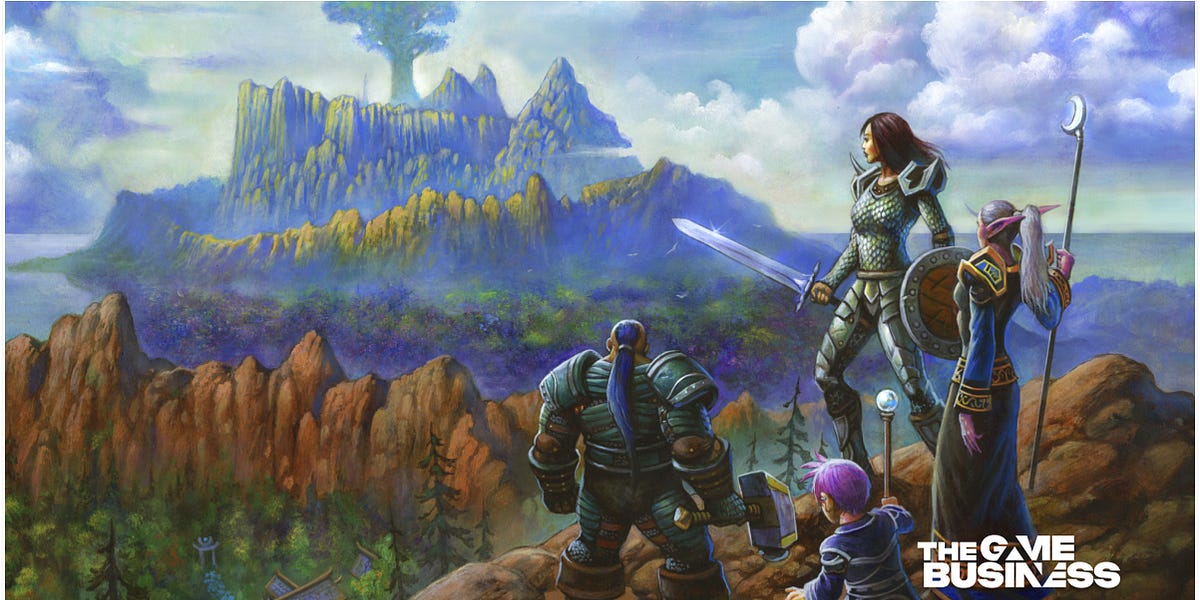
Player Focus. World of Warcraft's design is evolving to offer shorter, more accessible content updates every eight weeks alongside traditional long-form gameplay.
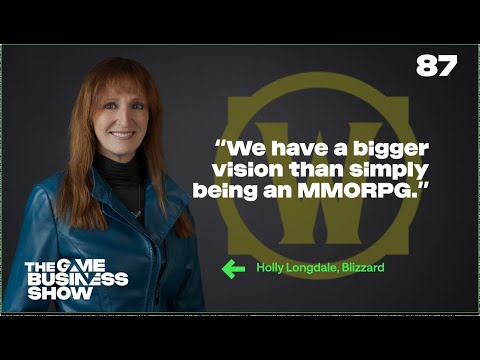
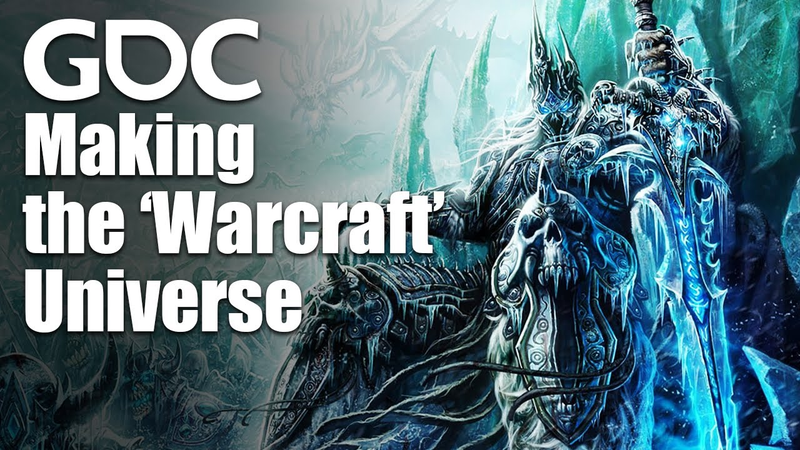
Blizzard Entertainment is evolving the long-running World of Warcraft franchise to maintain relevance for an aging player base while simultaneously attracting new generations. The primary thesis centers on shifting the game’s identity from a traditional, time-intensive MMORPG to a more flexible, accessible platform that accommodates diverse lifestyles. This strategic pivot emphasizes breadth in gameplay offerings, allowing users to engage in short, low-pressure sessions or deep, immersive experiences depending on their available time.
Key operational changes include a move toward faster expansion release cycles, with the upcoming Midnight expansion launching just 18 months after its predecessor. This acceleration is supported by a restructured organizational model that utilizes dedicated teams for live services, new content, and specific features like player housing. Notably, leadership attributes these gains in efficiency to improved planning and the empowerment of creative leads, rather than increased labor demands. The company explicitly highlights that these developments have been achieved without resorting to crunch, prioritizing sustainable team health as a long-term necessity.
The broader Warcraft intellectual property is also being re-evaluated to expand its reach beyond the core MMO audience. While the game remains a cornerstone of the franchise, leadership views the IP as underutilized and aims to evolve its presence. Furthermore, the integration into Microsoft has provided valuable cross-pollination opportunities, specifically through knowledge sharing with teams from Minecraft and The Elder Scrolls Online. Meanwhile, World of Warcraft Classic continues to operate as a distinct, experimental entity, serving a separate community while influencing the modern game’s development philosophy by fostering a more reactive approach to content creation.
The Game Business · 2026
The Game Business · 2026
The Game Business · 2026
The Game Business · 2026
The Game Business · 2026
The Game Business · 2026
The Game Business · 2026
The Game Business · 2026
The Game Business · 2026
The Game Business · 2026

The Game Business · 2026
The Game Business · 2026