1 free read left. Create a free account for unlimited reading + AI research.
Create free account
Raph Koster: Playable Worlds and the Metaverse - The Metacast by Naavik
Key insights
6 takeaways- 01Game design must shift from static, handcrafted experiences to systems rooted in economics, network science, and psychology to build adaptable, platform-agnostic virtual worlds.
- 02Technical architecture must transition from rigid, instance-based environments to dynamic, server-driven infrastructures that treat virtual worlds as flexible data rather than static meshes.
- 03Prioritizing data-driven environments and equitable economic design is essential to fostering emergent player behavior and long-term retention in virtual spaces.
- 04True asset portability and interoperability in the metaverse are currently blocked by proprietary engine formats and the lack of industry-wide standards for digital ownership.
- 05Current digital ownership models function as temporary leases rather than true property due to centralized infrastructure and existing legal frameworks.
- 06Developers should replace map-based land scarcity with node-based systems to prevent the feudal, 'rich-get-richer' wealth concentration that alienates new participants.
Ask AI about this video
Transcript
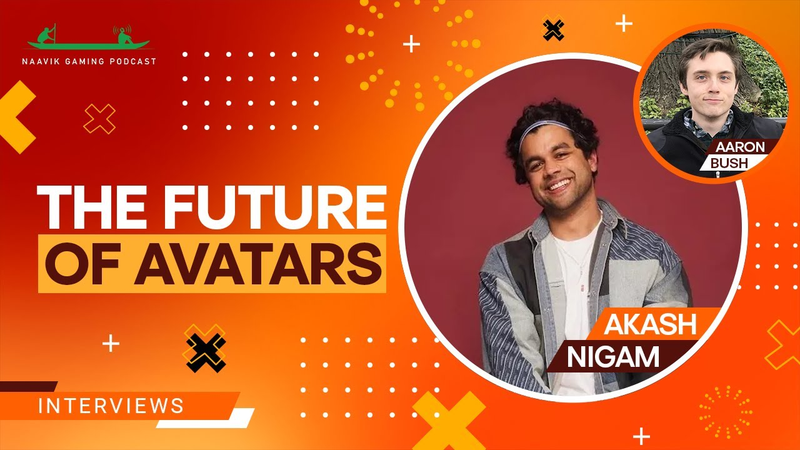
[Music] hold up [Music] hi everyone and welcome to the metacast by novik a podcast in which we explore the business and future of video games i'm aaron bush co-founder of novik and your host today and i'm absolutely thrilled to be joined by ralph coster a legendary game designer author and currently founder and ceo of playable worlds raph thank you so much for joining oh my pleasure and i also want to thank um all of you know thank our novick team and community on discord uh for suggesting a bunch of questions naturally with the details of playable worlds still being largely unannounced we respectfully won't dig as
deeply into that today although i still have a few questions and we'll be spending most of our time talking about game design mmos and the challenges of building digital worlds so first off raph you've accomplished a lot in your career so far ultima online star wars galaxies many other games but looking back um what is the the one thing that you're most proud of from your career as a game designer so far and why oh you know i'm probably proudest of games that most of the world has never seen because they never came out or you know they're sitting here in in prototype form i'm probably proudest of things like not the games but the impact the games have had on people because when you look at the actual games i go look at all that stuff that was busted um i'm probably proudest of
uh a lot of the writing that i i think has ended up having a an impact in terms of helping other game designers do what we do and i think you know that is probably in some ways the actual lasting work right not not necessarily what you do but what others do given what you did if that makes sense um so in some ways you know the the books and things like that probably will last longer than the games and that's a a great segue to the next question actually a bunch of people at novik are grateful for your book at theriaphon for game design which you know influenced their development and passion as game designers um and you know a couple people on the team were wondering how has your theory of fun changed over the past decade or so since publishing if you were to revisit the book today what are some things that you might um include that you didn't before
so you know it's actually closing in on two decades actually um yeah i think uh it's what 22 so that means the book is 18 years old i actually did do a revised edition at the 10th anniversary it came out in 2015 i guess so technically the 11th um and uh it in that i think the the biggest changes other than updating the science we're probably looking at the ways in which people play games that aren't necessarily for fun things like playing games for meditation or playing games for um almost like uh well competitive sport competitive sport is often not particularly fun it's grueling and exhausting um you know so other ways to play games that aren't necessarily about having that sensation of fun through learning which is what i really talked about in the book if anything over time more and more
science more and more um theory really as well has has sort of converged on pretty similar ideas right um a lot of the science around things like deliberate practice for example wasn't really widely known at the time that i did the original draft of the book and so as stuff like that has come out it's uh in most ways reinforced quite a lot of what theory of funds says you know there have been some lovely nuances added over the years uh by folks who've sort of run with the ball in more directions in particular i think of aaron hoffman john's notion of sophia as a concept around what what is the step beyond just fun as learning that i thought was actually a really really lovely elaboration um honestly i wish there were more books about fun out there uh and there's it's
sort of it's sort of weird that there haven't been more uh written over the years um yeah yeah i mean honestly for the novick audience i would say stop reading theory of fun and go read postmortems instead because it probably has more directly applicable lessons to uh what i think a lot of the novic audience is particularly interested in around you know the the future of online worlds yeah no that's super interesting um another question you know from the team was you know not just like looking back what would you change or add to the books but um just recognizing that the industry i mean currently you know is evolving quite a bit but that it always has and you've been someone who has successfully evolved as a game designer over a good stretch of time and so i'm curious um like how do you recommend evolving as a game designer um you know as you know gaming business models and
platforms and technologies change like how how do you recommend embracing all of this change and upskilling to better navigate the future how have you done it in the past and how would you recommend people um think about that for the future yeah that's a really good question i think it's it's really easy to always fall back on what you know right and you know it's a human tendency we all do it we all uh reach for whatever tools we're already on our workbench i think it's important to embrace the idea that you want to always be adding new tools to your workbench to to embrace the idea that you can't stand pat and that the tools you have are enough um so as a game designer what i uh typically recommend is um reading widely in varying fields because those things end up giving you new tools for the workbench right you start seeing analogies between different areas of study that
help illuminate problems or help give you different angles or views on things um uh you know ultima online was partly inspired by mit robotics experiments putting light sensors on roller skates and a servo to drive them around to make artificial cockroaches right that doesn't sound like it would have led to a core concept in ultima online but it did um you know galaxies had a lot of influence from reading in um network science graph theory and network science was a core element of what shaped the design of star wars galaxies so you know you never know where something like that is going to end up getting you to push outside of your box right and kind of you know explore an area that you're not comfortable with i think um always being willing to try out whatever the new platforms or at least dig into them because platforms force you to
question and relearn right it's it's a good thing to find yourself in a situation where your old tools don't work right um the best analogy i can think of is actually when i'm playing guitar right um uh tuning the instrument to random weird new tunings means you forget all of you it's not you forget all of your old fingering all of your old chords don't work and it makes you re-approach the problem hey i want to get some music out of this or i want to get an arrangement of this particular tune by having changed the way you address the problem you find new solutions right you find different ways in um to me that's why things like uh all of the writing and exploring i've done around game formalism right it's because i've been trying to find the music theory that is underneath playing the
guitar right because if you master the music theory then the instrument won't matter as much you can come at it in different ways and that's really what game design theory is about is trying to find what's what's the equivalent of music theory that makes games work and if you're chasing down that it's you know it's a bottomless pit right and so it forces you to always be you know questioning your previous assumptions and figuring out new ways to do things so you know it's going to be boring but the answer is try to always be learning put yourself in unfamiliar situations yeah i think that's that's great advice um and you know on i would imagine that you know other people you know at the tops of other fields too would actually give really similar advice to study to study widely because a lot of you know understanding the fundamentals of a lot of a lot of areas you know whether it's psychology or you know um you know computer programming whatever it is it all it all
connects together in really interesting ways just to double click on that question a little bit um is there anything that you're studying right now or running across right now that you think is particularly interesting or you know as being productive to your your job building games and in a way that maybe others wouldn't think uh lately i've been spending a lot of time revisiting economics questions um uh you know um you know it's prompted by a lot of what's going on with web3 uh it's prompted by doing economy design on the game we're working on but it's also prompted by the real world it's prompted by um looking at things like uh oh i don't know piketty's book on economics right um and um stuff like that and saying okay what are analogies that we can draw between you know genie coefficients and index in the real world and um political
instability and what does that mean for balancing soccer right like literally connecting it that way because um i've basically been looking at the way in which uh i guess in economic terms we'd call it wealth right looking at accumulation within a given context what are the dynamics that cause it right um what are the economic structures that end up affecting how it um uh develops how quickly how slowly you know it in in games we work against things like runaway inflation in the games for example right so uh you know i think many of us who worked in mmo economies called out that axi was headed for very serious economic troubles sometime around the you know middle of last year we said oh this is this is going to go bad right um and it's because we're reaching
back to some of those core principles um i think the the interesting thing is where it starts affecting game balance questions where it starts uh shaping how we tackle things like how do you design your drains how many currencies should you have what is the acquisition impact of having a high genie coefficient in your game right like if your wealth distribution goes pareto does that make the game have worse newbie conversion and the answer appears to be yes right um so then let's talk about you know i've been doing things like building models with if there's only 10 coins in the game what happens under these different situations right in order to try to arrive at sort of general principles gotcha um that's super interesting and we'll we'll dig more into some of your thoughts about um economies and digital
worlds more later but before we get too deep into to the weeds i do want to talk about playable worlds for a moment um and as i said i know we can't go into too much depth but i do want to ask you know just for starters what is the mission of playable worlds and what what can you tell us about what you're building right now i would say that the mission of playable worlds is to fulfill the potential of what online worlds can be right that that's that's what we want to do um now there's a lot of possible potentials um so we're obviously chasing the potentials that we see i would like online worlds to be oh a place where different groups come to understand one another a place where we can experiment and work together to solve group coordination problems that maybe help make a difference in the real world i would like online worlds to be places of identity exploration where we come to know ourselves better right um you know they're really
they're not just a public square but a lab for experimentation right but they're also a place of escape and i don't denigrate escape i think escape is important and valuable um and without that escape that self-exploration can't really happen right so uh you know at the high level that's our philosophical mission in terms of what that means in terms of what we're building right um first is we want to make online worlds uh actually work the way the rest of the modern internet does rather than using effectively a decades-old very rigid client server model right we want to do something that um plays better with the internet today uh so many dreams about what the metaverse can someday be are really gated by the fact that um we've we've essentially been architecting mmos for quite a while
in a very game industry way if that makes sense they've been very much structured in the way of their they're still structured as if we were delivering a silver platter to your house in a box right and you know that's not even the way the game industry works today much less everything else right everything else is much more alive and dynamic so when we dream of a metaverse it's super clear that it needs to include elements such as on-the-fly dynamic updates far less reliance on static content much more on dynamic content delivery less emphasis on the concept of content period in some ways right um more ability for there to be a two-way connection between players and the game more leveraging of the amazing power of simulation and the power of the cloud right than than what we do now right um
you know i often analogize it to we keep building worlds like we're doing building the stage for a high school play right we we make a whole bunch of cardboard backdrops that only look real if you're far enough away and the minute you get close to them you go ah that's not this is an inch deep you know it's not real you know it doesn't have much substance to it and that limits what developers can do and it limits what players can do right and and that limits the potential of what online worlds can be um back ironically back in the text days streaming text over a telnet connection was a fully streaming client right um and in some ways you know as graphics came in we've gone backwards right but there's more and more like right we we stuff more and more in the cache so to speak and ship it to you in advance and then it doesn't change it can't evolve it can't grow
years ago i wrote a lament where you know great we're making these gorgeous beautiful worlds i'm walking through a meadow and there's music playing and a forest in the background and bunnies hopping around but i can't pick a flower the flowers don't grow seasons don't change people can't change right like we even designed it in so that people can't really grow and evolve we let you get more hit points and kill bigger monsters but it's not really set up to allow growth and change in so many ways right um yeah the dreams of metaverse that people have the stories that people tell about metaverse are all about growth and change so to me that's the big thing to overcome right and in a in a post last year you wrote we have built a metaverse platform again i know you can't dig into details but at a high level um like can what can you tell us about what that means and how that ties into your vision for the future of games sure yeah
i hope people don't mind if i get moderately techy right um please do yeah so uh specific examples from what i just listed right um when i have an older car it has a gps system where the maps were actually on a dvd in the dash right um that means it's you know this car is over a decade old the maps have never changed that reminds me of playing mmos so one first thing is let's have an environment that allows for streaming down of game content and game assets as players move around in the world right um and that doesn't necessarily seem that revolution until you realize that most games don't do it roblox does it as a pick one example but most games simply don't the ability to deliver content on the fly the ability to say this environment this map is not a static handcrafted mesh but is actually data
and that we're going to have the client parse the data and represent the data to you in whatever way makes the most sense which is different from saying we're going to decide how you see things we're going to decide how this looks um so part one of it has to be that the client has to grow thinner it has to become something that has fewer assumptions about what it is connecting to and typically those assumptions come in the form of mostly in the form of the assets and the meshes and the static content so sending that down on the fly that's step one to truly building a metaverse platform um step two is uh driving things more completely from the server right that is crucial right um again when you're when your client has baked in assumptions right it's sort of the difference between a browser and an app right an app is dedicated towards one
purpose a browser is architected and designed from the beginning to be able to receive varying forms of content and provide varying forms of experiences right um if you're trying to build a metaverse platform you have to build that way right a roblox client does not assume that you are connecting to a 2d platformer uh most mmo clients assume you're connecting not just to a standard mmo but to that one specific mmo right i often use the analogy that um uh way back way back when in australia for a while uh each radio station sold radios without a tuner dial um you know and so when you got that radio it could only tune into one station that's how our online world clients today tend to work they can only tune in to one station driving things from the server and
architecting your client so that it isn't locked down in that way is also a key element of actually building a metaverse platform so we have done both of those things there's a ton of wrinkles in terms of what that means because you also don't want to go building a custom server per experience so that means that your server also has to be fully data driven including the ways in which your game logic operates right and then for larger scale dreams you really need it to be a citizen of the web right the entire web today all of our internet that we use on a daily basis is built around a whole set of standards and conventions and games blithely ignore them frankly right um so if you dream of pulling off things that frankly are not that hard and have been done dozens of times but everybody
brings them up oh we want to have a live concert or oh we want to have an amazon storefront you can walk around in or or whatever come on your server should be able to speak web that shouldn't be like a custom integration just speak web right setting up a live audio feed is no big deal you know tens of thousands of people do it every day setting up internet radio stations right like it's not that whack right and yet when we look at the you know especially now that we have so many new entrants into this metaverse space people are really impressed that they got a a canned audio stream it's like come on right like the first the first full bi-directional interactive live concert suzanne vega did it in second life in like the early 2000s and the audience could talk to her and she could talk back and you know like
anyway setting up your architecture in such a way that it can actually leverage this giant plethora of stuff that's out there um that's also a key thing all of these things do call for architecting your tech in a way that's very different from how games are typically built right that it's it's not at all the way that engines want to work for example the the commonly used engines it's it's not the way you know it calls for a different networking model than the standard replication networking model that everybody uses right which is why we keep having folks get surprised over wait you can get more than 250 in a space or think of 250 as being a big achievement when you know we've had we've had four digits worth of people on a server process for literally decades so um yeah it's it's all of those things right it really requires you to architect and
think about this from the bottom up luckily um we've done it before because we built a platform like that uh starting in 2006 with my previous startup metaplace and metaplace was actually direct competitor of roblox's and roblox and metaplace actually extremely similar in a whole bunch of their architecture so it's not that there aren't proof points out there there are plenty of lessons to be had um we're just uh observing them and innovating on them yeah well thank you so much for for sharing all of that um and i i know i and many people um listening can't wait to see more more details about what playable worlds is spinning up how it's going to work like exactly how some of those architectural differences um play out maybe maybe to to ground it a bit more a bit less technical maybe more from like a player lens and specifically with mmorpgs
um like you know because of all of these architectural differences like what like from a player lens like what are the key tenets that will separate the great mmorpgs of the future from those of the past oh gosh there's a whole bunch and not all of them are only driven by the tech but the tech enables features that enable social things and that's how i put it because i would say that really the things that will differentiate are going to be social but it's hard to get those social things without building on top of features that are enabled by tech right so um i'll pick one example that that's fairly easy to trace right um in in most mmos you can't have a house but in the ones that you can mostly
you get a virtual instance you have an instance of a house or uh or there's this vanishingly small quantity of houses that the designers pre-placed and said well you can get in line and hope you get to claim one someday right why is that partly it's because uh the tech doesn't really allow people to build if you look at that right alone what does building require it requires those things like asset streaming treating the map as data and not making everything out of meshes and so on right so there's a technical underpinning there that enables hey we want to be able to have freestanding structures in the world now there are challenges around freestanding structures becoming cluttering up the map because you have limited amount of map but limited amount of map is also a restriction because of handcrafting
everything in the first place right so so there's that but if you even think about what does limited amount of map mean i mean in real estate that's location location location right um so there's social dynamics that stack on top of the ability of building freestanding structures in the world if you don't have that then your real estate market is incredibly simplified right because it can't have the variability that exists from location from traffic from um you know locality right like the idea of a suburb versus not can't exist if everybody has instance departments right so there's an enormous amount of important social dynamics that are outgrowths of this stuff even when you look at a tech layer right um now from a gameplay point of view if you want to make that super concrete it means hey you can be an architect and design the house the way you want you can put it to different uses you can you
know maybe you can build an inn at the coolest crossroads because you're actually at a crossroads where people walk right like the the dynamics that evolve from that eventually become things like wow you and your friends could found a town right and now we're unlocking higher order things that are the sorts of things that are in sort out online or or you know whatever other metaverse thing you want to go reference right but if you if you don't have that substrate you just can't get there right like there's no way to get there with an instance department um there are many many examples of gameplay things like that that if you don't have a substrate like that you just can't do um events is a really really simple thing right the amount of effort it takes to make an event when you have crafted your entire world out of static content pieces is enormous and you are unwilling to make permanent
changes because you it sunk costs that you don't want to erase right so what happens to the gameplay experience when events are dramatically easier to make and we actually know because we can go look at past examples of worlds that had more dynamic structure that could actually provide um you know just not just freedom but more opportunity for uh developers to do things on a faster basis right even from a business point of view a platform like that enables you to update more often be more responsive to customers bug fix more rapidly right and like from a raw biz point of view we know frequency of updates is one of the key determinants of retention and therefore revenue right so yeah it has enormous cascading effects many of which are just right up front a player can feel them and see them right
yeah maybe i was i was naive uh i definitely am but i guess i was sort of surprised to hear you say that some of the like many of the biggest differences will be social driven could you maybe just share like one or two more we don't have to go through like the full reasoning of how the tech leads to it but just like a couple more examples of like just socially like like what are a couple other things that could be possible in the future because of all the things that you're building and thinking about that weren't before sure um i'll give you a historical example first because then you can extrapolate out and that way i don't have to give away too much about what we're doing sounds good way back in ultima online which is now like what 25 years old right way back on ultima online it was a big deal that we allowed you to change the clothes on your character okay we're one of the first games on earth to let you do that at all but we didn't just let you change the clothes on your character we also
allowed tailors to make dyes and those dyes could then tint the colors of your clothing you could re-dye your outfit right that on the face of it already that implies a technical substrate that says we want to allow this to be server driven variables rather than baked on the client right it's an example of what we're talking about it's a very limited example but nonetheless the social impact of that that happened immediately but that wasn't necessarily anticipated was that guilds would build color-coordinated uniforms right that's an example of a social impact that comes immediately from enabling that small amount of server-driven stuff right and actually that's a huge thing if you think about what is the social impact of uniforms like they're everywhere and they use them all for all sorts of purposes has a huge
cascading effect what then what would go further that was an example of only tinting colors right but what would be required in order to unlock fashion fashion is more than color right fashion is incredibly important to human civilization and yet you can't do it in most games because you are confined to the handcrafted set of stuff right this is one simple example of tracing just hey i want to change the color of a shirt but if you if you cascade it forward you know through uniforms what that means for social structures into fashion and player expressivity and what that ends up meaning what does that then unlock it unlocks all kinds of social structures and commerce structures that didn't exist and to make it super concrete we currently build
the you know a huge amount of the free-to-play business today is built on the idea of fashion it's built on the idea of having distinct cosmetic appearances right so in other words it's it's a primary monetization engine for the industry and yet there's no support for it in the first place do you see where do you follow where i'm going right um it's actually uh a great example of one of those other economic things i've been thinking about a lot lately um you know what what we often do as we pursue our monetization models is we're taking things that are by nature infinitely abundant because of digital goods and making them intentionally scarce through fiat basically in order to cause scarcity and and affect price valuation right um it's which is weird in a way here we have the star trek replicator future and we're saying no we don't want it actually uh we'd
rather play monopoly right um all of that cascades from these initial choices right these initial tech choices that's a really small example right so multiply that out to what does that mean if environments are malleable what does that mean if uh you have a richer more dynamic economy what does that mean once you have a creator economy right all of these things start stacking there is no creator economy without having some of this tech infrastructure because there's no way for creators to put their stuff in right so yeah yeah extrapolate out you can see where that kind of thing goes yeah i love that it's the domino effect that it's not unique to games you see it everywhere uh correct too like you know with cars becoming a thing in the past like the the externalities were like who thought that walmart you know would be one of the biggest winners of of cars
and that has had a huge effect on society and you know same with you know electricity the internet in general everything so totally understand what you're saying those the ripple effects of what might seem minor can be super powerful and having all those things hit against each other at the same time too could lead to i guess it just means that the creative surface area of what's possible and enables people to do is also um pretty exciting too so yes and from a gameplay point of view that's also more surface for fun okay i i don't think we should lose sight of that right um if if you go back to the roots it basically said the only way to have fun is kill things which you know that's a pretty horrifyingly narrow view of the world right and then it's like actually killing things and helping your of your friends right which is a nice addition but we gain healing and we gain things like that and then it's oh actually you know
it and you know there was resistance but when in uo we put in crafting you know competitors ran ads saying why do you want to play to bake bread wouldn't you rather slay dragons right but of course the answer is as we all saw through the pandemic turns out a lot of people went to go bake bread right it is a thing that a lot of people want to do so by enabling it you're you are increasing the surface for fun there's more fun to be had because there are more ways to play right um and you know the the practice of building static dedicated game servers against static dedicated clients with static and dedicated content on the disk or in your game install that's just a proxy for the disk you are pre-determining the kinds of fun to be had right you're shipping a radio with only that many channels only that many stations
yeah all makes sense all super fascinating um let's go ahead and switch gears a little bit um and talk about the metaverse um and so i guess first off one of my favorite things i read last year was your series on how digital worlds work um recommend everybody who's listening to go check that out i'll link to it um in the show notes um and i want to spend some time digging into some core ideas from from that series um and i think a first good starting point is just the idea of interoperability which on one hand as you've laid out most interoperability isn't even desirable or even makes sense and we've covered that um too in places so i think our audience generally gets that but on the the other hand where it might make sense it still requires data formatting standards which create you know as you say a major social coordination problem to make that happen so my my question here is twofold um one in your opinion
what are key interoperability challenges or needed standards in games that are worth solving for today and then you know second related that to actually solve them how should like leaders across the industry resolve any social coordination problems here what do you think yeah i mean er fundamentally when you know this is one of those tools on the tool bench right if you're dealing with social coordination problems there's basically two answers one is you go full democracy and and you you know you form committees and people and and you hope that the the the best standard which will actually be the best compromise not the best standard ends up winning out through that kind of a process the other is to enforce it by fiat because you control it those are the two ways in which standards get built um in the real world in practice um by fiat is actually the way most of the
committee ones work right because the committees in the real world tend to be made up of the really big powerful companies and the really big powerful companies say well we want to add web p as a standard or we want to say this particular mechanism of cleaning cookies as a standard or whatever and because they have 78 of the market that it is so okay most web standards today happen that way right not because of some democratic process um and that's because in practice uh power is concentrated into the few who have sufficient market dominance right apple says flash die and it does right right on the democratic basis flash was nearly a standard it was on something like 98 of devices but on the fiat basis boom it died like in what felt like overnight
right um it was actually a protracted decade-long death but you know it was it was uh it was done by fiat more than anything else it was an exercise of power so that fundamentally is the social coordination problem we have a choice between do we want to do this the democratic way or do we want to let whoever has the most market share decide what the standards are that's fundamentally what it is um and you know i'm a bit of a cynic um the people who run a given powerful company may be incredibly altruistic and idealistic at any given moment but a company by nature is never altruistic and idealistic right it's it's not how a company works it's how a manager might work right companies don't have such a thing they just basically want to grow that's what they do so um it's you know there's worries about having uh you know basically fiat be the way in which we set these standards and probably the the
it's it's easiest to put it by analogy right um at the last giant wave of oh let's have a bunch of metaverse standards i attended standards meetings back in the mid-2000s during the virtual worlds boom and i really remember oh it's going to be really easy let's build an avatar standard and everybody said well most of our worlds can import poser so the poser format you know has been democratically and the poser skeleton crucially and that way we all have access to the huge library of poser animations and i raised my hand and said and when somebody goes to make my little pony world what happens you are assuming that avatars are in human form if somebody wants to make mmo starcraft which was a current example at the time and you know it's just sort of like it it's illustrative of the easy way in
which we put blinders on right when we start making standards and that of course is is one of the drivers for for standard proliferation people invent a new use case and the previous standard doesn't work anymore that's why we have literally hundreds of 3d mesh standards uh format standard formats in use um when you get dominant providers of something they typically end up developing internal formats to optimize for their offering right so both unity and unreal you know you can bring in external 3d mesh formats but internal they make their own right that's why you have to build and bake content right is because in the name of performance they have chosen a particular path and that path is deeply tied to how their engine works
and as a result isn't something that you can just easily share right so what that means is that when they say oh let's all go use nvidia's new format or whatever they're actually talking about an import step but it doesn't necessarily mean that assets are easily movable they might still need baked to be able to move between engines right and you know baking is not rapid it's not teleporting from one world to another right it's actually in many cases hours of reprocessing the data so yeah all of those things are very real obstacles in terms of the social coordination problems to my mind the thing about standards um the big thing is to is to first agree on interchange formats that that's really the first thing that needs to happen and but that means that the hop around worlds trivially thing is not in the cards in the first stages it's
much more about is it even possible to move this from a to b right um and uh we've seen over the years in the game industry even those basic interchange formats get thrown away routinely it's not like we all build and transfer data with colada anymore right even though that was a thing right um yeah it's it's it's a challenging problem um you know when i think of for example where did uh vrml go wrong and to my mind it was actually overspecifying right because it you know if you over specify like saying oh human skeletons always have this many bones it's it's the kind of thing that it you're closing doors that other people might want to go through right so that to me particularly now when we're in a period of exploration
we shouldn't be closing doors we should be trying to open them interesting um let's uh let's go ahead and switch gears a little bit uh we you mentioned we were hinting at this a bit earlier but i want to spend some time talking about player ownership and player owned economies and you know as is the the theme here and with a lot of your your writing the devil is always in the details you know yeah like for what exactly does a player own how exactly does the economics work but you know a lot of the the crazy noise aside you know the crypto noise i'm curious to get your pulse on player owned assets and economies in general um so i guess you know the simple question to start do you think they they should have a place in the future of games oh there should and there's can um and i'm sort of in this weird position where i come down on should but maybe can't and that has to do with
tech infrastructure as much as anything else right um to my mind you cannot disentangle the notion of ownership from the fundamental fact that somebody else owns the server that embodies all of the ownership data um and that uh that's similar to the problem that we've always had around what rights does a player have when they're operating inside of a given virtual context what stake do they have and if it's governance right and the answer has always been to our frustration um well whoever pays the power bill for the server probably has that power um you know ultimately they can they control the machine and therefore it doesn't matter what you want right like they can always threaten to destroy the whole thing if you don't go along with what they're what they say that dilemma has been with us for a very very long time and ownership including the crypto models that are out
there now has yet to find a way around that um you know we just recently a whole bunch i forget which streamer it was but i think it's a couple actually a couple of uh streamers recently took down movie catalogs from particular uh studios because their server-side licensing deal ended people had bought those movies and they are gone ownership or was it a weird lease program right um fundamentally if it's living on somebody else's server it's always a weird lease program and never actual ownership that is fundamentally the problem and the challenge so even if you believe ownership should exist the level of enforcement of it moves out of the technical question and moves into a legal framework and that's where it gets just downright
weird right so if we extrapolate um let's say that no i bought that movie oh but we have to pull it down from our servers okay is there a law that says i have the right of download to move it to someplace else right that's a legal question and would require external legal enforcement i should have right of download right um if we move over into games hey i have this sword you sold it to me but you hold it how do you even download it what is the player that can play that sword i can at least import the downloaded movie and play it with vlc what is the vlc equivalent for using that sword again and the answer is there outright isn't one it they're because again of the standards question there is no way to extract that sword from its context it literally stops functioning right it becomes some numbers in a spreadsheet
that don't have value anywhere else so that's the the can you have ownership question um it turns back into a social coordination problem and it it starts intersecting especially with challenges beyond um honestly beyond the word ownership because digital goods by and large don't fall under property law they fall under intellectual property law which is radically different from how things work in with physical objects and we just completely lack the legal framework to deal with it frankly um so it's illusory right in the sense that all ownership is illusory but it is illusory in a very particular way
that requires legal constructs to adapt and develop and actually start to support it um and until that time it's mostly a mirage right as we have seen with countless examples of services that sold you stuff and then went poof there's no shortage of those right so um does the vast metaverse future involve a picture of ownership sure it should it's a should um but the can has a lot of can you questions that are not just technical but social and governmental frankly yeah it's ownership with a lot of caveats that i think um a lot of you know with any hype cycle it starts up pretty idealistic and then reality starts setting into place so i um i think those caveats will be increasingly understood by more teams
and consumers but yeah the reality is there it probably should change how many people think about building and owning these assets uh we could we could talk a lot more about that but one more um bigger question for you before we wrap up i'm really curious to hear your thoughts on digital land which i guess um you know in some ways you know many teams are trying to make that a type of ownable you know asset um and there's a long history of digital land and games and um you know today many people are trying to pioneer it in new ways to make it work across mmos and the broader metaverse so i'm curious um you know as you look back across your history with games that maybe incorporated land like what were your biggest lessons learned over the years and then second what like what would you tell teams who want to incorporate land into their games um okay so it's important to look back at the real world context of land
right land as famously described in economics and so on is the ultimate scarce resource right um and it's because it is not only scarce but um the the the physical qualities of location provide very natural sorts of of price variabilities right um so you you kind of have a perfect it's a perfect confluence of scarcity in very large volume right we have something that we know is scarce um and the scarcity becomes very apparent when you have density right um and you have a location most of the time it doesn't feel particularly scarce because you just head out into the boonies it's like wow there's way more land out there right so you have this this interesting tension where you know it's finite but you often can act like it's not but
then when you get into a dense situation you feel the finite nature and location matters a lot right kind of the almost like the network graph of where it is and what it is connected to matters when you move to digital land there you have to question all of those assumptions that's to start okay um when we build maps the traditional way we now have a scarce resource a finite resource that is also actually scarce which is not the case in the real world right like there are no boonies to go to if you build handcrafted maps the boonies are suburbs in waiting because if you are successful you will run out of land that's a very different situation from you know uh like there's no australia to go to there's no you know oh let's all go move to the empty sahara desert or whatever right
like it's there is not that so you start hitting those scarcity constraints way way way faster that's that's a big thing to bear in mind the nature of incumbency with something like this is uh you know we have other things in games that are scarce in that way veblen goods collectibles etc but land is unique in the way that it preserves incumbency okay and we know this because it was the basis of the feudal system right so the entire feudal system was heavily driven by land ownership and land not getting broken up very much and not getting uh disseminated to more economic hands as population increased right this is the engine behind countless like regency romance novels oh
this is the younger son will he get any land or does he can he make a living right the answer is no because it is all conveyed to the eldest and whatever and so the younger son no longer has the income of a manor house with a zillion tenants who all farm and tithe to them right like that kind of engine because [Music] basically any capitalism is an accretive system okay so um in any any free trade economy is what happens is primarily whoever was a first entrant or got lucky gets a slight advantage and then that advantage lets them get more so whoever got lucky early on and managed to claim the plot of land next to the river in the fertile land uh you know the fertile farm fields they're going to be slightly richer which means they're likelier to swallow up the adjacent land and that's how we ended up with medieval manners right that that is the path somebody got lucky
early and you know think of it as a as a distribution theirs got higher and it sucked away from what's nearby so it's a concentration effect right land really encourages that because what do we do on it we build we don't tend to knock down and particularly if you are in a business of selling knocking down is not something you want to make part of the process we avoid in digital economies doing things like overextending supply lines requiring maintenance cost having decay and so on and so now you have a scarce resource that by nature is accumulative and on top of that does not tend to get redistributed through turnover those things are all generally bad they drive the the genie coefficient thing right that is a rich get richer scenario rich get richer scenario with a finite resource means that eventually not that long you
will have new players who attempt to enter the game for whom owning land is impossible because all of it is owned right so um that dynamic is fairly simple to understand of course in digital we have the ability to create more land right but just creating new land doesn't break the locality question just creating land doesn't you know like it you know if i outlined basically that there's uh there's uh scarcity there's supply and there's location the fact that you can break one of those via digital doesn't mean that you've solved the other two right so um among the things that we've run into historically have been things like hey we added more land yeah but new york city is there and everybody wants to be near it so the new land's worthless right and i think we've seen that we're seeing that in some of the current
land-based economies where people are going why have this um in second life we actually saw the inverse right we also saw the dynamic of no islands out in the boonies are worth more than being with the hoi polloi on the continent right with sort of an exclusivity effect and they actually monetize on the basis of that effect right so yeah so the location factor doesn't break ironically digital has shown us that we don't need to have location factor right um you know you could instead of having continuous maps have node-based graph maps right that's how the web works and then you know we don't say that wow ebay's website is closer to amazon and therefore it is more desirable right like it's not more desirable restate because of that proximity however even disconnected node graphs end up with a geography right and for example the dns system
gives us the equivalent of location right good names are the equivalent of being in times square and having that as an address so it's it's very hard to avoid some of these dynamics but pitfalls though are really you know ones that everybody should wrap their head around right exclusivity of land is a problem if there are resources attached to it because that will lead to rich get richer and anybody design these environments i know you want to you want to dangle getting richer as an opportunity to all of your customers but rich get richer is bad it is anti-fun okay and it's it's a key thing everybody needs to understand you can have this but this kills your game always irretrievably kills your game on multiple different axes um so all games
work to keep it like a this right uh you can in sports when free trade phase happens or whatever like we don't let the winning team get the first draft pick to keep them from doing this like there are so many examples it's everywhere in the world okay and you could take this as an underground argument for progressive taxation well guess what in a game you need progressive taxation because this is always bad right you won't bring in new people if they don't think it's fair enough okay so in the real world we don't get to choose whether life is fair in a game we do so all of these things land is really uh is problematic right it has very real challenges around this the flip side of it is the social value of locality is huge an enormous amount of human culture is driven by density okay it's just a key factor in well in getting us everything we like
frankly right so as you design you need to worry about not letting this happen yes causing density a key challenge with expanding land infinitely is actually you destroy density and that's a very very big problem if you create a system where you say well we want everybody to have their own land and everybody ends up with an acre nobody sees each other your game fails even if you have millions of users right yeah so it's uh it you have to treat it as a very unique special class of resource and constantly be monitoring how it is affecting not just your economy but your social ties but it's you know don't fall in the easy traps because games do over and over have a finite map and let players chop it up done work first people in will be the dukes and everybody else will be a peasant that does not work um
don't allow resources that the game provides to be locked up by land ownership right like you don't let somebody build if you have us an oil well in the game don't let somebody build a town on it because whoever whoever owns the house on the oil well will always be richer than everybody else right you're basically creating kingship whether you're meant to or not don't just solve it by oh we'll have infinite space your user base atomizes and then you don't get social density right those are all common traps we've seen uh projects fall into yeah that was all brilliant and well said and i hope a lot of teams listen to what you just said because i think we're at a point in time where uh many many should because uh i've had the the privilege of working with um lars dussette recently i don't know if you know laura's wrath but he's done i know a lot of incredible he's a brilliant guy he's done a lot of incredible thinking and work around
digital land and as we've been looking into a bunch of you know especially more like blockchain based games that are raising a lot of money through land sales and putting really intense scarcity into effect um and again kind of digging into that whole ownership question too um yeah it's just been amazing to to learn about the intricacies involved um with what might seem minor is actually has huge implications for not just the value of the land or how people perceive land but how people work with the entire game as a whole when that's like any type of real foundation to what's important so so thank you for um for extrapolating on all of that uh we are we do need to wrap up right now i could go on all this forever i know you can too um but i guess last just quick question before before i close if people want to follow along with what you and the team are building and your thoughts on game design and building virtual worlds where can they find you sure uh we do periodically post articles
on playableworlds.com uh you can uh follow us on twitter at playable worlds and that you know every time we post new content you can you can uh find that there um you can also follow me personally at ralph coster and rafcoster.com is where the archive of at this point 30 years worth of articles on these sorts of topics are all archived there um millions of words so if people want to ever check it out um i post all of my talks there as well um including links to you know videos and whatnot so those are the places to go awesome and i highly recommend it i'll put all of that in the episode notes raph thank you so much for joining and sharing your wisdom with everyone today absolutely my pleasure thanks so much and oh awesome and and so all of our listeners uh if you enjoyed this episode please give us a like subscribe five stars it would mean a lot also to make sure to check out our free newsletter novick digest and if you want you know
extra premium research like weekly game deconstructions and market updates check out novick pro links and discount codes for all of that as well as the details of today's conversation with raph are all in the description thanks for listening and we'll catch you next time [Music] hold up [Music] you
Summary
Game design must evolve from a craft of static, handcrafted experiences into a discipline rooted in cross-disciplinary theory, drawing heavily from economics, network science, and psychology. By mastering these fundamental principles, designers can build robust, adaptable systems that transcend specific platforms. This shift requires a transition in technical architecture, moving away from rigid, instance-based environments toward dynamic, server-driven infrastructures. By treating virtual worlds as flexible data rather than static meshes, developers can facilitate persistent, player-driven growth and complex social economies that foster deeper engagement and long-term retention.
The current landscape of the metaverse faces significant structural challenges, particularly regarding interoperability and digital ownership. True asset portability remains elusive due to proprietary engine formats and the inherent social coordination problem of establishing industry-wide standards. Furthermore, the concept of digital ownership is currently limited by centralized infrastructure and legal frameworks, rendering most virtual assets as temporary leases rather than true property. These technical and legal barriers prevent the realization of a seamless, interconnected digital ecosystem.
Economic sustainability within virtual worlds requires a careful balance to avoid systemic inequality. Traditional models of digital land ownership often mirror feudal structures, where artificial scarcity leads to wealth concentration and the alienation of new participants. To ensure longevity, developers should move away from map-based scarcity and toward node-based systems that promote social density without triggering the exclusionary dynamics of the rich-get-richer trap. By prioritizing flexible, data-driven environments and equitable economic design, the industry can create more resilient, player-centric virtual spaces that support emergent behavior and sustainable growth.










Comments