1 free read left. Create a free account for unlimited reading + AI research.
Create free account
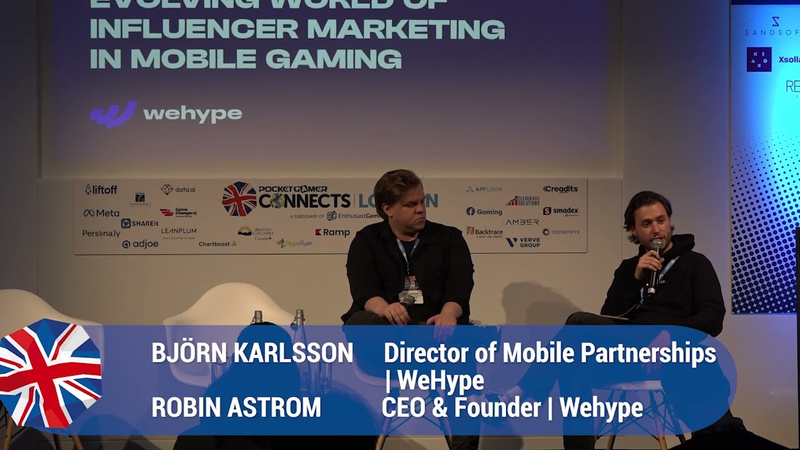
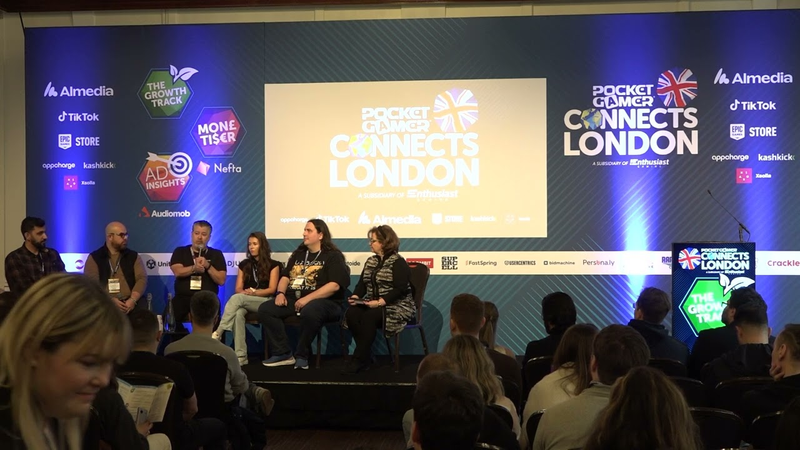
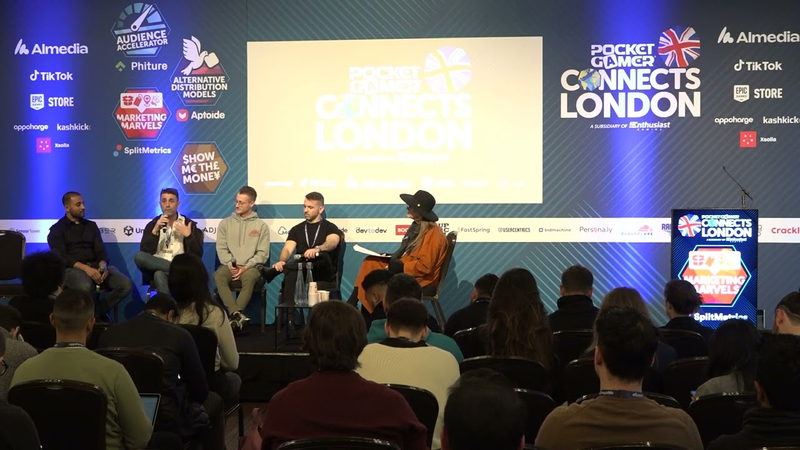
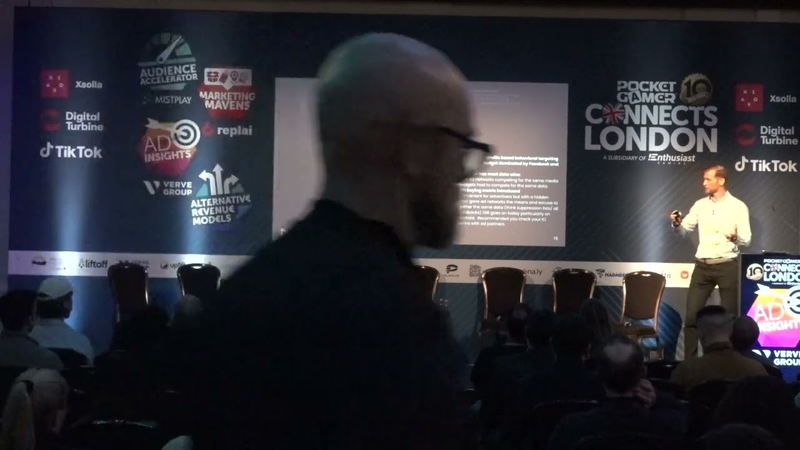
Fireside Chat: Navigating the Evolving World of Influencer Marketing in Mobile Gaming.
Key insights
6 takeaways- 01Optimize marketing ROI by repurposing high-performing influencer content across broader user acquisition channels to extend the reach of successful assets.
- 02Integrate creators early in the development lifecycle, such as during alpha or beta testing, to foster long-term brand advocacy and gain actionable community insights.
- 03Tailor campaign strategy to the game model: use hyper-casual titles for broad branding exercises and mid-core or premium games for long-term, community-focused activations.
- 04Shift from speculative spending to a data-driven model by testing campaigns with micro-influencers and scaling based on verified metrics like chat activity and conversion rates.
- 05Prioritize audience alignment and genre-specific relevance over influencer follower counts to ensure higher engagement and conversion rates.
- 06Balance brand safety with creative freedom by providing clear KPIs and calls to action while avoiding restrictive scripts that undermine content authenticity.
Ask AI about this video
Transcript
foreign [Music] [Applause] up next we've got Robin from we hype talking about influencer Marketing in Mobile gaming perfect uh welcome everyone to this session in which we're going to speak about influencer marketing and navigating this quite complex world and focusing special specifically on mobile games so um first short introduction my name is Robin Ostrum I'm the CEO and one of the
founders of a company called we hype and I've been in the influence marketing space for more than 10 years my entire professional career and I've been within lifestyle and fashion and travel and now in the past six years I've been in the gaming space and with me on stage I have my colleague Bjorn and I've been at Wii for like two and a half years but I worked for more than 100 different games basically strategizing the influencer marketing uh that they're gonna do or they potentially want to do with our help awesome and just short about way up so we're in influence marketing platform with complementary agency Services as well so we help game Publishers and developers to promote their games using influencers and content creators and um we are based in Sweden but we operate globally
um and in this session we'll go through a couple of topics uh from use cases for influence marketing how to measure the success of it how to generate organic content which is quite an interesting part as well and then platforms which platforms to to actually use and I wanted to start Beyond with a question surrounding use cases and I mean I've been chatting to a lot of people from from this industry and and one of the things that I hear a lot is how do you actually position this is this another user acquisition channel do you use this for community building is it awareness it is performance driven and so on and so forth so the actual use cases for influence marketing yeah um I would say it's a few main ones the main one is community building it's been
on the um again A lot of times today and community building is actually uh where you can bring in the creators pretty early on uh you can even bring them on already in the better Alpha Testing for a game or in the early stages whether you can add their own insights um because they know what their own Community wants see if you bring them in early on they can actually give you that Insight before you develop too much into the game or you don't have a chance to develop it in easily um and of course like when you're releasing a game to use influencers to Hype that up to get that exposure that you need and that would say it's the main use cases yeah yeah I think I heard for those who were here in the panel before there were a lot of shouting about the community and also operating on a low budget and and one of the things that I was wondering a bit more about is like bringing on creators early stage in a game and how you actually do that to manage that yeah um I would say the best way to do it early on is to actually look at which of
these creators are naturally interested in yours kind of game your Niche look at the data behind them but also try to invite the ones that you see have an upcoming demographics like you can see that they're scaling and viewership you can see especially that they have a lot of Engagement from their Community because then you're also going to get a lot of feedback from them because they have that from their own community so I would say that's the best use and also using different types of creators micro middle even macro um because the thing is if there are part part of this and then the game gets released they're going to be so much more proud of it and there's more chance for to have organic traffic and more exposure for your game in that way cool and obviously there is a lot of different like titles and spanning from Hardcore to casual mid-core and the entire Spectra is there any specific type of genre where you see creators working better or can it be
leveraged throughout the spectrum of the different genres yeah I would say for hyper casual I would say we more look at the campaigns as a branding campaign it's pretty hard to build community around those titles at least long term and the ones that are a bit more premium games as I say um that's much easier to build community around and then you can have much of a long-term approach when you actually activate creators and your first connection with them your first Contact should have something to do with it you can also be a part of this journey long term if you like the game and if your community responds to it all right let's do just a small test how many in this room now has done an influence marketing campaign can you raise raise your hand so yeah that's good that's yeah it's quite a few so so one of one of the bit more not controversial but one of the topics that I hear a lot is surrounding hit and miss so maybe you have done a couple of campaigns and you have used the same strategy and from the outside
it looks like you're working maybe with the sign the same type of creators but one thing the campaign is performing insanely good and then you do another that is performing quite poorly and then you're trying to wrap your head around why would the first one be so much better than the second one and this is something that we see quite commonly in the industry um just when you try to maximize the ROI in particular so um how do you kind of strategize and and try to limit the risk of these hidden Mass Factor when you're doing your campaigns yeah um the reason a lot of all companies get exposed to this is because they get over sold basically from agencies through influence marketing platforms that they're gonna go with the biggest stars in the world but I haven't even tried out with who actually likes the games so startup small you can start off with really small budgets actually testing it out to see what performs and then you can scale
it from there just by using the data that you have at hand um and then scalable testing after that as well don't be afraid if it doesn't work out the first time because the risk is low when you work with micro creators on scale um so that that's how I would do it at least and I would say the hit and miss is usually misconception from back in days when you only got like an Excel sheet with 20 influencer names they were like okay what am I going to do with this now it's a different age now all right and and on that topic as well when it comes to measurement and actually trying to understand the value that you got out from from doing these campaigns how do you measure the success factor can you like do you look at robust metrics or do you look at more brand awareness metrics or how should you look at that it totally depends on that title I would say in the kpis that each publisher or game developer has um I mean we use from base data we have data from you know engagement metrics on
socials to their own engagement mental metrics in the communities that they do the content to on YouTube or twitch um but then we also have attribution tools that helps us with this so I would say the magical eyes in fusing those two together and understanding where that takes you um yeah and what maybe someone asked what what is an engagement metric well that can be basically let's say you're watching a twitch live stream and then you see that hey there's a lot of chatter going on here and then it can be that they have more chat per minute per viewer than another one that usually indicates they have a higher engagement rate or that is the higher engagement than rate and that usually means to have more engagement to installs or different call to actions so that can be one for example okay so now I'm going to challenge you because we can speak about engagement and awareness and that's good for kind of building your game and branding long term but if I actually care about getting installs and driving rowas
how should I go about that what do I do well it connects back to I think the hit and miss we talked about um if you want to scale but with robots scale small continue continue to analyze the data early on but also asks for insights from the creators because they are the ones who knows their communities best like there's impossible for anyone to know all the different communities and how what they triggers they act to what works for them so listen to creators and let them be creative that's the first tip don't be too strict and and start small start scaling um once you see traction and then tap into that Goldwing because then you know what's going to work and the beauty of it once it works well this this is humans you know it's not just data points so the thing is if it works and they like it you can also expect to get more out of it than you would from a static element like ads all right and I mean I see a lot of
mobile Publishers leveraging Tick Tock now for example on the the more Tick Tock ads that you do and so on but there are also other platforms uh there are twitch it's YouTube and and how do you actually navigate this kind of complex environment of understanding okay I have let's say I have a 100K in in budget and I have a particular type of game how do I understand which platform is the is the right one for me well behaviors of the demographics you're looking for is the one I would say like the communities and the creators act differently on YouTube Compared to Twitch and the behavior of actually watching the content on Twitch you have an a possibility for an example because it's a live platform with a live stream which makes that if you have a good game and you think you can handle the pressure of it being viewed by so many people in real time use that that's a leverage you can use on YouTube you can
hide it but on Twitch you can't so for example if you have a very in-depth game with a lot of content around it you can definitely go into twitch but let's say you have a super casual game it's probably not a good idea to release like a 10 minute video about all the amazing features in the game and not let the Creator be very you know well greatly with it so it totally depends on what what you want to do with it um both platform has ups and downs you know cool and on that topic actually I have a little hack when when we started the company six years ago I was doing all the campaigns myself and at this time I did one campaign with a twitch streamer for a small mobile title and the hack here is actually I was in direct contact with the uh with the gaming company and with the Creator so I could sit in real time how many people converted into the actual game and I could feedback that to the Creator and he had a hundred viewers and we managed
to get to 80 of those viewers converted into the game during this session it's obviously quite hard to scale because you would need to be in kind of communication with all of them but that can be a very good hack initially to see and also the effect of actually doing live streaming campaigns which is quite rare in the mobile space so far but we see that growing as well right yeah I mean that sounds like engagement assets right now which is basically let's say you're watching a twitch stream and then you have a Creator well playing your game they're enjoying it talking to the community then suddenly it pops up like um an overlay that states hey a new Commander joined the kingdom or something like that and that's actually someone from their Community joining that game and installing it and that creates a whole different element where you can actually interact with the creators by being active with the content cool um so I mean the the most popular part of doing influence marketing to this is
paid you're paying a Creator to a live stream or a video or an image on Instagram or whatever it might be but there's also another part of it which is much more organic so you wouldn't want to pay a Creator time over time to do something that's becoming quite costly in the long term so if you want to to kind of convert into a more organic way working with creators but is there any tips is this possible and how do you actually do that it's possible to an extent um you need to give them real value like in-game items access to online offline events get them access to something they can create content around and they're going to give you back multiple value of that and basically give them a chance to make the game the hero of the content and then they're gonna cell itself and then their content is going to grow their Community is going to grow with it and that's as well on the organic side
of things um in the last panel we were speaking about or just a short tiny bit about scripted video so this is also something that I see quite commonly you want control obviously what is being said about your game and your brand uh so you might be very kind of tempted to to do give a script to the Creator say these talking points and and do this in this way which can feel like it's it's relevant at first but many times that really draws down the the result of something because in essence it's really about authenticity right so how should you go about when you want to keep the brand safety aspect of something but you also want the results how do you advise customers on this a good question uh thank you uh I would say the best thing is probably to set some clear ctas uh let the content
creator know what your goal is what is the kpi of this give them a Target and then give them the possibility to just do what they do best which is being creative with it so yeah let's let's just give them the chance to do that and and it's going to be fine I would say but also make sure to vet them of course I mean look at historical content look what they've done in the past look at your socials and if you don't have time for that there's partners for it for sure so um yeah just be brave enough to let them create that's my my main thing about it so the takeaway is that there is like a middle way in which you can still give some instructions but allow for creative freedom yeah yeah I mean creators want to do a good job they want to understand what do I need to do to actually do well in this case is it driving in source is it making um my community buy this in-game item or this special special skin you know because they want to make sure they do a good job this is their job this is the livelihood so they're absolutely fine getting kpis they just want to be the
one who actually gets there themself cool and is there I mean you've been working with tons of different Publishers from like the very large to to smaller ones and so on or if there anyone in the crowd who wants to check out a particular company or game or or maybe some that you know this company is doing this great yeah sure um well one of my personal favorites is stumble guys and they actually how they work with your community um even if you're a smaller Creator there's a chance for you to engage with it I also I think it's interesting how I bit all the titles with all respect for like Star Trek Fleet command are still doing great on the community side and it's still a game that's been out there for a long time and also Clash of Clans um a game I like myself and I see not spike in it recently doing super well as well just appreciating their community cool before we're we might or I think
we'll have time for one or two questions if if you have that but first I want to give another tip that I see uh that can be efficient when you want to scale this and that is also working with creators and trying to identify best performing content pieces that you can actually Elevate through other channels other UA channels uh to to try to do it a bit more cost efficiently as you're scaling it up it can be a good complement at what you're doing um lastly uh before the questions three takeaways if there are three things that you think I'm a developer a publisher and I should consider these things before moving into influence marketing what would that be um it doesn't need to be a gamble would be the first one there's a lot of data out there there's a lot of possibility to start small and scale from that that would be the first one second one is the one I've been preaching now um like the Curtis great getting the freedom to do what they do best and the third one use data there's data
now surprise so I mean there's there's a lot of data already when it comes to other ways of monetizing and doing UA and so on but for influencers there's also a massive amount of data and they're happy to share it to Showcase that they can do well so use the data sources that's out there so data data data all right uh are there any questions in the audience on the topic of influence marketing yes we have one over there is it on Can You Hear Me okay I can just understand that you are working how can you actually support all the things yeah that's a good question so I mean how can how can we potentially help you
it's a good plug in the end now as well so I mean um what we do basically is that it's a quite a tedious process to do influence marketing there's a lot of steps that you need to do from from identifying the creators negotiate communicate measure pay and so on and so forth it can be quite hard to scale so what we have done basically is to automate this entire process so you don't have to do the heavy lifting what you can focus on is the strategy and optimizing that um together with the team and so that's I mean in short that's that's what we provide so that platform combined with the agency services to help you with the strategy if you're quite new some customers they're very great at it already and some need a lot of support yeah I think we're running out of time so thank you everyone for coming and if you have anything any more questions feel free to reach out to me and Bjorn
thank you guys [Music] [Applause]
Summary
Influencer marketing in the mobile gaming industry has evolved from a speculative endeavor into a data-driven strategy essential for community building and user acquisition. The primary objective for developers and publishers is to move beyond the "hit-or-miss" reputation of early influencer campaigns by leveraging granular performance data and fostering authentic partnerships. By integrating creators early in the development lifecycle—such as during alpha or beta testing—publishers can gain valuable community insights while building long-term brand advocates who are more likely to generate organic, high-engagement content.
Key findings emphasize that success is not dependent on securing the largest celebrity influencers, but rather on identifying creators whose audiences align with the game’s specific genre and demographic. For hyper-casual titles, campaigns often function as branding exercises, whereas mid-core and premium games benefit from long-term, community-focused activations. To maximize return on investment, publishers should start with small-scale, testable campaigns using micro-influencers, then scale based on verified engagement metrics—such as chat activity, conversion rates, and audience sentiment—rather than relying solely on vanity metrics like follower counts.
The industry is shifting toward a model that balances brand safety with creative freedom. While publishers should provide clear calls to action and defined key performance indicators, they must avoid overly restrictive scripts that stifle authenticity. Effective strategies often involve a hybrid approach: using paid influencer content to drive initial traction, then repurposing the highest-performing assets across other user acquisition channels to optimize costs. Ultimately, the most successful campaigns treat influencers as creative partners who understand their communities better than the developers themselves, allowing them to integrate the game into their content in a way that feels natural and compelling to their viewers.












Comments