1 free read left. Create a free account for unlimited reading + AI research.
Create free account
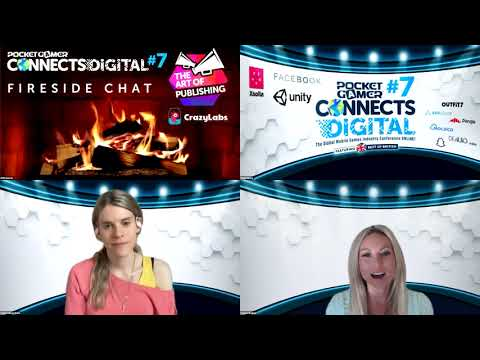
Fireside Chat: Ignite Your Brand With High-impact Collaborations.
Key insights
6 takeaways- 01High-impact collaborations serve as a primary strategy for mobile game developers to boost brand awareness, accelerate user acquisition, and maintain long-term player engagement in a saturated market.
- 02Collaborations must be additive to the gaming ecosystem, reinforcing the game’s core identity and quality while simultaneously driving sustainable business growth.
- 03Success depends on balancing commercial objectives with the integrity of the player experience by using consumer insights to ensure authentic brand alignment.
- 04Prioritizing partnerships as part of the player journey rather than intrusive promotional content is essential to mitigating the risk of community backlash.
- 05Developers should design game systems with the flexibility to accommodate external brands during the initial development phase to ensure seamless, organic integration.
- 06Effective partnerships move beyond traditional top-of-funnel celebrity advertising by utilizing deep, in-game integrations that align external intellectual property with specific player interests and seasonal events.
Ask AI about this video
Transcript
so next up bang on time i think um we have a fireside chat hosted by the one and only sophia drake from still media hello sophia hi i believe i should be coming on imminently give it a second there we go nice busy day so far yeah well obviously yeah i did the morning which you were on uh so yes enough time to get myself prepared for the afternoon where i'm i've got this and then the closing panel so yeah it's exciting okay well i'll let i see that your guest vanessa is here but i'll let you do the introductions sure um good luck thank you very much see you in a bit thank you um yeah so welcome everyone i don't have to do my uh normal gump i suppose because that's been lovingly done by stuart there but yeah thank you so much for being with us
make use of the chat in the q a because uh i've obviously got a range of questions for this fireside chat but throw your questions in vanessa and we will come to them at the end but yeah welcome vanessa um yeah why don't you introduce yourself and then i'll i'll let everyone know what we're going to be talking about wonderful thanks for having me uh i'm vanessa rouhani i am the svp of publishing and product marketing at james city fantastic yeah and today we're going to be talking all about igniting uh your brand with high impact collaborations something you guys know uh very very well hence the nature of the fireside chat um but yeah i mean you know to sort of dive straight in high impact collaborations i mean obviously just by the nature of the term high impact collaborations are obviously a big deal and and they're really important but i i suppose whilst that sounds fairly obvious i mean just just how important are they when you're looking to boost your brand you know you may even have a successful brand that
you want to take further or you may have a growing brand that you want to sort of take to that next stage and how next stage and how important can a collaboration be and you know do you have any success stories you'd like to share from jam city absolutely yeah so you know brand partnerships and collaborations they're really nothing new in the marketing world um but we've really seen an increased trend in mobile gaming specifically and really throughout the last couple of years i think you know the mobile gaming space as we all know is is quite crowded um and noisy uh and so uh games are really doing more and more to try and find a way to break through some of that and so i think they've been leveraging brands and celebrities um to really help boost their awareness get in front of new audiences and also find ways to engage their existing players and so we at jam city we've been doing actually um these collaborations for quite some time uh we've been running them across a variety of our games um one of the more successful collaborations we did was uh with wheel of fortune last year
and we did kind of a true 360 campaign with them where we actually took over the set of the tv show for a week long uh we also had um at the same time running a branded in-game event that gave our players a chance to win a 15 000 cash prize and then that entire collaboration was promoted across tv we had it running in our digital ads it was featured in the app store and google play um and we also had sort of support from our own channels as well as the wheel of fortune channel so this was a really really great way for us to not only boost our own awareness um for the cookie jam brand um but also really engage um our existing player base they really um loved the wheel of fortune brand they've been you know viewers of the tv show for quite some time and so they really enjoyed getting to play with the interactive event in the game yeah and one thing before i move on to the next question that i think is just kind of important for everyone in the audience to sort of you know like i suppose keeping their
mind is like you guys at jam city have been going now for well over a decade so this is something that you've grown as you've been going you know you didn't go from zero to wheel of fortune you know so this is kind of like you know the takeaways is that this is something that um you know lots of people working in the industry can look to to aspire towards is like getting those those collaborations and really growing just like you at jam city have and obviously part of that is working with publishers they may have inroads and and those sorts of things like that but like i say a lot of people might be thinking wow okay wheel of fortune that's a massive brand that's on television and that is certainly like a high high-end collaboration but how would you define the difference between low and high-end collaboration i mean what would you know is wheel of fortune like that sort of like 80 year high collaboration you know where's where's the difference for you
when you're looking towards a high impact collaboration yeah so you know for us uh i think we really try and do the work up front um to make sure we really understand first and foremost what's our goal right um are we really you know focused on top of the funnel or do we really want to focus on engaging our existing players um and i think that that that work up front is so so critical um so once you've sort of aligned on your goal you know if it is top of funnel i think a great example um is really sort of using brands and celebrities in your ua creative and we've definitely seen a rise of that especially during the last year with kovid i think coinmaster's probably done it more than anyone else where they've really leaned into celebrities and featured them in their ads um and that's clearly been an effective way for them to scale they've worked with everybody from jlo to cardi b to the kardashians a bunch of reality tv stars um and so i think you know that is something that was an interesting uh opportunity for them to bring new
users into um the game definitely was not integrated as part of the actual game itself um and so kind of conversely if you're looking at really focusing on driving engagement and monetization then i think doing some something in game that's really meaningful is something that you can really leverage so coming off of wheel of fortune you know we really wanted to kind of see if we could repeat that same success and we recently partnered with family feud and did another sort of in-game um mini game and sweepstakes um that also really had a meaningful impact on our revenue and engagement over that period and so i think you know it really comes down to understanding your audience um what the you know what types of brands resonate with them and what they would like to see in the game um and then making sure you really understand what what it is what it is that you're hoping to achieve in your execution yeah exactly i mean you know you say it quite rightly and i know we're gonna talk about that later
on but is that that notion of you can't just hammer things in and you've got to treat the audience with sort of the respect and listen to kind of what what things it is they're enjoying whereas like the brand might bring them in you've got to make people want to stay basically um so yeah it's not like a one-trick pony but you know and and like the other thing we're gonna obviously dive into because we're getting some questions in already which is absolutely fantastic and we're gonna i'll go come to those at the end especially because we might touch on some of them with some of the things that you know i want to touch upon um but before we talk about the development process i suppose and how that impacts one considering brand collaborations um let's start with a simple thing what's the best way to reach out to brands to secure collaboration from from your point of view as you know a publisher who's doing it on a regular basis and has loads of these high quality high impact collaborations you know what do you think's the best way to get these conversations going
so you know depending on the brand um there's going to be various teams that you can reach out to i always say start with the marketing um you know team if you can get in touch with somebody there because you never know they might have you know a big initiative and that you know you can align around um a great example of that was uh last year we actually did an integration with the care bears um they had a big annual event called share your care day um that was uh coming up and so we we actually unveiled a brand new um care bear called unity bear uh in our game and it was tied to sharia care day and so that was again sort of a collaboration that we were able to really align on something that was meaningful um to them and see if we had a way to elevate that um through our game and so i think you know start with marketing um i think every uh brand is different every company is different they may you know point you to their ad sales team or to their licensing team um but usually getting getting connected with the marketing team is kind of a great first step yeah and i suppose that taps in as well
just simply into that notion of networking and being a part of the industry and making use of shows and yeah the people you you know you talk to on a regular basis i suppose um you know one of the things that i i mean and we're going to talk about it now which i suppose i can flow it into the next question i had which is you know when you consider high impact collaborations do you think collaboration should be you know consulted as a part of the development process you know and if so how early and how many does this help with the engagement yeah you know i think again it depends on your goal but we've really seen the best success come from uh collaborations that were really thoughtfully integrated into our games um i think you know as we're looking at new games that we're developing we're already thinking about if we were to do collaborations how would we integrate them because you really want to be able to design your systems in a way that will allow you to very easily kind of work in different integrations into
different events that you have um even your branding you know really being able to design your logo in a way that could support a brand collaboration um in a nice way i think you know disney emoji blitz from our catalog i think that game um obviously was designed in a way that made it very easy for us to integrate all of the wonderful ip from the disney and pixar universe on a regular basis which is which is amazing so i think thinking about it early on especially you know if it makes sense for your game and there's something that your game will can easily sort of weave in um to the narrative i think makes sense yeah definitely i mean like you say that there are certain styles of game uh that you could blend them to a variety of different collaborations fairly easily and then there's others where you know you might have to be a little bit smarter about that so i mean the next thing i kind of wanted to touch upon is you know alternatively is it more important to make a game
for the audience and then think about the collaborations uh when it comes to the marketing rather than what we were talking about with like having it as a core idea right from the start i suppose it depends on your your development style but do you jam city have a preference to think about the potential to fit a collaboration right from the start or to make the game for the audience and then think oh wait now there's this opportunity how can we fit it in yeah yeah so definitely uh first priority for us is making sure that we're designing games that resonate with with the audience and and more importantly the audience motivations and so that that's really kind of the you know the number one thing that we focus on but then as a part of that we know that every audience um in addition to having you know their own motivations they also have um things that they uh like so different interests and hobbies and so that's where we can really sort of pull in those collaborations so we're thinking about them from from the start um
but obviously we want to make sure first and foremost that the you know that the audience um really really uh enjoys the game and that it's designed for them yeah and i think one of the things that's really interesting when we instantly talk about uh high value collaborations i don't know about yourself or everyone who's in the the audience but what jumps to my mind is always like the power of of brands so whether that be uh you know marvel or disney as you mentioned or wheel of fortune and what we think about that is with with television but i mean how wide is the opportunity for for brand collaborations i mean you know for example we have things like kpop in music we have um you know there might be other games that you collaborate with you know keep it within the gaming sector you know there might be a big huge console ip that then you're collaborating with for a you know a mobile tie-in i mean
you know what high-value collaborations are doing well in the market which are the ones that you're looking at and thinking okay there's great opportunities here and these are really resonating with the audience and they're enjoying these collaborations i mean yeah they're any that are jumping out to you at the moment yeah i think um in in the last couple of years we've seen uh music i think um in a very big way obviously um fortnite doing sort of the in-game uh concerts during uh during covet i think that was kind of the first time that we had really sort of seen that level of music sort of integrated into a virtual world and so i think um you know even when you don't have sort of a virtual world i think that we're seeing a lot more of these collaborations with um artists and i think it just naturally makes sense we've been seeing it in the console space for for a long time right obviously um you know fifa and madden they have soundtracks that go along with with the releases and so i think those are the ones that are particularly interesting
um there's been a lot of k-pop integrations uh that have been pretty cool blackpink was in pubg we saw uno uh did an integration with bts last year so i think you're seeing more and more of that and that's the type of stuff that i think is very interesting um you know getting outside of just entertainment um as it relates to tv and movie and really looking at music as a great sort of um vehicle to bring new audiences into uh into your game yeah and something that's just come uh to my mind as we've been talking especially because we at steel media pocket gamer have done beyond games talking about the meta versus in many ways the collaborations are the beginning of that metaverse and and bringing things together i think sometimes a lot of people can think of i don't yeah i don't know what your opinion is which is what i'm going to ask but i think a lot of people can sometimes think of collaborations as just simply nothing more than marketing like that's all it is it's like an awareness of marketing but if we take an example like fortnight i mean not to
take away anything from the mechanics within the game and the enjoyability of the gameplay or the presentation but a lot of the the community building has been pre-faced on collaborations and obviously you mentioned like music concerts in there but i'm also just thinking of the idea of even when i turned on my xbox at lunchtime it's advertising that you can have rick and morty inside fortnight you know and that's a collaboration and i would i mean i don't know about you i would put that as a high impact collaboration so i mean i suppose what my question really for you is is do you think there's um a slight misunderstanding that collaborations are exclusively marketing whereas they you know that they can actually offer far more to the to the experience than just hey look we've got something in the game come play yeah yeah so i think um that's really where you're going to see the success is when you're bringing actual value to the players um i think you know the our our audiences are smart
and i think they know a brand slap when they see it and so you really need to think about how you're integrating the brand um doing the sort of research up front so you know before we do any collaboration we work really closely with our consumer insights team to get feedback from our players um what do they like about the you know the event first of all do they like the brand right does it um does it make sense for the game and then do they like how we've integrated it but we're really thinking about what the value is that we're bringing to the player because that's where it's key you know um and that's where i think you'll really see players respond well to it um as if there's there's actual value that comes to to them yeah and and on that point you know like you say obviously there's there's a massive amount that you can do and that like just to use you as an example because that's who you know we're talking with you at jam city is you know like you say providing you do it responsibly and you consider how you treat the brand uh you know with respect
and you treat the players with respect and make sure that you're not you know doing what they love and you know a disservice and all that you can do all of that but how do would you at jam city or how do you think um anyone else looking to high impact collaborations should deal with negativity that comes necessarily you know maybe from the collaboration maybe what the people you're collaborating with have done that you've got no no power over or anything like that i mean there might be negatives that arise and how would you best approach those situations yeah so i think again a lot of it comes to the planning up front so we really want to make sure that um hey the brands that we're partnering with are you know our brands that we feel align with our goals and our values and i think that's very very important um and you know secondly again making sure that the players like the the ip and they want to see it in the game um that you know upfront work will really help you sort of mitigate some of that backlash um but i think you know inevitably
there's always going to be things that come up and so um i think it's really good for you to think about um how you weave uh the the brand in right and how it fits into your narrative how it's first introduced to the players and then really sort of create an faq make sure that your customer service and your community teams are ready to respond if issues do arise um that way you're sort of you know prepared right um for for all kind of scenarios but usually we've seen um a really overwhelming positive response again through all of that upfront uh work that we've done to make sure that it aligns well yeah and one one last question i'm going to sneak in before we move to the because we're getting an increasing number of questions into the q a so i want to make sure that we we dive into them but one of the things that i was thinking about is during the process of maybe it's as part of the marketing maybe it's part of the development process whatever nature it is when you're considering collaborations at jam
city do you sort of have a team that are working on this do you have like collaborations like a list that you identify to think okay this type of game we're making these would work really well we want to reach out to them or is it more opportunity based is it more something that you know these things have just come about maybe not by chance but you know through collaborations through smart business or anything like that or is it is there more manual like outreach to to foster and cultivate these relationships first yes i i think it depends on the game but usually for for all of our games we're we're constantly thinking about again through a lot of that consumer research um you know what things are players like what brands our players like and then we use that to sort of create a list of what what types of brands make sense for us because some just regardless of whether our players like them they just don't make sense to to wind up in our games and so um that's kind of that's that's the first step and we really come up with that list and
then we've got a team that actually will do um the outreach to the different brands to start that conversation um and then it really becomes a a cross-team collaboration to actually get that campaign live so it's um we've got you know our our development teams obviously working on integrating into the game we have our creative teams coming up with really amazing beautiful ways um in which we can actually uh combine the two brands and really make it a cohesive sort of messaging and then we've got sort of our marketing teams that are all looking at all of the various different channels that we can activate to really get the word out about that collaboration yeah and i i really i really like everything that you know that that we've touched upon here because and i'm not just saying it i think in the market today we're at like a crossroads and games where there's you know a juxtaposition let's say or a battle between a focus on gameplay and a focus on monetization and how we you know make money from the industry
and and i do think if as we've discussed done with care and respect collaboration is a great way to to marry the two it's to you know look at the gameplay look at the what what you offer to the player and in many cases the players want these collaborations as long as they're they're treated properly and treated with respect rather than as you say just a quick slap dash here's a new paint job and and i think if that's done properly it's amazing before i move on to the question and answer though i'd like to just um you know quickly sort of say is there any advice aside from you know doing your research networking is there you know and the things we've touched upon is there any extra advice you'd like to offer to anyone who's in attendance who is thinking you know maybe i'm in a position to start collaborating whether that's high or medium you know or whatever they want to start collaborating with with brands is what would what would be your your key takeaway even if we've touched upon it already yes i think um the biggest one would really be um as you're kind of thinking about the um
integration really think about the user journey uh it's super important if you're going to be using um you know using something in your in your advertising um or you're using it in your storefront you really want to make sure that when somebody opens your game that they actually get what they're what they're kind of being marketed and i think you know when you when you see sort of that disjointed um it can it can really hurt the impact of the collaboration so i think really really focus on the user journey i always try to you know we put ourselves in their um shoes and think if i came in from this ad didn't know this brand at all didn't know this game at all what would the experience be for me and wouldn't make sense and i think that's that's kind of the very very for important stuff that most people need to follow yeah i think that's really i yeah i think that's perfect advice because we all know the adverts that we see and you think oh that looks really fun or it could be a brand and you think wow i really love that brand and then you got dive in and it either doesn't represent the advert you
know or the the game play that you saw or on the flip you think i really love that brand but you know in in many respects i suppose treating the brand badly doesn't just make people leave it actually gives you as a company a bad reputation because you kind of hurt something that the person loves yeah yeah exactly and you know if a player is coming in because of the the ip and not necessarily your game and you don't deliver on that um it's not a great experience so it's it's really important and i think as developers and as marketers sometimes we assume that you know people are going to to understand it but when you really put yourself in their shoes and um and kind of come in through that that sort of user journey you really kind of can understand um where there might be a disconnect and solve for that yeah and like it's collaborate you know the whole term is you know like we've been discussing it's a it's a collaboration so that works the other way as well even if they only come in because of the ip if you've made a really great game around that they may think
hey i want to check out all your other games if you know and let's let's have a look so yeah definitely but i can see we've got a couple of minutes so i want to dive into the questions if that's okay um so let's have a look so molly hi molly uh one of my uh big indie pitch developers uh really talented developers so yeah molly has said how do you guys typically make contact with other brands do you develop relationships over time or do you cold call them um or do they come to you i mean i'm supposed to talk specifically about jam city i mean you've got a reputation now so i suppose i'd add to that and say is that's the nature of that something that's evolved maybe you started off with reach out and now they come to you yeah i think it's you know it really sort of evolves over time definitely it's a little bit of both right we have a lot of amazing relationships um particularly throughout the entertainment industry um and that has been something that's really been effective for us to get connected with you know the right folks and and to really start thinking about how we can work together
um but they'll always sort of be instances too where we've got people that will will reach out to us that they're interested in collaborating with us on a particular event so we kind of tackle it all three ways and would you say on that front that let's say you do do do a cold outreach or maybe you meet someone at a show and you decide to follow up after how i mean what is there a too pushy is there like a sort of like you know i'm how how do you approach that from a sort of trying to grab their initial attention yeah you know i think um you know most companies i think are are interested and in this because i think there's you know especially if it's um you know an entertainment brand that maybe is trying to get more digital presents um i think that they're they're often um interested in working with games because it really sort of captures a different audience and so um we've we've seen you know really great success through um that outreach uh in general because i think there's just so much interest with with the digital space in
general yeah and then i'm just gonna pick the questions in a random order here but one of the other questions which i think is really interesting because it sort of flips it on its head slightly if you if we take you as jam city and you know establish with collaborations know what you're doing if you had a brand that wanted to reach out to you how early in development process is good for you to have a brand involved is it something i know it largely depends on the game but in an ideal world what would be your preference at jam city would it be getting them in early getting them in later i think early definitely um because again then we can really figure out like what's the best way for us to integrate um and and we can also think about the depth of it right because we also have a ton of licensed games within our portfolio so does this become like a full um licensed and branded game or is this sort of a limited time event that we're doing um are we you know featuring them regularly in our game and i think um you know that again sort of really depends on the game but the earlier the
better it just gives us more opportunity to weave it um eloquently into into the game yeah fab perils of picking them in a random order you have to find out which one it was you picked there we go um so yeah next one is what developers um yeah what should developers keep in mind when deciding the right brands for their audience i mean are there anything that they should keep in mind you know for example based on their portfolio i suppose in many respects it's something we've touched upon in just what are they enjoying what feedback are you getting yeah you know again yeah i think it depends on your game um you know if you have a sports game i think you know think about the real sports world right and and sort of the different um things that you see uh in you know in a sports arena um so i think you know it needs to be something that probably thematically makes sense for your game um you also want to think about you know art styles too um because that can be an important
consideration uh if it doesn't sort of fit well and you can't find a way to either you know take sort of a live-action version or create sort of the own you know your own sort of version um in-game using your own art style i think these are all really good considerations but it really should feel um natural and organic in your game and not something that you know feels like it's tacked on because that's again something that i think players are going to be a little bit put off by yeah and uh we've got two more questions so let's see if we can sneak them in we might have already touched upon them but uh what would your advice be to indie developers aiming to develop their brand and collaborations to you know a higher level to sort of you know like you say to move into high impact what would your advice be to to those indie developers i think it comes down to if you have a great game i think um you know we we we've definitely obviously seen indie games take off with great success and so i think um just reach out you know because you never know whether or not
these brands are looking to do something different again if they have you know an initiative that they're passionate about or something that they're you know is a priority for them and um and it might make sense so i think get creative and definitely don't be afraid to reach out yeah i suppose in many respects it's what if you got to lose and even if they're not interested you might make a connection that pays off in years to come and yeah and the the last one is how would you advise publishers or developers uh to collaborate with brands without looking like a sellout uh where is there a line that you know where should we draw the line yeah again i think it comes down to being thoughtful about how you've integrated it um if there's if there's value to the player um they're going to enjoy whatever that is so if you're giving them a concert for instance in-game or you're giving them a sweepstakes that you know with their favorite um you know tv show uh i think they're going to to enjoy it um versus if it feels like it was you know just tacked on and purely kind of a marketing
play to get them in the door i really like that and i think that's a really good sort of message to kind of close on is the notion that you know no matter how good the collaboration is and obviously that collaboration just as you've shown can take you to the next step you should never forget about the quality of the game and respecting the player because ultimately they are just like that one step above in the importance level and if you get that right everything else can flow through absolutely yeah well done fantastic thank you vanessa i mean we got through quite a lot in that fireside chat so uh i'm impressed thank you so much for joining and sharing gay you know your wisdom and quite a you know an interesting topic that we we haven't talked about really before so thank you for coming along absolutely and i'd encourage everybody uh keep an eye on the stores um we look every week and there's constantly new collaborations right now there's one pubg and tesla so i mean it's they're happening on a weekly basis um use that as
inspiration but thank you so much for having me this was a this was a lot of fun thank you all right take care hi thank you vanessa thank you sophia that was really insight into collaborations and working with hollywood and uh we will see you later hosting thank you very much you
Summary
High-impact collaborations have become a critical strategy for navigating the saturated mobile gaming market, serving as a primary lever for boosting brand awareness, accelerating user acquisition, and sustaining long-term player engagement. By moving beyond traditional top-of-funnel celebrity advertising, developers can leverage deep, in-game integrations that align external intellectual property with specific player interests and seasonal events. This strategic shift transforms partnerships from simple marketing transactions into meaningful additions to the gaming ecosystem.
The efficacy of these collaborations depends heavily on early integration and clear objective setting. Developers who design game systems with the flexibility to accommodate external brands during the initial development phase are better positioned to create seamless, organic experiences. This proactive approach allows for a cohesive narrative and aesthetic alignment that respects the game’s core identity while providing genuine value to the user. When partnerships are prioritized as part of the player journey rather than as intrusive promotional content, they effectively mitigate the risk of community backlash.
Ultimately, the success of any brand partnership hinges on the ability to balance commercial goals with the integrity of the player experience. By utilizing robust consumer insights to ensure authentic brand alignment, publishers can foster deeper community loyalty and drive sustainable growth. Maintaining a focus on player-centric design ensures that collaborations remain additive, reinforcing the game’s quality while simultaneously achieving broader business objectives in an increasingly competitive global landscape.













Comments