VideoPocketGamer.biz
Fireside Chat: Content Creator Programs - The Hidden Secret for Mobile Growth & Monetization.
12 Feb 202419 min video
Transcript
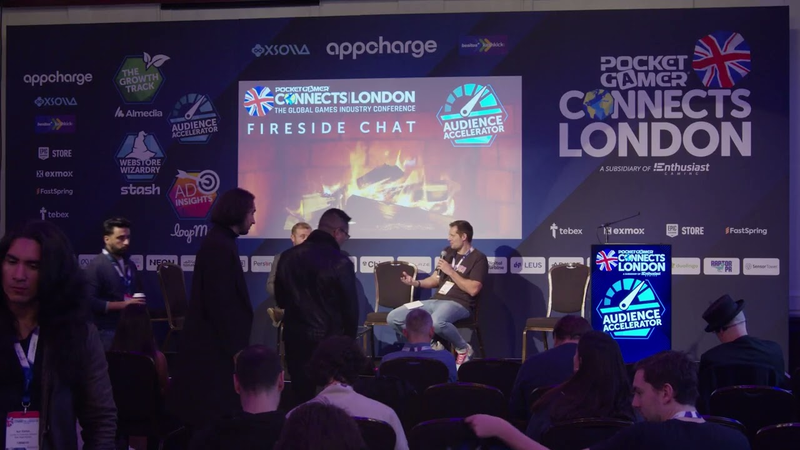
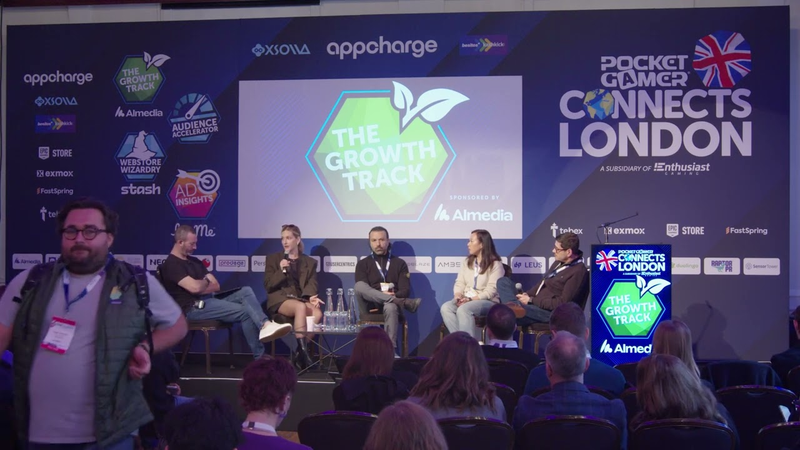
[Music] [Music] [Music] up next is a session brought to you by our uh track sponsors nexus. G um and that is going to be the content creator programs the hidden secret for uh mobile growth and monetization so may I bring up uh Justin Dan and Steven to the stage again Dan I'm a c at gam site we're
Seattle based company that runs Creator programs for companies like epic games Pokemon Etc uh we also run uh a bunch of different types of influencer campaigns uh for companies and also run uh an attribution software Service uh that's me hand over to Justin here hello I'm uh Justin Sachs CEO at Nexus uh we build and manage holistic creative programs for game Publishers focused on live service games um the core product that we offer is an incentive for influencers so streamers YouTubers people with the community to drive Their audience to make purchases inside of the game hi I'm Steven Hutchins a publishing director at Titan Forge games um we publish and develop various multiplayer competitive games um primarily in the PC and console space our Flagship title is Smite and we've just announced Smite 2 last week SM too come on to you all right so let's dig in here so uh So Justin's company obviously they they
have a lot of software and tools to help Creator programs uh my company does similar things in that we have services for Creator programs but Steph is the one who actually knows how to run one so we're going to start with Stephen here so what was it that Drew your company to actually embark on creating a Creator program what were the challenges you're hoping to solve there yeah there were a few different challenges we were trying to solve um first of all we knew we had a bunch of creators in the community who are making content and we wanted to find ways to reward them for what they were doing um a lot of of them are like ongoing putting out YouTube videos or streaming on ongoing basis and doing ongoing updates that help us promote what's going on in the game um but we also wanted to make sure we're rewarding the smaller people who are doing stuff on an ad hoc basis so people who are making cosplays or people who are finding other in interesting ways to promote different bits of the community um so yeah by providing them a way to um not only earn a living through the program but also to have a direct communication link with the company itself
um we could give them direct one-to-one communication with developers give them exclusive updates on features it allowed them to get ahead of it and make better quality content on an ongoing basis and yeah we're really trying to sort of find ways to further reward them and encourage them to keep sticking with us because they're such an important part of our community makes sense and so Justin from from your perspective working with a bunch of companies like Stevens what are you hearing from your customers around you know the impact of these kinds of programs on things like growth metrics and and you know the things that actually you can see in a bi tool like how does a program like Steven's running actually translate into something meaningful for a publisher yeah it's a good question so influencer marketing has been like a buzzy hypy thing for half a decade or a little bit longer um but it's been really hard to measure um and and really it hasn't penetrated very much into Mobile until pretty recently um and so when we first started building and managing creative programs the initial goal and assumption was that this would
create some sort of like squishy soft additional marketing value this would get by incentivizing streamers to make more content they're going to make more content and they're going to stick around longer and that is true but now that we've been with a bunch of our publisher partners and now that we've seen all the data and the case studies and the testimonials we've seen the impact on actual growth metrics and so where a Creator program is actually most effective is things like uh converting free players into paying players reactivating churned players moving players along the monetization curve I'm happy to give more specific stats and data but um we've been really impressed that like from a relative perspective a Creator program is often the single best system you can put in a game for growth metrics the tough part is it doesn't touch all of your players it's only as deep as like the actual community of content creators that the game might have yeah makes sense so it's interesting so you our company gam site we first built a a PC and console games attribution platform to help you measure marketing spend and we ended up getting
into the the influencer Creator side of the world because we saw that the companies we work with that were tracking their influencer campaigns and looking at that from an Roi perspective were doing incredibly well but wanted more help figuring out which influencers which creators to work with and so we've we feel like uh like you said you know it's been 5 years of Buzzy influencer you know everyone knows that this works now and we've seen that in concrete details now the next stages like how do we measure these more you know morphis Creator programs that aren't you know these kind of paid campaign with X dollar put against it it's it's this longer big kind of yearlong investment years long investment and and I don't know if anyone's really cracked yet how to put you know exact Roi on that but that's probably where where it's headed now because I think there's a lot of momentum on these programs are you seeing Stephen when you when you think about it from you know your organization standpoint uh I guess first off where does Creator fit into your org because this is kind of a big question mark I run into with our customers they're like well I don't know is that coming out of the community budget is it a UA program where does that that sit and are you
able to kind of uh show that that Revenue Works across the company and not you know shouldn't be pigeon hole Yeah so it's creat programs are one of many different channels for us um obviously we're doing stuff on the UA side we've got influencer marketing as a whole we've got a big Esports League that we run on ongoing basis as well um and creators is just one of many touch points that help us engage with lots of different segments throughout the year um they are though one of our most engaged one of our most active group of players um that are following these creators on an ongoing basis it's not just the same audience that's watching all of these different channels all the time um so we we look at creative programs as a way to try and engage that specific audience and in often cases um specific languages as well that we can't reach through our other channels um yeah in terms of sort of where does that sit in the organization um it kind of has bounced around over the years sometimes it's sat within a specific Department currently it sits within our community Department um but over time it's really
become something we try to have as much of a um a wide number of people engage with throughout the organization um so as I mentioned a minute ago we have our developers directly onetoone communicating with some of these creators on ongoing basis getting feedback on the games and the um the different updates we're creating for them rather than just having it be one Department's sole responsibility it's something we want everyone to be able to engage with so they can get the full value out of these great creators one thing to add um with you guys but with a lot of our partners when a Creator program becomes embedded into the game and it touches Revenue so the core feature that we have is a player can type in their favorite Creator's name and then when they go and buy something a portion of that sale goes to that content creator um that's so close to monetization so close to revenue that often we end up working across multiple teams and so we work really closely with like your BISD team your executive producer and a bunch of different folks and so it is kind of still a TBD up in the air of where
this like Creator marketing should probably sit somewhere in marketing but a Creator program maybe that's closer to monetization like it still is a thing that people are figuring out right and related to that as someone who's selling these kinds of programs in you know do you have any kind of tips and tricks you've probably seen this 20 times where an organization is trying to they want somebody wants to work with you but they're having trouble internally getting it sold what what ends up working is it is it have to be kind of a a by committee kind of thing that goes through or or what ends up working yeah well it's still tough um and and it's tough because like we touch a bunch of different pieces there's also a technical integration piece to it um two of the things that have been really helpful to us is that we're performance only um so you only pay out a Creator if they've actually driven a sale inside of the game so it's like you know immediate Raz if you can think of it like Raz um and the second part is like we now have enough great Partnerships and case studies and testimonials that we can be um a little bit more highly predictive of where we're going to work
particularly successfully and so for some some certain siiz Publishers we can go to them and be like hey here's a minimum guarantee we're sure we're going to work to this point so we can really start there um the other thing too is uh talking about the metric side of it because usually when influencers sit under Community or even under marketing again it's more of a squishy thing and so it's hard for them to get budget for it but when we can show the metrics of how this actually touches uh reactivated players or how it can move players along monation that's really helpful in the conversations yeah like one of the things we've noticed in our our work with Capcom uh is that about 70% of the creators in that program actually end up streaming multiple Capcom games and so it's not just one G you know it's not just one game team or one executive producer that's kind of benting from this it's the whole publishing or um so we're talking about the the revenue side the upside let's talk about the the harder part what what is kind of the cost and the personnel and the budgets that that you know a
program of your size requires every year yes so we have um depending on the game somewhere between 200 and 1,000 peoplein the program um like I say they're various different scale channels people from one person following them small following all the way through to several thousand people in the language that we don't have in house being supported um internally what that requires on our side used to be a really big spreadsheet that we just have to work through on a manual basis and try and keep track of different uh like Channel sizes what kind of campaigns they've been running what kind of codes we've sent to them on an ongoing basis um over time we've seen the market improve in terms of what tools we available for us there and we've been able to scale up what can be done um and that's also freed up certain Personnel who may not have had the technical skills in the past to work on some of these programs in a more creative way um so it's it's really getting those people who are passionate about the program to want to be on it on an ongoing basis uh and we really do feel we have that at the moment um I think their main limitation now is time
more than anything they want to spend more and more time on these programs on an ongoing basis um but obviously they're competing with other pieces within the business to try and make sure those programs are working as well yeah and it's obviously it's it's not a kind of fire and forget type situation right I mean this takes a level of commitment like you're hiring people for this specifically I would imagine yeah so our community managers currently are the the primary owners of the system um and yeah that they're out there engaging with them in the dialogue side of things um on an ongoing basis trying to understand what kind of programs are interesting for them to be working on content wise um but also working with like the monetization team the game team to see what's happening on the game side and give those creators feedback on what is working from our perspective as well um it also then helps them with the marketing team figure out what kind of assets they might need um and yeah just try and give as much information as a dialogue on ongoing basis rather than just uh something that they keep within one tool so Justin uh you know one thing
that that i' I've heard is you know we get a lot of different companies oh that sounds interesting I'd like to do a creative program sure where do I sign up right but there's a lot of things that have to go into that and and some of them I think is is just like is your game a fit right so what what is kind of the common thread in the successful programs that you're working with in terms of like the content itself maybe that you know is it free topl versus paid is it you know what genres work etc like I imagine you know Creator programs don't work for they don't make sense for everybody so what is what is the the right formula yeah uh it's really good point like this a Creator program could and should be the most relatively impactful system that you put into a game if it's the right game um and so some of the games that like I can essentially guarantee success for is a live service title so it has some sort of inap purchases content added you know monthly or weekly or whatever it might be um it it it has is Legacy so it's been around for a period of time not an unreleased or to launched a game um has a meaningful player base
and most importantly has already an organic Creator base so there's already even just a few a half a dozen creators that one of their main games that they're making videos for or streams for is your title if all of those things are true I know that a Creator program will be immediately effective specifically the way that I think about it which is like an incentivized program for influencers and streamers to actually drive sales within the game um where it gets a little bit more iffy is if any of those things if you take any of those pieces away and then when you think about the content of the title um usually this is basically like is your game more of a fit for influencers and the games that are better fit for influencers are ones with more of a depth of strategy that are multiplayer that have a lot of replayability and those are the games that content creators want to play and want to make content about um if your game is not those things if it's like a a 30 minute like RPG single player experience it's probably not going to be make sense to have an evergreen influencer program all right and then last one we'll open up for questions what Stephen have you found it
successful like okay you set this all up you got the tools in place how do you go get these guys I mean yeah there's the people that already are playing your game and that's that's low hanging fruit but you want to get 200 or a thousand people supporting your program what are the recruitment techniques and tools that use to to get more folks on board so unsurprisingly our biggest awareness pushes for new creators tend to come around when we're doing something big in the game that's catching um players as a whole attention um so if we're doing a launch if we're changing from going in in a bu to-play State into a free-to-play state those are those moments where we see big influxes of players coming in as a whole and big new Creator eyeballs like paying attention to our game um but there are other ways that we can go be more proactive and look for those people over time as well we've used a variety of variety of tools to look through channels that are maybe still small and starting to stream content are they making stuff that's relevant do they look like they have an Engaged audience that's growing over time and then try and find ways that we can interact with them and say hey we'd
like to reward you for what you've been doing so far you're really doing some cool content that really helps us on our side so we want to help you now as well with additional access to information or even Financial uh rewards through your own store um so we want to find ways that we can find more of these creators through the various different data sources that are out there make sense anything to add on that Justin or should we open up for questions let's ask some questions got a couple minutes what do we got come on there we go all right um yeah so my question is you mentioned that um depth of strategy is an important criteria for Success any particular sub genres or subers that you work in and do you work across mobile or console and sorry if you had mentioned that before yeah so so we're multiplatform fully platform agnostic so we have PC console titles mobile VR um web
um interestingly enough in in Mobile the games that I've seen be the most effective are actually ones that it it's less about the genre and more about the monetization so if there's really deep monetization they tend to perform really well and the the earned insight there is that the creators for those sort of games their content actually becomes around monetization it's how do I most efficiently uh buy the battle pass in order to get all of the content in the fastest way um but some specific drers that we've seen do particularly well are things like um strategy action again multiplayer is usually like the bread and butter if it's single player it's less there's less of an appeal for creators to be making content so multiplayer but then um strategy action uh we've seen Sports titles do really well things like that we're going to start testing soon with some of the more canonical mobile examples so things like puzzle and social gaming I I can't give a definitive answer there yet we got time for one more there's one
more anyone yes first go ahead so what about games that uh don't have an app purchase uh purchases they're pretty much ad supported uh on mobile what could a kind of career program be for those types so I'll talk about this a little bit so we we have uh two core products one is that Revenue piece which is like focused on monetization the second is something that we call referrals and bounties referrals is what it sounds like is a a core referral program which can be influencers referring Their audience and then or it could be other players referring in their friends and their community and then you can reward them with uh either in-game items so that can be currency or skins or a title or whatever or out of game rewards um one of the the questions that was asked is uh you know what are the challenges of building your own Creator program this sort of incentive focused Creator program one of the biggest challenges actually on the financial side is is actually how do you do payouts and taxes
when you have hundreds or thousands of creators in a program that you want to be supporting and so like that's probably like the core problem that we solve for is like okay well if you want to do that that's a big that's a thing that we built our platform to help with um but yeah if the game is not yet focused on monetization or isn't as focused on monetization those referrals and bounties can be a good way to keep the the influencers excited and still find the value from them cool all right we are out of time for those of you folks who raiseed your hand and then come find us we'll uh we'll talk to you after uh thank you [Applause] everyone
Auto-generated captions from YouTube — names and numbers may be misheard.
Key insights
Distilling the key insights…
Ask AI about this video
Cite this video
Citation
Generating citation…
















Comments