1 free read left. Create a free account for unlimited reading + AI research.
Create free account
Faith, Family, & The Dark Side of Game Dev | EP 006
Key insights
6 takeaways- 01Creating emotionally resonant games, such as 'That Dragon, Cancer,' demonstrates that authentic narratives regarding suffering and doubt build deeper player connections than traditional, didactic storytelling.
- 02Prioritizing faith and personal presence over the pursuit of industry milestones fosters a resilient mindset that views professional setbacks as growth opportunities rather than catastrophic failures.
- 03Studios like Pixel Pug maintain long-term stability by adopting a 'hands-open' business approach, prioritizing the integrity of the work over immediate financial outcomes during periods of instability.
- 04Developers must decouple personal identity from professional achievement to avoid burnout and the erosion of family relationships caused by equating self-worth with industry prestige.
- 05Industry sustainability is best supported by community-oriented networks that encourage developers to hold professional ambitions loosely and engage in open dialogue.
- 06Providing accessible resources, such as free game development kits, reduces the pressure of immediate commercial success and allows both hobbyists and professionals to pursue sustainable creative work.
Ask AI about this video
Transcript
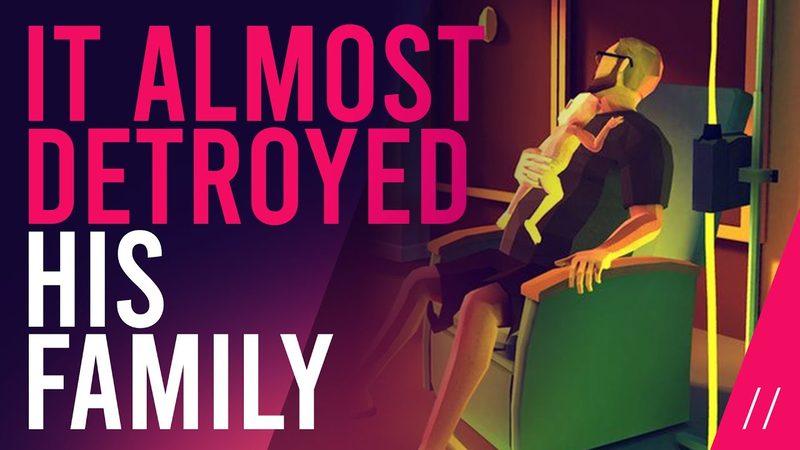
Okay, we are check one two. We are live. Hey guys, my name is Thomas Brush and I make indie games for a living and so does Brock Henderson. Brock, do you want to introduce yourself? Tell us a little bit about your story and what you do? Sure, I'm Brock Henderson. Um I'm an Iowa-based indie game developer. For the past 12 years, I've been supporting my uh family full-time on indie game development and I have six kids. Wow. Um so you've been finding income all this time to support six kids. Um and and and your wife and pay the bills, pay the mortgage, which is pretty incredible. I I'm right now I'm playing That Dragon Cancer. Can you let us sort of know how you're connected to this game? Sure. Um so I helped make That Dragon Cancer. Um it's about the story of my friends Ryan
and Amy Green and their family. Um they lost one of their sons Joel to uh to cancer and we made a game about it. Yeah, it's a it's honestly one of the most crucial moments of the indie game industry for me at least, this game, because it it showed how personal indie games can be. And that's really what we're going to talk about in this in this podcast, guys. Um you know, full disclosure, me and Brock were were self-proclaimed Christians. Um so we'll talk about some Christian things in this podcast. We don't usually do that on my channel, but it's a huge part of my life, it's a huge part of Brock's life. And more importantly, we're just going to talk uh or con- connected to that, we're going to be talking about the emotional impact, uh spiritual impact, the the worldwide impact of indie games, and also, not only the worldwide impact, but
the small tiny local impact it has on your family. Brock mentioned earlier that we're going to he's okay with talking about this. We're going to talk about how it basically almost destroyed your family. Um which I'm getting chills now thinking about because I can definitely relate to the emotional pressure that making indie games full-time puts on your family. So, we're going to talk about all of the nitty-gritty. It's going to be pretty open conversation, this one. So, yeah, I'm going to run an intro, and I'll see you on the other side, Brock. By the way, guys, feel free to download my free 2D game kit below. It's totally free. It's my treat to you. I used this exact 2D game kit to make a game for PewDiePie in 14 days, and then I got to
play it in front of his subscribers, which was really awesome. Um so, download that, use it however you want. It's my treat to you. Yeah. Okay. Um in the 12 years I've been doing this, I've worked on a variety of things. Um I've worked uh I started in in web um doing some flash flash games and stuff. Uh kind of had a um kind of long and winding path in the game development. Um I spent a um quite a few years trying to get into games uh doing that through 3D modeling. And I got I ended up getting a degree in visual communications, and I focused on the 3D side. Uh and after school, I uh went to Seattle and did some more professional training, and then spent um couple just, uh, trying to get my foot in the door and things just kept, uh, closing. Um, I would get an internship
with a studio and the studio would shut down so the game never came out. Stuff like that. So, eventually I started a design studio, um, with a college buddy and I thought that, you know, if I couldn't make games, uh, maybe I could make some really cool interactive websites and stuff and Flash was really cool back then. Um, so eventually I started, uh, taught myself how to program and we we, uh, started doing like Flash websites and and some Flash games and different things. And then the iPhone came out and by that time we had built our studio up enough where we could start, uh, taking some risks and start creating our own, um, IPs and stuff. So, we started a, uh, mobile game studio called Elevate Entertainment and we put out about 10, 12 games on our own and did some client work, uh, as well. Uh, a lot of the games, uh, that we did were
we were we were learning how to make games and, um, some of the games in the early days were pretty bad but, um, but some of them, uh, were successful. Uh, we had one game called Float which is all about, uh, keeping a balloon up in the air through various challenges and stuff and that had, um, almost 3 million downloads and we got on new and noteworthy a few times. Um, so that was, uh, uh, probably five years, uh, with Elevate and, um, the income there kind of slowly increased. We we still did some client stuff but, uh, our games for a number of years were able to sustain us, um, and then there came a time, uh where uh I transitioned. It was I don't know how to explain it, but um it felt like it was time for me uh to move on. So, I gave the design studio to
my friend, and he's still doing that. Um and I took the mobile game studio. At that by that point, none of the games were really making any money. you weren't able to sell the studio? No. Um I still have everything, but uh a lot of the games were made in Corona uh at the time because uh our friend made made that game engine. Oh, nice. So, but uh yeah, so after a while the long tail became pretty much nothing. Um and it was a pretty clear point in my in my life um where it felt like God was saying that you had this this time where you were kind of leading, and you got to um I got to achieve a lot of my dreams, honestly. Um Everything that I thought I wanted uh there was a I pursued um I was pretty ambitious at the time, and um ended up, you know, hurting hurting my wife, hurting friends and stuff at
the time. Meaning you were obsessive? Kind of, yeah. It was just um you know, you you want to will something into existence, and if it doesn't uh pan out, you just work harder. Um Oh, yeah. I know the feeling for sure. I think a lot of people listening know that feeling. Uh and by the way, those of you who have kids, let us know in the comments cuz I know a lot of you have kids and you're currently making games, which is just insane. It's it's so much work, but anyway. Yeah, so uh during that time, that was um that was the real low point. Um I've been married 17 years now, and year five was our our low point and uh Um it it got to a point where we weren't friends, we didn't like each other. Why was it, if you don't mind me asking, just really quick, what what was it about what were you working on that made it Was it the work that was the problem?
So I think a lot of it a lot of my journey has been around identity, right? I used to think that success and awards and different achievements and stuff would would bring me happiness and I'm very thankful that I got to experience some of those things. Yeah. Because ultimately it it didn't and and that was good to learn at an early age. I'm very thankful for that. But yeah, so it was like a roller coaster with me because my identity was all tied up in in my work. So if the work was going well, then I was happy, but if if things weren't going well, it was I got real low. So yeah, so I've been on this long path about learning about where my identity comes from, where where where to put it, right? Like like the mountain top experiences are
few and far between. Um But you're also not your So you're not your successes, you're not your failures. Um And you're not who you're not who other people think you are, either, right? Like the only place ultimately for me has been that um is to hold on to who God thinks I am. Yeah. Like that's the only rock that I can be tied to, right? I think of it as like a a boat being tossed around in waves and the waves are the emotions and circumstances of life and everything and um, depending on where you have your anchor, uh right? If it's If it If the anchor's in your boat and it's it's what you think you are or if you anchor yourself to somebody else or it's it's not going to work out in the in the end, right? Like there are days where my wife doesn't like me, right? Yeah. And hearts I'm I kind of have a brooding artist um
personality if I'm not careful. Me, too. Um yeah, so So, I remember this one night, uh like our low point, we got into bed and we were just inches away from each other and just looking at each other and um but even though we were just inches away, we were miles apart and Sorry. Um um and we asked, you know, how we how we got here because we didn't like each other. We had two kids at that time. I have six now. Um So, my oldest two are still pretty young and uh yeah, and and we we confessed our struggles and we we prayed together um that night and that was a a turning point. And like I said, for me,
um a lot of my stuff was all like identity-based. For my wife, it was um kind of more blame-based um and some stuff going on with her, but um Was your identity tied to your career? Just for clarity with my audience. Was it tied to this this career making games and running digital studios and being an entrepreneur and getting awards? Yeah. Yeah, I mean, ultimately, it's the only thing I ever wanted to do and I I that um yeah, the prestige, the recognition, being able to work on big budget stuff, known stuff, having millions of downloads, all that stuff. I thought it was going to satisfy. And that's what I chased. Um so that's kind of the early part of my game career. Um So then uh then there was a turning point where um my partner and I both sensed that it was
time for me to to move on. Um and it was kind of this like supernatural drying up of of work and some other circumstances around there. Um Like God took things away from you on purpose? What's that? Did God take things away from you on purpose? Is that what you're saying? You supernatural drying up? I think so. I think he was wanted to get my attention, right? To make it and also to kind of release me, you know? And and because um like I really cared about my partner Brendan and and the success of the studio and like I wanted it to be okay for him. Yeah. Um and it has been. And um but yeah, but I don't think I would have given myself permission to to to move on, right? Um Yeah. But um so that happened and then it felt like I was going to go move over to a place of
support for a while. And um and and this kind of uh yeah, so that Dragon Cancer was was kind of happening at that time. And so my so Ryan and Amy and Josh had been working on it for I think a year and a half or something at that point. And so we started talking. And they did a Kickstarter to raise some some additional funds to fund it uh to finish it some finishing funds. And they brought me on uh for the last year plus to help finish it. And um Yeah, that was a that was a crazy hard time but beautiful. Um Again, it was We're making a game that we didn't want to make, right? Like the When they started making the game, they thought Joel was going to be miraculously healed and the game was going to be about that.
I know. I remember that. And for for those of you who don't know about that dragon cancer is, Brock, do you want to sort of clarify? Sure, yeah. Um it's kind of like this interactive poem. Um it's it's a it's about the journey uh with the Green family going through uh their son's journ- uh soul uh their son Joel's journey with terminal brain cancer. Yeah. And um And so we were making a game that we didn't necessarily want to make, right? We didn't want to tell that story. Yeah. And uh But so much good has come out of it, right? Uh and people um in the Christian realm, right? It's uh people talk about giving their testimony. And it's this um you know, their their story with God and their faith and
uh that kind of thing, right? And That dragon cancer is their testimony and their wrestling with faith and what happens when you feel like God disappointed you and he didn't come through um the way that you thought. Yeah. And um and that, you know, that opened up a lot of doors um because people respond to that kind of honesty and that uh openness and Well, I think I think side note, I think a lot of people think Christians are like just oblivious to the fact that the world sucks. I I think I think they think that not everybody, but I think a lot of people think, "Well, Christians they just pretend that God is going to make everything right." Like our faith is like, "Well, God you know, God is going to make is going to fix my problems if I pray hard enough." And like if you read the first book of the Bible that was
written was Job. It's not Genesis, it was Job. The very first book written. Correct me if I'm wrong in the comments, but the first book was was Job. And the whole point of the story of Job is God says at the end he says, essentially he says, "I'm God, you're not. And I can do as I want because I'm the writer of this story, right?" And so the proper I I would you correct me if I'm wrong Brock, but I think the proper Christian world view that we should have is I don't know what God's doing because the world looks pretty crappy. But I'm going to trust that he's the author and I'm going to trust in his screenplay, in his story and I want to be a character in that story. And we have hope that one day it will all be made new. One day, I don't know when, but that's the hope, right? Yeah, God doesn't promise roses. He doesn't promise an easy path and actually if we
um if we're serious about pursuing him, he actually promises trouble and hardships. Yeah. But the beautiful thing is is that he said he'll be there with you. So. So, yeah, he's he's with us through it. Yeah, so we so we made Dragon that Dragon Cancer. And I've made a few more games with Numinous after that. Um actually made another cancer game. I don't know how many people can say they've worked on two cancer games. Yeah, jeez. Two cancer games. Good grief, man. That's deep. Um we've worked on some VR stuff, too. Um the uh um Area Man Lives uh just came out. Um Originally, that was a game for the Google Daydream, and it was episodic. Um and partway through the production,
they canceled us. And so kind of had to pivot on that. Thankfully, um we were able to um partner with Cyan and kind of reimagine the game a little bit and and re-release it on on the Quest recently. Yeah. Um Yeah, we've also uh worked on a game called Painted Waters. It's out in like small release, and that was been focused on um on kids with disabilities. Uh there's a SMA is a a disease that basically cripples kids. And um so we made a game specifically for them that they could play with their eyes and and a single button. Um if it's not uh treated, uh SMA basically cripples you within a couple years, and so the kids have very limited movement. Um
So So in a way, you've just been pushed into these projects that are painful to make, but serve a purpose. Yeah, I don't um They're games that wouldn't be made normally, I think. And if it if profit was the only, um, motive, they wouldn't be made, right? But they're serving the underserved, and they're, um, they're touching people in their in their time of of hurt and need, right? And that's really important. Well, I found it really interesting when people were playing that Dragon Cancer. Right now, I'm watching Markiplier play, and PewDiePie played it, and I remember it's it's cringey in a way, um, part the the the part about Jesus. Uh, it's cringey, I put that in quotes, because you're watching people who aren't necessarily interested in what what we would call the gospel, the the good news of Jesus. You A lot of
people don't want to be preached to in a game, right? But we're watching YouTubers just sitting there crying listening to this message, right? And I I I'm just I was surprised to see all these mega YouTubers playing this game and crying about this message. It's pretty remarkable, right? And I think it's, in a weird way, it's kind of a a risky marketing decision to say, "No, no, no, we're going to we're going to make this game have a lot of Christian stuff in it." And just hope for the best. Have you ever felt hesitant to do that? To put religious to to interject religion into your games? Have you ever felt hesitant about that? Um, you can do it in a way that puts people off, and not in a way that's really inviting and enticing, right? Like the the gospel is a love story, the best love story ever told. Um,
so that's beautiful and inviting, um, but preaching, um, and Bible thumping, and different things like, you know, um puts people off. Yeah. I think I think wrapping wrapping the Christian message in in that in the story of that dragon cancer is particularly interesting. Because like I was saying earlier most people from the outside looking into the religion think all I've ever seen is hypocrisy. Yeah. Right? But when you say when a Christian says, "No, no. I struggle just like everybody else. And I have my doubts, too." Um and me personally, doubting I'm doubting all the time. Um what you would probably what a Christian would say I'm doubting Thomas. In so many ways I want proof. In so many ways I want to say, "Okay.
If this is the common argument. If God exists he wouldn't make a world like this." That's actually one of the top arguments I hear all the time. If God is real, he wouldn't let the the this that tra- dragon cancer story, he wouldn't let this unfold on this family. And I go I I see where you're coming from. Like the honesty of this game the honesty of these kinds of games I think is crucial, especially right now in this era. You were talking about identity earlier. I I was wondering if we could circle back to that. Yeah. What do you mean This is important. What do you mean that game dev and and your career became your identity? Because right now we live in an era where identity is everything. Like being categorized in a group is so important to people. And I don't want to play that game. Like I'm not into being a certain category.
Even being labeled a Christian, I don't even really like that category necessarily. Or being a quote-unquote game dev, I don't like that category either. I'd much rather just say, "No, I'm a person who struggles, and I have all these idiosyncrasies, and I'm constantly changing." So, what do you mean you had sort of an identity crisis? What does that mean? Um I think ultimately it comes down to tying things like like worth and value and um just the thoughts that you believe about yourself. Um Or where where that all is coming from, right? Um I struggled a lot in my life with like self-hatred uh and and perfectionism, and so it's very easy if I fail at something or
don't do something well or right to start believing that that um that that's somehow a a part of me, right? Like um like I'm a failure or go start going down that path of negative thoughts. That's all that stuff is is temporary. And so that can't be how you define yourself, right? Isn't there the argument though that there's a legacy that you're leaving behind? I hear this a lot. Like I'm leaving behind a legacy. Isn't Can that be your identity? I think leaving behind a legacy can be a very good thing, and whether people know it or not, everyone's leaving behind a legacy, good and bad, right? Um If you your your grandkids are going to know about you, whether you're what kind of man or woman you are, right? Um So, I guess I wouldn't say that that's
your legacy that your that's your identity, but you hope that your legacy flows from your identity, right? It's outworkings of of of who you who you are and why you were here and um and the love that you're able to give, right? What you're able to what good you're able to do in the world. So. My my struggle I By the way, I'm completely on board with you. I'm playing devil's advocate. I I I'm totally on board in the sense that all identities eventually collapse and turn to dust. Even if it's a legacy. Shakespeare's legacy will dissolve. It's It'll be gone one day. And there's this weird thing that I feel and I think most people feel deep down. Like I'm wondering if it's core especially to
you guys who are who want to make games. There's this core feeling of like I need to make this eternal. I need to make me eternal. I need to lock in a permanent identity so that I'm safe. So that my value and my worth my self-worth is known and it's safe and secure. And I'm curious if you have to just forget about it. Like it's not real. Like you cannot keep it. You cannot keep your identity. It's going to go away. Your the the worth the worth it just eventually will dissolve. Your worth is going to just disappear. And I I I think that's what drives me to God because I'm like then I'll just cling to God. This this entity that created this
world, this interdimensional entity, the author of this world or in the Bible, Jesus is called the word with a capital W, the word, the coder, the capital C coder of this world. If we can find out who that is maybe somehow and cling to that and just say, "Hold me tight, bro. I I don't know what I'm doing. I'm kind of a fool and I'm temporary. Can I cling to you, though? Will you give me your eternal value? And it's it it definitely sounds like a pipe dream. You know, it sounds fake. It's like, "Come on, man. Like, are you really going to cling to this spaghetti monster as Richard Dawkins would say, right?" And my my my answer is "Yeah. I'm going to cling to that because what else am I going to cling to?" So, I I kind of go the Pascal Pascal's wager route, which is "I'm going to die. I'm going to lose my worth.
So, what am I going to believe in? What am I going to choose to believe in?" A lot of my faith comes down to "Okay. My career as a game dev, my career as an artist is is pretty much going to dissolve. So, might as well choose to cling to something that's I believe is eternal. And that's that. I'm not going to question it. Like, there I've I've had my doubts. But at some point, I believe you just got to choose. Just pick something. And and I I believe that what I've picked is correct. I believe that. But I'm never going to really, I don't think, at least in this life, know for sure. But it really does I think everything does funnel down to this identity crisis that every human being has. What drives so many of us wanting to make a studio and make games and get great reviews from the press and
make a YouTube channel. It all comes from this core desire to prove that we are worth it. And I don't know if that's actually sustainable. It's It's not. And uh um And the And the beauty the beautiful thing about it is is that God like flips that on the head, right? Um Your your worth, your um all that thing all that you can't achieve it. Um God imbues it upon you, right? Like he We're He loves us and we have value because he made us. Not We're not an accident. He created us for a time and a purpose. And when he looks at us, he's crazy about us. And it's like when I have when I hold my youngest son Bridger, he
uh he's 6 months old and there's nothing that he can do to make me love him more. And he doesn't have to prove anything. And I just love him. I'm crazy about him. Yeah. And that's how God is with us. Yeah. Man, I feel the same way about my kids. I'm getting chills. You're making me choked up. You need to stop crying. Um I feel the same way about my kids. I think a lot of people probably go, "Well, then why did God make such a crappy world?" And my answer is I don't know. I don't know. But what am I what am I supposed to say? You know, like the way the way Jesus puts it is he when it comes to the prodigal son the prodigal son parable is it's not that God kicked out his son when his kid his kid wasn't behaving well, it was that the kid abandoned God.
And God just sort of waited. The father just waits and he says, "I'm ready when you are. I'm right here." Right? And so, my the way that I try and wrestle with this thought process is my theory is God is the right there. And he's ready to hear you when you're ready to talk to him. And you don't always get an answer. You don't always get an answer. And that's that's that's where the the the metaphor or the the linking um what is it called? The the comparison to being a father on earth breaks down because you would probably answer the phone every time your son called. But, sometimes God doesn't. Often he doesn't. So, it is diff- I understand if my audience is listening to this that like that doesn't make sense cuz God doesn't answer me. And uh perhaps though, Brock he answers
you in the way that you don't want him to. Mhm. Like he did with you and your wife. His answer wasn't, "Hey, I'll I'll then I'll make you successful." His answer was, "How about I just sit quietly and take everything away from you that you're obsessed with?" Yeah. Yeah, and I'm thankful for it. Like the I wish I hadn't had to walk through that, but I'm very thankful on the other side that I did. That was a formative time. And maybe just maybe um maybe someone is listening in. Maybe I can save you some from some pain, right? You don't have to make the same mistakes I did. So, the practical solution here is, guys, if you're obsessed with your video game that you're making, if you're obsessed with entrepreneurship, the moment you make that your identity, you're in for some pain.
Because you're setting your anchor into something that sucks. It doesn't suck. It's just not It's It's like It's like It's like investing in crypto. You have no freaking clue what's going to what's going to happen. So, so be careful. Don't Don't put all your eggs in one basket. Um, everything in life is a bet. Like everything is like even the way you think, where you invest your thoughts, you're making a gamble that this is a good place to put your thoughts. And what happens is I think a lot of people most people, and this comes to the conversation of loneliness, which we were happy having prior to this conversation or prior to the to hitting record, I think the reason everybody's so lonely right now is cuz they're investing all their time in social media and comparing themselves to people and comparing themselves to me and me comparing myself to other YouTubers and me comparing myself to other video game developers.
It's a really competitive era of human existence. Did you feel competitive when you were hyper obsessed with your career? Oh, I'm I'm competitive as hell. I'm still competitive. It's It's It's It'd be really easy for me if I start spending a lot of time on social media and stuff to um, that's to be jealous, to fall into some of those things, because I am really competitive. And it can be a really good thing. Um but if you focus on it too much, right? Like it can it can lead to a lot of negative cycles. I mean Paul, right? Paul talked about like if you're going to run a race, run it to win. Um I Paul, I'm sure was super competitive. Paul, the Apostle. Yeah, the Apostle Paul, sorry. Yeah, so that how did that manifest with your wife? Were you just you weren't present? You were always working?
You you she was talking, but you weren't listening? Um yeah, definitely some of that. Um you know, you you work from when you get up till you till late hours at night. Um and you know, maybe a quick bite to eat together. Um but it was you justify it, right? You we we got to we got to pay the bills. Um so so another thing that I did is because I was so ambitious, um I put a lot of unneeded pressure on myself. So in the course of 3 months, we got engaged, got married, we bought a house, and I started a business. And all within 3 months. And that kind of set us on a a path that was super intense for a really long time. Um and yeah, so uh um so in addition to the long hours,
um just my mood. I was in a bad mood a lot of the times because things don't go right and you put out a game and it doesn't sell well and there's a lot of things outside of your control. You can do everything perfect and still not end up with the result you want sometimes. And I guess the question is what do you do about that? Um for me at that time I took it really bad and uh I was grumpy and uh short with my wife and different things and um you know, she was trying to run the household and I was trying to run the business and uh Two kids at the time, right? Yeah, I mean I've had kids most of my marriage. Six kids. Six kids. Well, you they're dude, from what I've in talking to you, they're lucky to have you as their dad, man. Like to be to
have an open father who's emotionally available is a big deal. Um you know, I I I'll be open, too. Uh now that you're open, I'll open up. Um I've been I've had seasons where I'm not very present, either, with my kids. Sorry. Just lately this year because I'm just so obsessed with work and with um I'm running a school and I'm making games and having publisher conversations with publishers and investors and always talking to a camera and I'm just I'll go downstairs after work and I'm just not there with And my daughter, she brought me a note. She likes to scribble notes on a paper. And she'll give it to me and I just
completely ignored it. Like I didn't even say anything. I just pushed it aside. And she was just staring at me. I didn't even know she gave me a note. Cuz she was she says it says I love you, but it doesn't it it's just scribbles. So I but I'm just thinking about work. I'm thinking about games. I'm thinking about profitability, taxes. So running a studio and and and and being an entrepreneur is vicious. It's It's vicious. And the greatest challenge isn't making money. The greatest challenge isn't um making a great game. The challenge is staying in your in the lives of the people around you because it's so easy to take them for granted. Like it's so easy to just say, "Oh, they'll be fine. I'll be I'll be present tomorrow." And um it doesn't work that way. You need to
get present now with your kids um because it's going to be gone like that. Like in a blip. So, it's it's hard. It's really hard. How old are you, Thomas? Uh 31. Okay. I'm 41, so I'm a little further down the road, but uh Four kids more down the road, too. So. You know, that's one thing I is the last couple years everything has just kind of fallen apart um for me in in various ways career-wise and um The last couple years? Yeah, last couple years. So, um a brief aside and then I'll uh So, we were we were living in um Colorado in near Numskull Games with my friend there and uh this opportunity came up to um go be a support family for a missionary base in southern Spain. So, we thought we were going to do that.
So, we sold everything and thought we were going to go to Spain um but through a series of events um COVID and some other things everything went sideways and um uh so some game stuff that we were working on fell apart and uh found ourselves um at living with my in-laws uh for 18 months. Um That's brutal. I've done it. I've done it. It's hard. They're wonderful people. Um Of course. And they're um super generous. Um But yeah, it's um But it's I feel like it's been another season where God has kind of had me slow down a little bit and I realized that I hadn't enjoyed my kids the way that I wanted to, you know, a good chunk so far of my marriage and and time with them. But these last 2 years have kind of been like a forced sabbatical for a time and
and things have slowed down and um and that wouldn't happen if I was heads down on the game. Yeah. Mhm. So, I'm really thankful for that because I feel like I love my kids more and appreciate them more now than ever. And and people in general, too. Like people used to be a means to an end for a lot of ways, right? You're looking for angles, you're looking for a deal, something, how can they help you? Um but I just enjoy people now. Isn't that weird? It's like I I'll have conversations with my friends cuz I'm pretty introverted and I'll be like it's such a bad question, but I say, "So, you like people? Like you enjoy being around people?" And they're like, "Yeah, like it's great." And I'm like, "It's a chore for me uh to be around anybody." Like I've I feel at most peace when I'm in front of my computer making worlds, aka
playing God. That's when I'm at the most peace. Then when I leave my office, the tension starts to build. And it's sucks. It's so frustrating that that's how it is. Can't tell you how many conversations I've had with my wife of trying to explain it. Like, I can't I can't explain it. It's not that I don't love people. I don't think. It's that I think I just love games and I love my job too much. I I I don't know what how to fix it. And you were talking about how you're grateful that it was taken away from you. Um And I I believe that that God will take things away from you if you don't hold it loosely. If you hold it tightly, he's gone. Yeah. Um and one of the recent situations I've been in is last year or the year before they were killer years. Like, and we we've had a profitable year
this year, too. Don't get me wrong. It's been great. Um and we're good. Like, it's not like we we're in debt or anything. Uh we're we're doing great. But about recently, we got hit with a huge tax bill, like a big one. And it's not that I don't pay my taxes. It's just that the taxes just keep coming. It's like, what in the world? If they just keep I'll get an email from my CPA one month and it's like, "Oh, by the way, you still owe." And I'm like, "What? I thought we got this out of under control." And they're like, "No, we forgot about this." So, it's just taxes, taxes, taxes, taxes. So, we got hit with a really big bill. And uh we're good. Everything's good now. But prior to that tax bill and it was a hard one. It was rough. Prior to that tax bill, I viewed money so loosely. It was like, what? And I would have conversations with people and they would say "We want to do this. We want to go on
this trip with you guys." or something with like friends. And I'm like, "Then come." And they're like, "Well, we can't." And I'm like, "Why?" And they're like, money. And I'm like, it's just it's just three grand. I was so callous. And then God took it. And then I I remember walking through my garage coming in into the house um recently and I I said, thank you so much for taking it away. Like that that financial stability, thank you so much for taking it away. Because now I view every dollar and every every amount of income that I can make as a huge blessing. And then I'm going to I'm going to take care of it better. Because my mind was changed through that pain. That that the suffering of like when when something gets taken away, all of a sudden you're weirdly enough you're more peaceful. It's like
you're more grateful. And that being grateful allows you to actually enjoy the things you already have. So, if a And this is obviously, clearly um an a a very casual way of looking at it cuz I know a lot of a lot of you listening have lost way more than that. You've lost family members. So, I I get it. Um and it's it's really hard to be grateful. But like small stuff like like money being taken away, it's a blessing in disguise, I think. For sure. Yeah, it's painful to go through that. But like I said, I'm I'm always thankful. Those are the key moments in my life that I look back upon and they changed me in really important ways that will hopefully have ripple effects throughout the rest of my life. Yeah. Um and you brought up money like yeah, the uh in my career the last 12 years have been about
learning to trust God with money, right? Um kind of grew up in a house where my mom worried a lot and a lot of that kind of rubbed off on me and um you know, Jesus told us to don't worry. Um but that's hard. It's hard like I uh just recently uh um what, a week ago, I was helping my friend uh with a with a project and funding was pulled and um so I got to find work. Like I It's going to be July 1st here. I need I need money. I don't have Our family doesn't have a big runway, so that fear and worry just come It just hits you, right? Oh, yeah. Um Oh, yeah. That So, the funding was pulled for this project. Uh can you can you repurpose the project and get funding elsewhere? Um um not this particular uh thing. Um so,
you know, we we've uh So, another thing. So, I have a small studio called Pixel Pug and our focus is on creating community through games and uh um so, the last 3 years, we've been um waiting for the Intellivision Amico to finally come out. Um What's that? Uh we've been waiting for the Intellivision Amico to come out, which is a just a small console that they're they're bringing out. It's um It's a kind of like a retro console. Um um and we have we had a deal for three uh launch titles, basically. And uh we've we've had the the games pretty much ready since E3 2019. Um and they're small party games. Um but in the course of the last 3 years, like the the release date has been extended and extended and extended and at this point
I don't even know if the console is actually going to come out. Wow. Um So, that's a whole that that's kind of the one of the things that's gone sideways the last couple years. And I've done everything within my power to hit the milestones and everything, but like I said, sometimes things are outside your your power. So, you've you've had a career of sort of this finding funding, losing funding. Um where are your revenue streams in this last you said it was a decade of of running a studio? And and variety of different different projects and and freelancing and all of that. Yeah, so Go ahead. Um Yeah, so we've had some funding through game sales. Right back in the Elevate days, that's primarily how we were funded and then we did a little bit of work Elevate days? Yeah. And then with Numinous, it's been
primarily I said what what is the Elevate days? I'm sorry. Elevate Entertainment was a mobile game studio I had for like the first 5 years of my indie career. Okay. Um And then with Numinous, um um their studio that I'm just helping out with um has been primarily client-funded projects because we did that Dragon Cancer. And then we've um um had some like patrons, I guess. There were some pharmaceuticals that that um had us do a couple games, that other cancer game, Galaxies of Hope, and then also Painted Water. Um And then um platform title Google-funded um um and A Man Lives, that used to be called Untethered. Um so, it's kind of a mix between like
client um funded projects, work-for-hire, um and and and game sales. So, Okay. So, what advice do you have for my audience to to specifically when it comes to the client side? Cuz that that's an interesting side of game dev that I've never done. What does that look like? Like, how do you find these clients that want to do these projects? Um I'm probably not the best uh But so, for for a lot of the client stuff on our end, um they came kind of came to us um based on our original work. Um and I'm not you know, I'm not a big business um marketing guy. I've primarily been focused on the craft of game development, and there's so many game development is so broad. I've decided to focus on, you know, a
narrow sliver, but I won't want to go really deep. Right. Um so, I'm really interested in the craft of it and and and game design and and coding. Um so, I haven't been um that much on the like marketing biz dev side. Yeah. So, the So, the projects sort of just fall in your lap and you work on them. Basically. I mean, that's um I don't This is going to sound so uh I don't know, silly maybe to some people, but God has always provided what we needed when we needed it, and it might not be the avenue or the opportunity that we initially thought, but he has always provided something, and good has always come out of it. Yeah. Yeah. I've been I mean being a single-income indie developer of six kids shouldn't probably work. Um but God has been faithful, good, and
um yeah, I'm thankful. I'm so blessed. I'm so blessed that I get to be an indie developer. It's the only thing I've ever wanted to do. Yeah. So, is what's the game plan? What what do you think What's your What's your thought process? Of like cuz you said it was These last 2 months have been really rough, right? Yeah. Um what's the thought process on how to survive? And what's to keep you from going and getting a job you hate? Good questions. Um I have a handful of games I need to make before I die. And at the moment, I don't exactly know how to go about that. Um I used to think that I knew. Um but like I said, things have just kind of fallen apart in different ways. And Yeah. So, I'm I'm holding everything really open-handed. Um there's potential
opportunities on the horizon. I don't know if they'll come through or not. Um but I'm trying to be open and then praying a lot and also um I have a really good group of friends that we that we look out for each other and help each other whenever we can. Um and that's been key. Yeah. Um my career. But yeah, like so I have this this game about my marriage. I want to make a game about my my marriage and I'll make it with my wife. Um it's a musical. Mhm. Um it's called Our Life. And we spent a year uh pitching to Apple um with with uh Fellow Traveler. And we worked our way slowly up through the approval process and then when we were at the top it looked like they were going to approve it and fund the whole thing. Yep. They had a strategic change. For Apple Arcade? Yeah. It It was Apple Arcade? Yeah. Yeah. It
was Apple Arcade. Um But yeah. So like I said I I don't know. I have a handful of games I need to make. So but they they eventually turned it down? They did. They kind of had a whole strategic change of direction for some of the changed the name of my game. So yeah. Did they? Oh yeah. It was It was and if Apple's watching I'm okay. It's fine. Um but it was called Once Upon a Coma and they felt like that was too scary. Oh. So I don't know why. But they change we we changed it to Never Song because they they requested a name change. Um and you know they they they had other changes. And I was like not too thrilled about this but they were minor. They were minor and they've been great. They've been great. Um and I I do recommend people work with Apple. Uh but I can imagine something that is very personal for you is going to have
some things that they don't like, right? So what what do you what was it strategically that they didn't like? Um you know I think from what what we were told at the time is that they were kind of moving away from some of the more narrative driven games. Um That's that's the word I got and that might be just the harsh reality of a business business reality of of them. Um Even for even for Apple, right? Like a a company with pretty much endless money. Yeah. As a business has real business uh um you know, things that they need to hit and stuff. So, um But, yeah, I don't know. That's That's what I was told. But, Okay. And did you really Did you reach out to publishers for funding for that? I did. Um It It's through life circumstances and stuff. It's
I haven't been able to nail down a vertical slice um at the at the moment. I have a whole bunch of small pieces prototypes. We have a pitch deck. We have um like an a pitch trailer that's kind of more of like a high-concept feeling, you know, kind of a art piece thing. Um But, because it's a musical and I'm working with professional musician and there's a bunch of moving pieces that I really need just like a chunk of money um to be able to do it Yep. at once. Yep. Well, dude, I mean, if you need help with that, you said marketing isn't your thing and I would say pitching to publishers is primarily a marketing effort. Yeah. If you need help, let me know uh cuz that's my bread and butter. Like that's That's what I do. Um let me know if you need help. Happy to help. Thank you. Well, you know, it's a it's it's I kind of want to leave my audience with one theme
throughout this entire conversation. And that is that game dev is really really hard. And it's it it creates existential crises in everybody who does it. It's It's a weird thing. I don't know why, but with game dev depression and obsession and anxiety it's like the hallmarks of the job. And I I know what it is. I I I I don't know why it's this way. But for me, what I found helpful is to just open up my hand. And just not not think of it so much as being mine. And it's not even me. It's it's it's almost kind of just a silly silly little hobby, even if it makes 2 million bucks. It's still a hobby. You know, and it's not it's not a huge deal. It's not a big
deal, you know? It's It's um It's It's a wonderful gift. Um and it's a very good thing. And um It's important to find the joy and the love in the in the craft and the in the in the activity, regardless of what the outcomes are. Yeah. Yep. I totally agree. And I I am such an I'm such a I I focus way too much on entrepreneurship as a as opposed to the craft. And I was talking to my wife about it last night. I was like I I kind of want to get back to being obsessive about the craft and less about the outcomes, financial and press and publishers and all that. So,
it's a good reminder, dude. It's a really good reminder. But man, we're we're we're hitting an hour here. That was a I'll tell you that was a that was a deep conversation. It was rough for me because in all the good ways. Because you're hitting on things that I feel strongly. And uh Yeah, I mean, it's it's uh It's a really good conversation to have. Is there anything else you wanted to leave with the audience? Any links in the description that you want me to put there to point people in the direct in in your direction? Yeah. Say um like Thomas said, this is um it game development is really difficult and you don't have to do it alone. Um um I just encourage anybody if you're looking for community, if you're looking for people to share the journey with you, um we have a a Discord server at Pixel Pug and
we're about trying to create community and a healthy community that that encourages one another and and celebrates each other's successes and um yeah, so come join our community. Absolutely. Yeah, guys, click the link below. There'll be a link down there with the Discord server. Um and leave a comment below what you thought about our conversation. I love I love conversations about faith even if you disagree. I want to hear about you guys disagreeing about our conversations regarding faith. That's that's great. It's good. I love conversations. Well, Brock, it's great talking to you. This is a really good conversation, man. I I really appreciate I feel I feel like I I just had a a good therapy session. So, this was really really good. I'm going to run an outro really quick and then I will see you on Discord after I finish up the outro. Thank you.
Get over here. Good job. Hey. Thanks for watching. By the way, if you haven't downloaded that free 2D game kit below, click below. It's my treat to you. I used this game kit to make a game for PewDiePie in 14 days and I actually got to play it with him in front of his audience, which is really cool. This game kit is totally free. It's my treat to you and you can use it however you want. You can make a commercial game and make a million bucks off this game kit. I don't care. Or you can just use it for a hobby project. It's my treat to you. And by the way, if you haven't clicked like, that would mean a ton to me. Hit subscribe. And also, this is important. Hit that notification bell. Here's why. If you get notified of when I'm live, you can watch me make my next game and let me know in the chat what you think about the game or any ideas you have. And you might just show up your chat might just show up in the next video that I upload. All right. I'll talk to you later. Bye. I love you, too.
Summary
The pursuit of a sustainable career in independent game development requires a fundamental decoupling of personal identity from professional achievement. Many developers fall into the trap of equating industry prestige, awards, and commercial success with their own self-worth, a mindset that frequently leads to burnout, emotional detachment, and the erosion of critical family relationships. By prioritizing faith and personal presence over the relentless chase for industry milestones, creators can mitigate the existential anxiety inherent in the volatile gaming market. This shift in perspective allows for a more resilient approach to the craft, where professional setbacks are viewed as opportunities for growth rather than catastrophic failures.
The development of emotionally resonant titles, such as That Dragon, Cancer, demonstrates that honesty regarding suffering and doubt often creates more meaningful connections with players than traditional, didactic storytelling. By focusing on underserved narratives and authentic human experiences, developers can transcend the industry’s typical fixation on profit and status. This philosophy encourages a "hands-open" approach to business, where studios like Pixel Pug navigate financial instability—ranging from platform deal cancellations to project delays—by maintaining a focus on the integrity of the work rather than solely on business outcomes.
Ultimately, long-term stability in the game industry is best achieved through the cultivation of supportive, community-oriented networks that prioritize mutual celebration and open dialogue. By fostering environments that encourage developers to hold their professional ambitions loosely, the industry can move toward a healthier model of creation. Providing accessible resources, such as free game development kits, further empowers both hobbyists and professionals to pursue their craft without the crushing pressure of immediate commercial success, ensuring that the creative process remains a sustainable and fulfilling endeavor.









Comments