VideoThomas Brush
Why I Quit My AAA Job For The Indie Dream (w/ Mårten Stockhaus) — Ep 67
16 Jun 202652 min video
Transcript
Imagine for a second a career of making games. Sounds awesome, right? But you're working a desk job in the AAA industry. You spend 40 plus hours grinding away on, I don't know, maybe one task over and over and over again. You're a cog in this massive machine. And this wasn't really the dream you had in mind, but suddenly, okay, imagine this. You have this little game idea, and then you pitch that idea to an indie publisher. And suddenly, you're running your own game studio. You're working the hours you want to work and you're living the ultimate indie developer dream. That's actually the story of my guest Martin Stockhouse. He's the creative director of this awesome game I saw going viral on X. It's called Into the Unwell. You've probably seen this. It's this rubber hose whacken/ kind of moody gothic rogue light currently in development. Martin and I break down how exactly he and his friends went full-time indie with just this simple game idea and how they found a publisher and how they got funded and frankly how maybe you can do it too. He also talks about how to design an indie game within
the confines of a budget and a schedule. And we even dive deep into something I think well most developers completely ignore and that's how to design a rock solid fun game. The key word here is design not develop. We'll dive into what that means. This is a great podcast. I learned so much from Martin. So, let's jump into the conversation. It was amazing. And by the way, guys, if you're an aspiring game developer, you're going to want to hear about all the awesome new game dev tools Epic has been working on at the State of Unreal live stream. The countdown is on. Unreal Fest Chicago is nearly here. Tune in to the State of Unreal liveream on June 17th at 9:00 a.m. CT. The state of Unreal is going to explore the new tools and technology Epic has been working on and also showcase inspiring partner projects and ultimately reveal plans for 2026 and beyond. So, tune in to catch all of it live as it's announced. The show begins at 7:00 p.m. PT, 9:00 a.m. CT, 10 a.m. ET, 3 p.m. BST on June 17th. So, mark your calendars and set up a notification
on YouTube. Click the link in the description to go ahead and do that. I'm not a game designer. I am I'm a creative director in the sense that like everything's about mood, atmosphere, story, art, lighting, character development, music. That's all I think about all day, right? Design always comes last, which is terrible. I I know that that's terrible for me. And it it it's coming to bite me in the butt during beta testing for my game right now. And I'm like I'm kind of scrambling to fix some major design flaws. M
and I've always wondered it's like is it possible to design a game on paper before you even start fleshing it out even blocking it out and doing like a prototype? Is it possible to just do it on paper and kind of understand the systems? Because I had this idea I had this idea with my team when I was working on Twisted Tower like let's put together some spreadsheets and charts with like enemies and weapons and how they interact with each other. Mhm.
And you know, we tried and it looked cool, but it didn't make any sense and it we didn't end up using it.
So, so how how do you feel about all that?
I I I think there are people who can do that. But then again, I think it'd have to be in that other area of direction kind of where you have this super strong vision and just make it work. But I I don't think so. I think what what makes game development uh such a joy for me is the iteration part and we we say it all the time like I I post like paper design like I have I have some feature or uh let's say some some new powers or an archetype or whatever it is and then I and I post the design and then we always discuss is this something that is cool on paper but will it translate well and it's not always necessarily true like we've had ideas that we we felt like this idea is going to be game defining and then we add it to the game and it's just it's just not working and and we kind of have like but why why is not is it not working and and usually the case for us
I mean this could be anything but the case for us more often than not is that it's just not aligned with the core values of the game like the the the the pillars the game stands on. M
and maybe why we felt it was so cool because it it twisted something that that we felt like the game needs this twist but then the game structure or the pillars itself kind of dictate that ah it doesn't really work and it's not going to feel as well. So for another game that feature could be really cool, but for our game it doesn't really work. And that's why I think it's really really hard sometimes at least for for a paper design to translate into how it's going to be cuz in your head it's super cool always, right? Like it's going to be super fun. Yeah.
And then when you then you press the button and the cool thing is supposed to happen, it just doesn't feel that way.
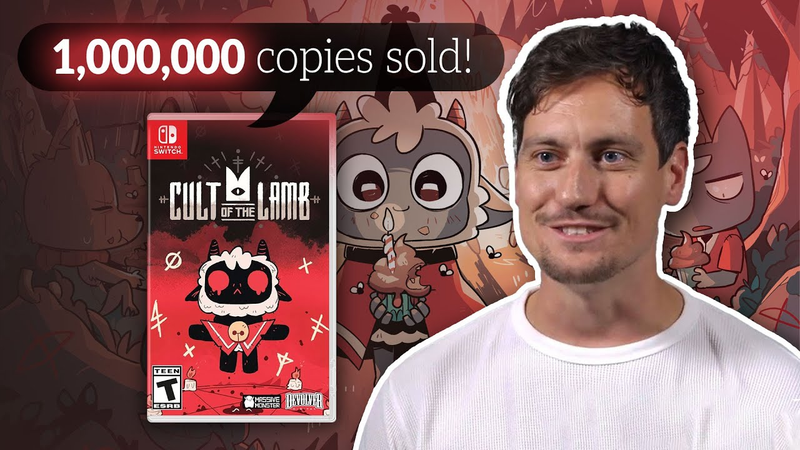
I had the cult of the lamb developer on. His name is Jay Armstrong and he's one of the project leads. Um,
very cool game.
It's a great game and he he he was
talking about how, you know, they they have a studio, they have I think they they worked with Deolver, so they had a publisher and the way they had to design the game was they had what they said they were going to do as a team. And then he said they had he had a team of people called sneaky boys and it was like two or three of them who would make changes to the game design behind everybody's back because
they didn't want to rock the boat but they knew they had to do that because it was like you said it was iterative
right? Design is iterative.
Yeah.
And so so that really does make me wonder like in the with working in the confines of a publisher which I work with publishers I've worked with three publishers. You always give them milestones right? Yep.
And you're you're working with coffee stain
and you give them milestones, but the struggle with this is like
sometimes those milestones you think you need to do them and then especially when it comes to design
and then you realize you're like, "No,
that's actually not the milestone we need to achieve. We need to we need to tear it down."
So, do you have any thoughts about that? I do, but you're not going to like my answer because it's I'm just I'm just so incredibly lucky because the thing is like we as just as you said like we we listed all the milestones and every time we like made we just made a delay if you if you saw the video the delay video
2027, right?
Yeah. 2027 with a muffin dog and all that.
Um so then we made a a new set of mileston. this is going into to to up until that point because they're you know they're paying for the development up until that time and I added everything um that's I I think will be in the game to that point but then we all agreed on like but at the end of the day we'll see we'll see if this is correct when we get there and then we have like we we call it like checkpoints where we just check in and we we we we look at everything and this is also a really cool point but coffee stain um that we're already agreed upon
beforehand that we we we we're not it's not going to be like if you worked with um with old school publishers, they usually have like milestones and and stuff that you have to pass like you have if you don't pass it, you're not getting paid.
That's right.
That's right.
And that can be really really stressful. So with copy stain, it's it's not stressful at all. We already agreed that we're going to be at at the checkpoint. We're already going to pass it. It's fine. Um just going to see where we're at and where we're going, what has changed, what has not. you know they want to be involved in the development but they also don't want to take any creative freedom. So we have total creative freedom uh good or bad but I think it's like it's better I think for a publisher to give that if if you believe in the team give them the creative freedom that they need and I think the game is going to be better because of it
and for them to like I know that I mean even the old school publishers they don't have ill intentions I don't think they also want to make the the best game possible but they think the the company needs more structure than I think is
needed in some cases It might have been, but in my experience, it's too much usually.
Yeah. Well, I've always compared making games to an archaeological dig as opposed to like making a house.
I've talked about this a lot of times on the podcast. I always feel guilty that I can't build a game like a builder would build like a prefab house. I feel guilty about it. I'm like, why can't I just because I'm te, dude, I tear down stuff all the time.
Yeah.
You build it up, tear it down. Build it up, tear it down. And I think it drives my publisher crazy. My publisher is 3D Realms. They'll they I have delayed this game, I think, eight times.
Oh, dang. That's
And it's tough, you know, because it's like uh it is like an archaeological dig for me
where every brush stroke of digging up this game is precise and surgical. And one minute you're brushing over here like, "Oh, there's a bone there." And you're like, "Wait, I want to be careful with that. I'm not going to touch. I'm
going to go over here to the skull and and and uncover that. And then you start to realize what it is that you're
uncovering.
As a designer uh for you, is that true or do you kind of know what you you still have a general idea of what the design of the game is and it's more it's it's less um it's less abstract at the beginning for you? Uh, I would say yes and no because I think you're we I mean the the old trope that you're building the boat at the same time as you're going and so I think that's also true and I so I get what you mean and I think it's very it's very much true for game development in general at least in my experience. So I think even though I know in the beginning where I want to end up the the the road there is super super confusing. It's never a straight line. And I think that's the beauty of it. And if you don't like that, um, if you don't like it having to be a bit a bit abstract,
then I think you're going to to um to have a harder time. And and I'm and I sense that you like that because otherwise I don't think you would have
I love it. But it's the only way I know how to work,
you know. Yeah.
So yeah, but I I think um Yeah, basically I I I agree. And I think it's like um it's cool to know where you're going, but it's also cool to to to have it to be a bit unknown. Like maybe you find something on the way because the more you develop the game and the more you lock things down, the I don't know the the less how to how to put this like the less interesting the experience is kind of because it's kind of like as you mentioned like the the archaeology thing. What if you find something really really cool? I know this dancer had three tails nails. I mean, you know what I mean? And and and as you go along, it's going to be less less surprises. And I think like we when we developed like the combat system in in the in the early days, um because this is a very combat heavy game, I think we we
anticipated it to be like you you hit enemies and that's fun and then you progress and that's cool. But then we we introduced the kick uh because we we needed to have like ways to control the battlefield a little a little bit and we wanted to still build this you know arcadey and fun and fastpaced but we wanted to have some control. So we we we added like the stagger meter and we added then we had the stagger meter. Oh cool so enemies can be staggered that's cool. What can you do when they're staggered? We're like what if you kick them? What if you can kick them and they fly out of the map? That's cool. And then we kind of added things and it kind of
developed the game and and everything that that has ripple effects. Um so like new powers that affect the kick for instance. They can be new powers that triggers when some when when enemy gets staggered. We have powers that oh but when then now they also get get burning well when they get staggered. So we added things all the all all the time. So and those things we didn't know setting out. We knew it's going to be this rogike brawler cool things, but all
the things that we find on the way kind of change the the the final painting. And I don't know. I don't know. I think all of that is just so much fun to come up with those things. And
would you prefer would you ever go back to AAA, do you think?
I mean, once you go indie, it's like uh that's like the dream. I don't know.
I know. I know. Um, and I'm not saying never because at some point it could be kind of fun to be part of a big thing and it can be fun to be part of this really grand thing that we seen all over the world and and so on. It's a it's a I don't know. It's it's something about it that I really like. Otherwise, I wouldn't have been there for so many years. But I'm just thinking like but making your own game the way you want to make it and to make the game what you want it to be. I mean that's it's it's hard to beat.
It is. But there's so much stress involved, you know.
Yes.
Um like uh for me the stress is always I don't I don't trust I don't really trust
I trust myself less and less the older I get as a game developer. I really do as an indie game developer. Um and I've I've relied so heavily on play testing this that this is my third game. And what do you feel about that? like do you do you tr do you trust yourself as a designer or do you do you have a process with play testing where you learn to trust other people and lean into other people?
Uh I would say both. I think sometimes I feel strongly in something and even if the play test might say that oh this is this is not good and then I usually be like but why isn't it good? Is it because the feature is just it's not a good feature or is it that we haven't polished it enough in in some area or some aspect or like like we talked about earlier they maybe they they don't understand it. Um so I usually ask myself those questions first because they they understand that something is wrong but it's not necessarily that
everything is trash you know trash it. Um so I I usually start there but then I think so so all feedback is good because it says something but it's nec necessarily the thing that they say. So
yes. Yes.
Um but I also think it's it's valuable to so like we we had a a beta test I think was in in February or or or something like that and we we got really good feedback and I tried to like from from the the from the critical eyes I tried to from from the best of my ability see like what is this kind of what what kind of player is this and this is feedback that is valuable or not. I mean, let's say it's um someone who thought the game looked cool, but they don't really play Rogue Lights. They don't they're not going to be a potential buyer for the game anyway. So, should I ignore this feedback because if I act on this feedback, I might actually ruin the game for the players who will actually like it.
Sure. So, I think it's it's important to find like quality feedback and like when when you when you're after quality
feedback, quantity might not be your best bet because you can get a lot of different players that might not be your core audience. So I think it's a good a good thing to balance like it's a good thing to release the like we did the beta beta test and we thought like cool if they like it broadly then that's a good thing but if if they didn't like it I think it would be wise to like bring in like people from the core audience um or like people you might know that play this kind of game and then really really listen to their feedback and be like what can we do nitty-gritty for features and and stuff like that. So, I think it's um feedback is great. It's always great. And I think it's it's you're you're wise to listen to the feedback, but I think it's also like you just have to know when to listen, when to not listen kind of.
Yeah.
Well, you know, I'm I'm in beta testing right now with my game Twisted Tower. And I it's like every little piece of feedback that I get, I've done I've
tested with about 60 people um 60 players
and it did well. Like it's doing well. I'm hitting like eight out of 10 um is the review score.
But it's hard it's hard to parse because a lot most of these people know who I am and so you don't you don't know where the ass kissing is.
Um and I talked to him all about this. I'm like please do not kiss my ass. Tell me the truth.
But it's so funny because you all of these bits of pieces of feedback you get from like 60 players. You might agree with all of it and and you implement the changes. Implement the changes. implement changes and no matter how many times you keep implementing changes, it doesn't move the needle.
The game is still an eight out of 10. You It never goes over that.
What I've really struggled with is trying to find the stuff that's like what what is what is the feedback that truly moves the needle. And I found that it's what you're saying, which is that's when you when you just cannot figure out what that biggest thing is that's going
to move the needle. That's when you get like an adviser to come in or like somebody like I could get you to come in and play the game. Um or a really close friend who you really really trust and who who loves that game. Is that kind of your process?
For sure. Um I mean I since I've been in the industry for a long time, I have a lot of close friends that are also in the industry. So when I really want like in the in the beginning of the game very early when before the combat was even good, I just wanted to test it out on a few of them because I I knew that they they could give me like they could point me in the right direction. It's good with like fresh eyes and so on, but it's also good with like fresh quality eyes, you know, um who can maybe spot mistakes that I might be blind to at the moment. Um and steer me in the right direction because I think you do get blind for your own game. Um
you do.
Uh and it's like something you always just need to accept in a way.
Yeah. Do you know if the game is good or
not?
I think the game is great. That's because you got that's because you got a publisher uh that's watching this video. Uh I'm sure you do. I'm sure you believe it's great. But uh for me, I I
truthfully I I have no idea about my own project. I have no clue. And even when I get positive feedback on a beta test, I'm like it they're lying. It's terrible. Um
but okay, so this is super interesting. So, you're basically talking about imposter syndrome. You kind of is Is that what I'm gathering? Yeah, because I I have that all the time. Like all the time.
How do you know?
I don't know why it's it's particularly um prevalent in the game development world. I can't put a finger on it because every game developer I know they once they're about a year into their game's development, they've lost all sight of reality as to whether the game is good or not and
whether they're a good developer or not. They have no clue and they're just lost
and it sucks. You know, I feel I felt insecure for five years on this project.
I I still feel insecure. I mean I I think I mean I if I if I design something and I think it's a good design that makes me happy for that day and then the next day it's the same thing. It's like and and if I don't perform well that day I'm like god damn it who who decided to start a company with me I know nothing. You know what I mean? It's like
I know man. I know. Well, let's let's think about what I I know for me. I know for me that when I feel that imposttor syndrome and when I feel the confusion, I have to sometimes what do they say? You lose sight for the the forest for the trees.
Yeah.
And the the goal for me is I always have to refocus on like what the pillars of the game are, what the core idea of the game is, and remind myself, no, this is what this game is. This is the core audience. This is the price point,
right? Can you talk to me a little bit about this idea of uh pillars because uh Jay Armstrong talked about this as well.
Um I think of them as hooks. So I I think about visual hooks, mechanical hooks, and story hooks. Those are I call it the trinity hook just for so I can always lean on what's my visual, what's my mechanical
like genre and and story. What is what are those three pillars? So that's how I think about it.
Can you give us some clarity on what you mean by pillars because Jay Armstrong does the same thing with his games?
So yeah, we we there's a few different paths you can do about this, but we or I set up the pillars early on for the game for for like the to be just a goalpost of I wanted the game to be. Um it's just good to have everyone align on something and then where if you end up exactly there, it's not super important. The pillars can also change.
Okay. But but I do think it's it's important to have them and even if they
change they should change like with clear purpose. Uh we did that for instance and I think it was for the benefit of the game. Um because otherwise it could be like if you're trying to shoehorn something and it just doesn't work. You have to be certain that you're making a change for the better. Um but but I I try to have few pillars. So I think we started with four. Mhm.
Um and even even less you could have if you want to but I know that we I want to have one uh pillar um that was the feel of the game. Uh so it's kind of in in Sina as you mentioned but I think I think it was the feeling of the game and then it was like the moment to moment of the game which is like um fun action co-op action or something like that. And then the third one was kind of like the what's why do I want to stay in this game? Why do I want to continue playing this game? So it's it's kind of for us it was kind of in that order and I think you could depending on the game you make you could have them in different order because I think it's it's actually quite fun and meaningful to to rank them. Um,
for instance,
Oh, interesting. Yeah. Yeah.
Yeah. For for for instance, when when we made The Division, you know, the Ubisoft game,
um, we we had the core pillars, we had we had, I think RPG was the top one, and then the second one was like realistic shooter. And that's why you can shoot someone in the head 10 times because it's an RPG.
But if you flip if you flip and um, and it was like an a realistic shooter with RPG elements, you can still only shoot them in the head once cuz that's realistic. Um, so I think that's kind of interesting to just see what happens if you flip them around and what's important, which has like um more which one is more important for your game and if they're ever in like they ever compete, you just see the ranking like, "Oh, but this is more important. This is what we're doing." Um, so like if it's a narrative game for instance, I think is if something like a gameplay mechanic interrupts like the the narrative feel or or the story, then cut it or change it. Um,
that's good. So, are these pillars are
they marketing tools? Do you know what I mean by that?
For Yeah, but not for us. Um, and I think you're also leaning into like or or clarify if I'm if I'm incorrect, but I'm thinking like unique selling points and stuff like that.
Yes, sir. Yes, sir.
So, yeah, they can be and they definitely I think should be in some sense. Um but for us um not really at least at least not in the beginning because I think our unique selling point at least going into it was at the art style and the art style uh I think is a separate thing from the core pillars. Um even though the art style communicates a lot of things and it's how you play it's it's super important and super vital to the game. Yeah. I don't think that was ever like
that's that's so interesting to me that the the Cuphead vibe was not a pillar. I I find that interesting.
Um
it's I guess it's a it you're talking about design pillars as opposed to a USP, I guess.
Um Okay. But so did you have a separate
plan or a separate document or a separate meeting about the USPS? So roguelike but Cuphead,
that kind of thing.
Yeah, kind of. I mean, we we started out
we we be like we were having beers and discussed before we started a studio this uh I should say. Uh so we talked about what we wanted to do if we potentially just started our own studio. Um and then a lot of us were like we we played a lot of rogue lights. We love rogue lights. It's like it's something that we could do and we're like that's cool. And then Felix, our art director and you know timeline is a bit physical. This is a long time ago now. But I know Felix uh the art our art director he was like he loved Cuphead and he was like would be really cool to make this kind of art style but in 3D. How how would that be in 3D? And we were like that would sounds really cool and hard
and hard. Yeah. Yeah. And then Exactly. and then with a with a rogue light. And
then we were like, what kind of rogue lights do we play? And we we all, you know, we we threw out a few examples and then we talked about, but if we made a rog light, what how would that look like? And then we kind of came up with things like, so we really like Risk of Rain 2, for instance. That's really cool, but it doesn't really have the the in-depth meta progression, but it does have the third person camera that, which we think is cool, and we really like the uh the co-op aspect. So, we're like, that's cool. If we take those aspects and then we take a few aspects from Hades with the with the whole Cuphead aesthetic in 3D like that sounds really interesting. Should we go for that? And then we had I I remember also we're like but where what who are you? What's what's the you know what's the what's the what's the fantasy behind this? And then we're like, what if we take we give and we we say this a lot, but what if we give power to the powerless and then we have like so we have like people who are or or characters that have like vices and they have real problems and we we use them as sort of um a gameplay
mechanic that you can like you drink beer and then get stronger and stuff like that. We thought that would be really interesting and fun. And I usually say this uh when I talk about how how we designed the game. It's like you create your own box and you have to be within that box. But if the box is really, you know, the edges are really blurry and and it's shaped really funny, then you're going to have a good time. Um, and I think our box is really fun to work in. While if you're making a really realistic game, you're kind of confined to this box. That's just reality. You can't you can't really do anything else.
Can can you explain that again? I don't fully understand the box metaphor. Uh, so it's like you you you can only do things that are um in your world.
The player is you. You is the player or you are the developer. When you say
I'm the I'm the developer.
Okay. So the developer is boxed in is what you're saying.
Yeah. Yeah. Yeah. So, so you can only create things uh in that universe. Like like let's say you're making a Star Wars game, then you can you can only make things that would fit Star Wars, which
is, you know, a lot of things, but bad example, but um
you can't add things like uh I don't know. I don't know. I don't know what doesn't fit in Star Wars. Everything fit in Star Wars, but some sort of weird Satan creature that's maybe not doesn't fit. Even though Hans once times says see you in hell, but um let's assume they don't have religion uh in that sense. three data, but in in in our game, you we can kind of add pretty much anything. Like if we want to add, I don't know, aliens, that would be fine. That would that would fit in their our universe. And um that allows us to be very creative cuz I think it's it's important to have like the box because if you if you're totally free and you can make anything, then you can make nothing. I I you know that it's so hard because you have nothing to to base it on. But I think to have a fun books. Um
That's right. That's right. Well, there's the My dad was I've mentioned this in previous podcasts, but my dad was mentioning there was an author who wrote a book. It was it's called like
the unicorn western. I'm looking it up right now. And it's basically a western with unicorns.
That's cool.
And the the author, I think he also wrote a book about how to write. and he said when when you if you can put put a unicorn in your western
basically here's your genre and then immediately put something totally out of place in that world so that you know that the box is flexible.
Yeah.
Is that kind of what you're saying?
Totally. I love it.
Okay. Okay. That's Yeah. And that's so hard to do. I don't know why I don't know why it's so hard to do to just be willing to um put something bizarre in your game immediately. Uh there's a lot of I work with clients um and and help them make their games and it's so funny how scary it is to them to just quickly make a bizarre decision and put it in the game, especially at the beginning of the development so that you can
flex those muscles, I guess. Um and and you guys had to do that uh with Into the Unwell. How how exactly or what specifically did you do with the game to do that?
So we um I think we pretty early on we knew that we wanted the game to be like usually I I mean rogue lights are basically a power fantasy um in in some shape or form that because you have to progress a lot and every run is like a progression uh thing. And we kind of thought about okay but so we knew that we have to do that otherwise it's not even a rog light but we wanted it to be like what would be the opposite uh of a power fantasy. So then we were like, okay, so maybe it's um you know like like shortcut is an an alcoholic or main character and then we have Nagget who's like a gambling addict and we we have we took like people who have are down on their luck in the real world we made them our heroes and I think that's was
really really fun and that sparks so many cool things. Um, so I don't know. Um, or that's the box kind of. And um,
Sure.
I don't know. I think it's it's it's so fun when when the a game and a game you're working on, I should say, is like
it's it's fun and it's dark and it's light and dark and, you know, it's like everything is it's all over the place and it can it can be all those things. And through the lens that we have, which is kind of, you know, silly, cartoony, I think we we're allowed to like go there, go into this dark like gambling addiction. It's not a very sunny subject to touch upon, but I think through this kind of silly and and harm harmless lens, we can go there and we can be there and it's it's okay kind of. Um, and I think that's very that's very interesting and it's very rewarding. That brings me to the concept of contrast. Um, and I'd love to ask you a question about contrast. I found that contrast is
kind of it's you usually can win as a game developer by just introducing contrast in your game pretty much in all ways. Like contrast with lighting for example. When you have contrasted lighting, it always looks good.
Y
uh when you add contrast or compl complimentary colors, you always win. I was talking to a designer yesterday who worked on the Doom games and I said, "Is it pretty much true that contrast in combat is always a good thing?" Meaning you have a for example, you have a tank enemy, a beefy enemy, a bullet sponge, and then you surround him with with fast fast moving enemies that move towards you really quickly.
That's contrast in design, right? And it creates an interesting encounter. Mhm.
So, as a designer, is contrast in design pretty much a solid rule of thumb
for me? Yes.
Okay.
I don't know. I I I can't say that it's like a a rule that's true for everyone, but I I would say yes because I I usually I usually work in contrast and I think a lot of people do. I don't think it's like a revolutionary, but I think it's um it's usually very fun. I as as I mentioned like when we came up with the kind of premise of the game, we we went to like what's the opposite of how it's usually done and that's how we looked at it. Uh so you're getting really strong, but you're someone who's actually powerless in in in in reality or not in in all cases, but you know, in general. So I think it's um I think it's nice to always like look on both sides of everything and twist and turn and you know I don't know. So I think
that's contrast in story for sure.
Yeah.
Or contrast. It's Yeah. I think I would say that's a contrast in the story
um or the world, right? The the alcoholic somehow gets
to be the hero.
Um is there is there contrast in the
combat design? And so it's a it's a rogike brawler co-op.
Mhm.
Do you introduce contrast into the actual brawling in combat?
Yes. Yes, we do. Um we all we definitely have that as you mentioned like we have big enemies and small enemies. Um and that's like a contrast in that but we also think um we try to do it for play styles as well. So we have contrast in the different play styles. should feel different depending on which character and weapon you choose, but also which powers you choose and so on. So I think it's um um I think we do have a contrast in there, but the tricky part here is that you don't want to have anti- synergies. So So we try to avoid that as much as we can, which is like if you pick this power and this power, they cancel each other out or something. Um
right. Right.
Like fire and ice or whatever. Um so we can't have that. So I do try to think about it in that sense, but I also try to think like where can this go in terms of could this be a cool if you pick this
character and this weapon then then what power and with this can three or four powers what would happen and and so on. So you want them to be like archetypes uh when you or or that's at least how I I I designed them and I kind of like it to be that way. And then I want the different archetypes even though you can you know mix and match I want it to be like in my head this is like this archetype this archetype and this archetype and they should be very different they feel very different and then you can mix and match of course but I think it's um in that sense I do think of contrasts
okay in terms of games that involve combat um is it good to think of the design as a chess board with very unique pieces so weapons are very unique pieces enemies are very unique pieces that always Is that a good rule of thumb? And this is for my own personal I I I have these questions.
Yeah.
For my own game.
Yeah. I don't think I've ever thought about it like a chess piece. I don't think um or chess board. Um I'm not sure
how I think about it now that you mention it. It's something that I probably haven't ever put words to. But um
yeah,
I do definitely like when I design things, I usually have like uh pain points and relief points for instance. Um it's like uh you want to clear the level. The pain points are all the enemies. So then you want the relief like okay so cool there are a lot of enemies but you have a weapons. Cool. So they are the pain points and that's a positive or like a pain reliever. So you have the weapon, you can deal with them and then another one arises. Oh, but this is it's boring to just use the weapon. Okay, cool. Then we introduce something else like uh we have powerups. Makes it uh more fun. And then Oh, but it's it's only one enemy. Okay, cool. Another one. We add more enemies and so on. So, I kind of think of it pieces in that sense. Um and now that you mention it, I could probably see that that's a chess board.
Yeah. Is there a is there a negative is there a con to thinking of your weapons and your enemies as chess pieces?
Is there a negative side?
I mean, could the game could the game become turnbased all of a sudden and oh, you know,
it's way too like I have to get this weapon to kill that enemy.
Is that does it does it become too strict?
Um, I mean, it depends on the game and your game loop, but I think yeah, I think that could that could potentially be perhaps too many rules. I mean, everyone's different how they want to. I mean, some people are more creative the more rules they have. I I I think and I'm not really like I I like to have pretty few rules. I think uh you need some rules obviously like you can't just ignore the game mechanics and so on, but um but I think it's um um I don't know. I usually think about in themes and stuff. Um like right now when we're designing um like talents and stuff for the game, we usually usually take like
um what's what's the what's the what's the core fantasy about this? Oh, it's like you you're trying to fulfill this thing. Cool. Then what would I like to do? Uh thinking about that and then I kind of spawn from there. I think that's for me that's a better path forward than than the rules itself.
Okay. Okay. Yeah, that makes sense. It's it's tough for me. Um, it's uh I'm basically right now currently learning. It feels like I'm learning a new language um in terms of design. I I know I know basic design principles of firstperson shooters for example, but I'm still learning stuff at the 11th hour. And it's hard because it's like
I I think so. Yeah. But I still feel I still feel dumb about it.
But I'm like, how am I still learning? But I guess that's the way it goes. But, you know, I I I struggle because like I'll talk to play testers and they'll say, "Oh, I liked how everything was kind of free flow and I was just having fun and I was just blowing off heads of enemies and it was just silly."
And then I have other play testers come in who are like, I had no strategy. I just picked random weapons and that really turned me off. And so I'm sitting here going, how strict do I go towards the strategy side of things? But you were talking earlier about how narrative, if narrative is the number one thing in your game, then to focus on that.
And so I'm sitting here, the way I make games is I think about the narrative
and the combat is just sort of a garnish. And that may be a really bad way to think about it. So I'm I'm I'm feeling very lost. You know what I mean?
Yeah. But what's your um what's your core loop or momentto- moment gameplay? because I think if that's not fun, um that's that's a problem. Even even if I even if it's like a narrative game and the narrative is the main focus, moment to moment should still be enjoyable. Even though it doesn't have to be 10 out of 10. It doesn't have to be like Mario Galaxy or or something that's like super fun to just jump around in.
But I think um as long as it's good enough, like in if you played RPGs back
in the day, combat was always like seven out of 10 tops and that was considered like best in class. Yeah. And um That was like it's just such a good game, but it's just um but now we we kind of get spoiled. Now we want to have like super cool 10 out of 10 combat and also super deep progression and and all that which is fantastic for for the players, but it's it's also like making three games in one game. Um which is not easy. What was the process of building a vertical like coming up with the idea, building the vertical slice, pitching it to Coffee Stain, and then signing with them? Can you because I I want people listening right now to know like how did Martin get into a position where he has 11 people working on a game? Like, how does that even happen? Because I I saw I saw Back Rooms. Have you seen it?
Oh, the the movie.
Yeah.
Oh, no. I'm gonna see it tomorrow, actually. Oh, okay. Well, I won't say anything, but the director I I've seen
people in the comments on Instagram say like, "Something's fishy about this. How did this 19-year-old director get $10 million to make a movie?" And it's like, well, it happens all the time in both the game development world and the film world. You don't have to make the entire project from your own pocket. You you work with investors. So can you talk through that process and and maybe how people listening can replicate that process?
For sure. Um I'm not sure if everything is replicable. I mean for
it's
it's not sadly but but I can I can definitely tell our story and it's like
so sometimes it's just who you know and if you surround yourself with um
a lot of you know people in the game industry it's likelier that you're going to they know someone who knows someone and that was the case for us. So we we knew someone at CoffeeSain and then when we discussed starting up our company we
were like could we could we get a meeting with coffee I mean surely you can get a meeting with coffee stain it's not like they're impossible people but for us it was really easy realized yeah just ping him on Facebook and they're also have a office in in Malma so we just had a lunch with them uh or a dinner and then we pitched like our idea of starting a studio and and then and had a game just just an idea for a game at that point even. So, we were super early. And then Coffee said, um, well, they they weren't sure about the the game yet because we didn't even have a prototype, but they said, "If you guys want to, you can start the studio and then you can um help us create the game Midnight Ghost Hunt." Have you Have you seen it?
No.
So, that's it's a it's a pretty cool um asymmetrical game where some bas
What's it called? Midnight What? Midnight Ghost Hunt.
I'm looking it up here.
Yeah, it's pretty cool.
Oh, wow. It's very successful. That's
amazing.
It's it's really cool. Um but um so we helped on that game for maybe a year. Um and that was great because then we could start the studio and we we could get, you know, the the funding needed for for us to run the studio and then we could create our prototype uh as a side project. And then when we were ready, um, we we made sure to have the prototype ready roughly in time so we could like we switched off that game when they were ready and also we could
So,
so can you explain really quick? You made Midnight Ghost Hunt or you consulted on it or what was it?
So Sam Malone is the guy who um who's the director uh on Minute Ghost. he was kind of making the game pretty much by himself first and then he took in like a few uh freelance artists and programmers and stuff so so to assist him. Uh but then Copy thought it would be good to have us like a full full-fledged studio
and we had pretty much everything so we could just attach ourselves to that game and then we worked full time on that and it was really fun and it was great cuz then we could you know get to get to work as a studio for the first time uh even though it wasn't on our game is still super valuable experience. Um, and this is the part I think is, you know, it's it's it's hard to replicate exactly that because that was a need that Cton had and we could fulfill that need and it was just, you know, that's kind of lucky.
Um,
but that was really really good. Um, so I would I would recommend if you have that opportunity to do that because that was pretty much risk-free for us in that sense. Like we could just, you know, quit our jobs and start the studio and we had,
you know, we could we had we had a salary from day one. That's, you know, that's
Were you contracted or were you an employee with Coffee Stain?
Uh, contractor.
Okay. So, the people listening right now, I for clarity, I think the process, correct me if I'm wrong, the process is get to know people in studios, studio heads, people in studios, and have a
good portfolio available where you've made some games or or you've done something.
Yeah.
Go ahead.
Oh, yeah. Yeah. I was going to say or be really good at like um um emailing people and being like super super friendly or go to conferences and just talk to people and hand them out business cards. I mean it's it's it's not rocket science. Um but but I think it's that it's way harder like um to do that. I most most of us are uh you seem to be very extroverted but most most people in the game I myself included a lot of times can be quite introverted at social gatherings. like, "Hey guys, um, you guys want to play our game?" You know, it can be can be quite
No, dude. I'm I am incredibly introverted. I'm I'm talking to a camera. I'm talking to a camera right now.
I uh when I I went to Gamescom in Germany and I I even struggle to remember the name of Gamescom because I I do not like these events. I do not like them. And I went to the one in
Germany and I kid you not, dude. I did what I was supposed to do with my publisher and then I would go get lunch and sit in a corner somewhere. Um, I hated the the the big uh just people everywhere. It was super anxietyinducing. But for me, I I am introverted. Um, I can have one-on-one conversations well, but I'm mostly introverted in big social gatherings. And I found that um what really motivated me to become seemingly extroverted was to get deals.
Yep.
So like being able to talk to Armor Games or Serenity Forge or 3D Realms, which are my three publishers.
In order to do that, I had to send out emails to tons of contacts. And like Brian Fargo was one of the first guys that for some reason I got Brian Fargo's and he's in Exile's um uh he created Inexile the
studio. I somehow got his contact and I texted him and said, "Can can we have a phone call and I can get some advice from you?"
Mhm.
And I didn't want to do that.
I was super nervous. I was miserable during the conversation, but I knew
that every time you get advice
from some industry leader
and get in contact with them, as long as you're kind and you treat them with respect,
two years down the road, it's likely something will come from that.
It might not come from that phone call, but and so like I did this with Tom Fulp, who's the creator of Newgrounds, and he eventually put me in contact with PewDiePie somehow.
And then I did a project with PewDiePie. And so it's like always based on these these silly little emails
where you're sending just hey I need advice or hey can I can I pick your brain about something? And I didn't have a YouTube channel at the time so I don't want to hear people say well Thomas is a YouTuber so
he has a leg up.
It this is when I was working as a graphic designer at some small studio
in the east coast. You know it it wasn't uh it wasn't cuz I had clout or credibility. It wasn't cuz I was extroverted. And so it's great to hear that you're introverted and still you were able to I guess power through that that insecurity and and just get to know people, right?
So let me ask you this.
Did you have to pitch like a vertical slice to them? Did you have a demo available or did you just have an idea and they just trusted you?
No, no, no. So um at first they just wanted us to be this um attached studio. Mhm.
Uh they had I mean they didn't didn't really have much interest in the game at that point. So during during the development of Midnight Ghost Hunt, we developed uh like a prototype but like a short demo. It's it showed some promise I hope because we we did uh eventually sign we pitched it to a lot of uh publishers because we couldn't we couldn't know for sure that Copen would
agree on it or even have like um I mean if they would have a really bad deal, we also wouldn't take it. Um, I mean it's a lot of things to consider. So, we we talked to a lot of publishers and we got a lot of nos and some some are interested for sure. But, um, it's important to know I think like now when we have a deal and everything feels, you know, it feels good, but we didn't didn't start out super easy. It's not it's not everything is like um it sounds easy once you've done it, but it wasn't easy at the time because we we did get know from a few u few publishers that we we really hoped would be interested in this kind of game. And um I think it's just for for Coffee Stain, I think they kind of liked not only the game. I think the demo they they thought was fine. I mean it was rough, very rough. Um but they saw potential in the in the game pitch of course, but also in the studio. And I think that's something that um a lot of people who pitch might not think is as important because I think it's maybe more important in in some cases that you seem to be um not only capable
developers but also developers that they want to work with for a few years because that's very important and if they for a friendship
Exactly. Exactly. Yeah. And and that's at the end of the day and I think it's um you you you had to you said it very very uh very well earlier that you you had to see like become almost extroverted for them to you know um for them to to to take you seriously in in a sense and I think it's uh that's the harshest reality in a lot of cases. Um
and it's uh yeah.
Okay. So, what um what are some some things that like necessary things that indies need when trying to get a deal? Do they need like you you mentioned that the demo sucked. Did you think it sucked at the time or or did you really put in like everything you could to make this demo awesome?
And I asked that because I'm like do you need a hyper polished demo to pitch to a
publisher?
No, you you don't need that. I mean, it helps. It certainly helps. But if they can just see um um they can see potential, I think that goes a long way. Um if and if you also can back it up with like u commentary like when you when they play it and be like, "Oh, we're thinking about this and then maybe maybe we'll go this direction and this is going to be cool and oh yeah, this is work in progress and and so I think as long as you you make all that you reassure them about the the the issues they see that they're not they're issues we are aware of we're not going to release the game as is because if you if you play them like when we do in in development you do the opposite. You want to you want to sit there and give them the controller and say nothing because you want them to experience the um uh the issues and then you notice the issues. But when you're selling it it's the other way around. You'll be like this is an issue. I see you have an issue but I'm going to tell you don't to worry don't worry about it. we're going to solve that and we are aware of it. Um, and we know how to solve it because they have to be confident that you're
confident that you can solve this game. It doesn't mean that you have to have everything figured out because you never do. I still don't um in the game, but um they have to be confident that you can actually do um the game, you can complete the game even though, you know, even though it's rough at the time.
Gotcha. Gotcha. Great talking to you, man. Yeah.
Links in the description to wishlist into the unwell. Um, anything else you want to leave the audience with before we wrap up here?
Um, no. Just, um, have a good day.
That's great. That's perfect. All right, man. Take it easy.
You, too. Thank you.
Auto-generated captions from YouTube — names and numbers may be misheard.
Key insights
7 takeaways · ~3 min read- 01Securing a publishing deal often requires demonstrating team capability through a playable prototype or vertical slice rather than just a concept, proving to the publisher that the team can execute the vision.
- 02Working as a contract studio for an established publisher like Coffee Stain on an existing project can provide a low-risk transition into full-time indie development by ensuring a salary while building studio credibility.
- 03Effective game design relies on 'contrast'—such as mixing fast and slow enemies or balancing pain points with relief—to create engaging combat loops and meaningful player progression.
- 04Iterative design is essential because features that appear strong on paper often fail in practice; developers must be willing to discard ideas that do not translate into fun gameplay.
- 05Maintaining creative focus requires establishing 'design pillars' that define the core experience, which helps developers avoid scope creep and navigate the insecurity of long-term production.
- 06When gathering player feedback, developers should prioritize insights from their core target audience over broad, quantitative data to ensure the game remains true to its intended design.
- 07Setting boundaries for a game's universe, even if broad, is necessary to prevent creative paralysis, as total freedom can make it difficult to establish a cohesive foundation for development.
Ask AI about this video
Cite this video
Citation
Generating citation…





















Comments