1 free read left. Create a free account for unlimited reading + AI research.
Create free accountWhitepaper European Conference on Games Based Learning (ECGBL)
1 free read left. Create a free account for unlimited reading + AI research.
Create free accountWhitepaperEuropean Conference on Games Based Learning (ECGBL)
It explicitly does not assess academic or developmental effectiveness.
This qualitative case study investigates how first-grade teachers and students experienced the Game Friendly School (GFS) project, a school-wide initiative at a private Turkish K-12 school that installed permanent game-friendly features across corridors, outdoor areas, and playgrounds over roughly one year. The study's central aim is contextual: to understand perceptions of a play-oriented school environment rather than to establish its academic or developmental effectiveness, which the research explicitly does not measure.
Data were drawn from five first-grade teachers, whose questionnaire responses were analysed thematically into six themes, and from 98 first-grade students, whose drawings and short narratives were examined through content analysis. Teachers described the project as enjoyable and supportive of peer interaction, collaboration, and rule-based play, while also raising concerns about age-appropriate design and the safety of play equipment. Students' representations consistently depicted happiness, friendship, movement, and play, reflecting a positive experience of the school's play spaces.
The scope of the findings is deliberately narrow, limited to one private primary school in a single Turkish context and to a single cohort of first-grade participants. The authors emphasise that these results capture perceptions and representations, not measurable learning or developmental outcomes, which constrains any generalisation beyond this setting. The study's framing draws on literature concerning game-based learning, case study methodology, and student engagement.
European Conference on Games Based Learning (ECGBL) · 2026



European Conference on Games Based Learning (ECGBL) · 2026
European Conference on Games Based Learning (ECGBL) · 2026



European Conference on Games Based Learning (ECGBL) · 2026



European Conference on Games Based Learning (ECGBL) · 2026



European Conference on Games Based Learning (ECGBL) · 2026



European Conference on Games Based Learning (ECGBL) · 2026



European Conference on Games Based Learning (ECGBL) · 2026



European Conference on Games Based Learning (ECGBL) · 2026



European Conference on Games Based Learning (ECGBL) · 2026



European Conference on Games Based Learning (ECGBL) · 2026



European Conference on Games Based Learning (ECGBL) · 2026
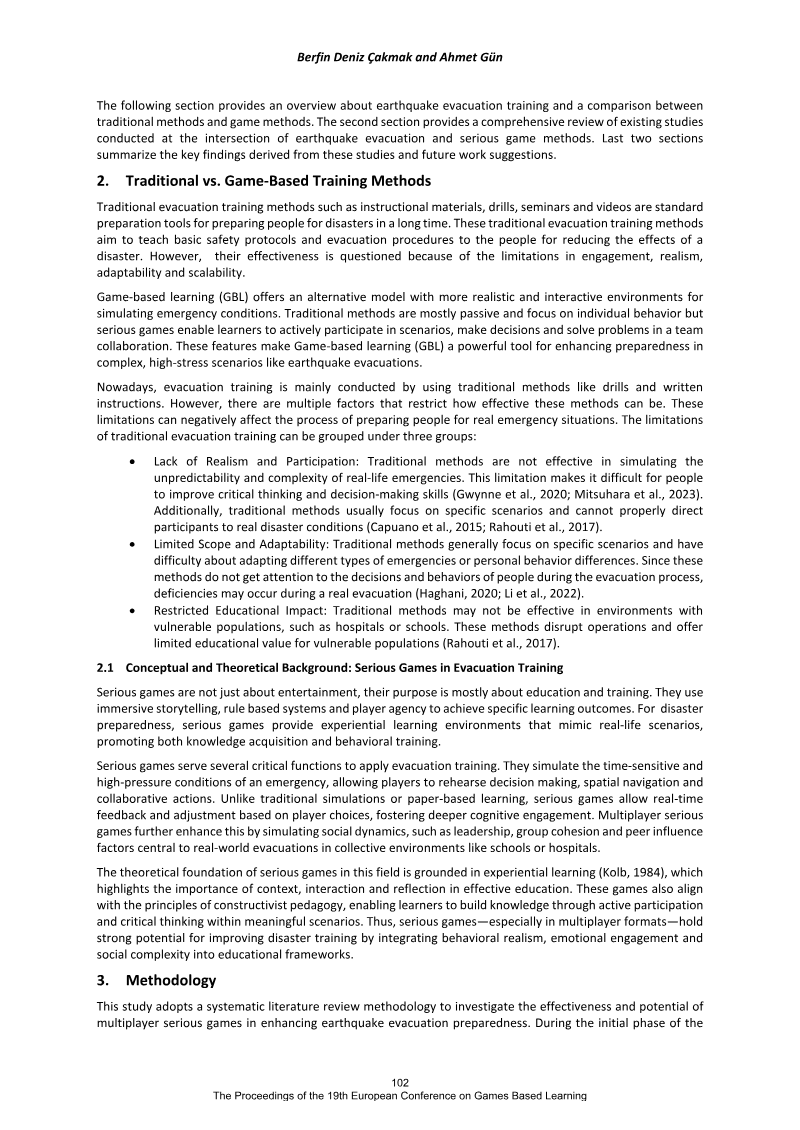
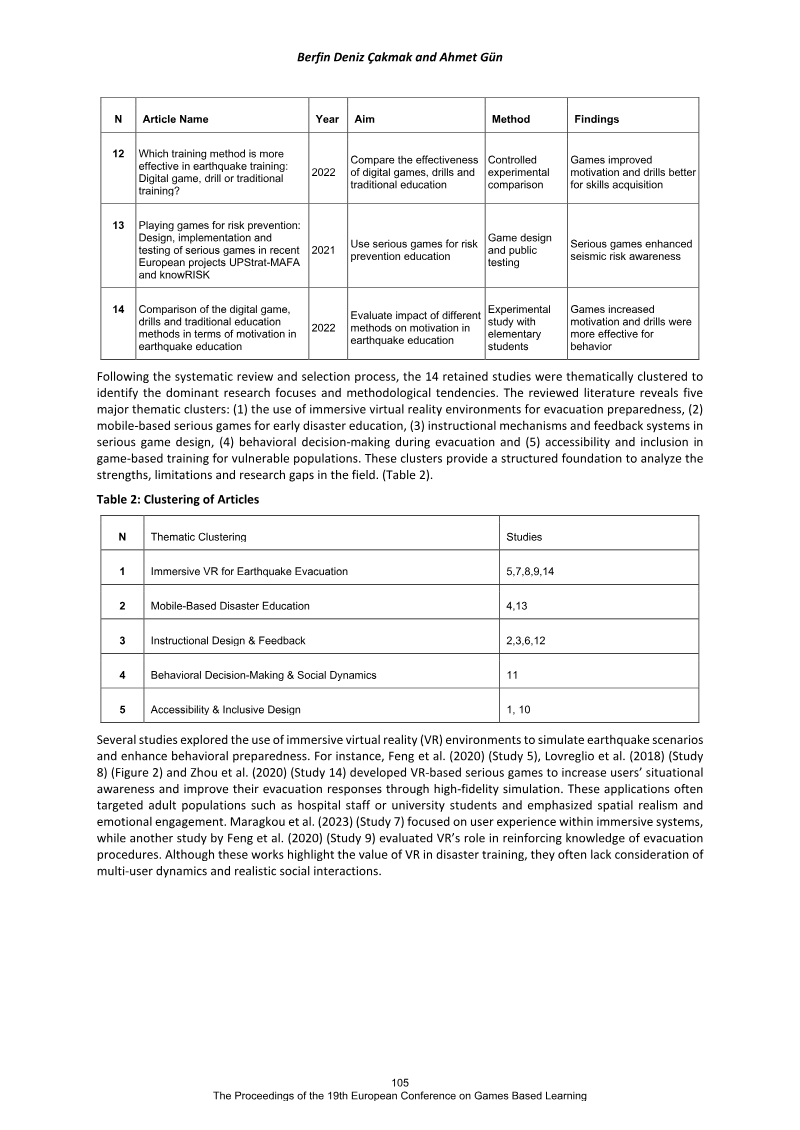
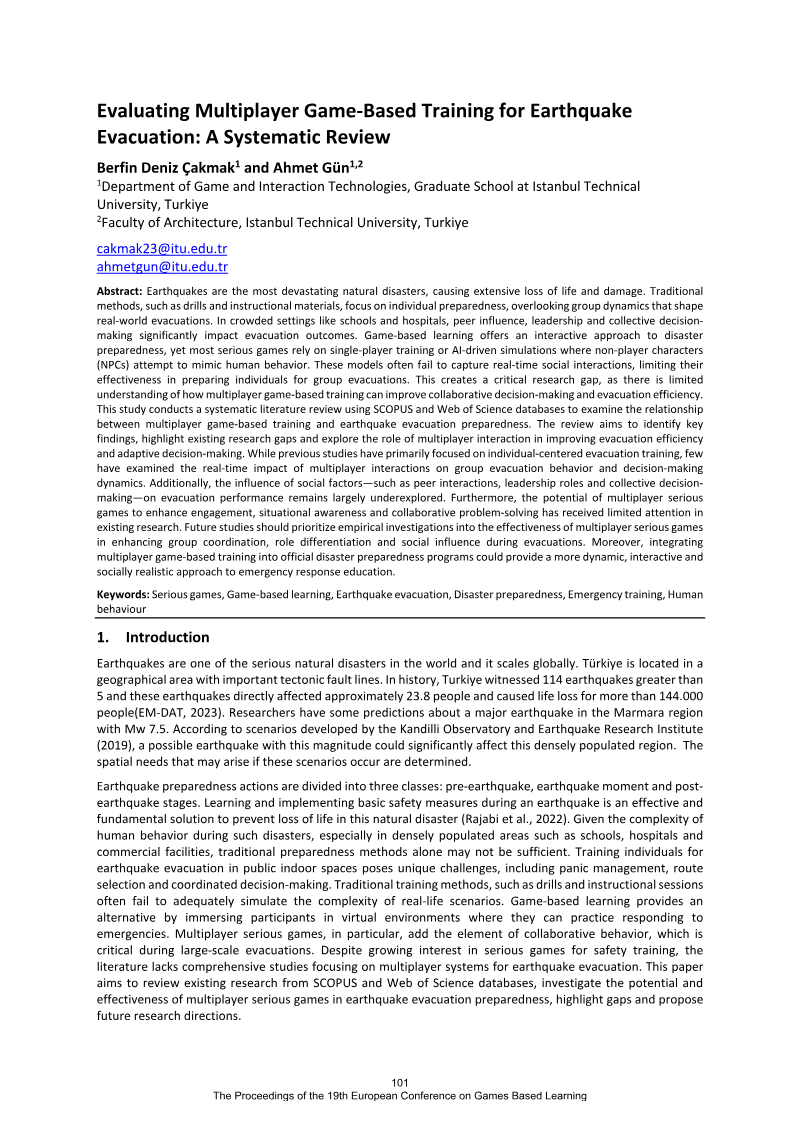
European Conference on Games Based Learning (ECGBL) · 2025
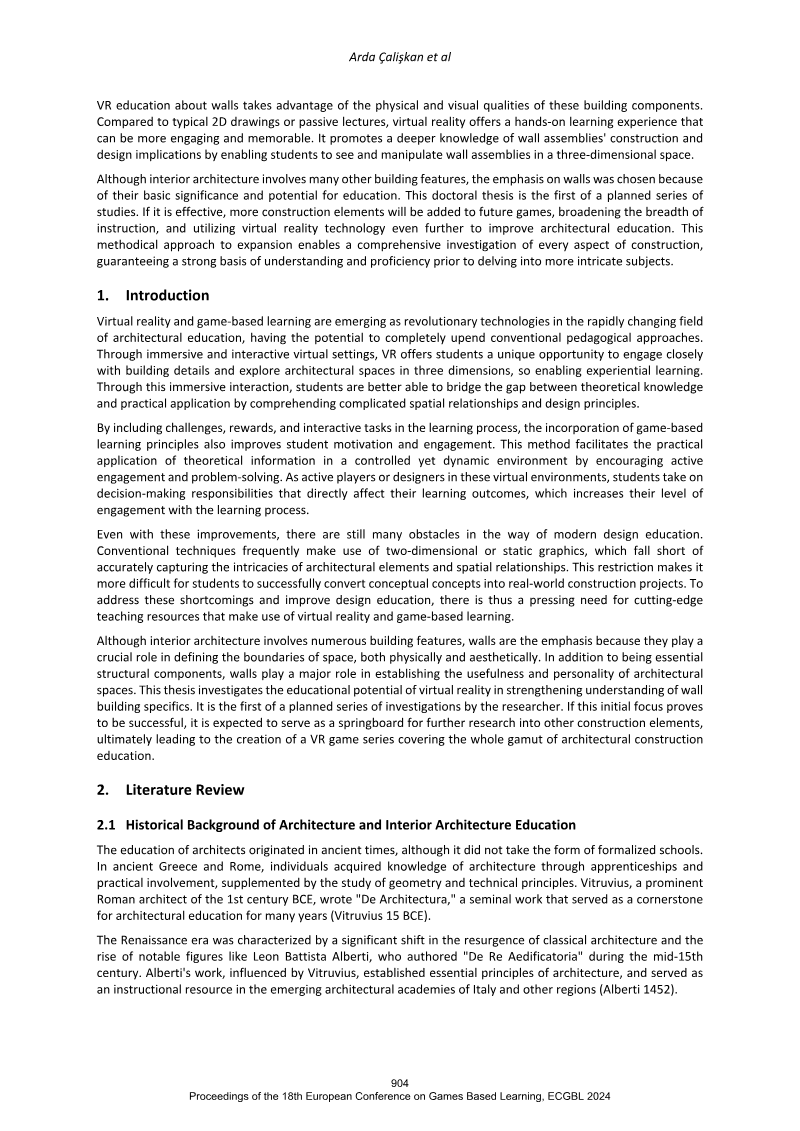
European Conference on Games Based Learning (ECGBL) · 2024
European Conference on Games Based Learning (ECGBL) · 2024