More from Simulation & Gaming
View all
Article
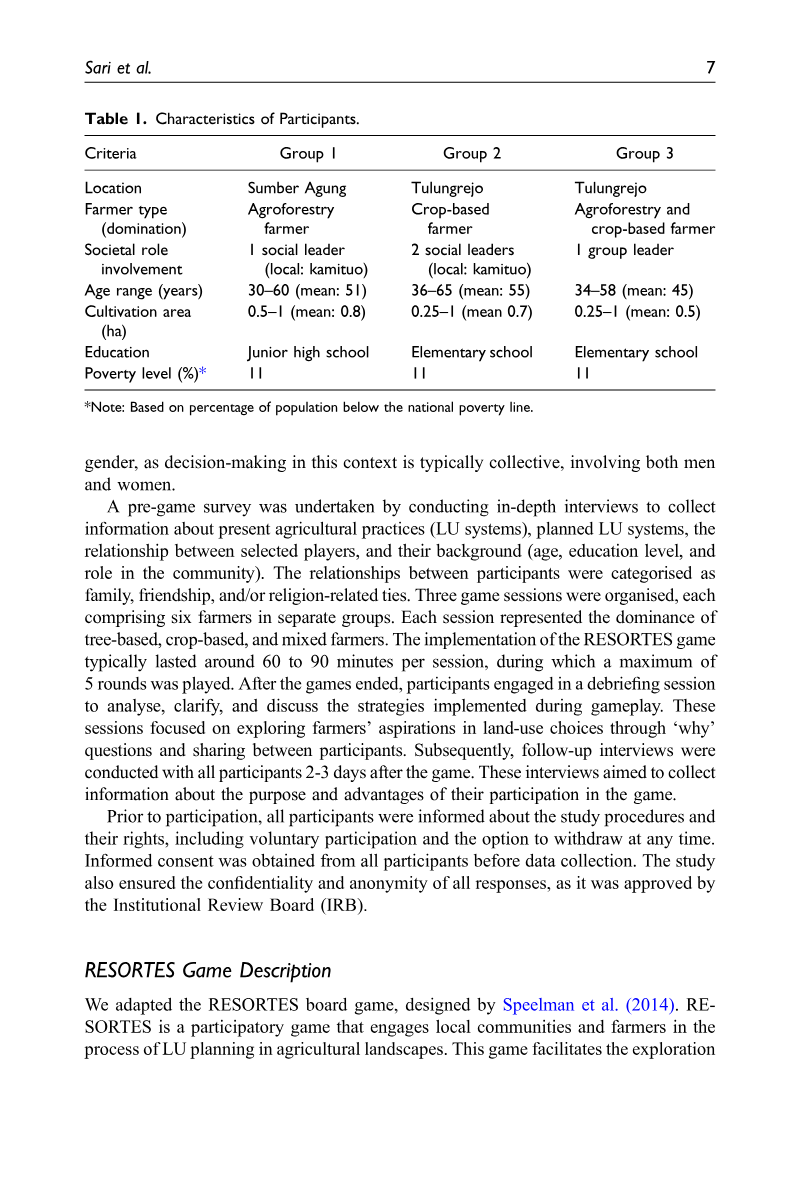
To Ban or to Restore? A Systematic Review of Restorative Justice in Online Gaming Environments
SAGE Publishing · 2026
Whitepaper
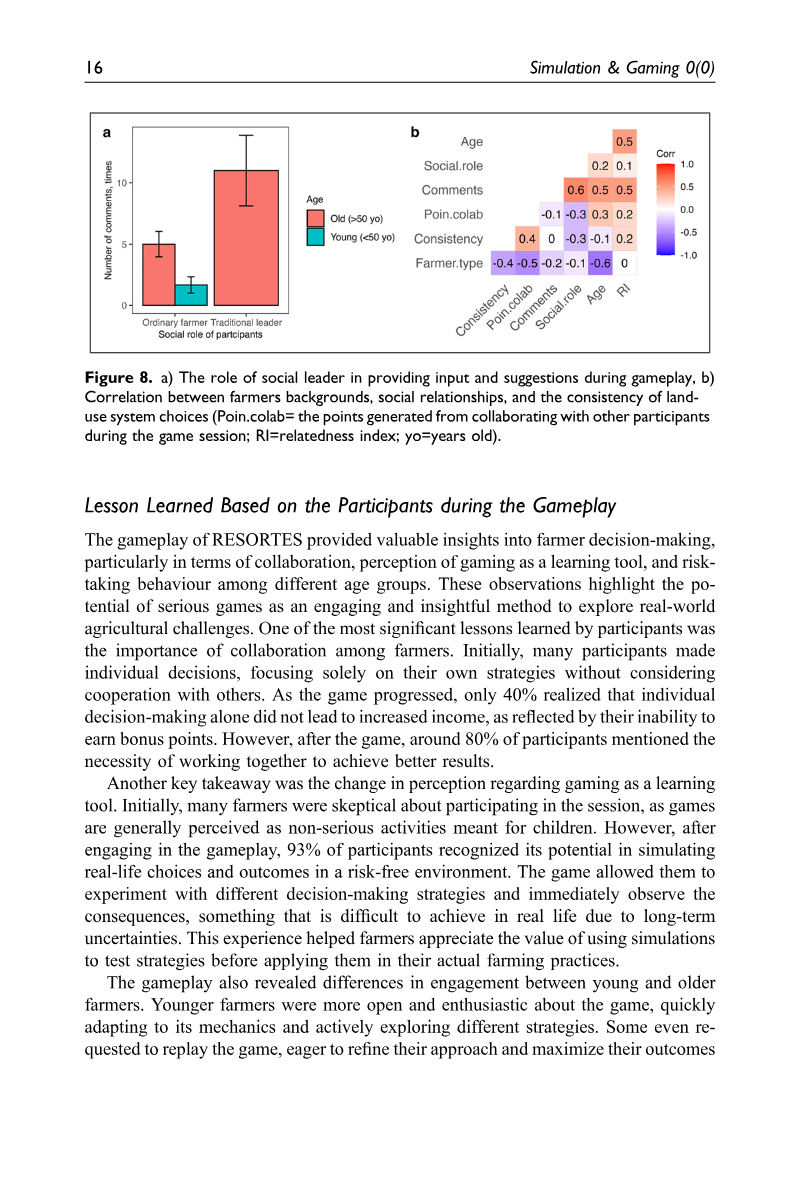
Farmer Preferences on Contested Land Use in Agroforestry Landscapes: The RESORTES Game Implementation in Indonesia
Wageningen University & Research · 2025
Article
Coziness in Games: Homes, Audiences, and Esthetics
Games and Culture · 2025
Whitepaper
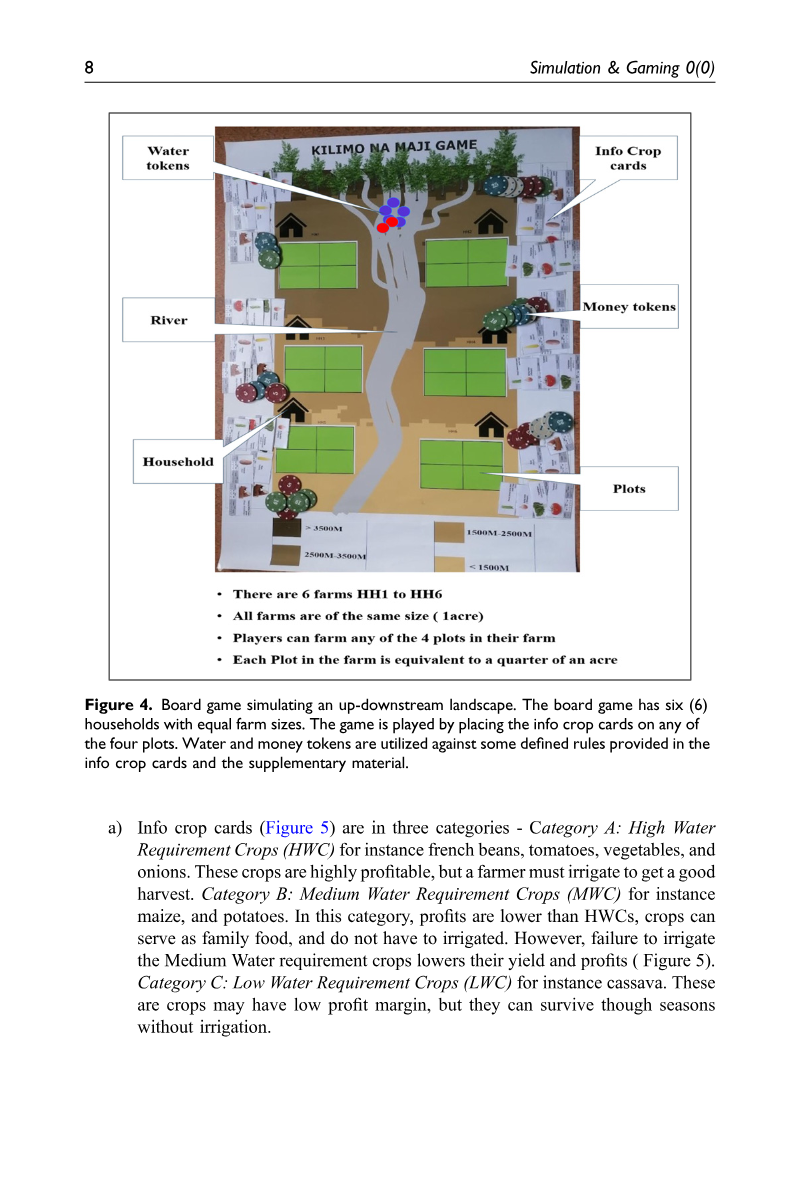
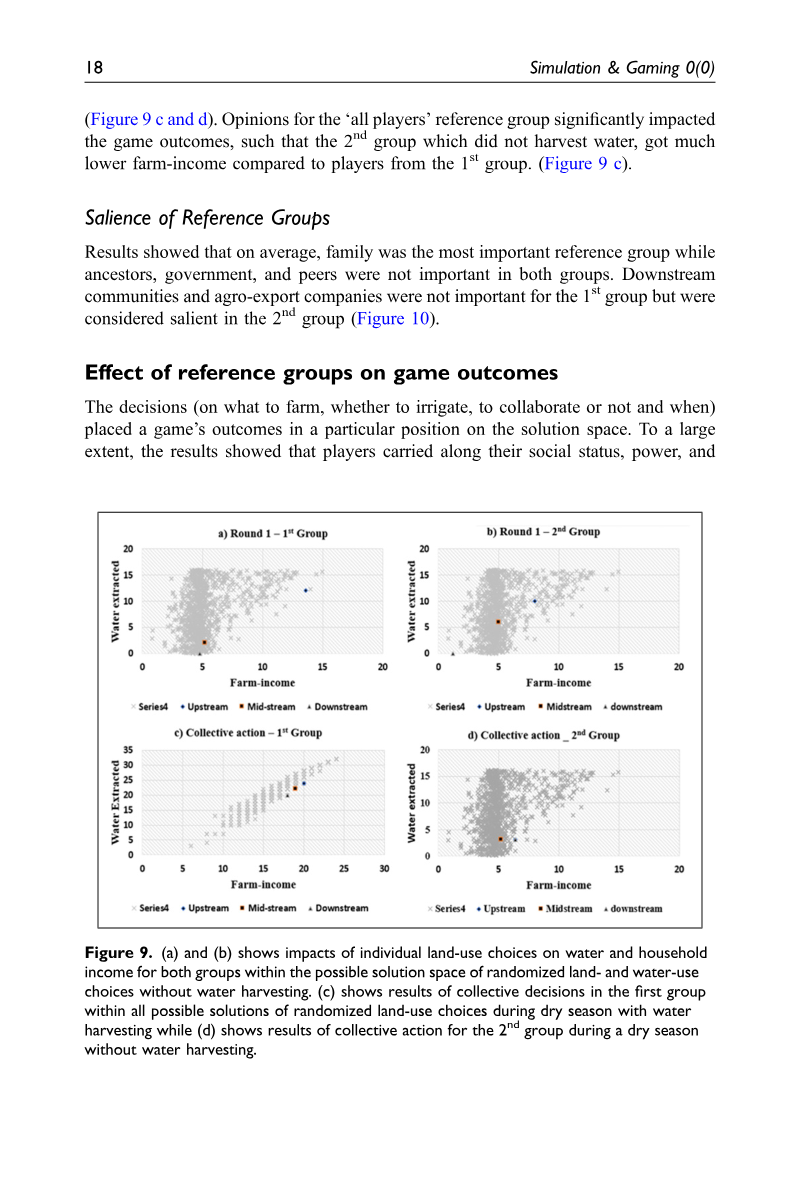
Collective Action for Sustainable Farmer Water Management: The Case of the KILIMO NA MAJI Serious Game
Wageningen University & Research · 2024
Whitepaper
Toward Realism: An Analysis of Coastal Environments in Open-World Video Games
Simulation & Gaming · 2024
Whitepaper
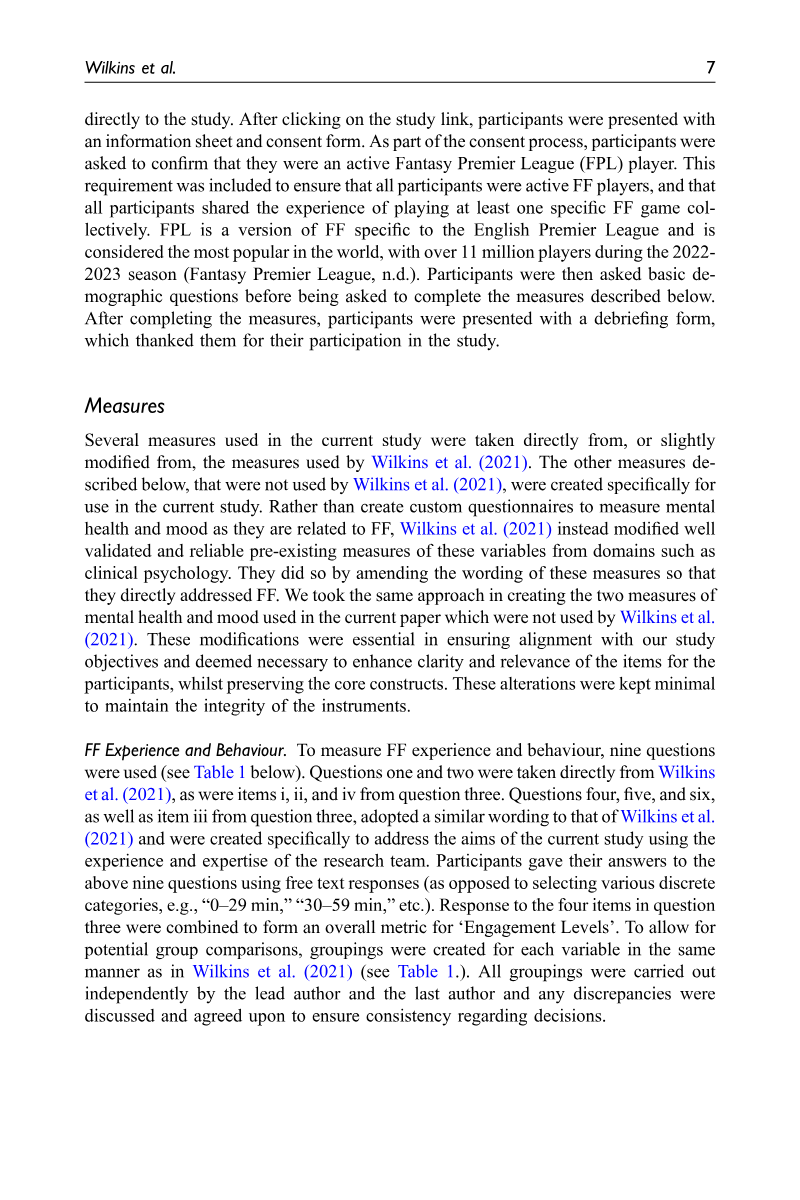
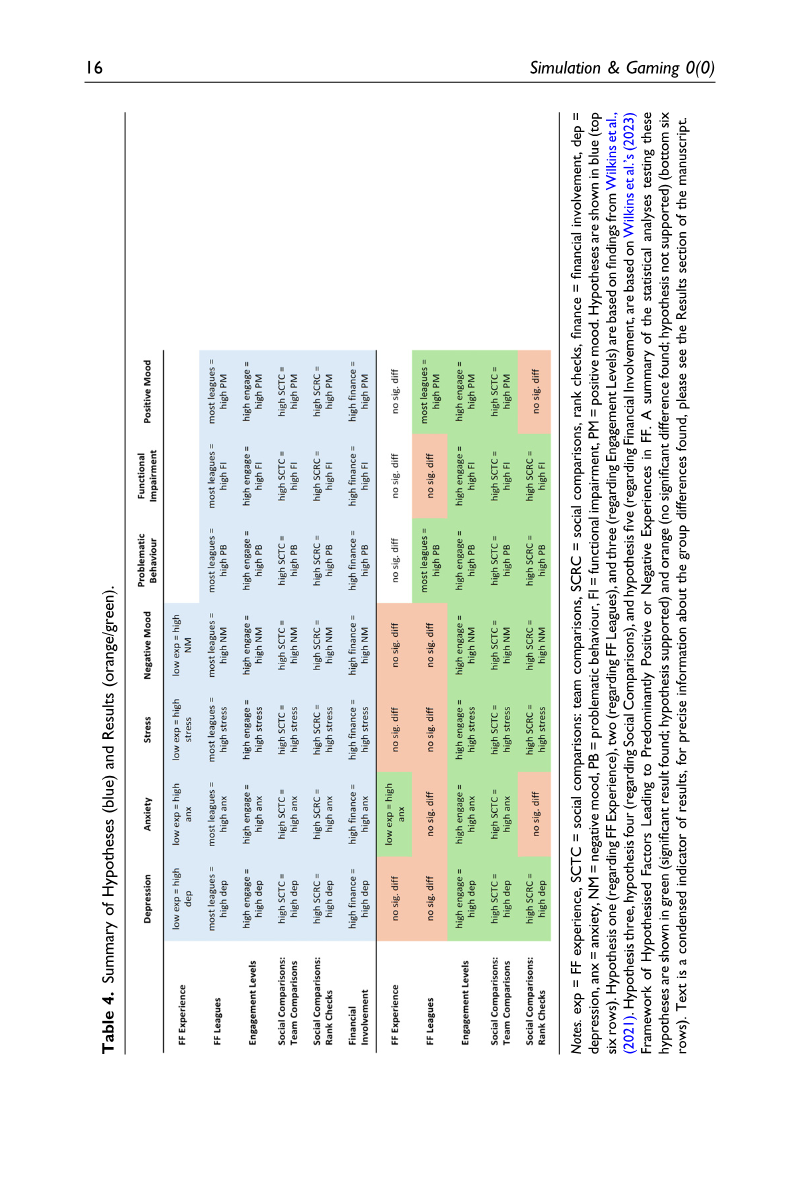
Exploring Fantasy Football Involvement and Mental Health
Simulation & Gaming · 2024
Article
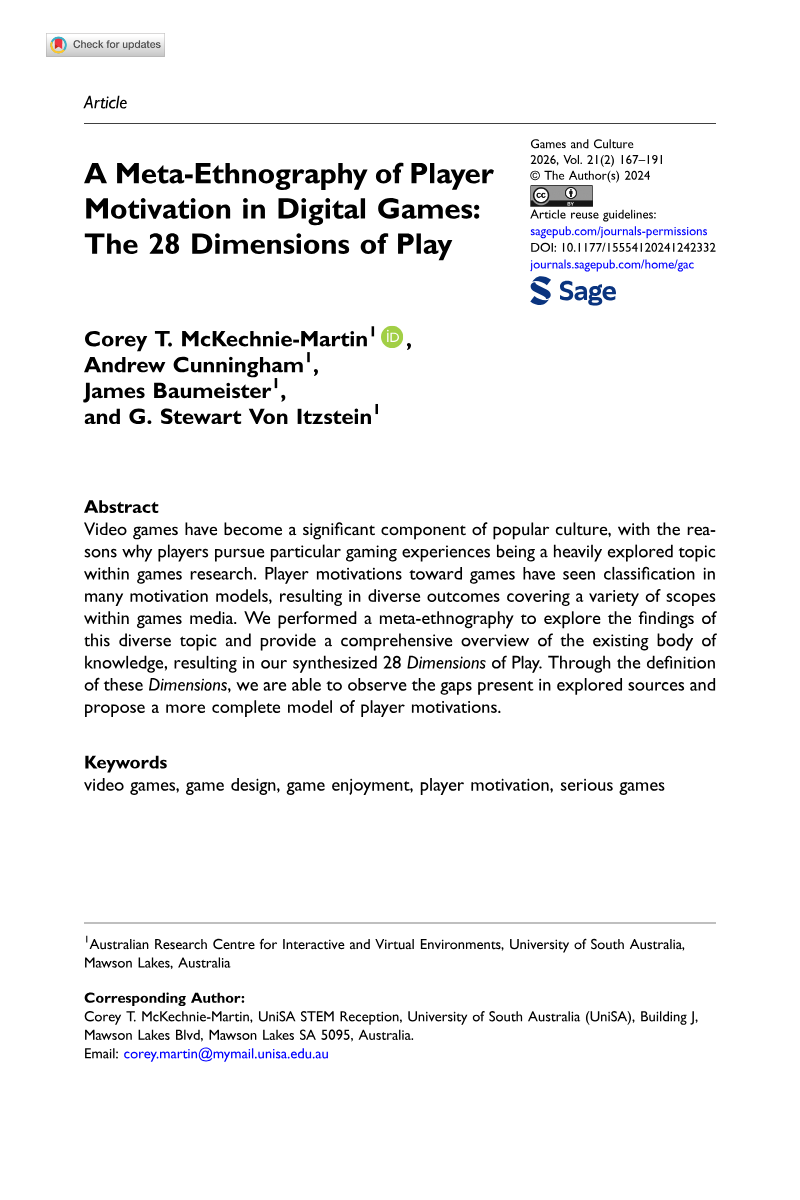
Motivation in Digital Games: The 28 Dimensions of Play
Games and Culture · 2024
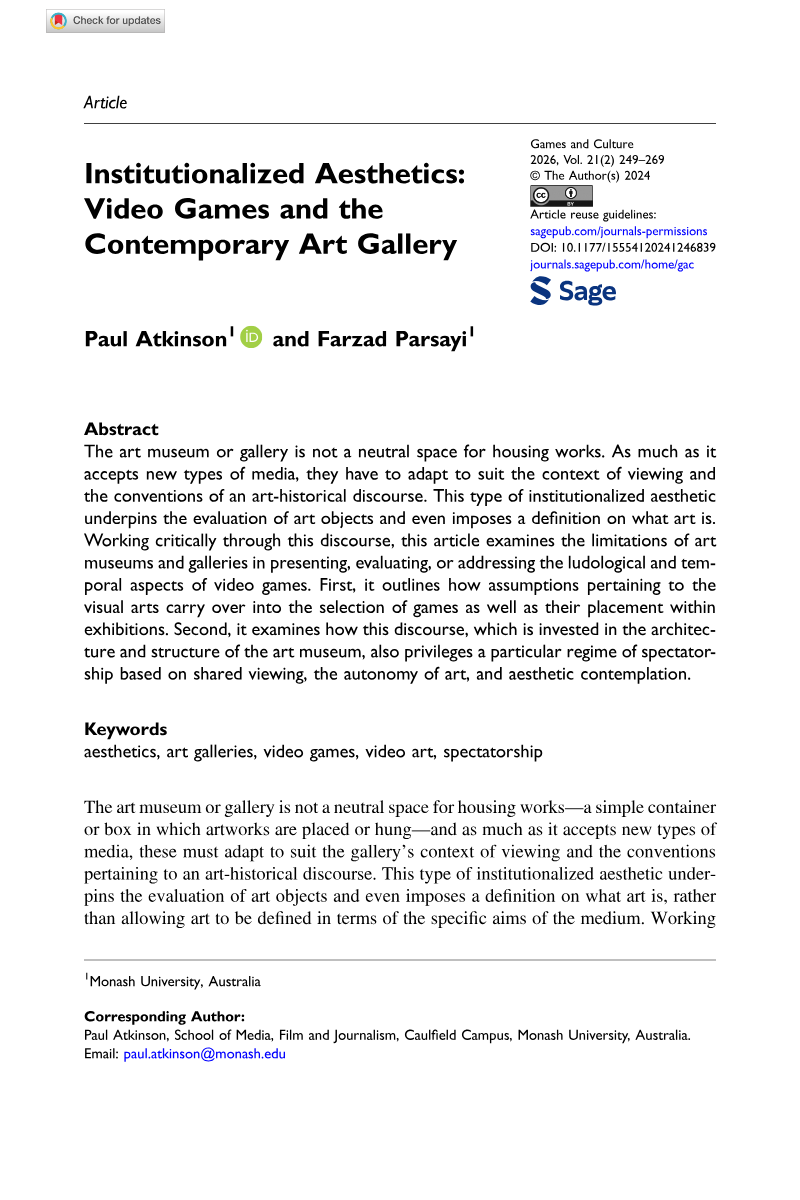
Article
Video Games and the Contemporary Art Gallery
Games and Culture · 2024
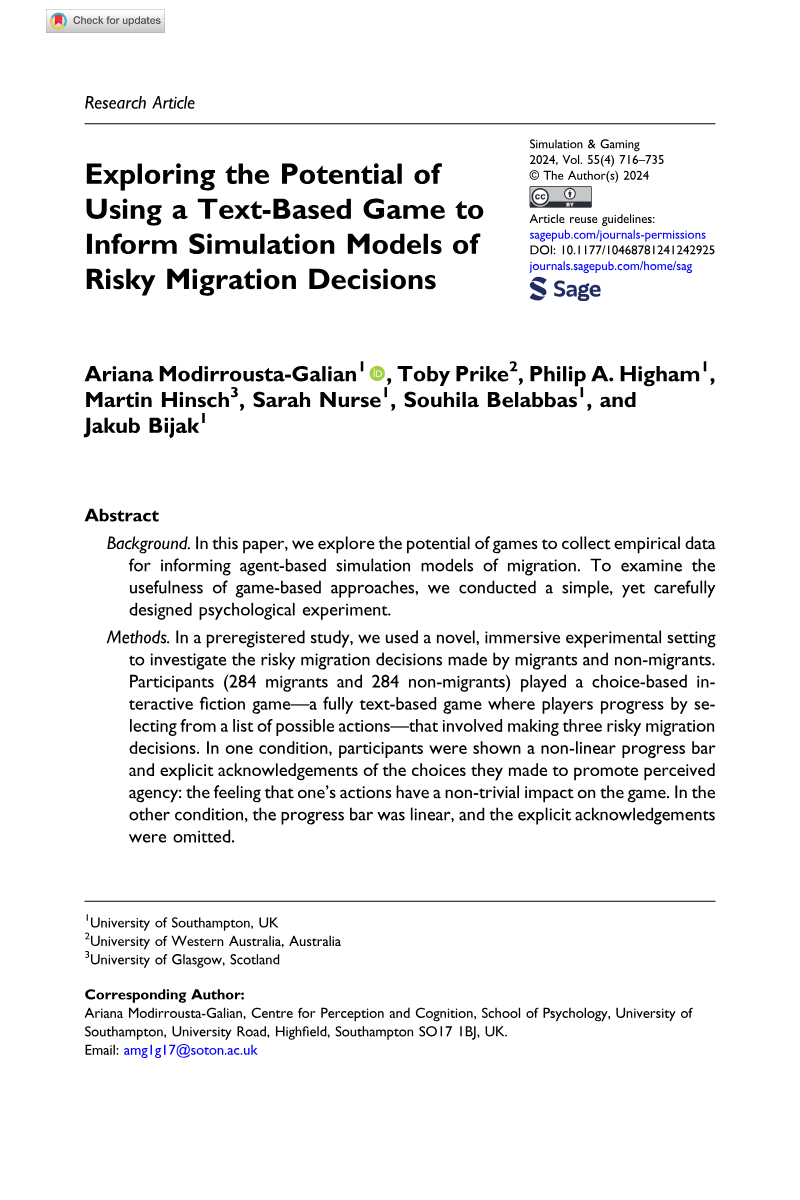
Article
Using a Text-Based Game to Inform Simulation Models of Risky Migration Decisions
Simulation & Gaming · 2024
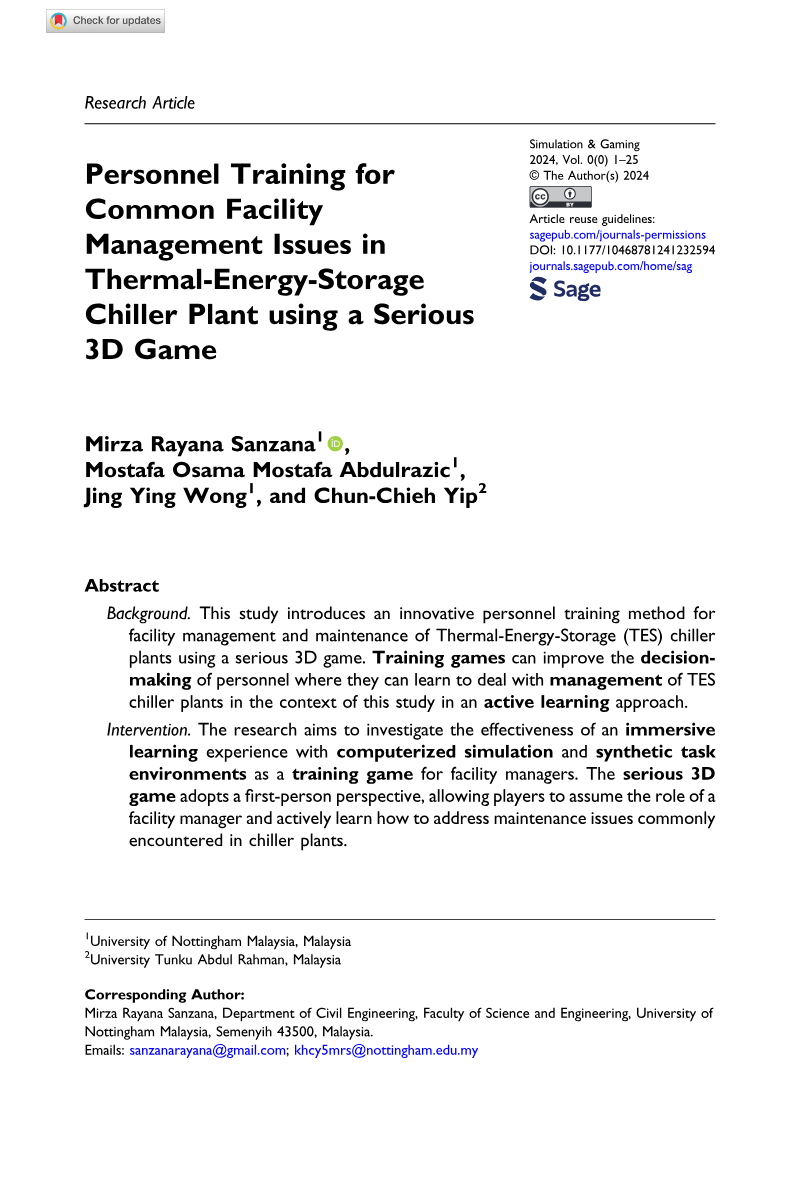
Article
Common Facility Management Issues in Thermal-Energy-Storage Chiller Plant Using a Serious 3D Game
Simulation & Gaming · 2024
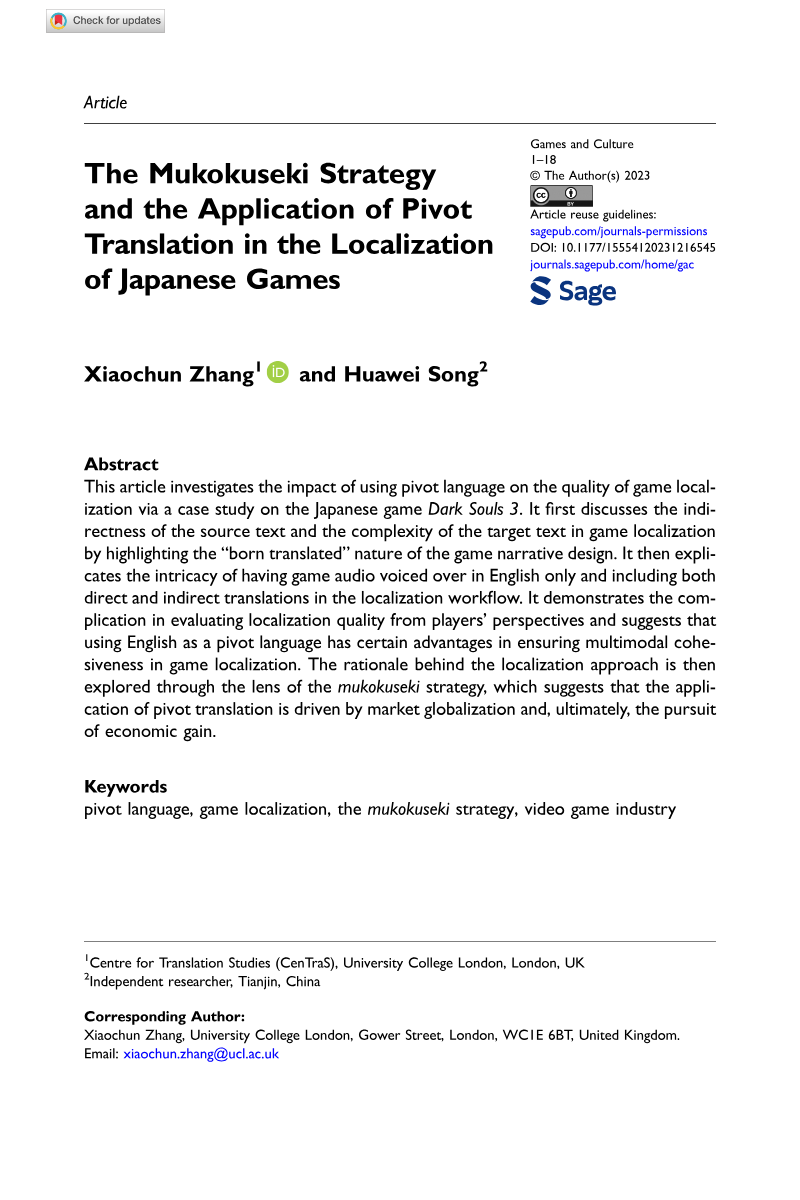
Article
The Mukokuseki Strategy and the Application of Pivot Translation in the Localization of Japanese Games
Games and Culture · 2023
Whitepaper
Communication Challenges in Social Board Games
Simulation & Gaming · 2023