
ArticleShannon Liao
We Kicked the Year Off at CES to See What the AI Hype Was All About
15 Jan 20251 pages~3 min full read
The 2025 Consumer Electronics Show (CES) in Las Vegas served as a focal point for evaluating the current state of artificial intelligence and its intersection with consumer technology. The event highlighted the transformation of Nvidia from a specialized gaming hardware manufacturer into a dominant global tech entity, evidenced by the intense public and media fervor surrounding CEO Jensen Huang. Despite the massive scale of the keynote, which drew thousands to a 12,000-seat stadium, the presentation faced mixed reactions, with some attendees departing early due to the dense focus on technical specifications and open-source coding.
Beyond the primary focus on AI and computing infrastructure, the event showcased the expanding integration of haptic and interactive technology within the gaming ecosystem. A notable trend involves the development of peripherals that synchronize physical feedback with in-game events, such as controller attachments that react to specific gameplay actions in titles like Rocket League. This segment of the industry, often categorized under sex tech, has established a consistent presence at the convention, demonstrating increasingly sophisticated connectivity between digital entertainment and physical hardware.
The observations reflect a broader industry shift where gaming-adjacent technologies are becoming more deeply embedded in consumer lifestyle products. While the hype surrounding AI remains a central theme for major hardware providers, the practical applications on the show floor suggest a diverse landscape ranging from high-level enterprise computing to niche, interactive consumer peripherals. The event underscores the evolving relationship between major tech corporations and their audiences, as companies navigate the transition from specialized hardware providers to central figures in the global technology discourse.
Shannon Liao · 2026

Shannon Liao · 2026
Shannon Liao · 2026

Shannon Liao · 2026
Shannon Liao · 2026
Shannon Liao · 2026

Shannon Liao · 2026
Shannon Liao · 2026

Shannon Liao · 2026

Shannon Liao · 2025

Shannon Liao · 2025

Shannon Liao · 2025
Sensor Tower · 2026
SocialPeta · 2026
GDC · 2026
BITKRAFT Ventures · 2026
Raptive · 2026
InvestGame · 2026
InvestGame · 2026

SocialPeta · 2026
Adjust · 2026

SocialPeta · 2025
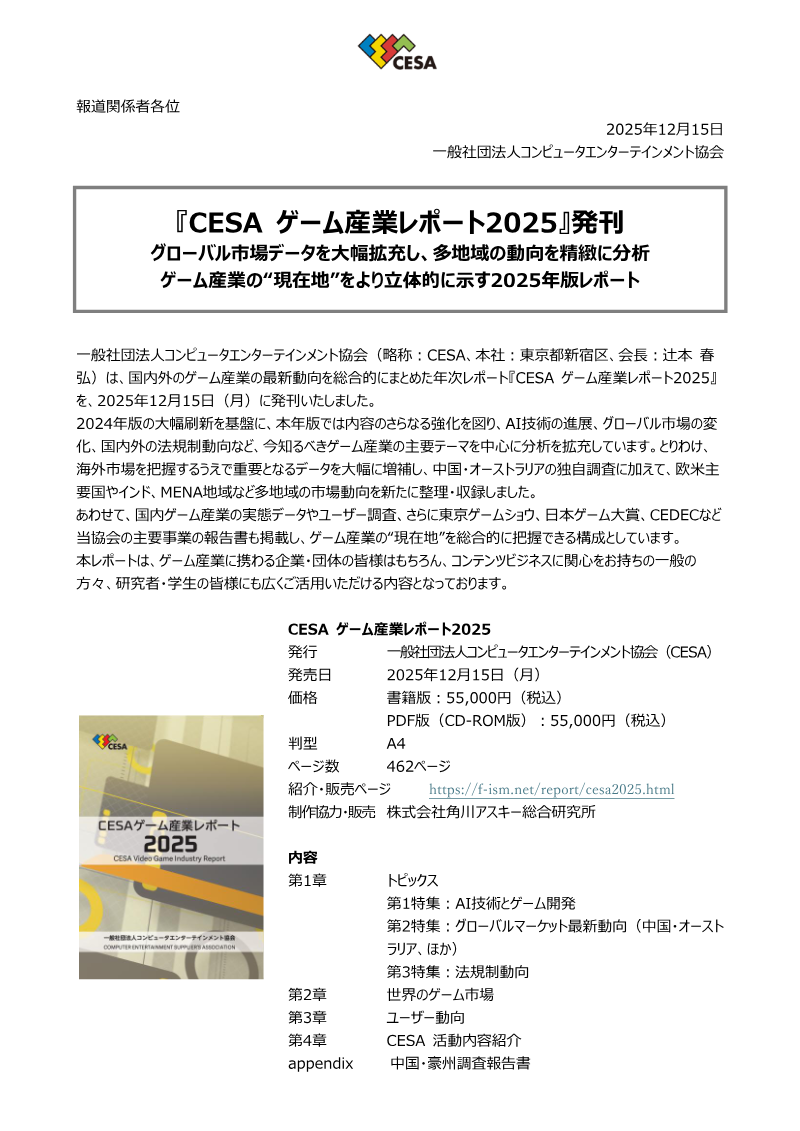
CESA – Computer Entertainment Supplier's Association · 2025
AlixPartners · 2025