The European gaming industry is currently undergoing a significant transition, moving away from a decade of rapid, acquisition-led growth toward a period defined by operational discipline and sustainable engagement. After scaling from approximately 6.3 billion in 2015 to a peak of nearly 20 billion by 2023, the market has experienced a slight contraction to 18.0 billion. This shift reflects a broader economic reality where tightening capital flows and normalized demand necessitate a move toward differentiated content and leaner business models.
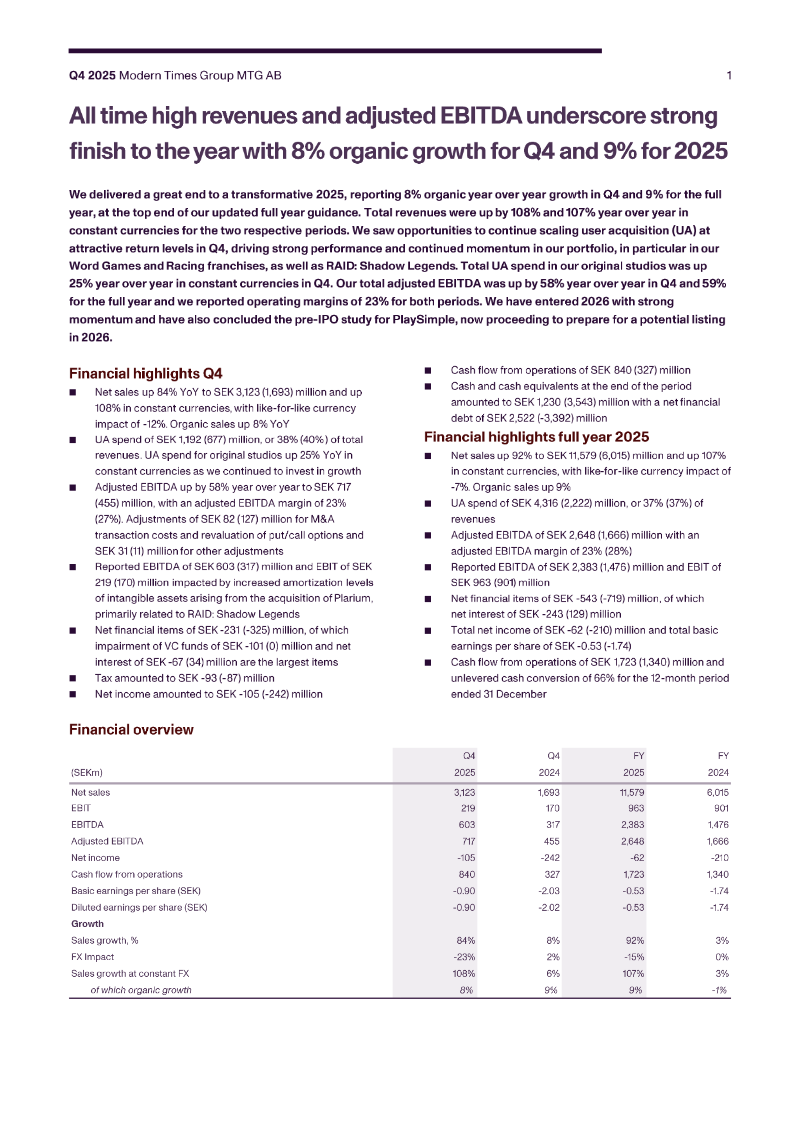
To navigate this inflection point, major European publishers are adopting distinct strategic paths. CD Projekt exemplifies a recovery model, having successfully rebuilt fan trust and achieved high profitability through early cost discipline and internal reform following the troubled launch of its flagship title. Conversely, Ubisoft represents a restructuring phase, characterized by significant layoffs and a reliance on legacy intellectual property to maintain revenue while attempting to avoid privatization. Meanwhile, Modern Times Group illustrates a model of reinvention, utilizing a hybrid structure that balances studio autonomy with strict oversight on capital allocation and marketing efficiency to maintain strong profit margins.
The industry’s long-term competitiveness in Europe depends on its ability to leverage unique regional strengths, such as diverse talent pools and cultural capital, rather than relying on aggressive consolidation. While some firms have successfully adapted to these pressures, the sector faces ongoing challenges from global competition and the rising costs of growth. Ultimately, the transition highlights that while structural adjustments and financial discipline are essential for survival, they cannot compensate for a lack of high-quality, engaging content.