1 free read left. Create a free account for unlimited reading + AI research.
Create free accountArticle DiGRA
1 free read left. Create a free account for unlimited reading + AI research.
Create free accountArticleDiGRA
A game earns this status when players, not just their avatars, feel responsible for in-game choices. Its ethical framework must also be explicit enough to examine and challenge.
Ethically notable videogames are those that prompt players to reason and reflect on moral questions, typically through dilemmas that engage them both emotionally and intellectually. The central argument holds that a game earns this status when it makes players, rather than merely their avatars, feel personally responsible for in-game choices, and when it makes an ethical framework explicit enough for players to examine and challenge. Drawing on the perspectives of artifact value, business practices, play ethics, and in-game frameworks, the analysis situates game ethics as a multifaceted field in which design decisions carry real moral weight.
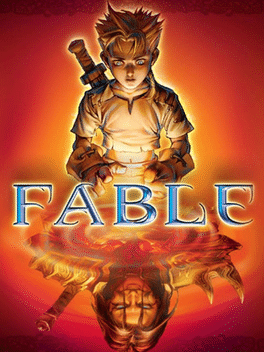
Three case studies anchor the discussion: Ultima IV, Manhunt, and Fire Emblem: Radiant Dawn, with Fable and Jedi Knight: Dark Forces II serving as additional examples. Ultima IV's notorious "children's room" dilemma is treated as a key illustration of how a dilemma can provoke strong player investment. Playtester responses, however, largely aligned with the virtue-based character assignments built into the game, suggesting that players often internalize the designer's ethical system rather than independently questioning it. This points to a recurring requirement: ethical notability depends on consistent, discernible frameworks and on dilemmas that players genuinely experience as moral rather than as ordinary difficult gameplay decisions.
The analysis is notably critical of how many games fall short of this potential. Choices frequently feel arbitrary, consequences are minimal, and players operate as witnesses rather than participants in the moral drama. In Fable and Jedi Knight: Dark Forces II, light and dark alignment accumulates from hours of loosely related actions, and the Dark path often alters only a handful of plot elements. Such designs weaken the sense that moral decisions carry real stakes.
The overall conclusion is cautiously optimistic. Games are capable of encouraging ethical reflection through well-crafted moral tension, yet the medium has only begun to realize this capacity. Achieving it will require tighter coherence in ethical frameworks, consequences that meaningfully reflect player decisions, and a deeper sense of player agency within the dilemmas themselves.
DiGRA · 2020