1 free read left. Create a free account for unlimited reading + AI research.
Create free accountArticle Appcharge
1 free read left. Create a free account for unlimited reading + AI research.
Create free accountArticleAppcharge
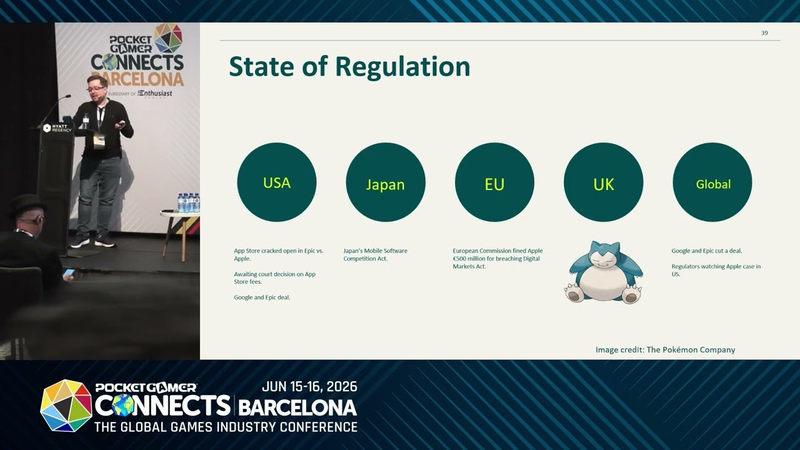
Following the withdrawal of the proposed settlement between Epic Games and Google, the judicial focus has shifted toward the strict enforcement of existing injunctions regarding the Google Play Store. A recent status conference presided over by Judge Donato in San Francisco signaled that the court intends to maintain a rigid timeline for compliance rather than allowing for open-ended negotiations or extensions. The court’s posture suggests a proactive approach to oversight, aiming to prevent any potential drift in Google’s adherence to the mandated remedies.
To ensure transparency and accountability, the court has implemented a new monthly reporting requirement. Google must now provide recurring data regarding the practical application of the injunction, specifically tracking the usage frequency of external link-outs and any associated fees. This shift from sporadic filings to a consistent, monthly review cycle allows the court to monitor compliance in real time. While external links in the United States currently remain at a 0% fee baseline, this heightened level of scrutiny makes it increasingly difficult for Google to implement changes or introduce fees without immediate judicial oversight.
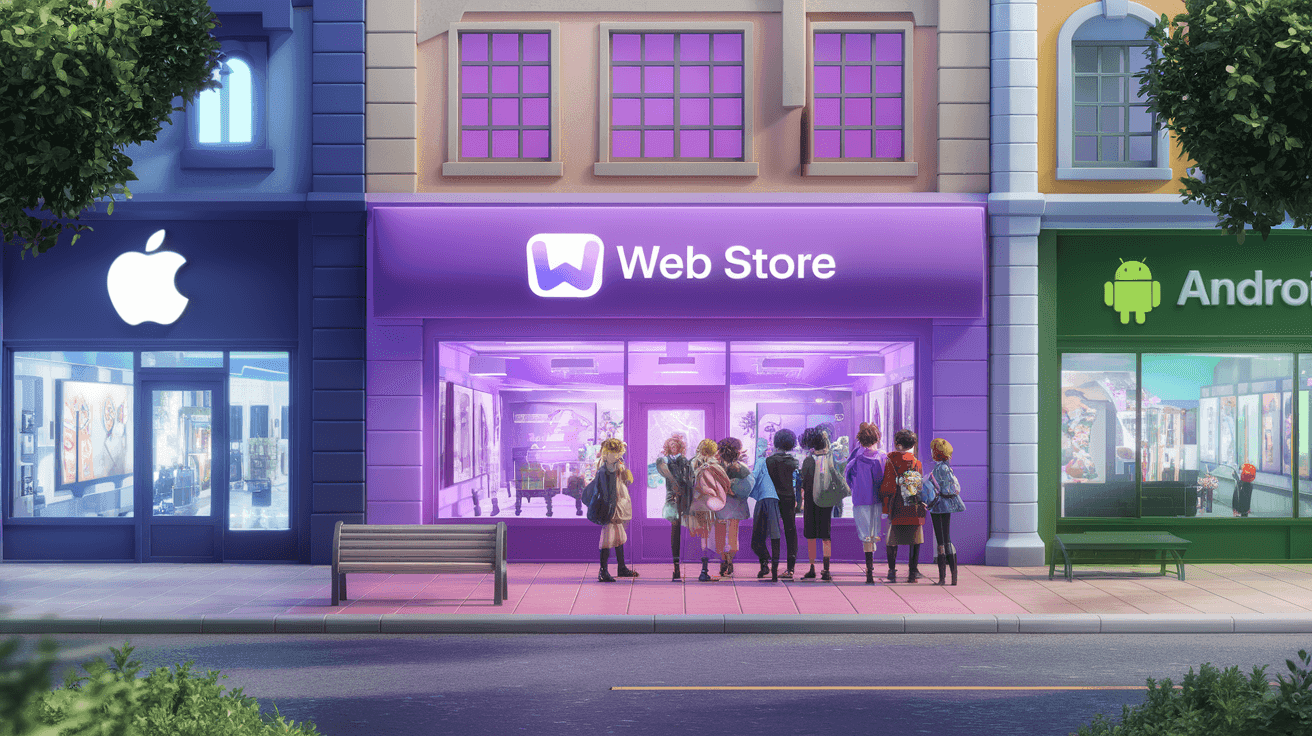
The broader implication for the mobile gaming industry is a period of sustained regulatory pressure on platform gatekeepers. The court has demonstrated a consistent pattern of resisting efforts to soften the impact of its rulings. Consequently, developers are encouraged to continue prioritizing direct-to-consumer (DTC) strategies, such as independent web stores. By operating through channels outside of the app ecosystem, publishers can maintain autonomy from the evolving regulatory landscape and the ongoing monitoring of platform-level payment policies.
Appcharge · 2025
Appcharge · 2024

Appcharge · 2024
Appcharge
Appcharge
Appcharge
Appcharge
Appcharge
Appcharge
Appcharge
Appcharge

Appcharge
Deconstructor of Fun · 2026