1 free read left. Create a free account for unlimited reading + AI research.
Create free accountArticle Appcharge
1 free read left. Create a free account for unlimited reading + AI research.
Create free accountArticleAppcharge
Developers must distinguish between frameworks like ECL, External Offers, and Billing Choice.
Key Challenge. Google Play's payment policies are complex and fragmented, driven by various factors.
The mobile gaming industry is currently navigating a complex and fragmented landscape of Google Play payment policies, driven by a combination of court orders, regional regulations, and internal corporate initiatives. As of August 2026, the primary objective for developers is to distinguish between the various frameworks—specifically the External Content Links (ECL) program in the United States, the External Offers Program in the European Economic Area (EEA), and the global Billing Choice Program—to optimize monetization and reduce platform dependency.
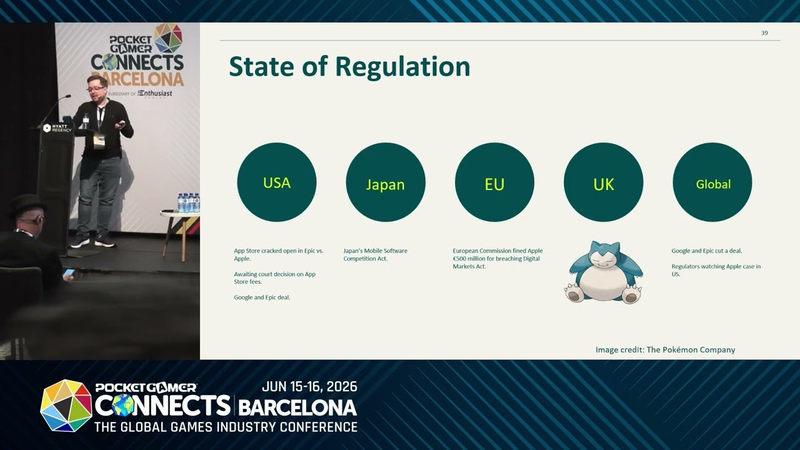
The regulatory environment varies significantly by region. In the United States, the ECL framework currently allows for external payment links at a 0% fee, though Google has proposed a fee structure for October 2026 that remains subject to legal uncertainty. In the EEA, developers must choose between the External Offers Program, which prohibits native Google Play Billing, and the Billing Choice Program, which mandates side-by-side billing with Google’s native system. Both EEA programs generally impose a 20% fee on most purchases and 10% on subscriptions. Meanwhile, the UK has adopted the Billing Choice Program, introducing external linking options for the first time in that market.
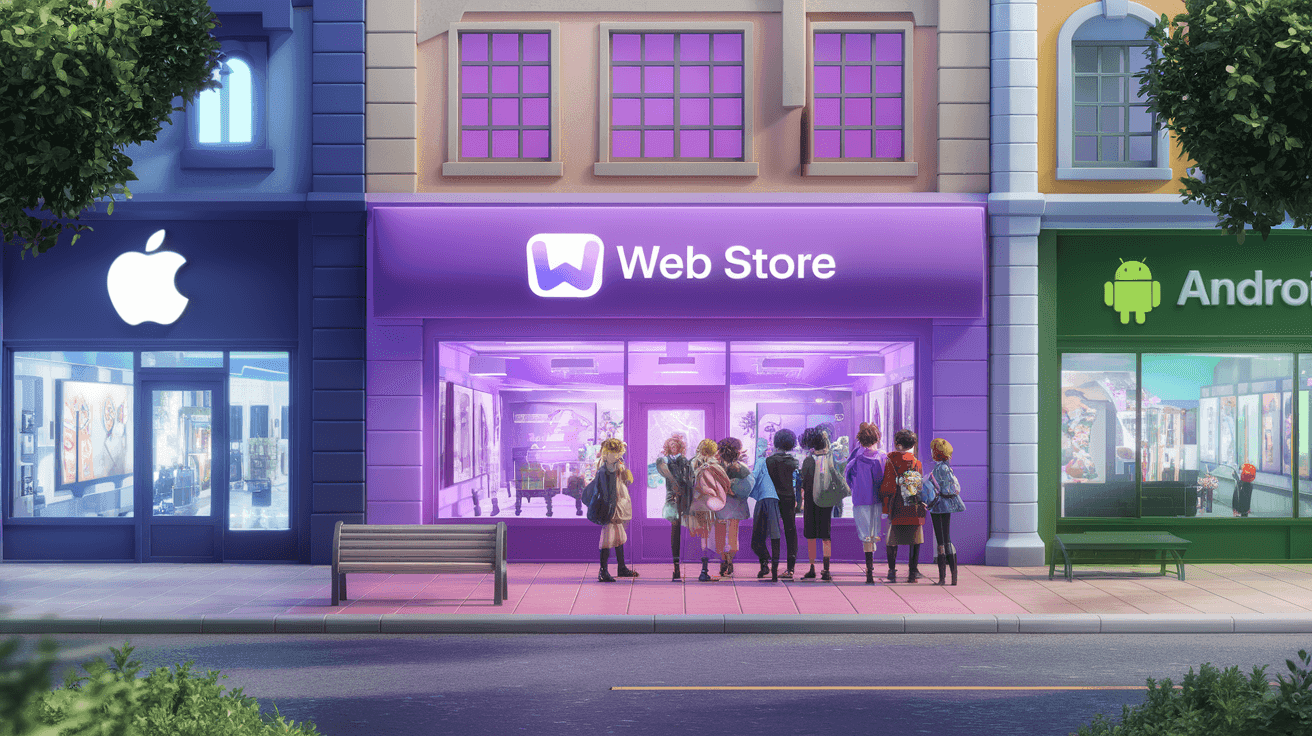
Because these programs are subject to shifting legal and regulatory pressures, the overarching recommendation for publishers is to prioritize the development of independent web stores. By establishing direct-to-consumer (DTC) channels, developers can bypass platform-controlled infrastructure and mitigate the risks associated with unilateral policy changes. While external linking provides a temporary opportunity to lower costs, long-term stability relies on owning the direct relationship with players through infrastructure that remains outside the reach of platform-imposed fee structures and compliance requirements.
Appcharge · 2025
Appcharge · 2024
Appcharge · 2024
Appcharge
Appcharge
Appcharge
Appcharge
Appcharge
Appcharge
Appcharge
Appcharge

Appcharge
Digital Dragons · 2026