1 free read left. Create a free account for unlimited reading + AI research.
Create free accountArticle Appcharge
1 free read left. Create a free account for unlimited reading + AI research.
Create free accountArticleAppcharge
72% of top-grossing mobile games currently operate a web store.
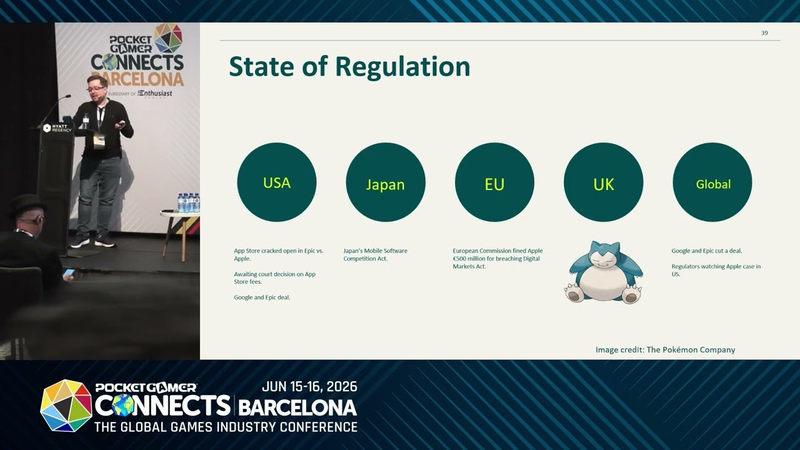
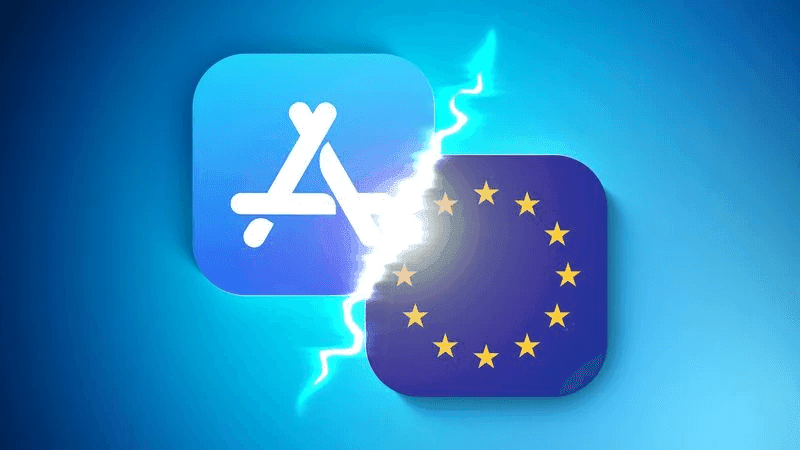
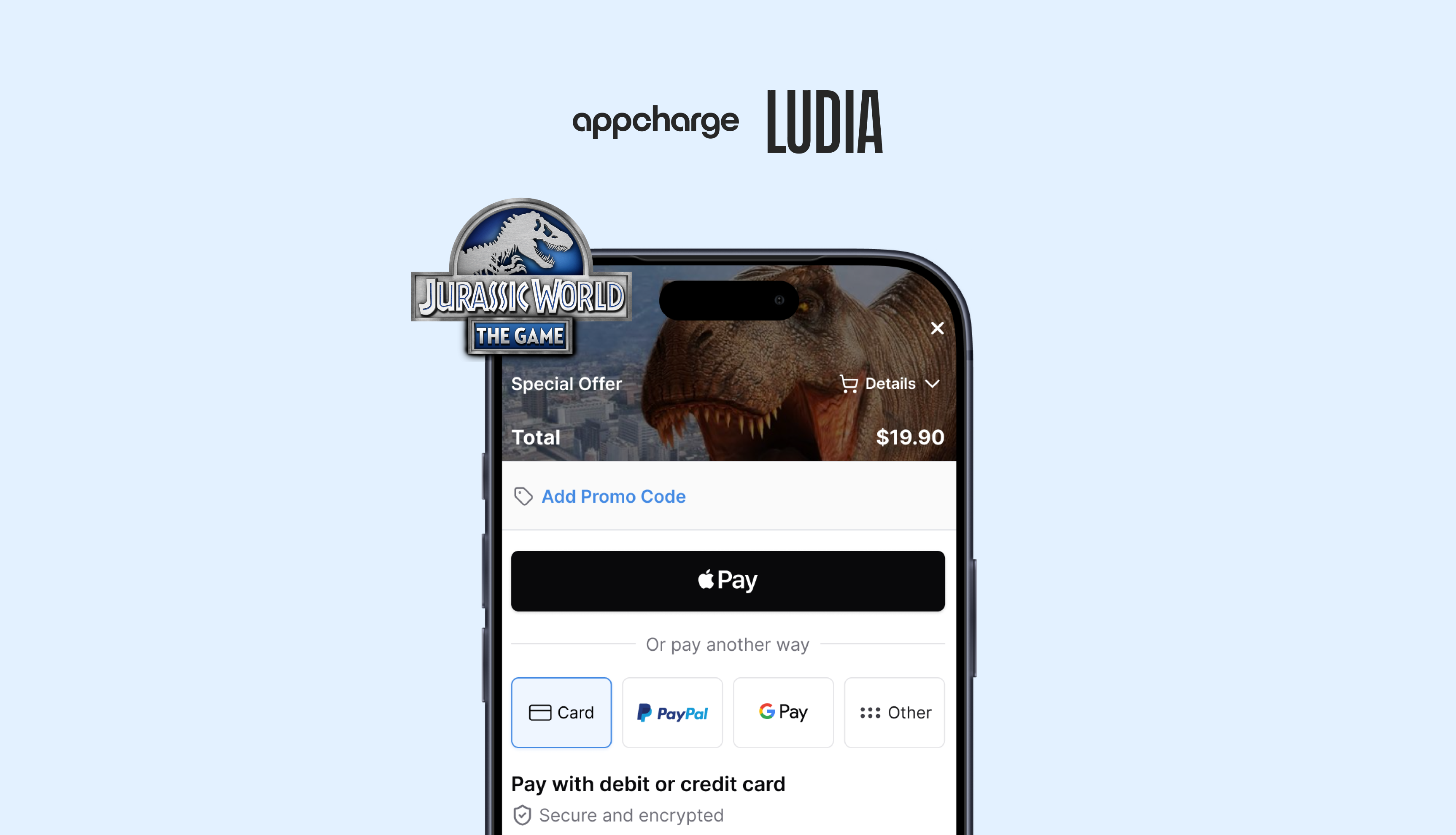
The mobile gaming industry is increasingly shifting toward direct-to-consumer (DTC) monetization through web stores, a trend driven by evolving antitrust regulations and the desire for higher profit margins. By analyzing the top-grossing iOS games in the United States as of August 2024, the research reveals that 72% of these titles have implemented web stores to bypass traditional platform fees, which typically hover around 30% compared to the 3–4% processing fees associated with DTC platforms.
Adoption rates vary significantly by genre, reflecting differences in average revenue per user (ARPU) and player behavior. Social casino games lead the market with a 100% adoption rate, benefiting from high-spending player bases and established VIP loyalty programs. Strategy games follow with 80% adoption, while action games maintain a 75% rate. In contrast, casual games show a lower adoption rate of 30%. This disparity is attributed to the casual genre's reliance on impulsive, low-value transactions, which are better served by the frictionless in-app purchase experience than by the external login requirements of a web store.
Financial data from major publishers underscores the viability of this strategy. For instance, Playtika reported that DTC revenue accounted for nearly 25% of its total revenue in 2023, while Huuuge Games saw its DTC revenue share rise to 10.1% in the first half of 2024. The findings suggest that while the transition to web stores presents unique challenges for casual titles, it has become a standard, high-impact monetization pillar for high-ARPU genres. As technical solutions continue to reduce user friction, the industry is expected to see further integration of web stores as a core component of sustainable mobile game growth.
Appcharge · 2025

Appcharge · 2024

Appcharge

Appcharge

Appcharge
Appcharge
Appcharge
Appcharge

Appcharge

Appcharge
Appcharge

Appcharge
PocketGamer.biz · 2026