The recent layoffs at Epic Games serve as a primary case study for the broader decline of American cultural and commercial dominance in the interactive entertainment industry. The analysis posits that the era of US-based firms setting the global standard for gaming is waning due to a combination of stagnant product-market fit, the exhaustion of the live-service model, and an increasingly hostile economic environment. While Epic Games’ flagship title, Fortnite, has struggled to maintain growth despite high-profile intellectual property collaborations, the company has simultaneously incurred significant financial losses through prolonged legal battles with platform gatekeepers.
Data indicates a widening disparity in value capture between platform holders and content creators. Over the decade leading to 2025, platform revenue from digital storefronts and app stores surged by 191%, reaching $41 billion, while game publisher revenue grew by a more modest 98% to $128 billion. This shift, coupled with rising domestic costs—including hardware price hikes and restrictive visa policies—has eroded the competitive advantage of American developers. Furthermore, a sample of recent layoffs at Epic Games reveals a significant loss of senior creative talent, suggesting a long-term impact on the company’s ability to innovate.
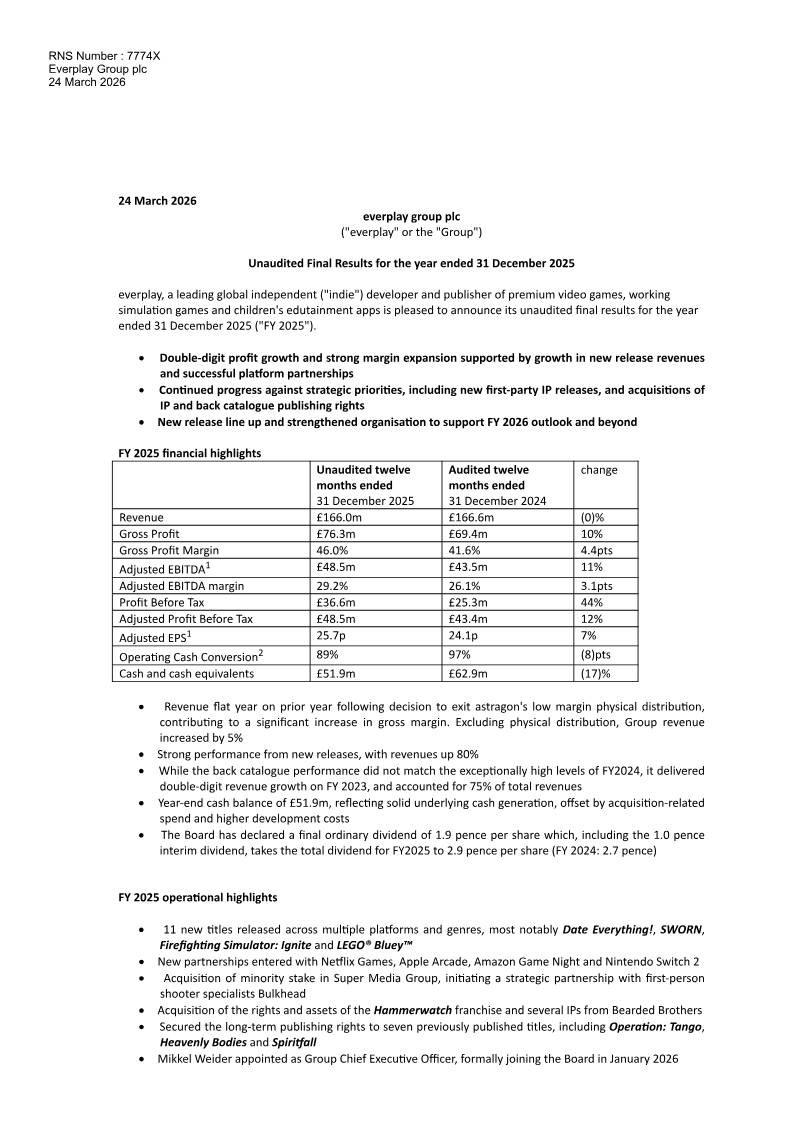
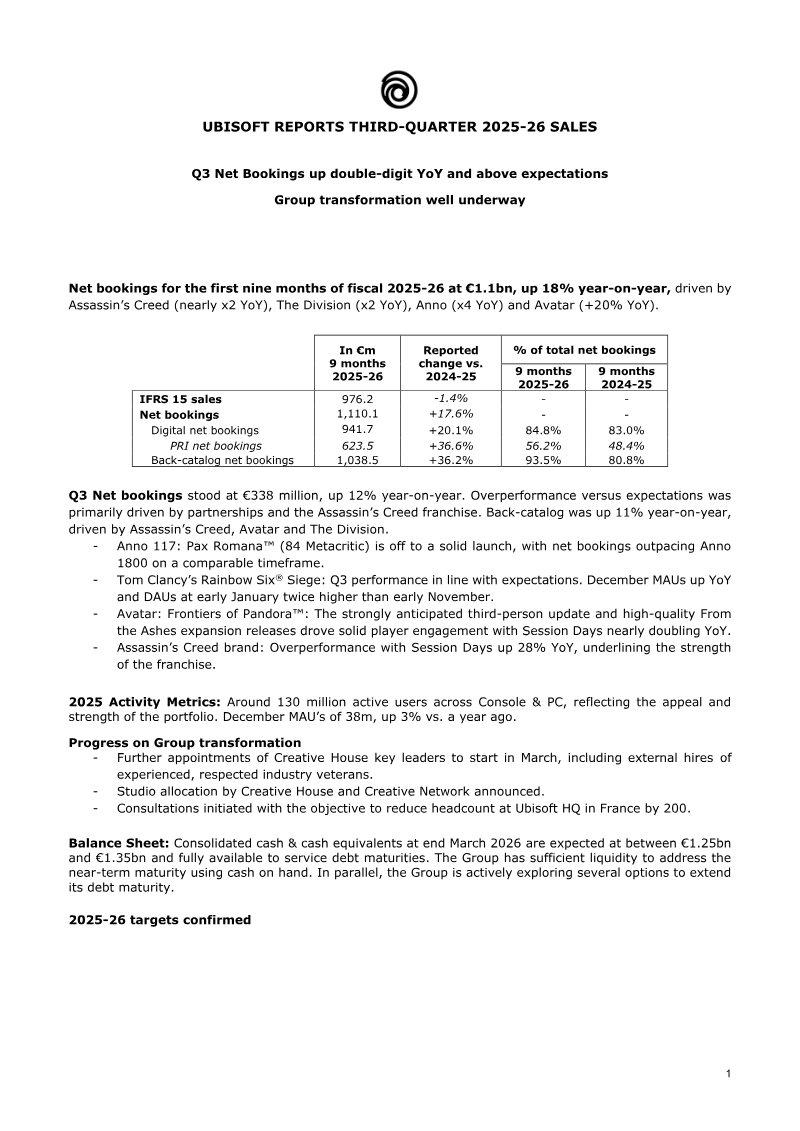
In contrast, international markets in Europe, Asia, and India are demonstrating greater resilience and growth, with publicly traded game makers in these regions outperforming their American counterparts in 2025. These emerging studios are often more agile and willing to integrate new technologies, such as generative AI, which Western industry culture has largely resisted. Ultimately, the industry is witnessing a structural hollowing out of American influence, as the platforms that once enabled domestic success now prioritize their own revenue extraction over the health of the creative ecosystem.