1 free read left. Create a free account for unlimited reading + AI research.
Create free accountFinancial report Nippon Ichi Software
1 free read left. Create a free account for unlimited reading + AI research.
Create free accountFinancial reportNippon Ichi Software
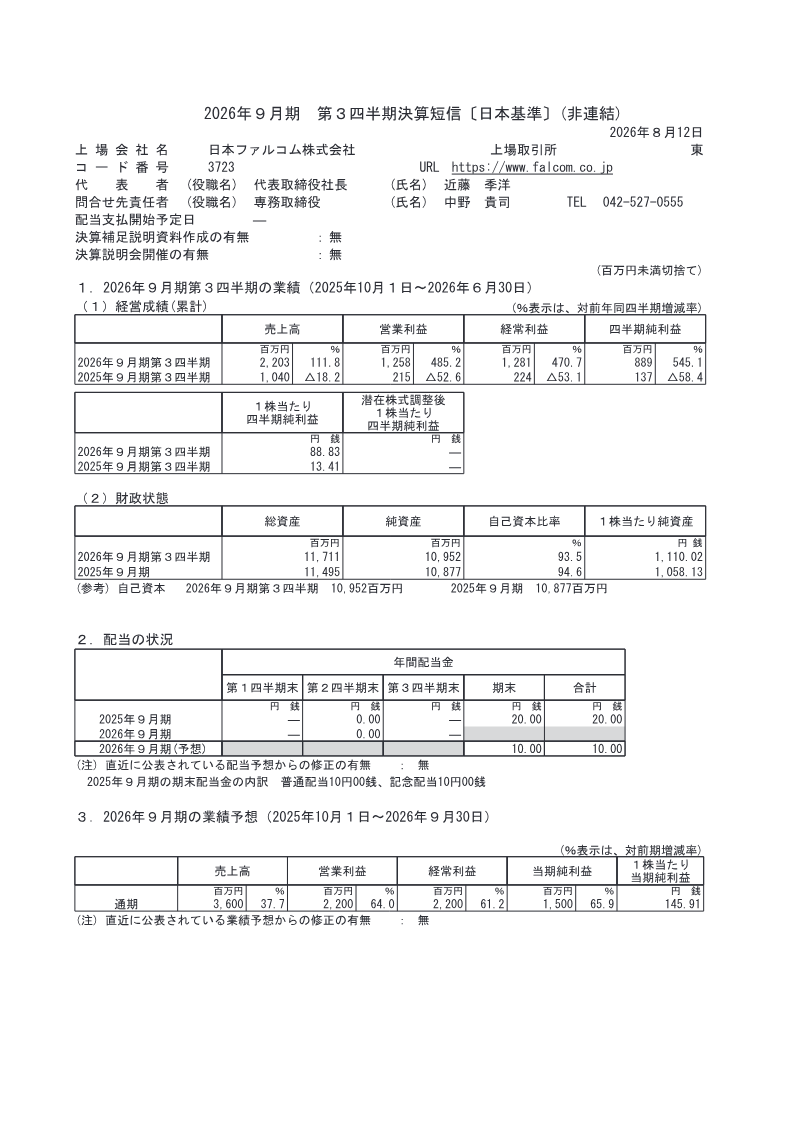
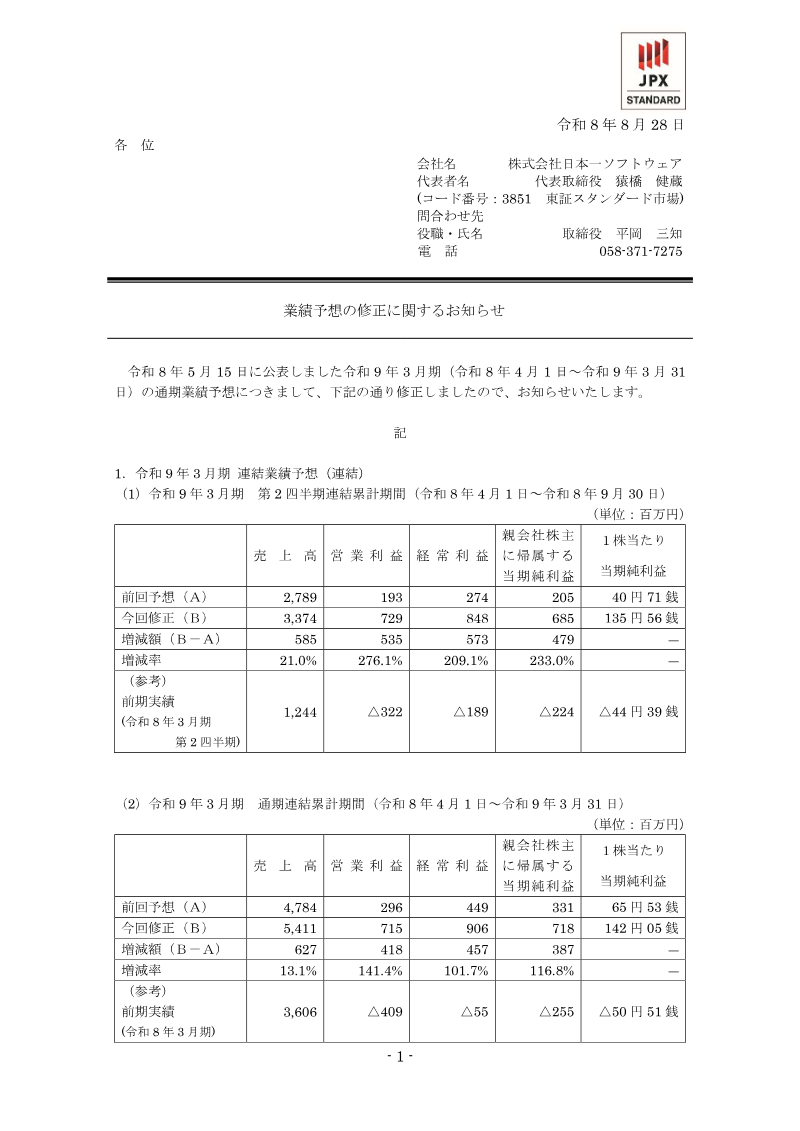
Nippon Ichi Software’s financial results for the third quarter of the fiscal year ending March 2016 demonstrate significant growth in profitability compared to the same period in the previous year. Covering the nine-month period from April 1, 2015, to December 31, 2015, the report highlights a consolidated net sales figure of 2.76 billion yen, representing a modest 0.9% increase year-over-year. Despite the marginal revenue growth, the company achieved substantial gains in operational efficiency, with operating profit rising by 108.3% to 405 million yen and ordinary profit increasing by 92.8% to 421 million yen. Net income attributable to owners of the parent reached 211 million yen, more than doubling the 104 million yen recorded in the prior year's third quarter.
The company’s operations are categorized into four segments: package software, online business, licensing, and other business. The package software segment, which released 16 titles globally, generated 1.93 billion yen in sales and 255 million yen in operating profit. The online business segment contributed 672 million yen in sales and 354 million yen in operating profit, driven by digital distribution and content delivery via the PlayStation Network. The licensing segment and other business activities provided smaller contributions, with the latter reporting a minor operating loss of 5.4 million yen.
The financial position remains stable, with total assets reaching 3.4 billion yen by the end of the third quarter, an increase of 279 million yen from the end of the previous fiscal year. This growth was primarily supported by an increase in investment securities and work-in-progress assets. The company maintains a solid equity ratio of 69.3%. Based on these results and the anticipated performance of titles scheduled for the fourth quarter, the company revised its full-year earnings forecast to reflect the improved profitability observed during the first nine months of the fiscal year.
Each row is a game or company this document names, each column a document, oldest first. A mark means that document names it. Select a row to see those documents.
Nippon Ichi Software · 2026
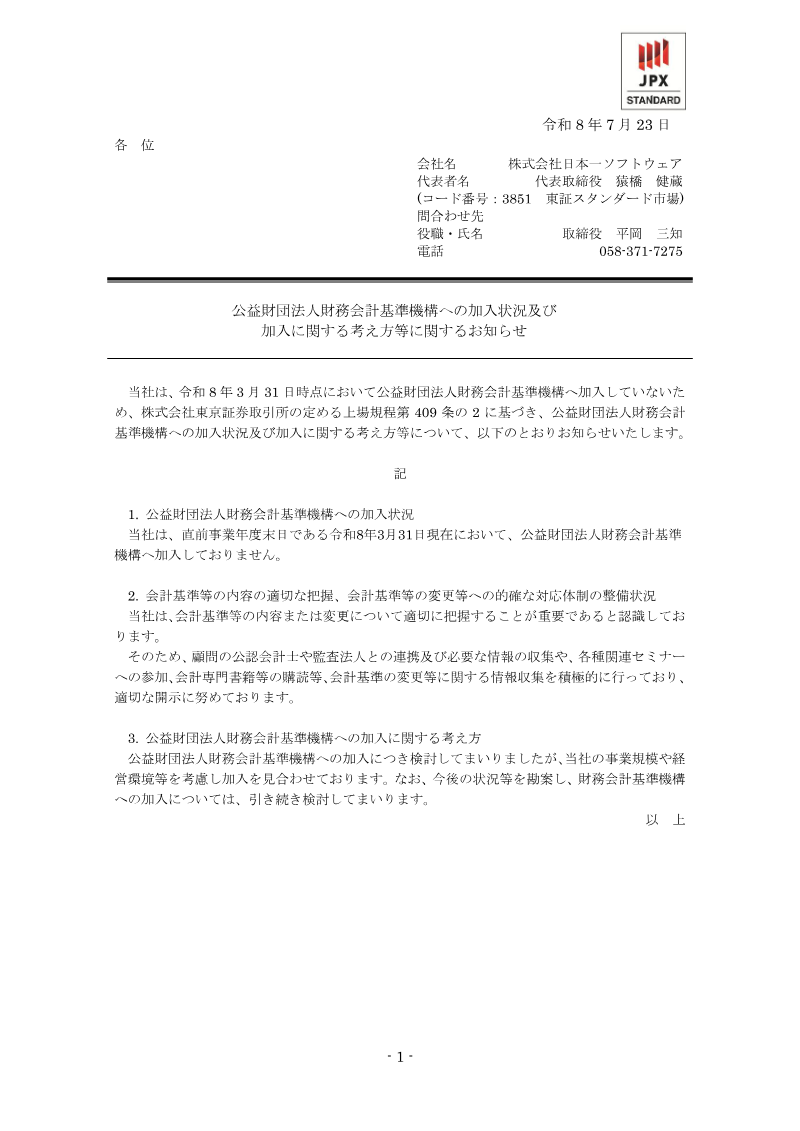
Nippon Ichi Software · 2026
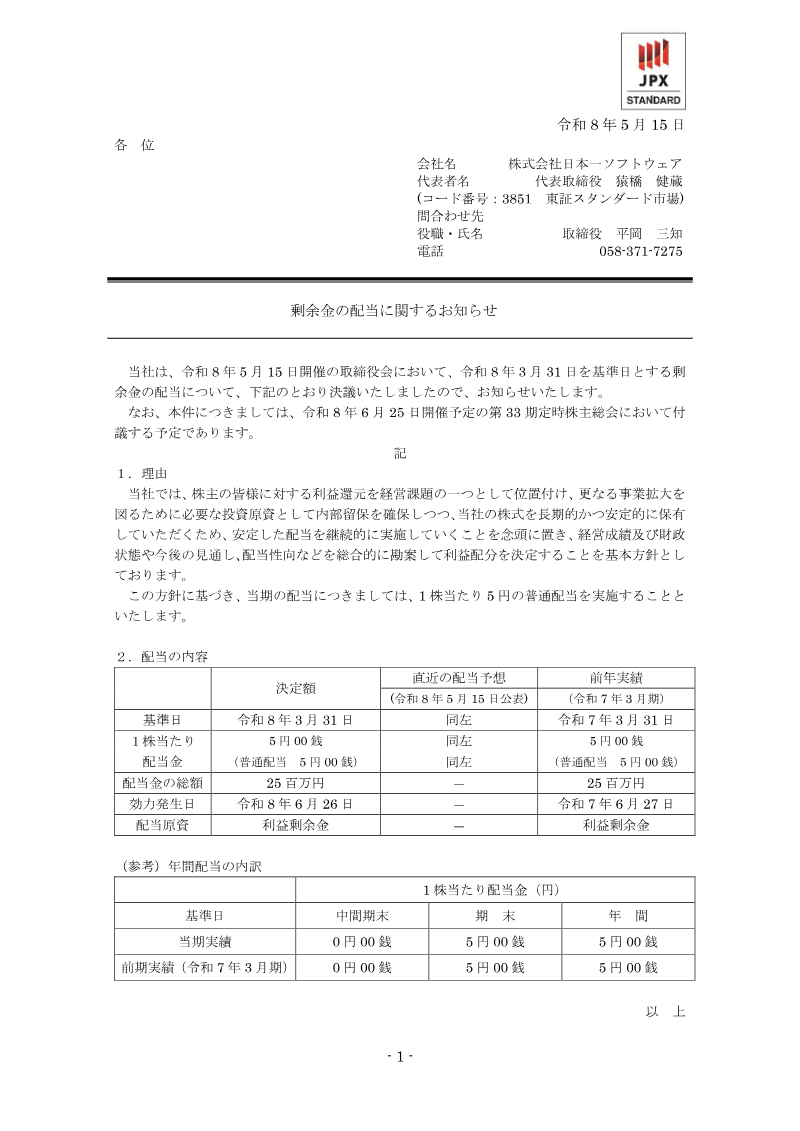
Nippon Ichi Software · 2026
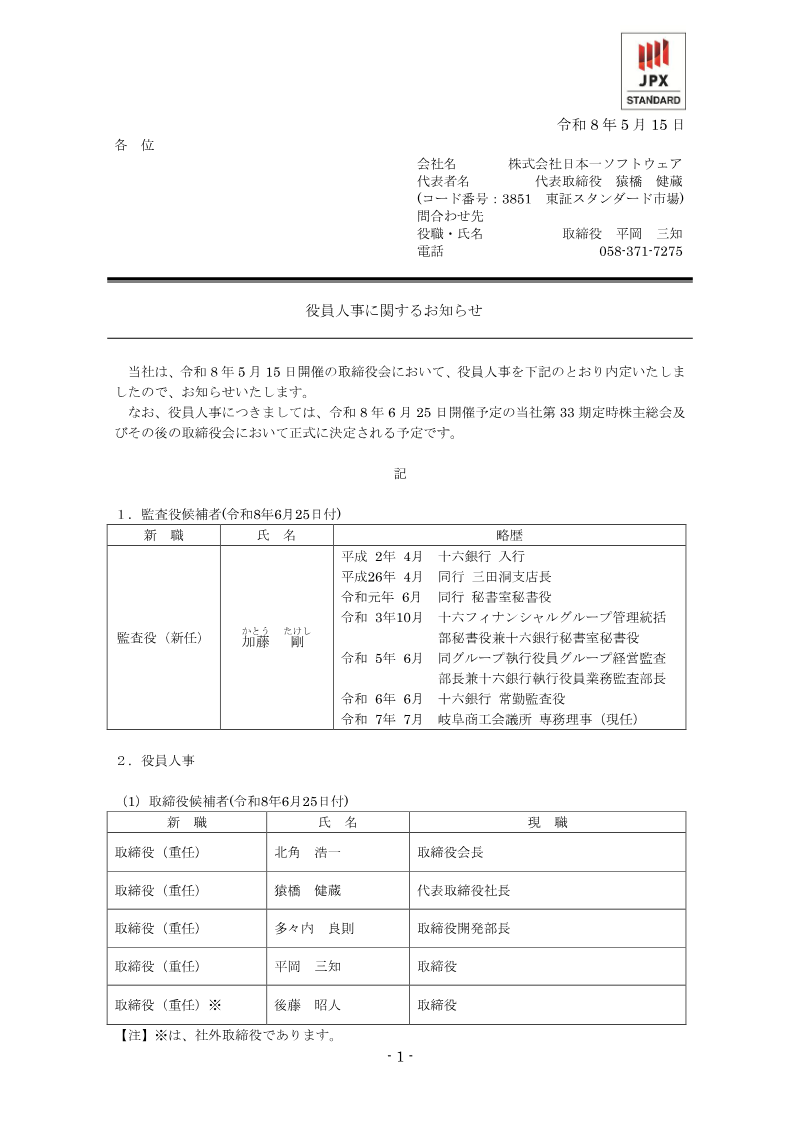
Nippon Ichi Software · 2026
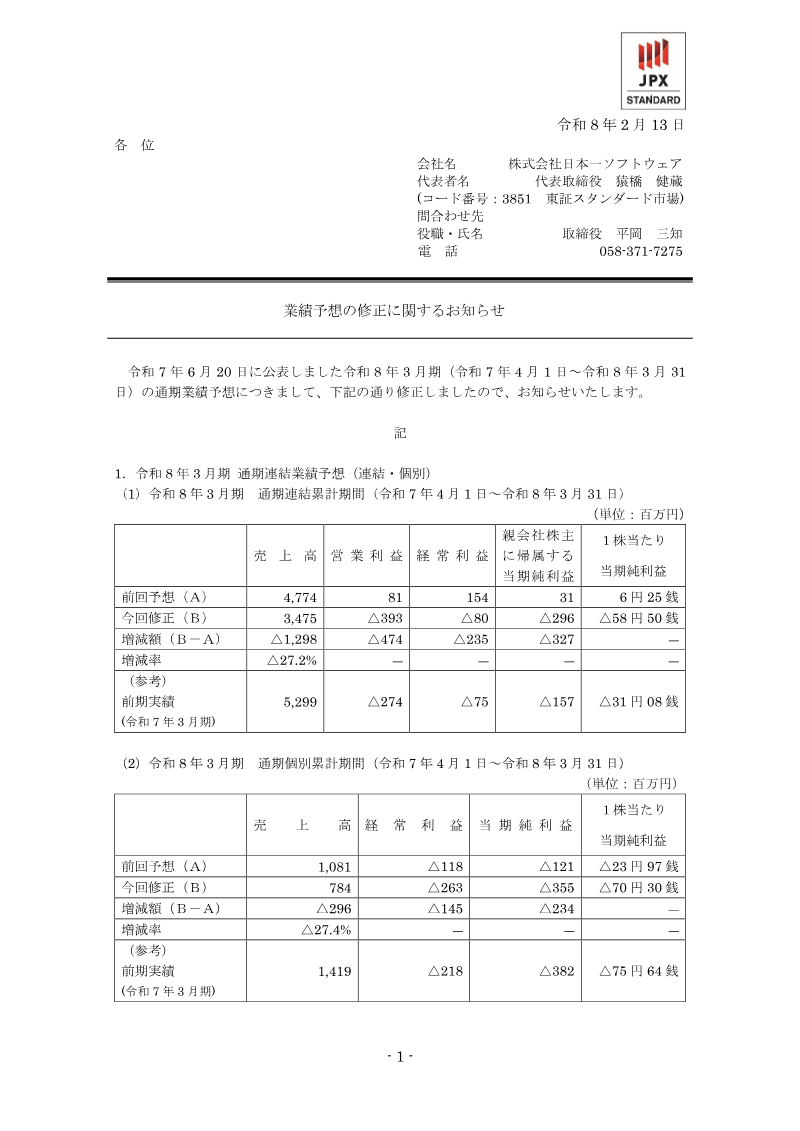
Nippon Ichi Software · 2026
Nippon Ichi Software · 2026

Nippon Ichi Software · 2025
Nippon Ichi Software · 2025
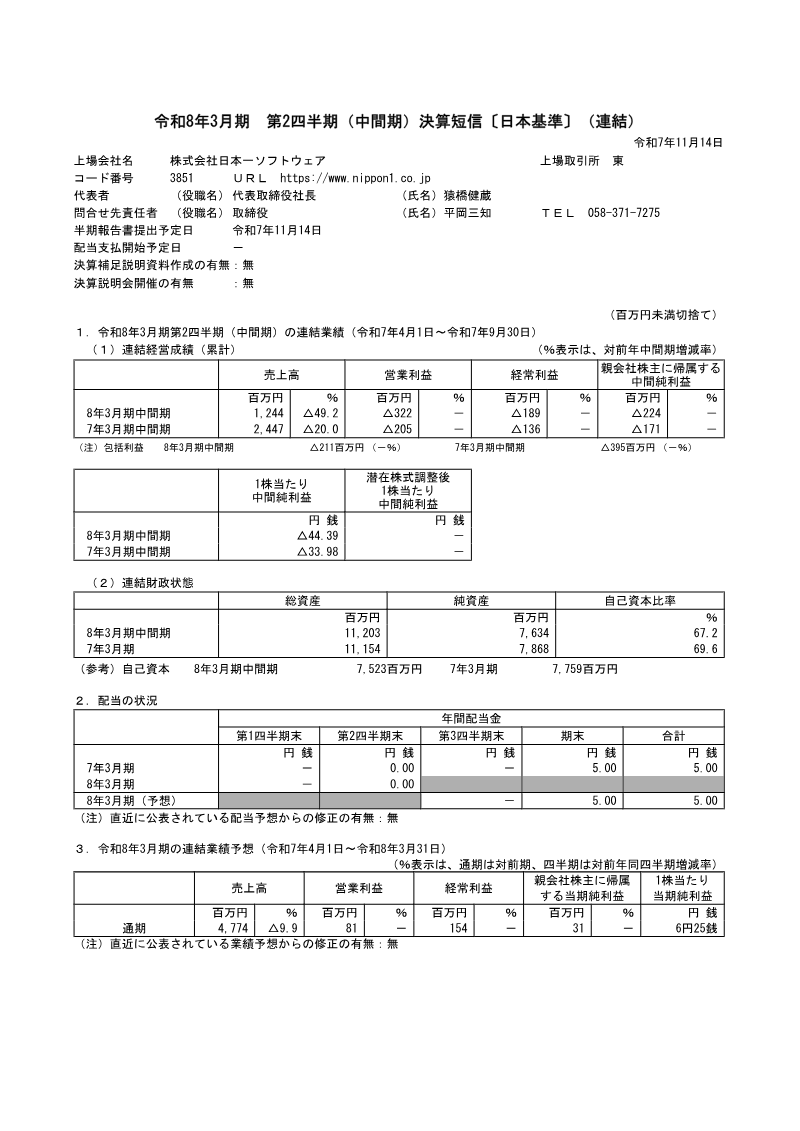
Nippon Ichi Software · 2025
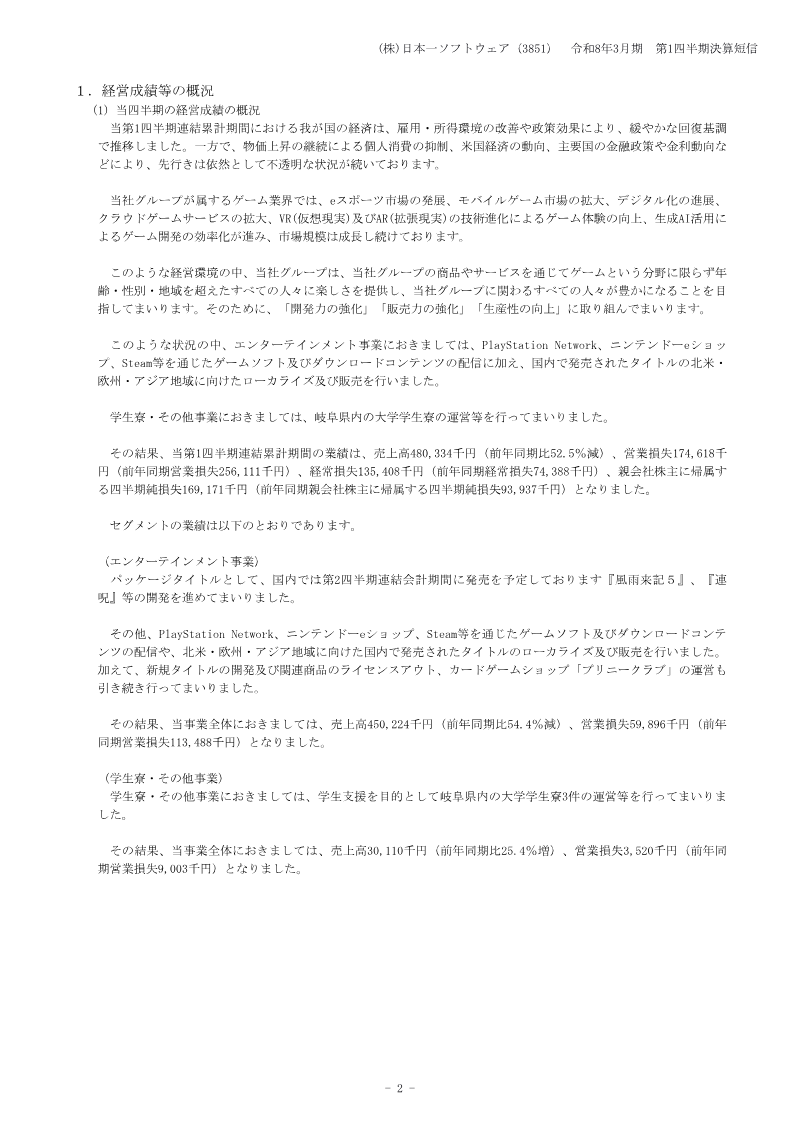
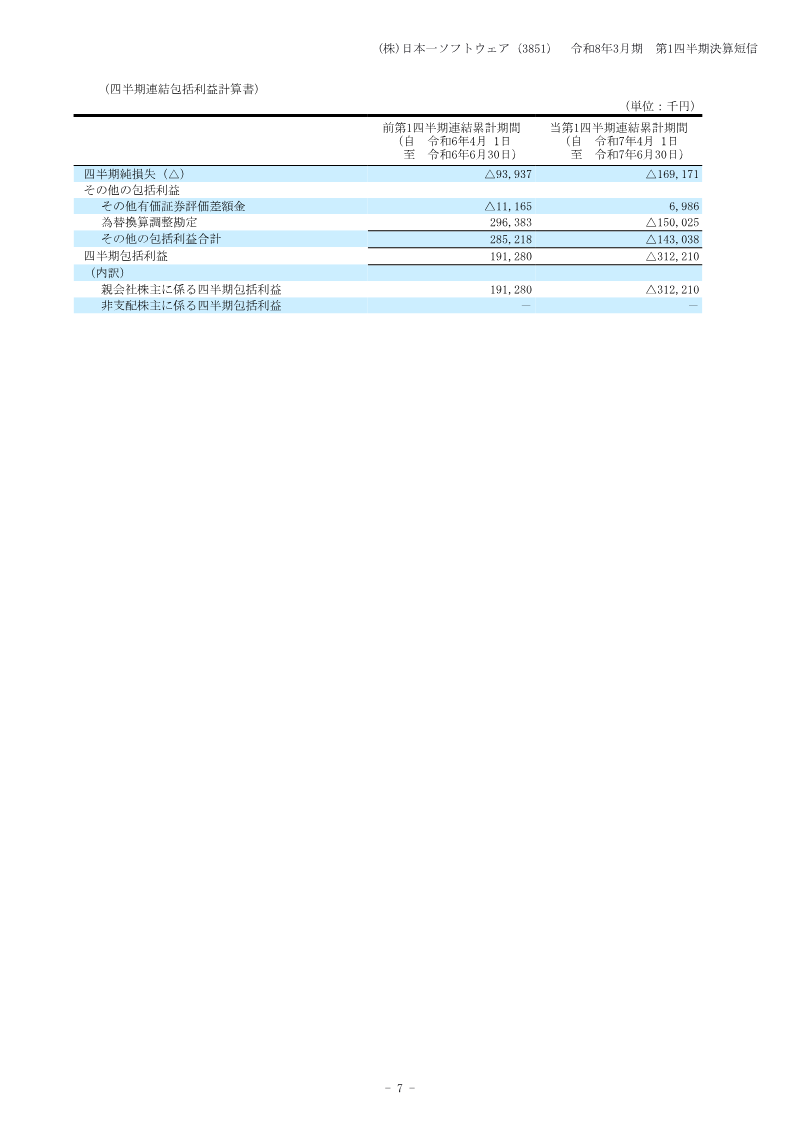
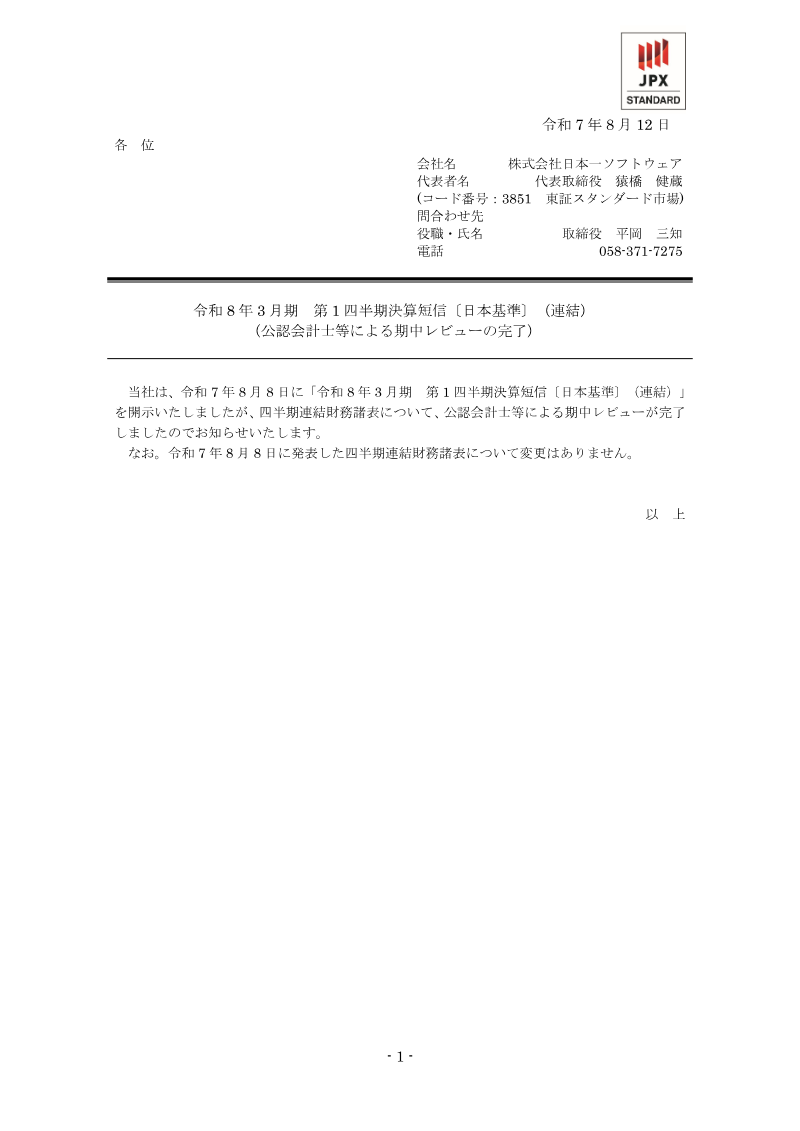
Nippon Ichi Software · 2025
Nippon Ichi Software · 2025
Nippon Ichi Software · 2025
The Game Business · 2026