1 free read left. Create a free account for unlimited reading + AI research.
Create free accountArticle DiGRA
1 free read left. Create a free account for unlimited reading + AI research.
Create free accountArticleDiGRA
Maxwell's push to modernize newsprint production through desktop publishing connected to the 1986 release of Fleet Street Publisher for the Atari ST.
This extended abstract, presented at DiGRA 2018, examines Robert Maxwell's influence on the early UK videogames industry through his publisher Mirrorsoft, a subsidiary of Mirror Group Newspapers. Its central argument is that Maxwell treated games publishing as a strategic investment, and that the collapse of Mirrorsoft after his empire's dissolution in 1991 left the UK games sector without a bona fide international publisher at a critical moment of transition. The study frames the topic as a beginning rather than a final account, and it identifies Maxwell's broader corporate opacity, and the criminal and regulatory investigations into the pension fund misappropriation at Mirror Group Newspapers, as reasons why the games-industry dimension has received little scholarly attention.
The research draws on archival study of legal and business documents and press reports, supplemented by one-to-one interviews with staff who worked with Mirrorsoft at developers including Sensible Software, Bitmap Brothers and Revolution Software. The author notes that these recollections, decades old, must be treated cautiously and checked against secondary historical accounts. The scope spans the mid-1970s through the early 1990s and covers UK, European and US activity, including Mirrorsoft's relationships with smaller firms such as the distributor Microdealer and the developer First Star Software.
Key findings include early convergence between newspaper and games operations, most notably the link between Maxwell's push to modernize newsprint production through desktop publishing and the 1986 release of Fleet Street Publisher for the Atari ST. The paper also reports that Mirrorsoft maintained international licensing agreements and was one of the few Maxwell companies profitable in 1991. However, its UK developers were left as creditors to the misappropriated pension fund, and the paper argues that Mirrorsoft's potential to guide the industry's shift from small-team, open-platform development to standardized, closed-platform production was never fully realized.
Each row is a game or company this document names, each column a document, oldest first. A mark means that document names it. Select a row to see those documents.
DiGRA · 2022
DiGRA · 2022
DiGRA · 2022
DiGRA · 2022
DiGRA · 2022
DiGRA · 2022
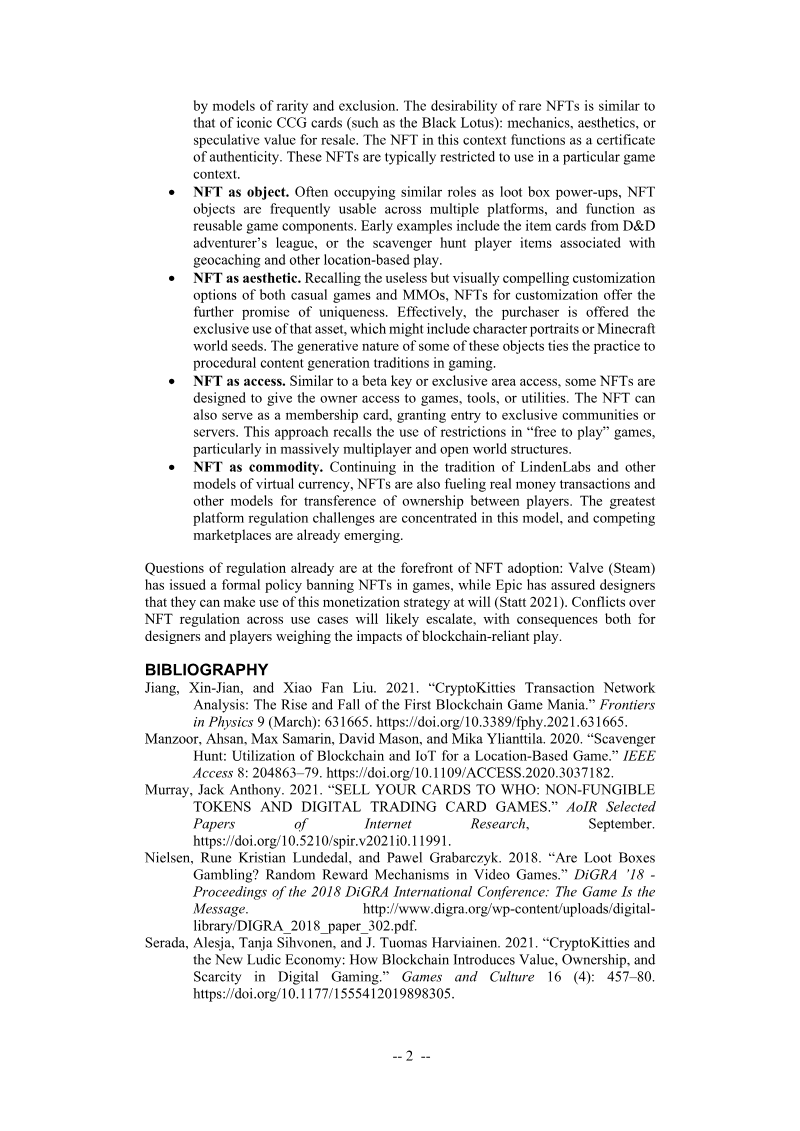
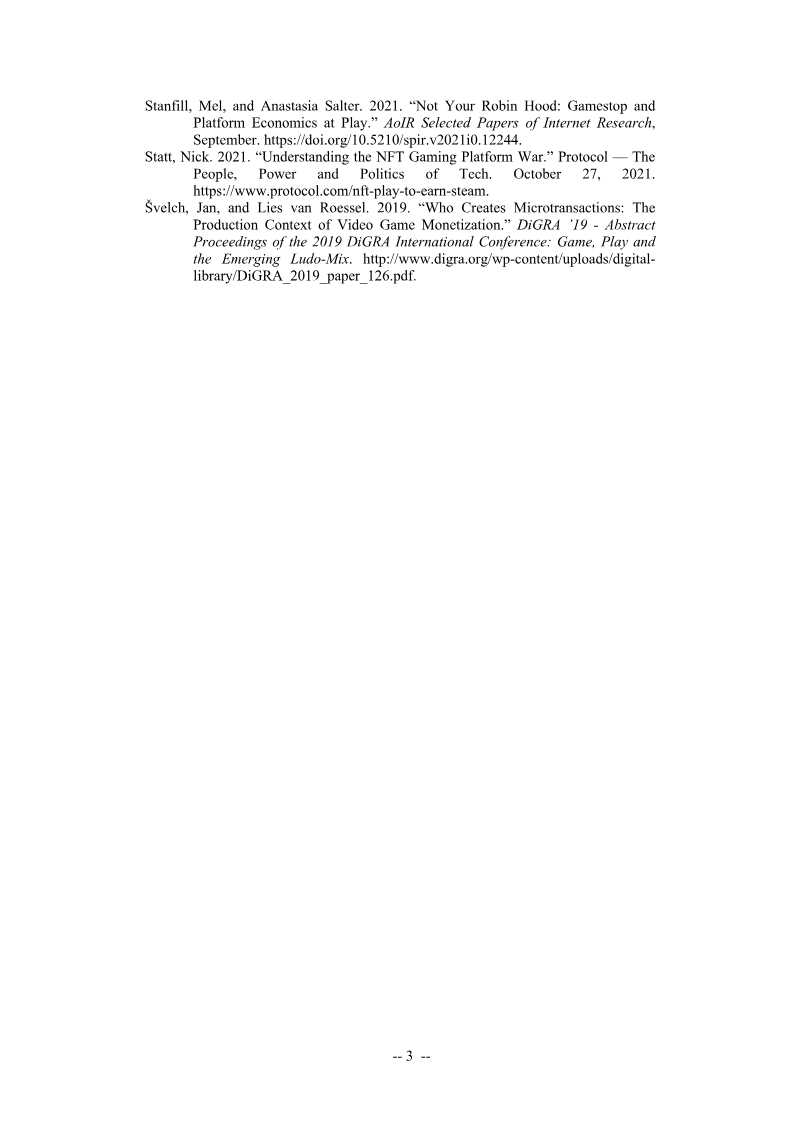
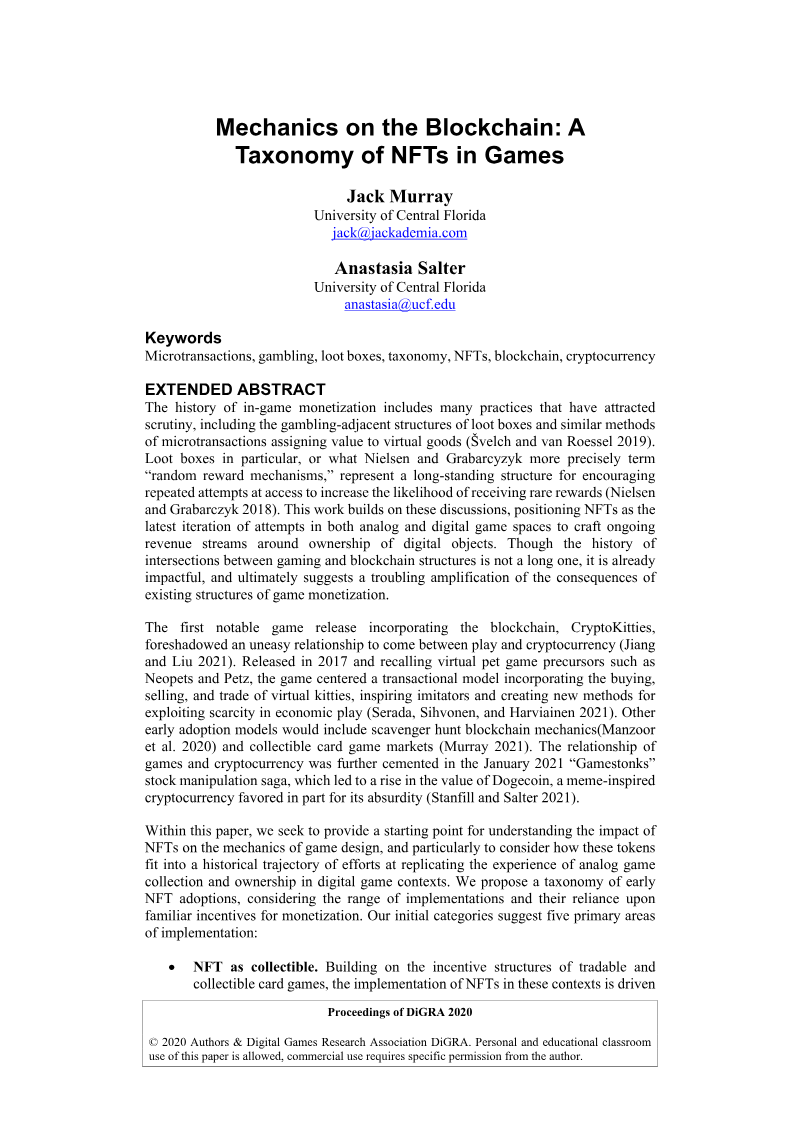
DiGRA · 2022
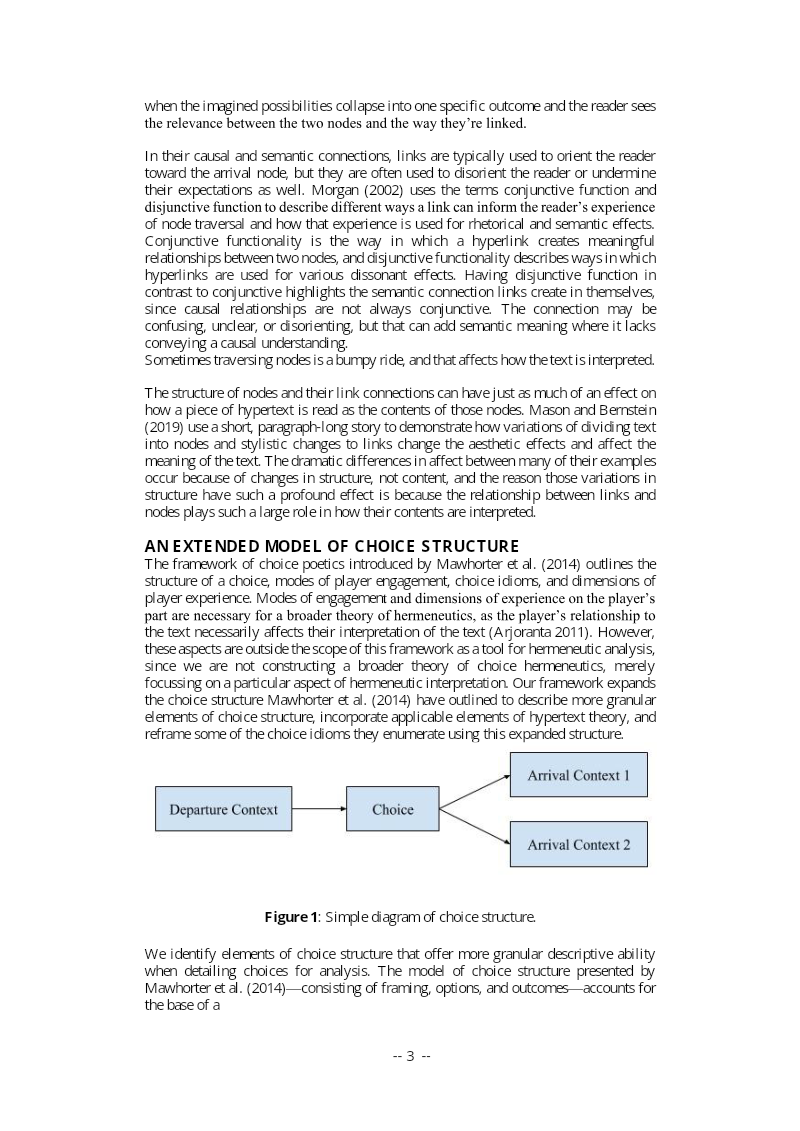
DiGRA · 2022
DiGRA · 2022
DiGRA · 2022



DiGRA · 2022
DiGRA · 2022
Deconstructor of Fun · 2026