1 free read left. Create a free account for unlimited reading + AI research.
Create free accountArticle DiGRA
1 free read left. Create a free account for unlimited reading + AI research.
Create free accountArticleDiGRA
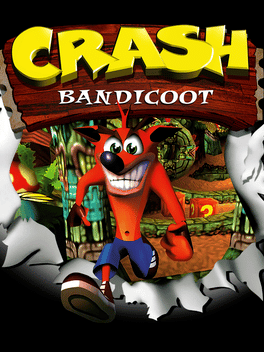
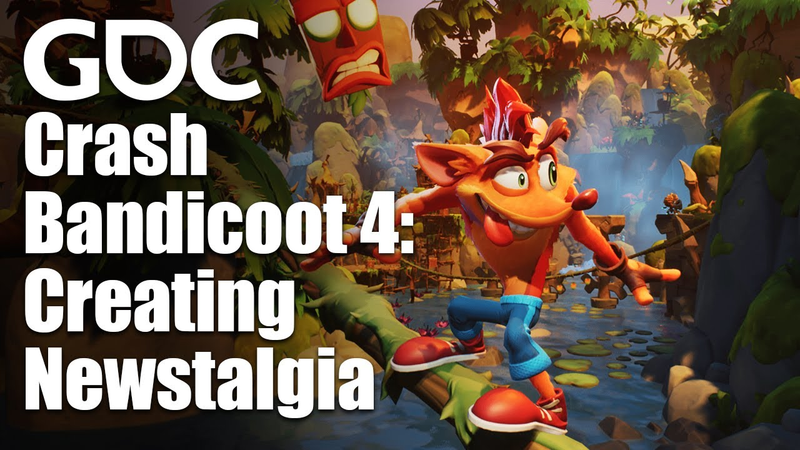
This analysis examines how slapstick humor in two Crash Bandicoot titles, Crash Bandicoot N. Sane Trilogy and Crash Tag Team Racing, transforms the experience of avatar death and repeated failure into comedy rather than tragedy. Drawing on Juul's concept of "spectacular" failure, the author contends that the series deliberately reframes failure as lighthearted, a choice underscored by the franchise's non-permanent deaths, which stand in deliberate contrast to the consequential failure of titles such as Sekiro.
The two games are shown to deploy slapstick in distinct ways. In N. Sane Trilogy, between-level score recaps physically punish Crash for each crate the player missed, tying comedic disruption directly to failure, though that sting is softened by achievements and Crash's rapid recovery. In Crash Tag Team Racing, the "Die-O-Rama" feature instead formalizes slapstick as a purposive reward, offering 34 unlockable comedic death sequences. The author concludes that across both titles, slapstick death operates as a ludic element that mitigates frustration and invites player identification.
The scope is centered on these two Crash Bandicoot titles within game studies and comedy theory, with attention to design mechanics rather than broader franchise history or market context. The analysis draws on a range of scholarship, including work on contingency-based physical comedy in video games and a 2016 PlayStation publication on the N. Sane Trilogy remaster, to situate its claims within existing discourse. The argument positions slapstick death as an underexplored dimension of game design, one whose role in shaping player emotion and engagement deserves closer scholarly attention.
Each row is a game or company this document names, each column a document, oldest first. A mark means that document names it. Select a row to see those documents.

DiGRA · 2022

DiGRA · 2022



DiGRA · 2022



DiGRA · 2022

DiGRA · 2022

DiGRA · 2022



DiGRA · 2022

DiGRA · 2022

DiGRA · 2022



DiGRA · 2022



DiGRA · 2022

DiGRA · 2022