1 free read left. Create a free account for unlimited reading + AI research.
Create free accountWhitepaper DiGRA
1 free read left. Create a free account for unlimited reading + AI research.
Create free accountWhitepaperDiGRA
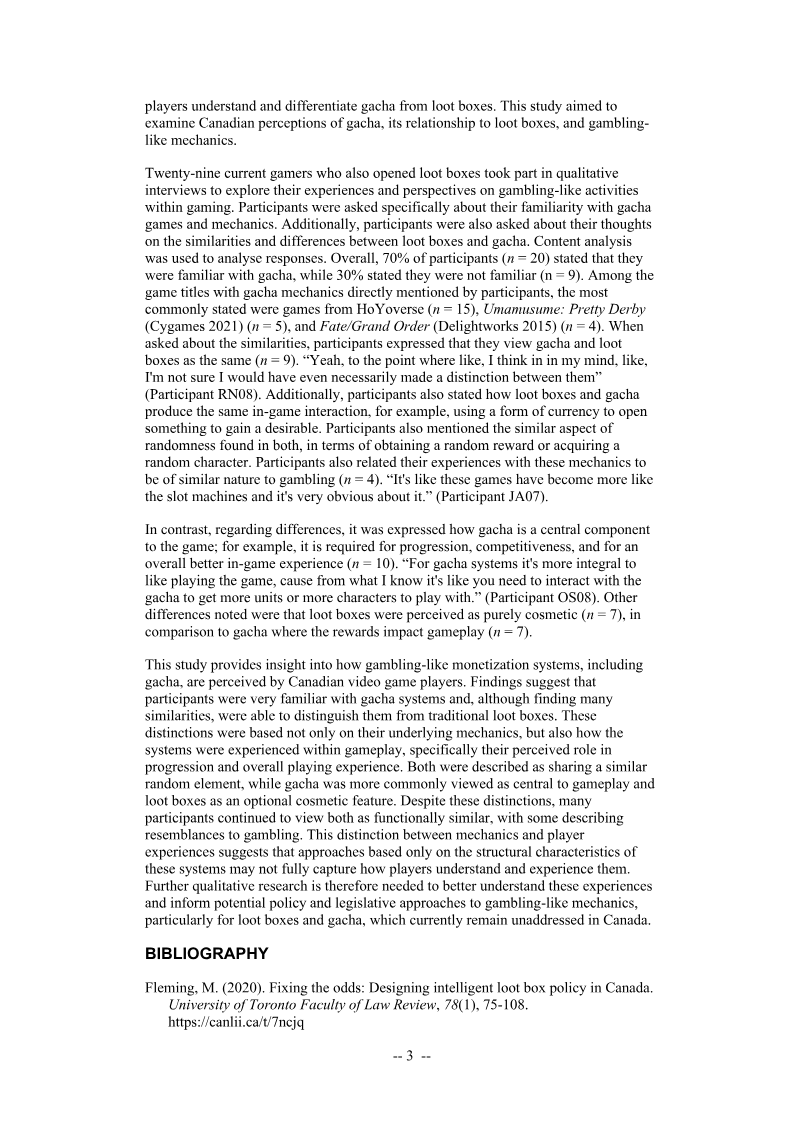
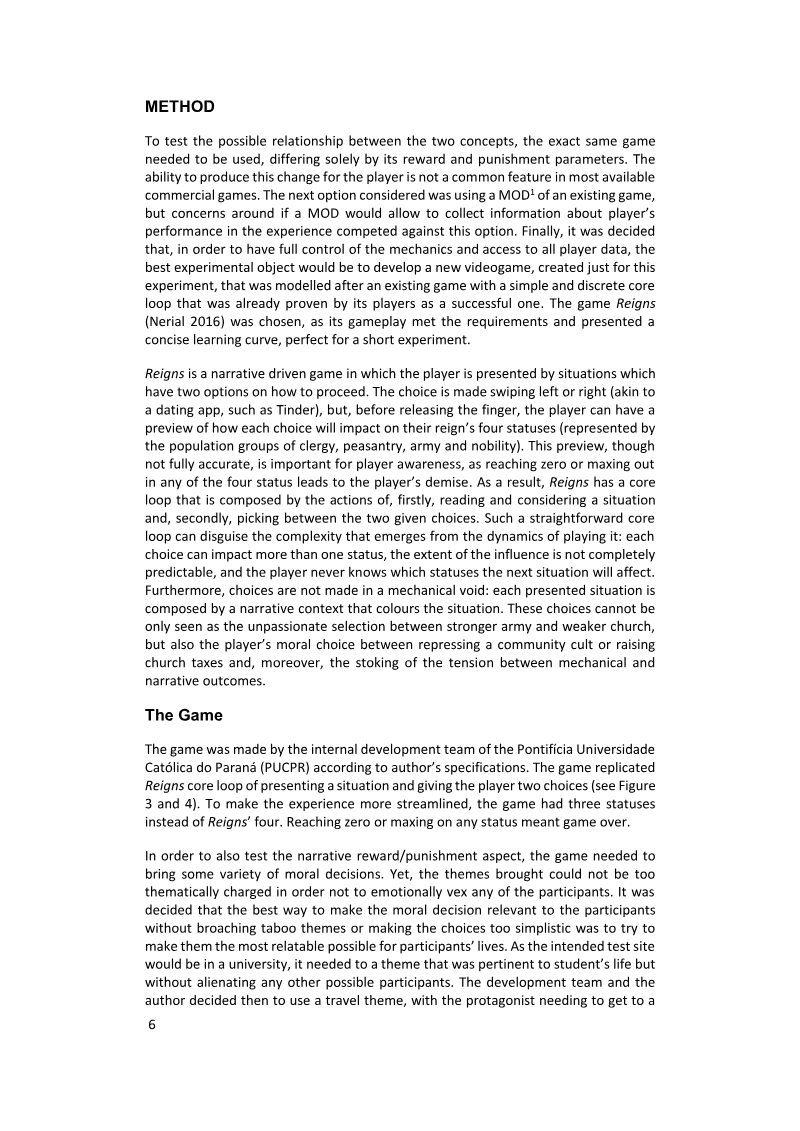
Concerns about public transport and physical distancing made bicycles a practical choice for transport, exercise, and recreation.
The COVID-19 pandemic produced a notable rise in cycling across Europe, North America, and Asia, as concerns about public transport, lockdowns, and physical distancing made bicycles a practical choice for transportation, exercise, and recreation. This surge is reflected in increased bicycle sales between 2019 and 2021 and in municipal investment in bicycle-friendly infrastructure. The paper argues that cycling's growing popularity opens a new area of inquiry: the gamification of cycling on online social fitness networks (OSFN) such as Strava, which translate rides into biometric and behavioral data, social interaction, and goal-oriented challenges.
The central thesis is that OSFN represent a playful digital media dimension in which everyday cycling is reshaped by ludic structures. Features such as achievement-based challenges, leaderboards, and rewards that can be redeemed for real-world benefits align with intrinsic motivators identified in game research, namely competency, autonomy, and relatedness. The author contends that these platforms function as games in substance even though they fall outside conventional definitions of digital games, and that this places cycling communities at the margins of digital game studies.
The work is positioned against the backdrop of the transition from pandemic conditions toward endemic normalcy, during which digital mediated life expanded sharply under lockdown. Its stated significance lies in examining the formal and experiential boundaries of digital games, consistent with the thematic concerns of DiGRA 2023 regarding the similarities between social networks and games. The study is at the extended abstract stage and proposes a methodology of digital ethnography, involving four Strava users and community members, to explore how individual and group cycling becomes playful activity. Its two guiding research questions address how the ludic texts of OSFN function as games and how cyclists assume the role of gamers within the gamification process.

DiGRA · 2026

DiGRA · 2026



DiGRA · 2026



DiGRA · 2026



DiGRA · 2026



DiGRA · 2026



DiGRA · 2026



DiGRA · 2026

DiGRA · 2026



DiGRA · 2026



DiGRA · 2026

DiGRA · 2026
DiGRA · 2016