1 free read left. Create a free account for unlimited reading + AI research.
Create free accountWhitepaperSpiel|Formen
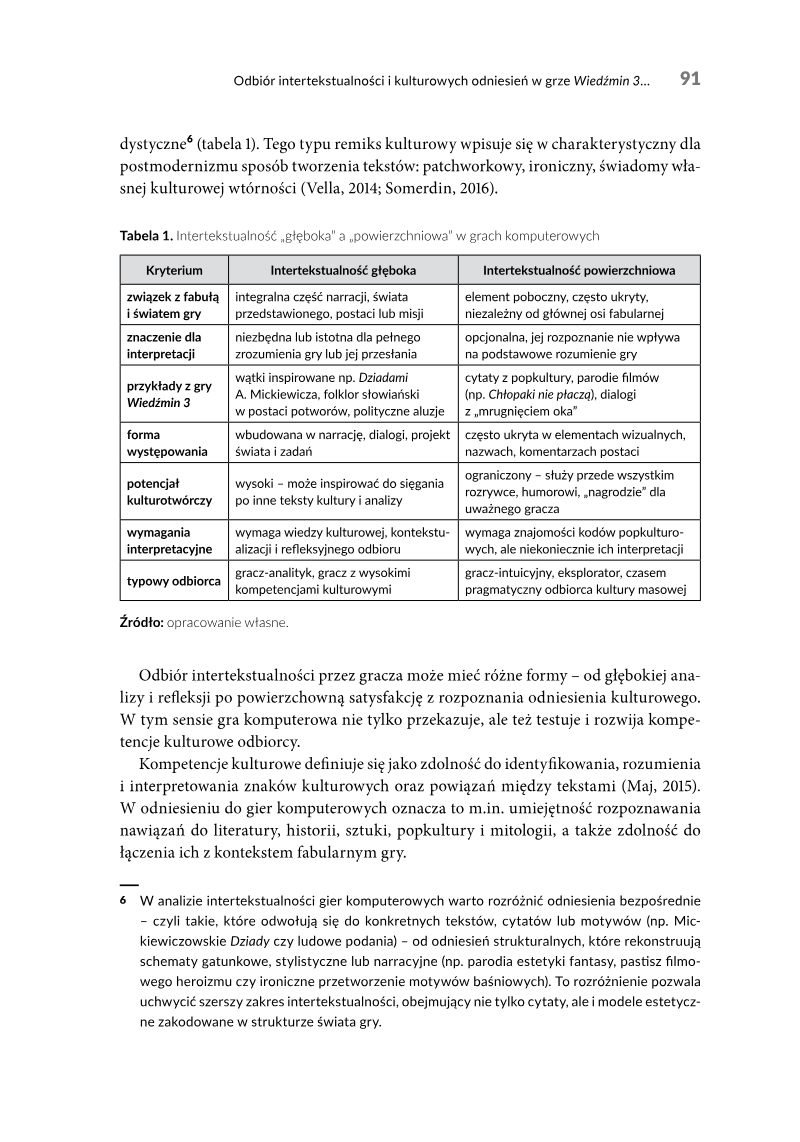
The gendered gaze in contemporary video games is fundamentally constructed through the interplay of interactive mechanics, camera positioning, and narrative design. By applying a critical gazing methodology to The Witcher 3 and Cyberpunk 2077, it becomes clear that these titles utilize divergent technical frameworks to shape player perception. While both games originate from the same developer, they diverge significantly in how they mediate the player’s visual experience, moving from the rigid, traditional cinematic structures of high fantasy to the fluid, subversion-oriented mechanics of a post-gendered science fiction setting.
The Witcher 3 reinforces a hegemonic, male-heterosexual perspective by relying on heterodiegetic, filmic camera angles that position the protagonist, Geralt, as the primary mediator of the gaze. This design choice frequently forces players into an objectifying viewpoint, particularly regarding female characters, whose presentation is often tethered to conservative beauty standards and eroticization. By restricting the player’s agency over the camera, the game effectively mirrors the power dynamics of classical cinema, where the viewer is a passive recipient of a predetermined, gendered visual hierarchy.
Conversely, Cyberpunk 2077 utilizes a predominantly homodiegetic and highly interactive camera system that grants players greater autonomy. This shift allows for a more variable and diverse gaze, enabling the subversion of traditional tropes and accommodating a wider range of player identities. By decentralizing the male-heterosexual perspective, the game demonstrates that the gendered gaze is not a fixed element of digital media but a malleable construct. Ultimately, the findings suggest that as game design moves toward more flexible, player-driven camera mechanics, the industry possesses the potential to dismantle long-standing visual biases and offer more inclusive modes of engagement within virtual environments.
Journal of Games Criticism · 2025