The console gaming industry is currently undergoing a fundamental strategic shift as it enters its tenth generation. While historical trends often misinterpret declining hardware sales at the end of a cycle as the death of the console, the current landscape reveals that the definition of a platform is evolving. Rather than relying on hardware as a primary moat for exclusivity, industry incumbents and newcomers are increasingly prioritizing distribution, intellectual property integration, and cross-device engagement to secure their market positions.
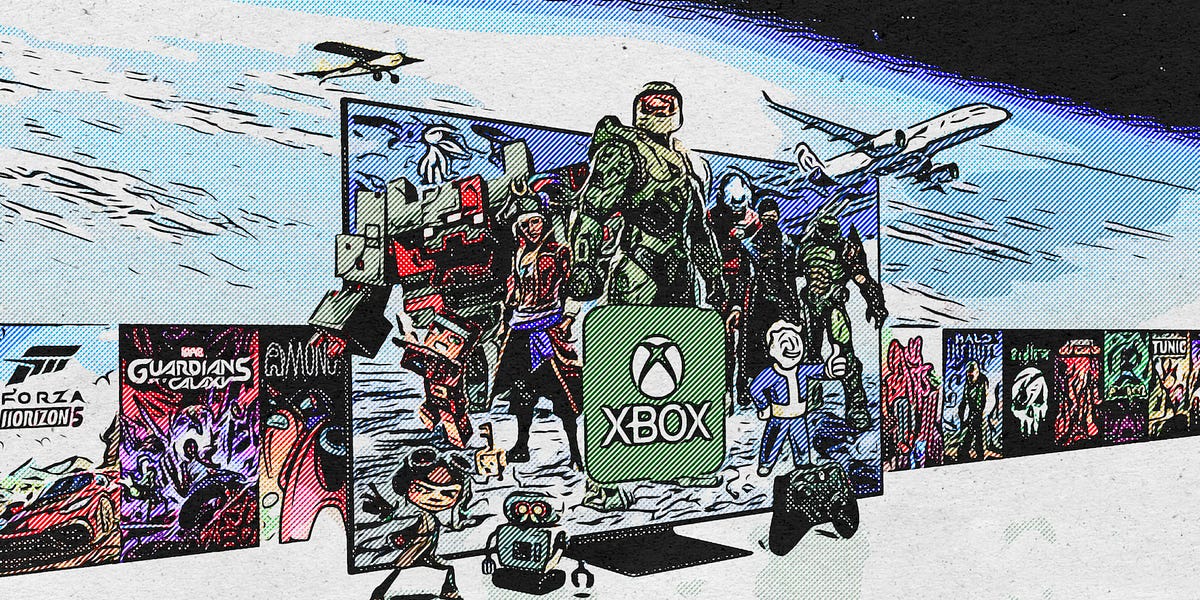
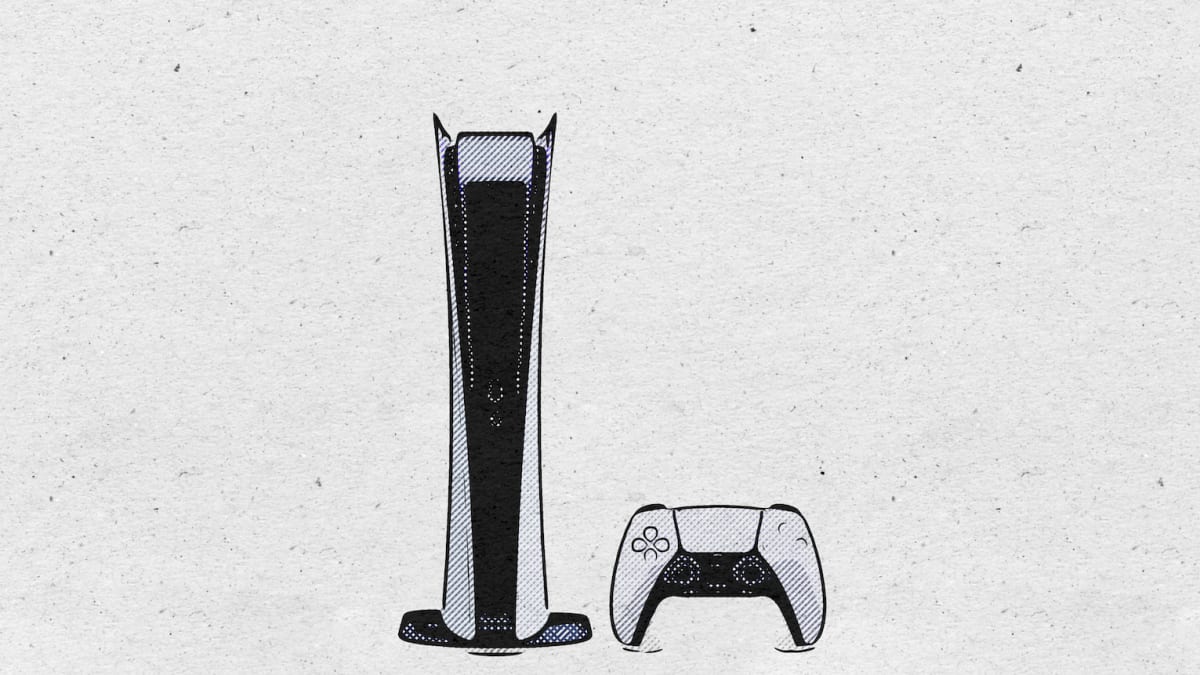
Nintendo continues to anchor its strategy in curated hardware and high-value, mass-market intellectual property, successfully launching its latest device with 3.5 million units sold globally in its first four days. Conversely, Microsoft is actively unbundling the console experience, pivoting toward a device-agnostic, service-first ecosystem that leverages cloud technology and co-engineered silicon to achieve broader reach. Sony is simultaneously repositioning PlayStation as a transmedia engine, focusing on the expansion of its core franchises into film, television, and digital services to deepen long-term audience engagement.
Newer market participants are adopting distinct approaches that treat gaming as a component of a larger infrastructure. Apple utilizes an ambient distribution model, embedding gaming within its existing consumer tech ecosystem to minimize risk and avoid the pressures of blockbuster-only publishing. Meanwhile, Meta is attempting to own the next interface through subsidized virtual reality hardware, though it faces ongoing challenges with user retention and a pivot toward mixed-reality enterprise applications. Ultimately, the industry is transitioning from traditional hardware-centric competition to an architecture war, where the console is no longer defined by a physical box, but by the strategic framework used to manage content and user connectivity.

SuperJoost · 2026
SuperJoost · 2026

SuperJoost · 2026
SuperJoost · 2026

SuperJoost · 2026
SuperJoost · 2026
SuperJoost · 2026
SuperJoost · 2026
SuperJoost · 2026

SuperJoost · 2026
SuperJoost · 2026
SuperJoost · 2026
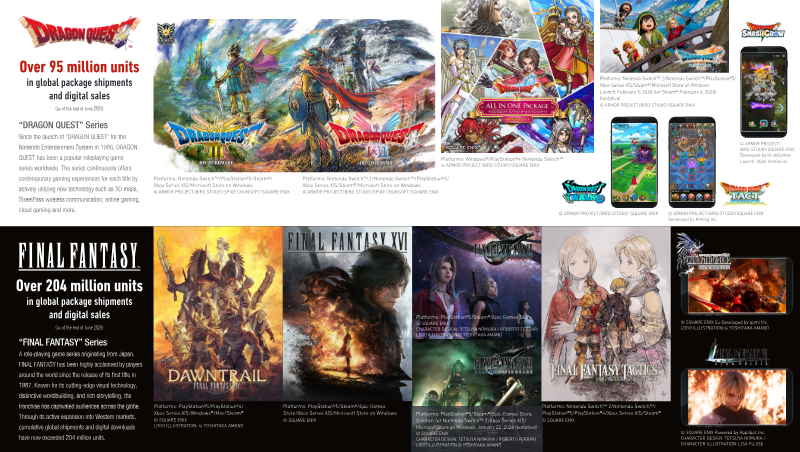
Square Enix · 2025
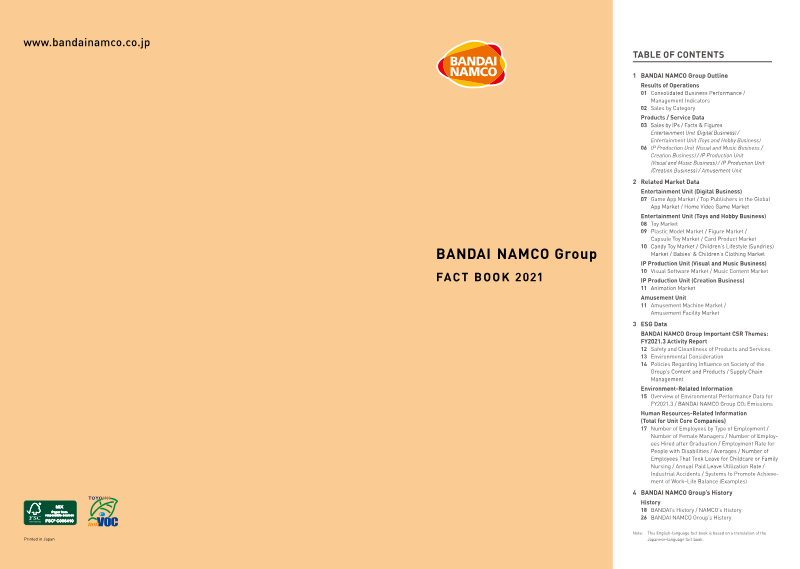
Bandai Namco · 2021
Bandai Namco · 2017
Bandai Namco · 2013
GungHo Online Entertainment
11 bit studios

Bandai Namco
Bandai Namco
Bandai Namco
Bandai Namco

Koei Tecmo
Nacon