1 free read left. Create a free account for unlimited reading + AI research.
Create free accountWhitepaper International Journal of Serious Games
1 free read left. Create a free account for unlimited reading + AI research.
Create free accountWhitepaperInternational Journal of Serious Games
Tabletop escape games serve as a potent pedagogical medium for cultivating computational thinking among K-12 and university students. By leveraging collaborative, puzzle-driven environments, these games facilitate the practical application of essential cognitive skills, including algorithmic thinking, simulation, and debugging. The primary objective is to transition these games from recreational activities into structured educational tools that foster logical reasoning and complex problem-solving, ultimately providing a framework for integrating computer science concepts into diverse learning environments.
The efficacy of this approach is evidenced by games such as Pandemic, RaBit EscAPE, and T-Maze, which successfully embed computational logic within their core mechanics. These titles demonstrate that game-based learning can effectively engage students in the iterative processes required for computational competency. However, a significant gap remains between the successful execution of in-game tasks and the student's conceptual mastery of the underlying algorithms. While players frequently demonstrate high levels of engagement and collaborative problem-solving, they often struggle to bridge the divide between gameplay actions and formal computational theory.
Current assessment methodologies remain insufficient for capturing the full scope of learning outcomes in this domain. Although existing literature provides a robust foundation for game-based pedagogy, there is a critical need for standardized, formative, and summative assessment frameworks that can accurately measure computational thinking proficiency. Future research must prioritize the development of precise evaluation tools to ensure that tabletop escape games function not only as engaging experiences but as reliable instruments for competency-based education. Establishing these metrics is essential for validating the long-term impact of game-based learning on student development in technical and logical disciplines.
International Journal of Serious Games · 2023
International Journal of Serious Games · 2022
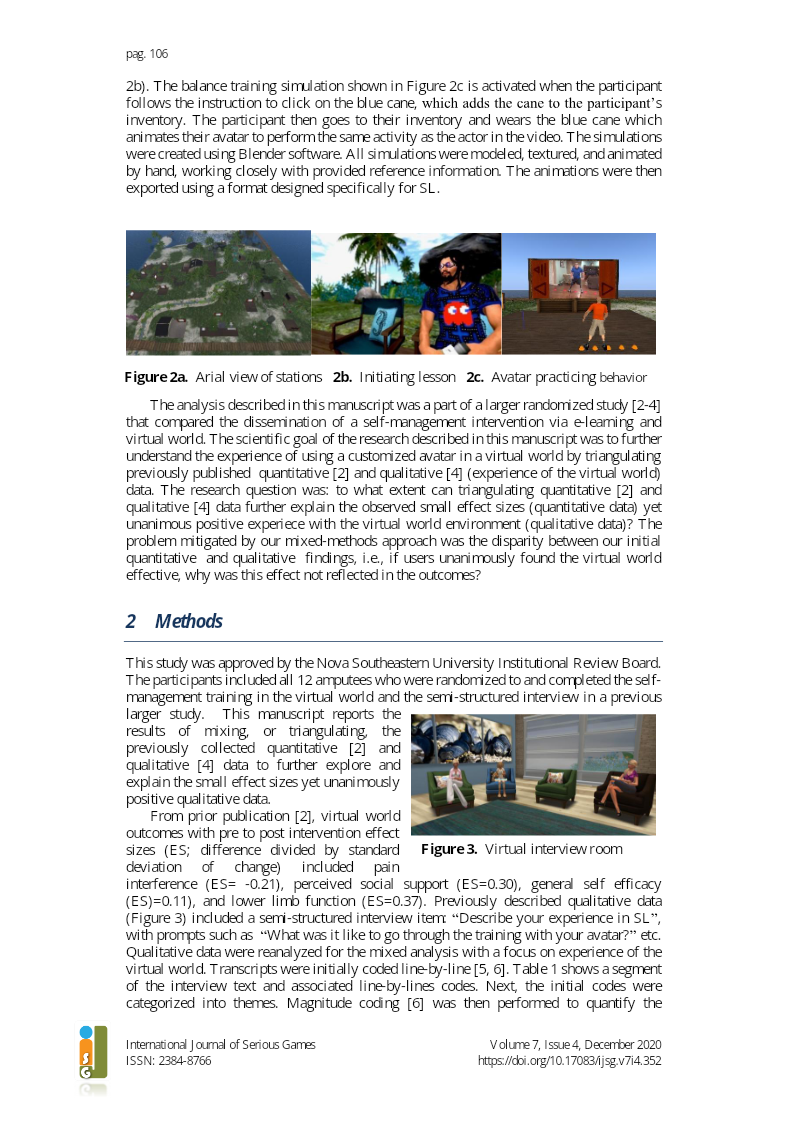
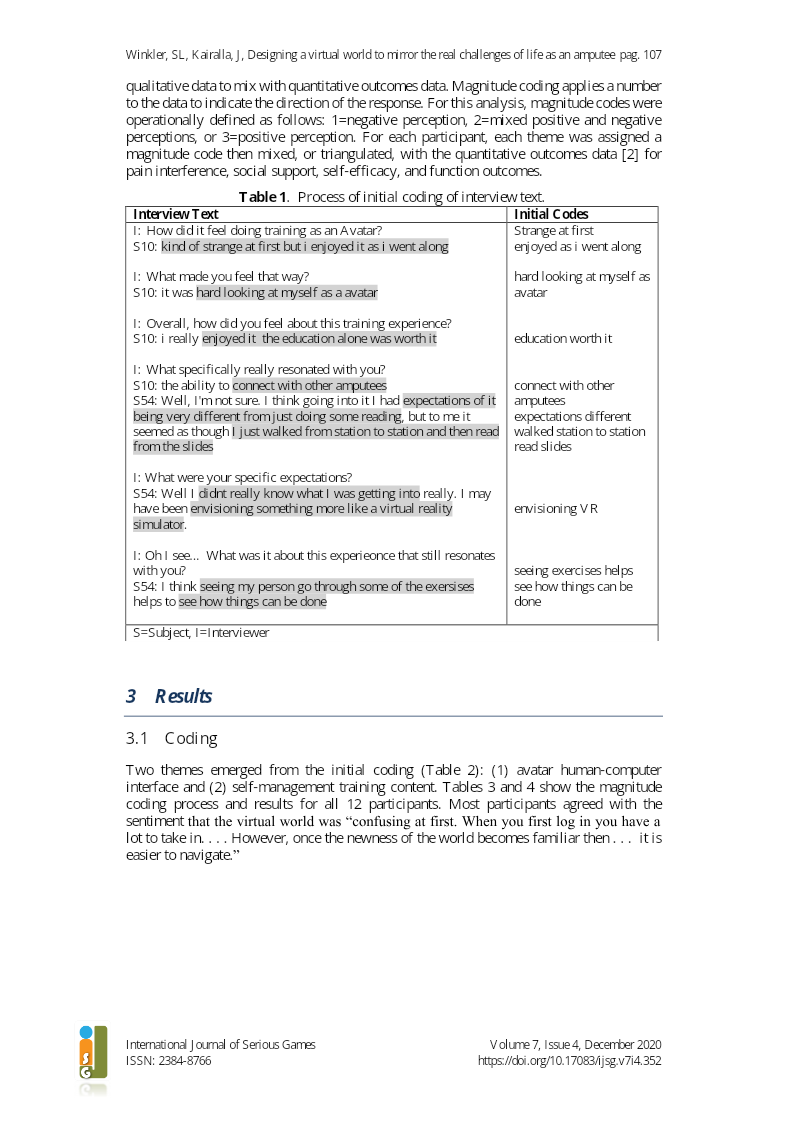
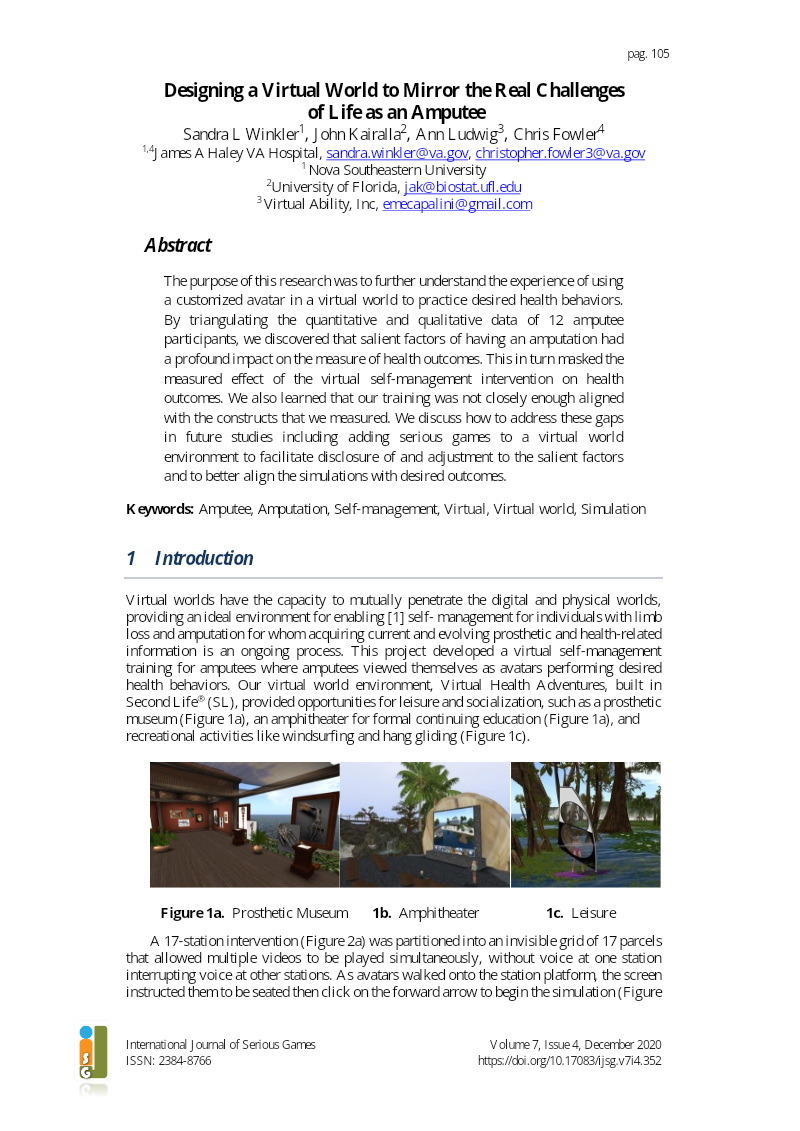
International Journal of Serious Games · 2020
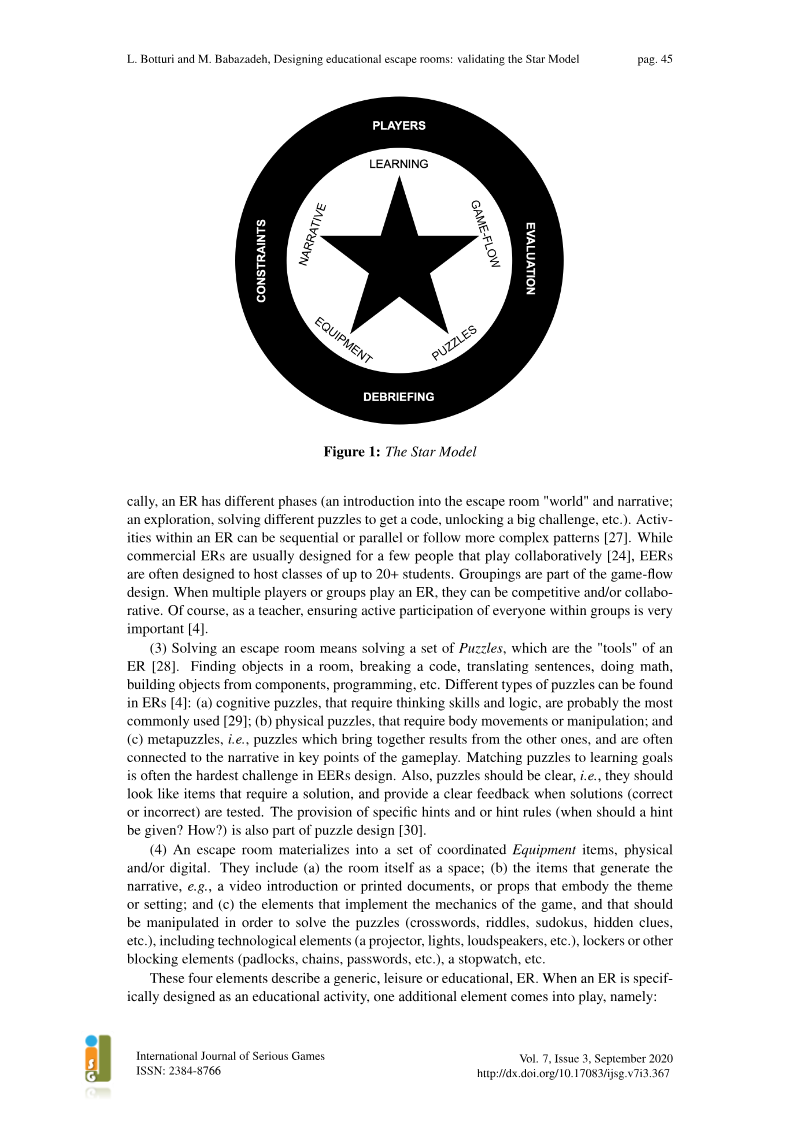
International Journal of Serious Games · 2020
International Journal of Serious Games · 2020



International Journal of Serious Games · 2020
International Journal of Serious Games · 2020
International Journal of Serious Games · 2020
International Journal of Serious Games · 2020
International Journal of Serious Games · 2020
International Journal of Serious Games · 2020
Air Force Institute of Technology · 2020
European Conference on Games Based Learning (ECGBL) · 2026