1 free read left. Create a free account for unlimited reading + AI research.
Create free accountWhitepaperJMIR Serious Games
Distilling the key insights…
The integration of serious games into clinical practice offers a promising therapeutic pathway for managing complex psychiatric comorbidities in patients with Parkinson’s disease. By combining twenty sessions of manualized cognitive behavioral therapy with fifteen sessions of the biofeedback-enhanced serious game e-Estesia, clinicians can effectively address medication-induced impulse control disorders, specifically hypersexuality. This multidisciplinary approach focuses on enhancing emotion regulation and reducing impulsivity-related personality traits, such as negative urgency and a lack of perseverance, which are often exacerbated by the neurodegenerative nature of the disease.
Quantitative and physiological data support the efficacy of this combined intervention. Post-treatment assessments reveal significant reductions in general psychopathology and emotional dysregulation, corroborated by improved heart rate variability and decreased heart rate during gameplay. While the intervention did not result in total abstinence from impulsive behaviors, it successfully facilitated harm reduction and improved the patient's overall self-control. These findings suggest that serious games function as a valuable coadjuvant tool, providing a structured environment for patients to practice regulation skills that translate into real-world behavioral improvements.
Published in 2022, this research contributes to the growing body of literature surrounding digital health interventions. By bridging the gap between traditional cognitive behavioral therapy and interactive technology, the study establishes a framework for future clinical applications in neurology and psychiatry. Although external factors such as pharmacological adjustments remain relevant to patient outcomes, the evidence indicates that serious games provide a viable, scalable, and engaging mechanism for supporting patients struggling with the behavioral complications of Parkinson’s disease.
JMIR Serious Games · 2026
JMIR Serious Games · 2026
JMIR Serious Games · 2026
JMIR Serious Games · 2026
JMIR Serious Games · 2026
JMIR Serious Games · 2025
JMIR Serious Games · 2025
JMIR Serious Games · 2025
JMIR Serious Games · 2025
JMIR Serious Games · 2025

National Research Council Canada · 2025
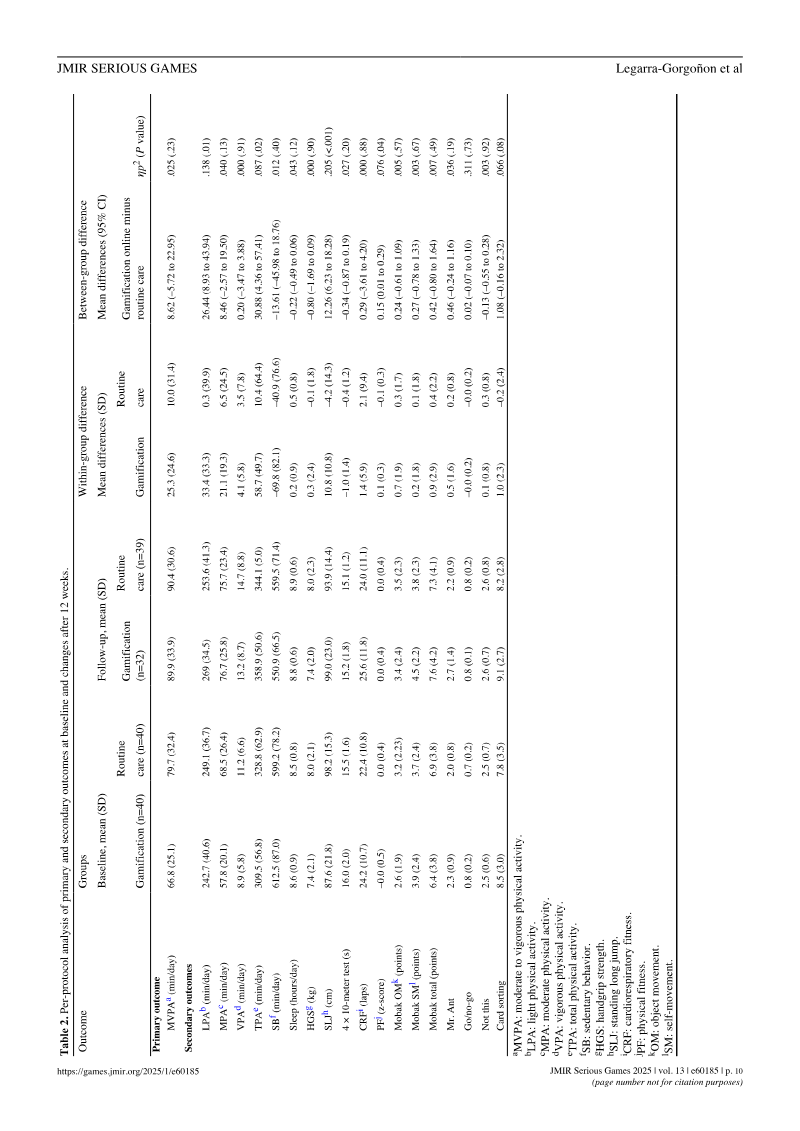
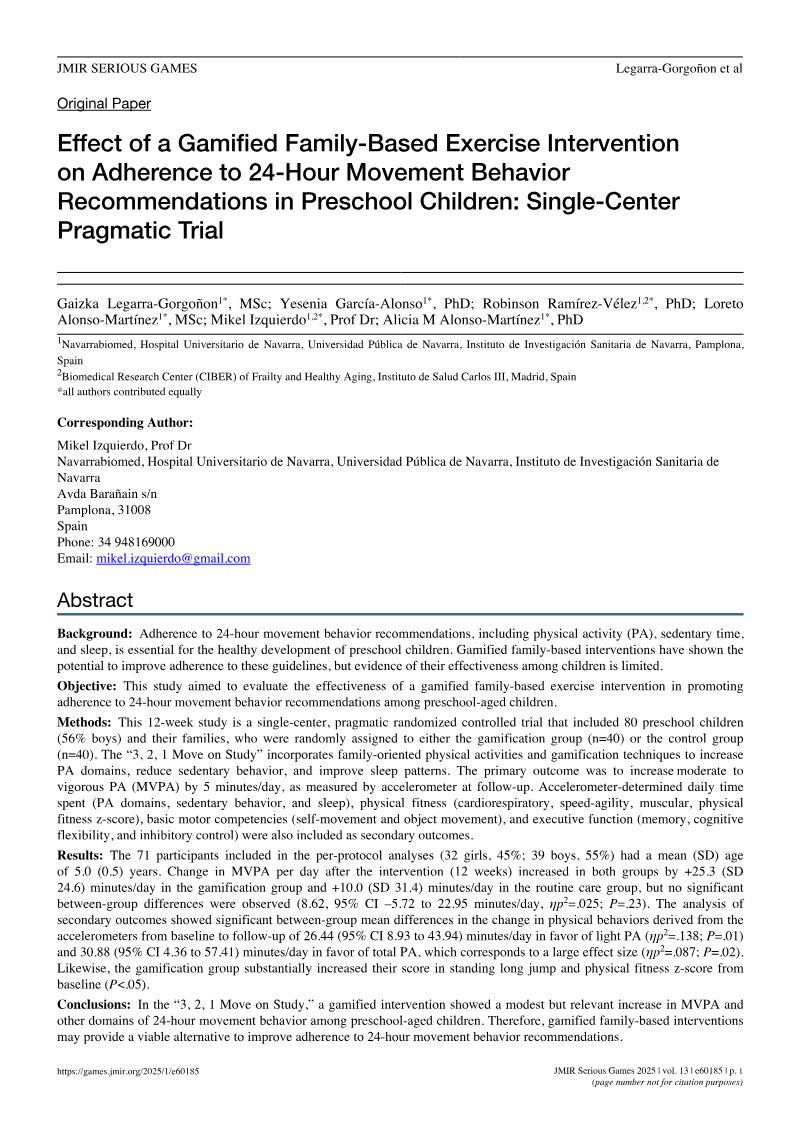
JMIR Serious Games · 2024
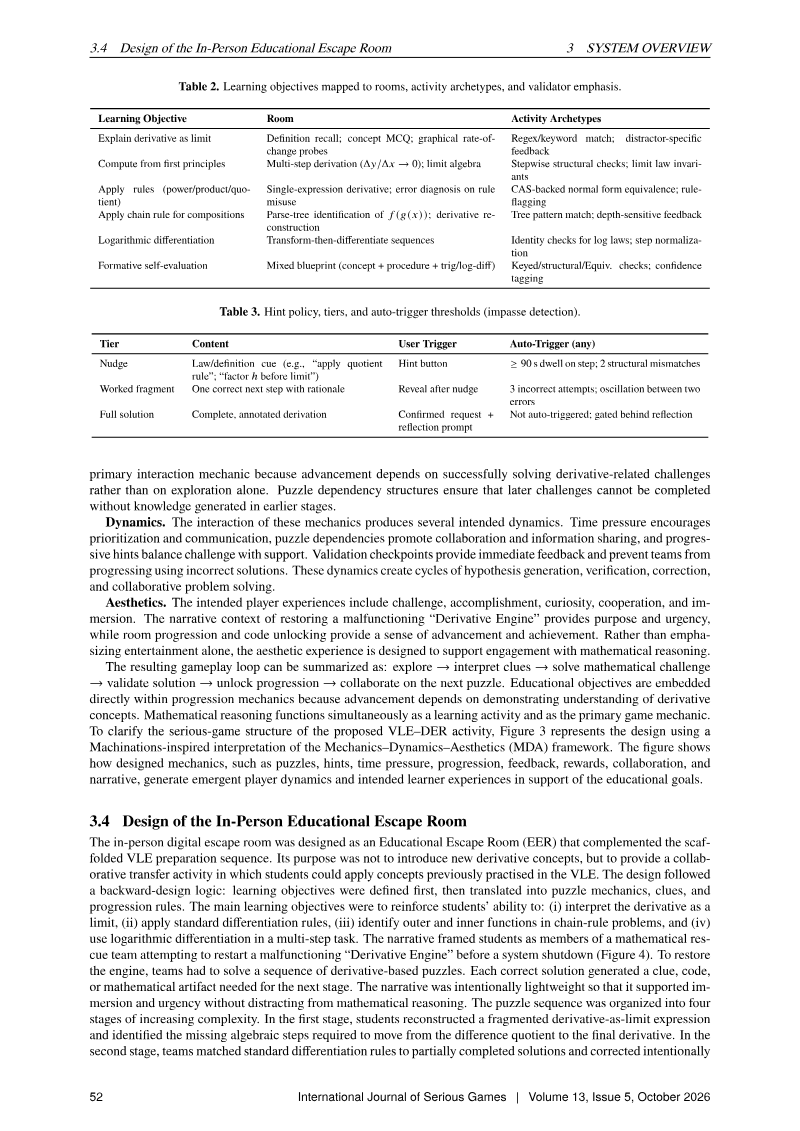
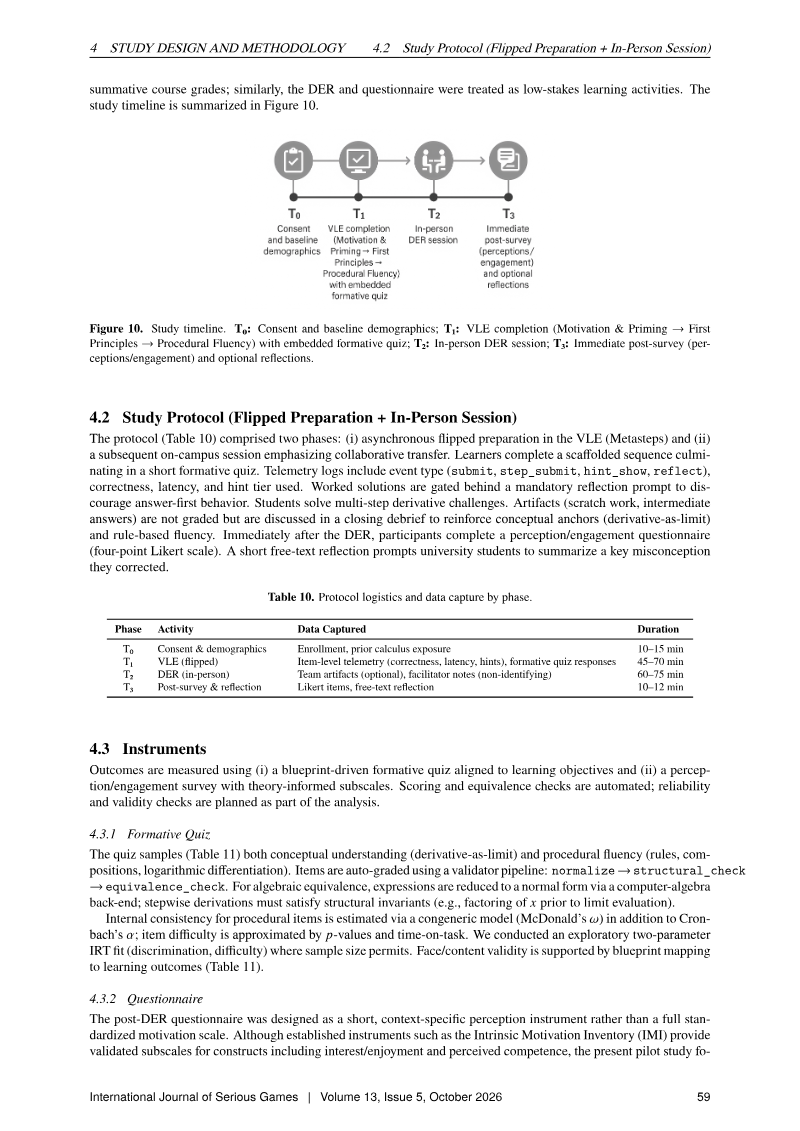
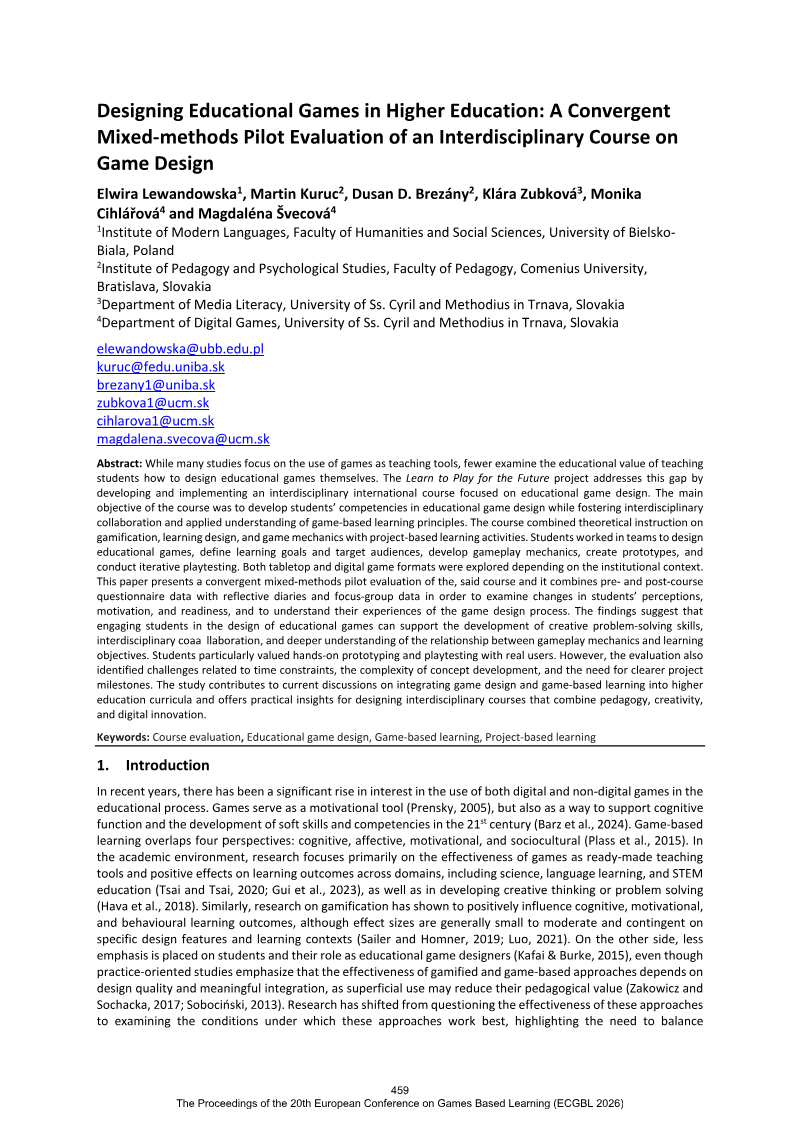
European Conference on Games Based Learning (ECGBL) · 2026





Comments