
ArticleCircana
Circana: The US Gaming Market Could Hit an All-Time High in 2026
23 Feb 20261 pages~5 min full read
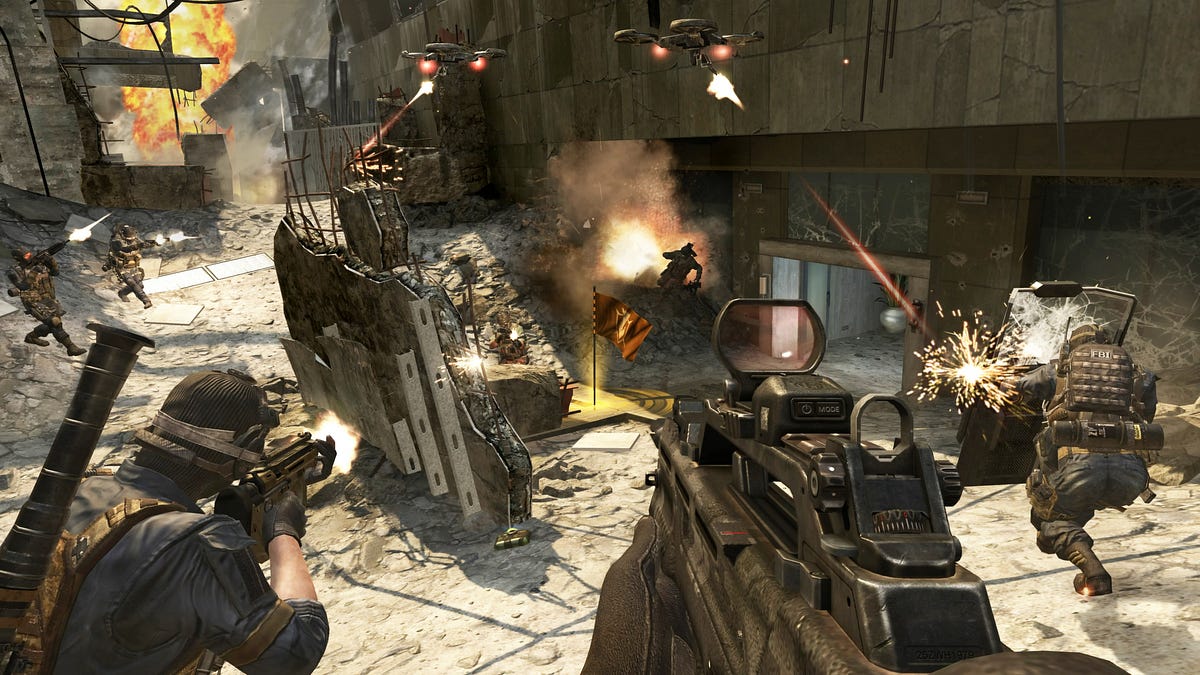
The United States video game market is projected to reach a nominal all-time high of $62.8 billion in 2026, representing a 3% year-over-year increase. This follows a 2025 performance where consumer spending on hardware, content, and accessories reached $60.7 billion, a 1.4% growth over the previous year. While these figures suggest a record-breaking trajectory, analysts emphasize that when adjusted for inflation, the market remains below the real-terms peak established in 2021.
Growth in 2026 is expected to be driven by several key factors, including the continued success of the Nintendo Switch 2, which has emerged as the fastest-selling home console in domestic history. Additionally, high consumer anticipation for the release of Grand Theft Auto VI is expected to stimulate significant demand across hardware, accessories, and subscription services. A robust slate of major software releases, such as Marvel’s Wolverine and new entries in the Resident Evil and Pokémon franchises, further supports this positive outlook.
Despite these growth drivers, the industry faces notable headwinds. Rising costs for essential hardware components like GPUs, CPUs, and RAM—partially due to competition with AI data centers—threaten to increase consumer prices. Market sensitivity to these costs is high; research indicates that a significant portion of the player base would respond to price hikes by delaying full-price purchases, waiting for sales, or shifting engagement toward free-to-play titles. Furthermore, younger demographics are increasingly gravitating toward PC and mobile platforms, a trend that could be accelerated if traditional console hardware becomes less accessible.
GameDev Reports · 2026

GameDev Reports · 2026

GameDev Reports · 2026
GameDev Reports · 2026
Circana · 2026
GameDev Reports · 2026
GameDev Reports · 2026

GameDev Reports · 2026
GameDev Reports · 2026

GameDev Reports · 2026

Circana · 2026

GameDev Reports · 2026
PitchBook · 2026
UnitedHealth Group
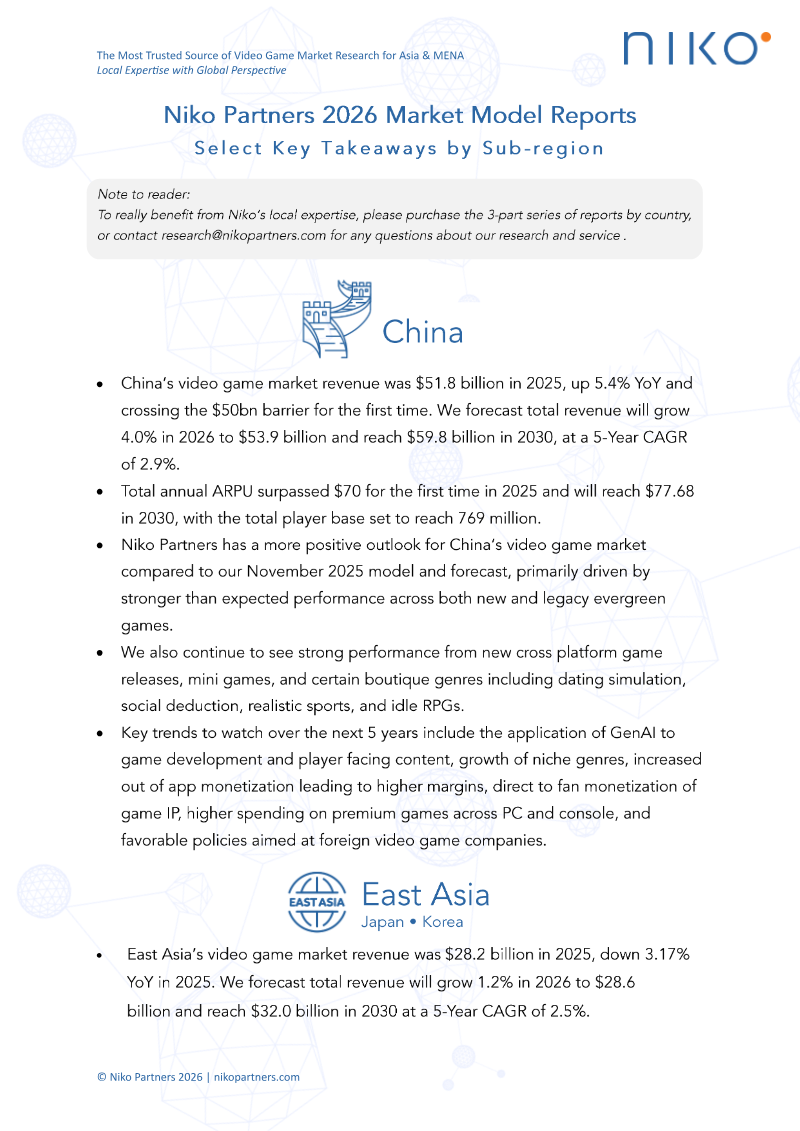
Niko Partners · 2026

game · 2026
InvestGame · 2026
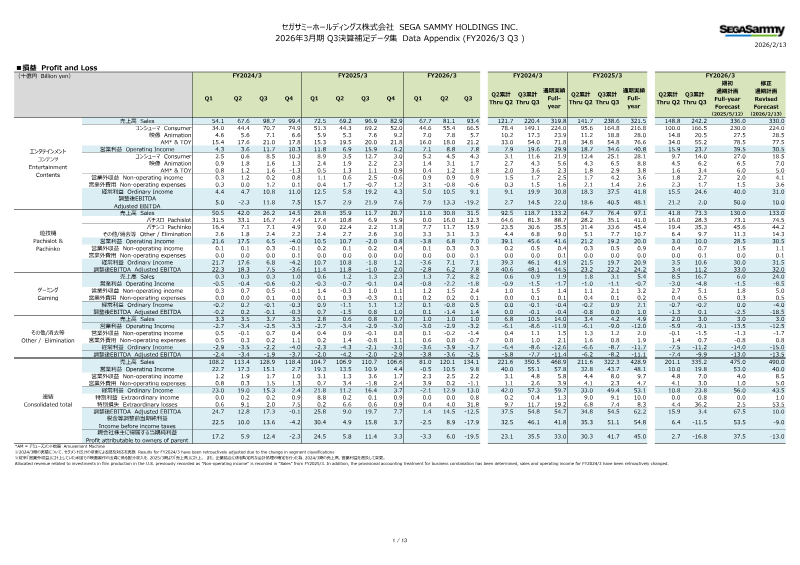
Sega Sammy Holdings · 2026
Newzoo · 2026

Kadokawa Corporation · 2026

InvestGame · 2026

InvestGame · 2026
Aream & Co · 2026
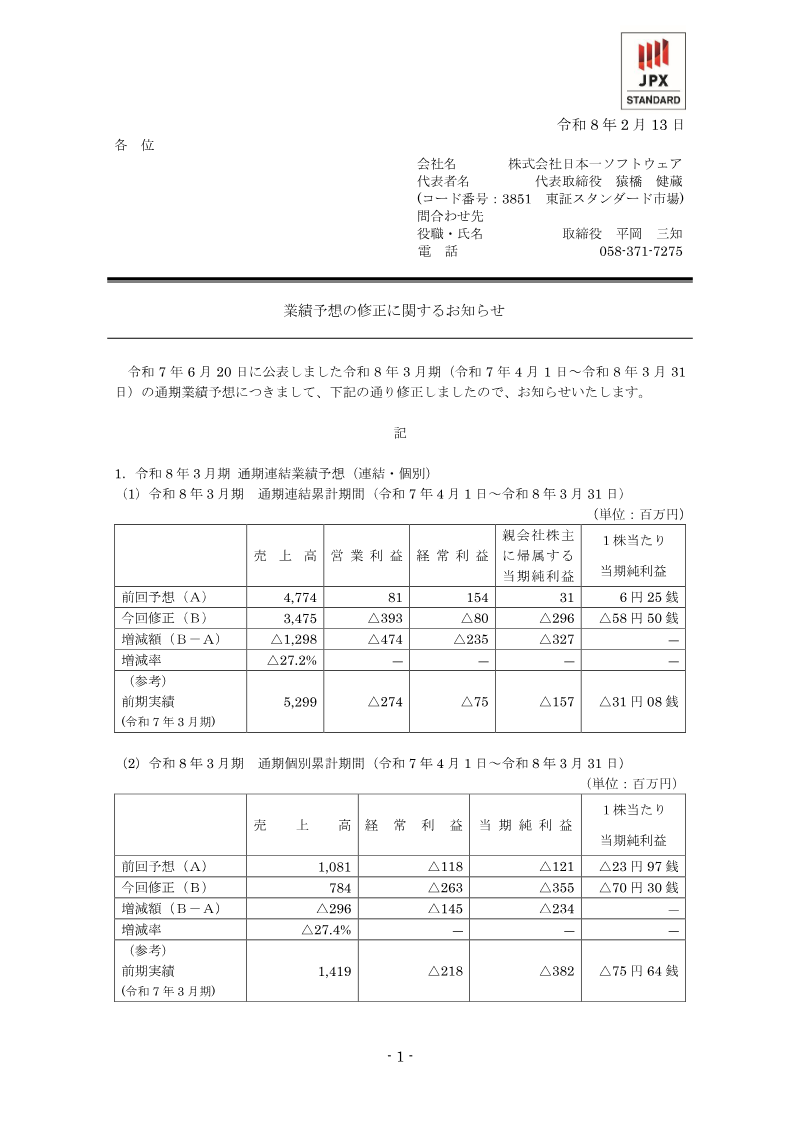
Nippon Ichi Software · 2026