More on Serious Games
View all
Whitepaper
Game Architecture in Transmedia Education (GATE): A Framework for Designing Micro-Learning Experiences
Serious Games Society · 2026
Whitepaper
A Design of Integrated STEM Constructive Games in Developing the Four Cs in Early Elementary Students
International Journal of Serious Games · 2025
Whitepaper
Development and Usability Testing of a Virtual Reality Game for Learning Computational Thinking
Serious Games Society · 2024
Whitepaper
Using Board Games as Anti-Corruption and Integrity Learning Media: Indonesia
Komisi Pemberantasan Korupsi · 2021
Whitepaper
Beyond Fun: Gamified Multidomain Reading Assessment for Children
International Journal of Serious Games · 2026
Whitepaper
Learning Mathematical Derivatives Through a Virtual Escape Room Application
International Journal of Serious Games · 2026
Whitepaper
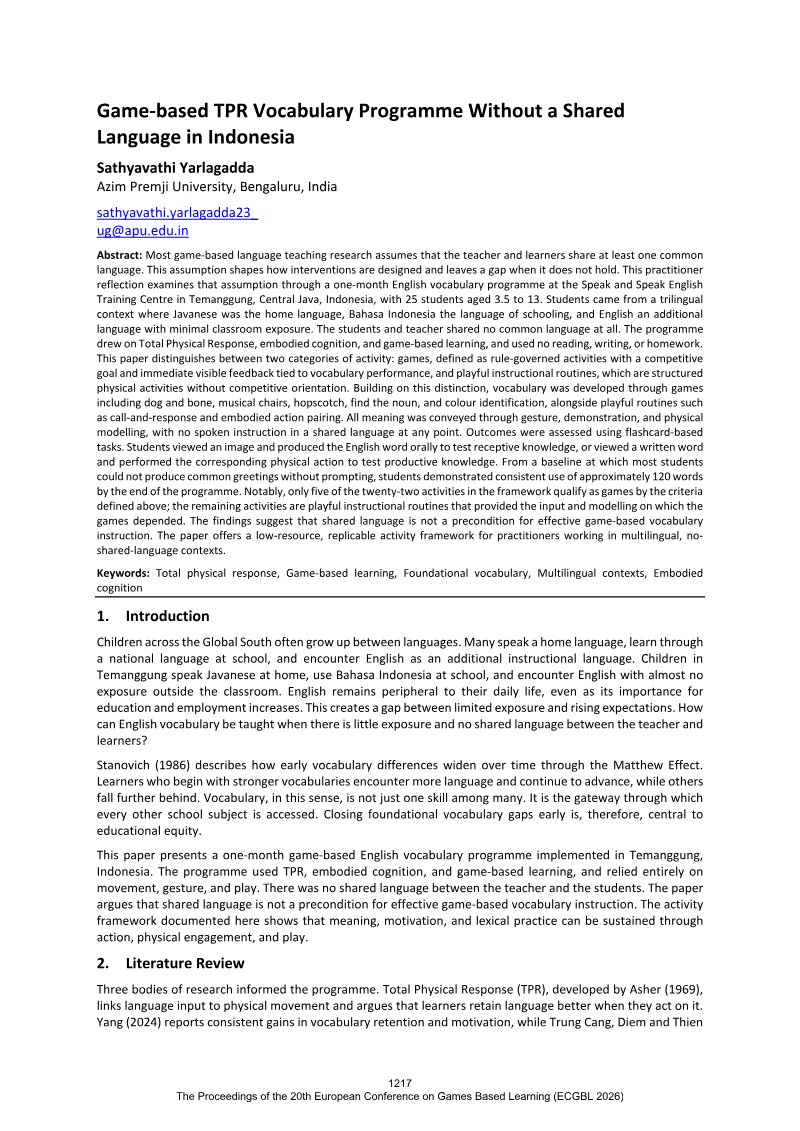
Game-Based TPR Vocabulary Programme Without a Shared Language in Indonesia
European Conference on Games Based Learning (ECGBL) · 2026
Whitepaper
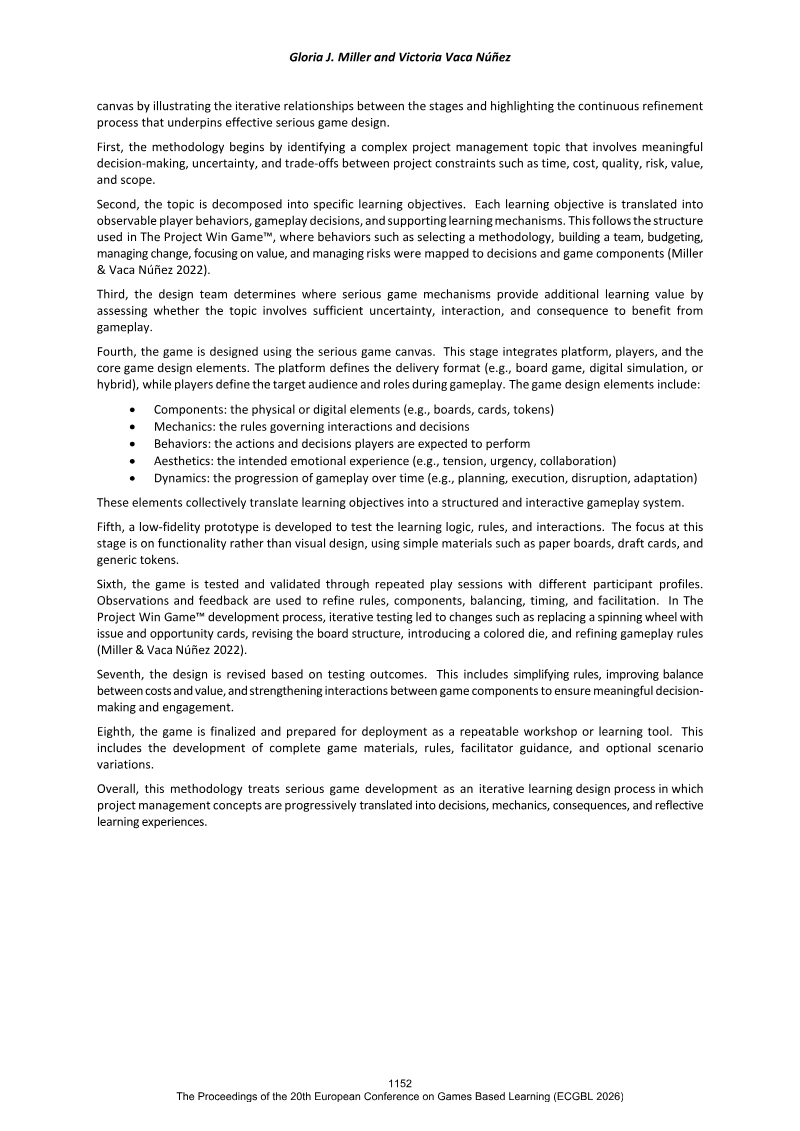
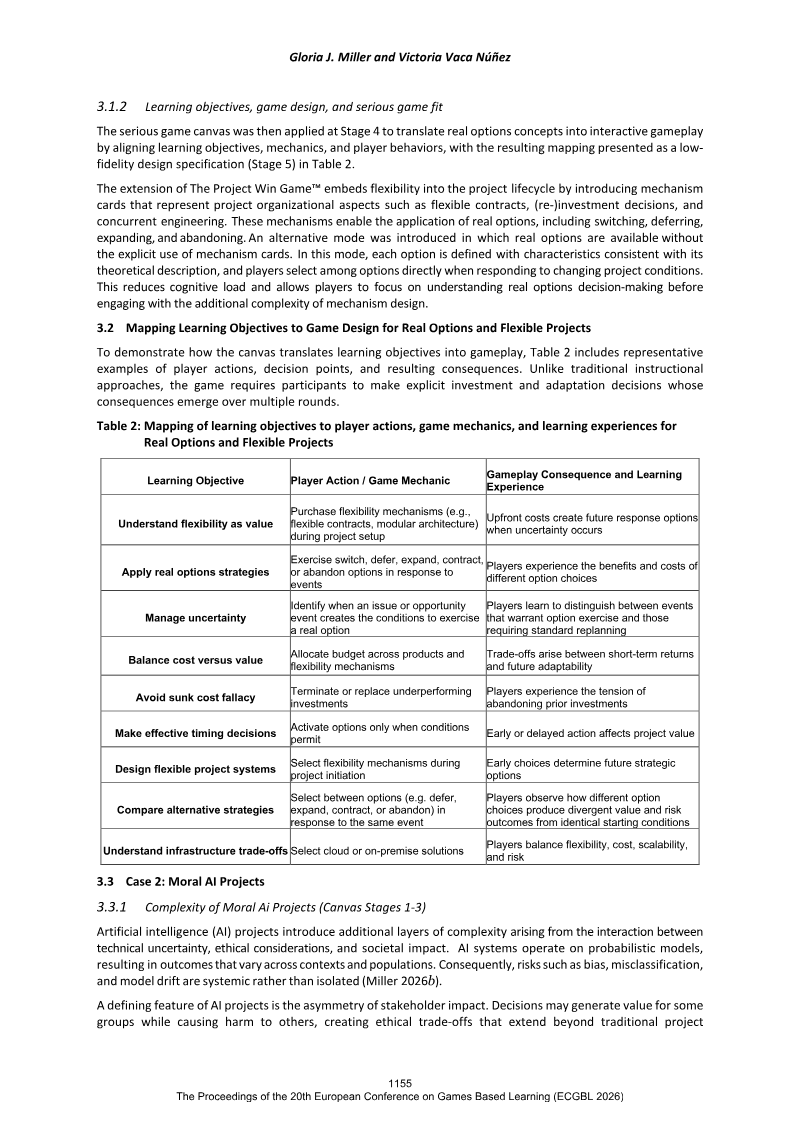
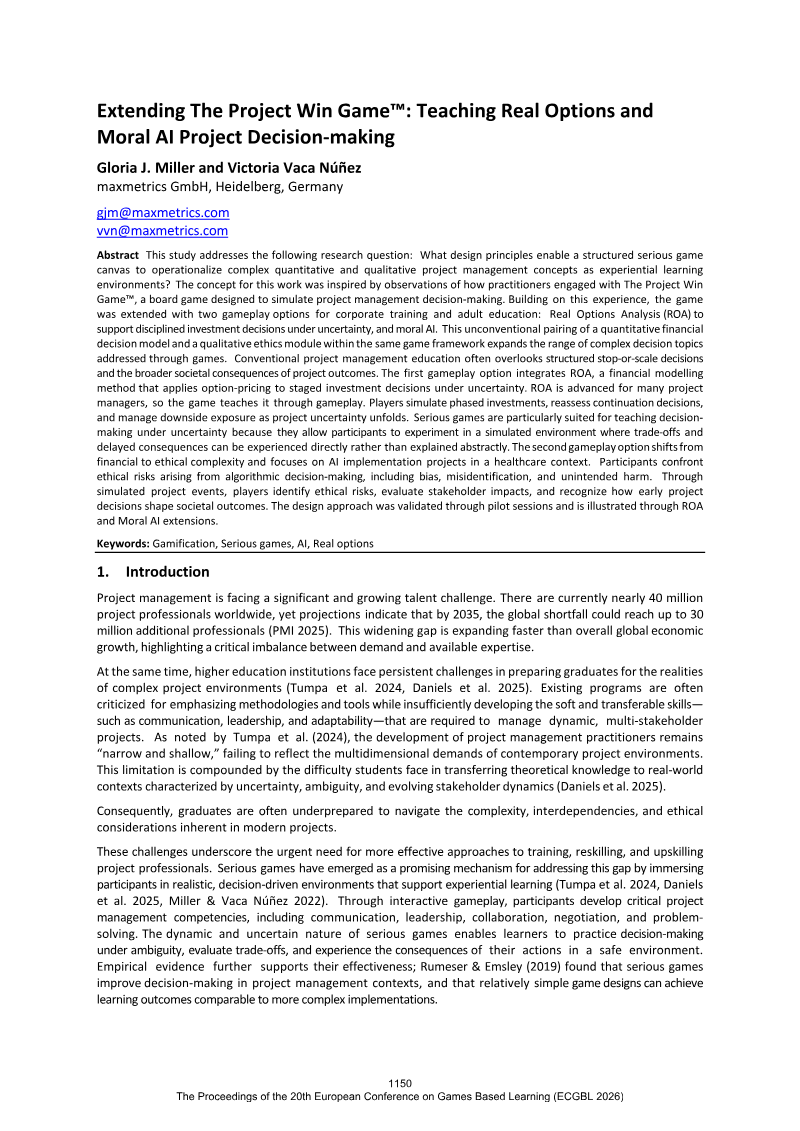
Extending The Project Win Game: Teaching Real Options and Moral AI Project Decision-making
maxmetrics · 2026
Whitepaper
Designing Educational Games in Higher Education: A Convergent Mixed-methods Pilot Evaluation
European Conference on Games Based Learning (ECGBL) · 2026
Whitepaper
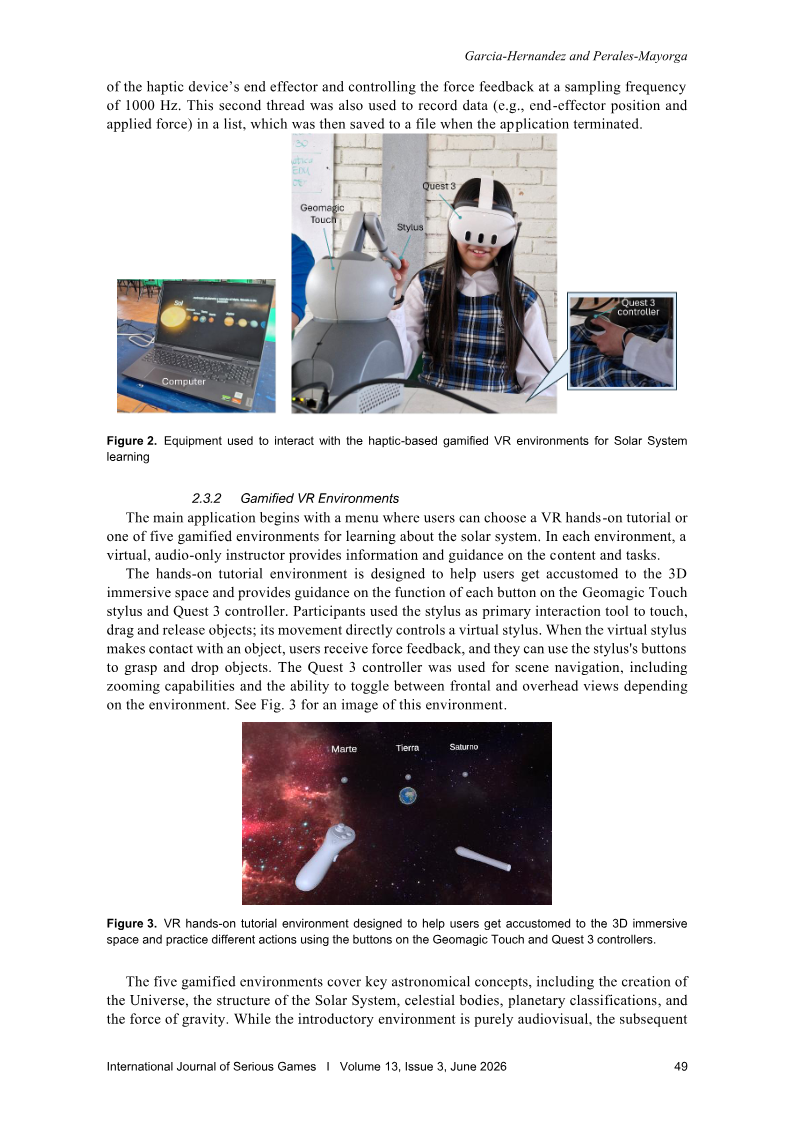
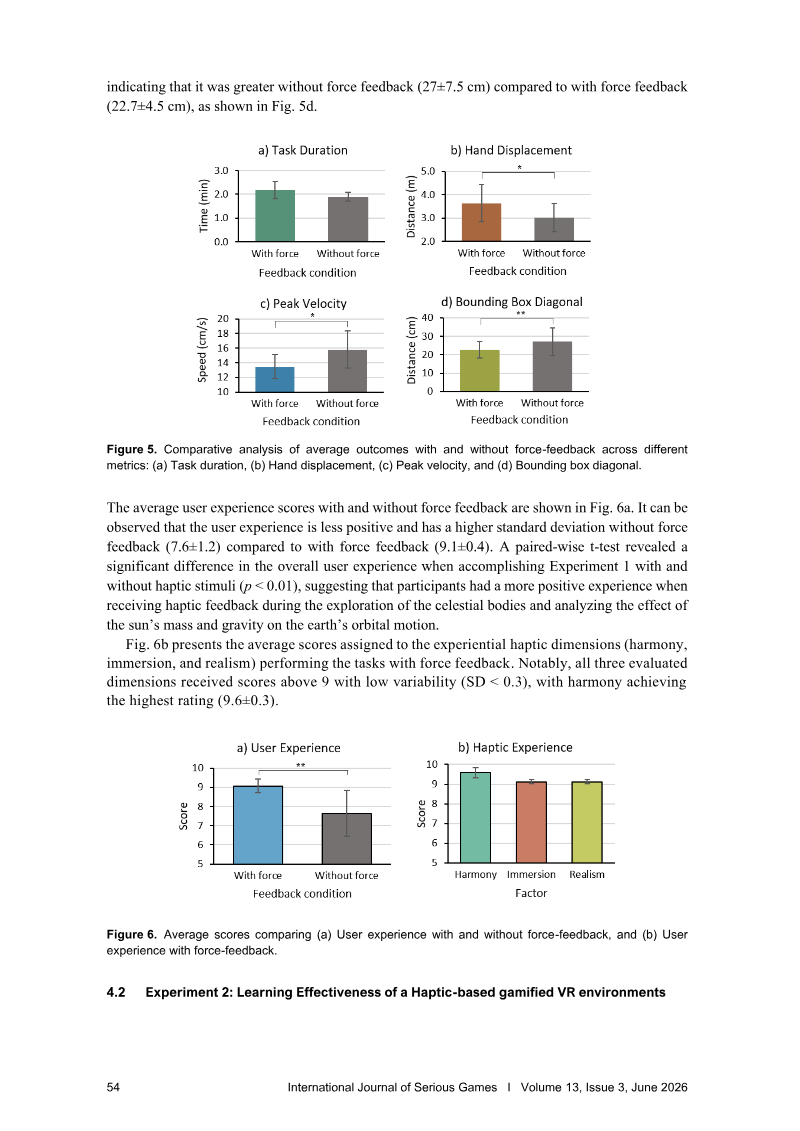
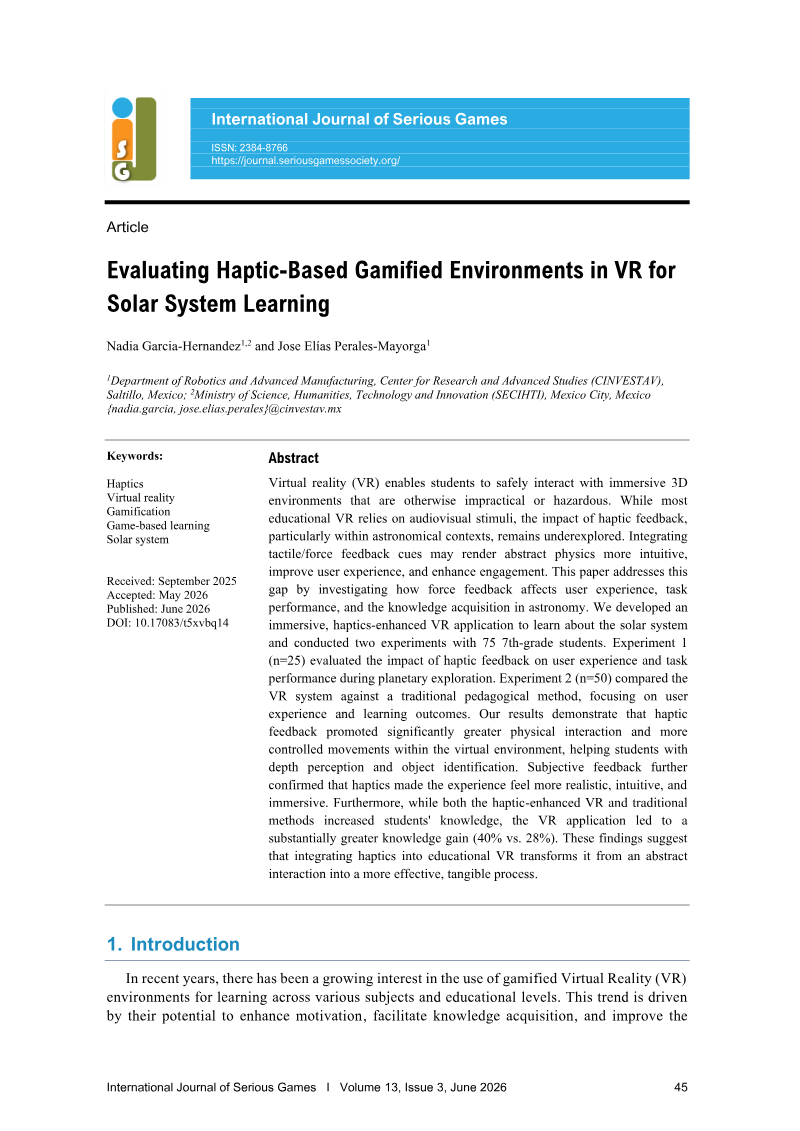
Evaluating Haptic-Based Gamified Environments in VR for Solar System Learning
Serious Games Society · 2026

Whitepaper
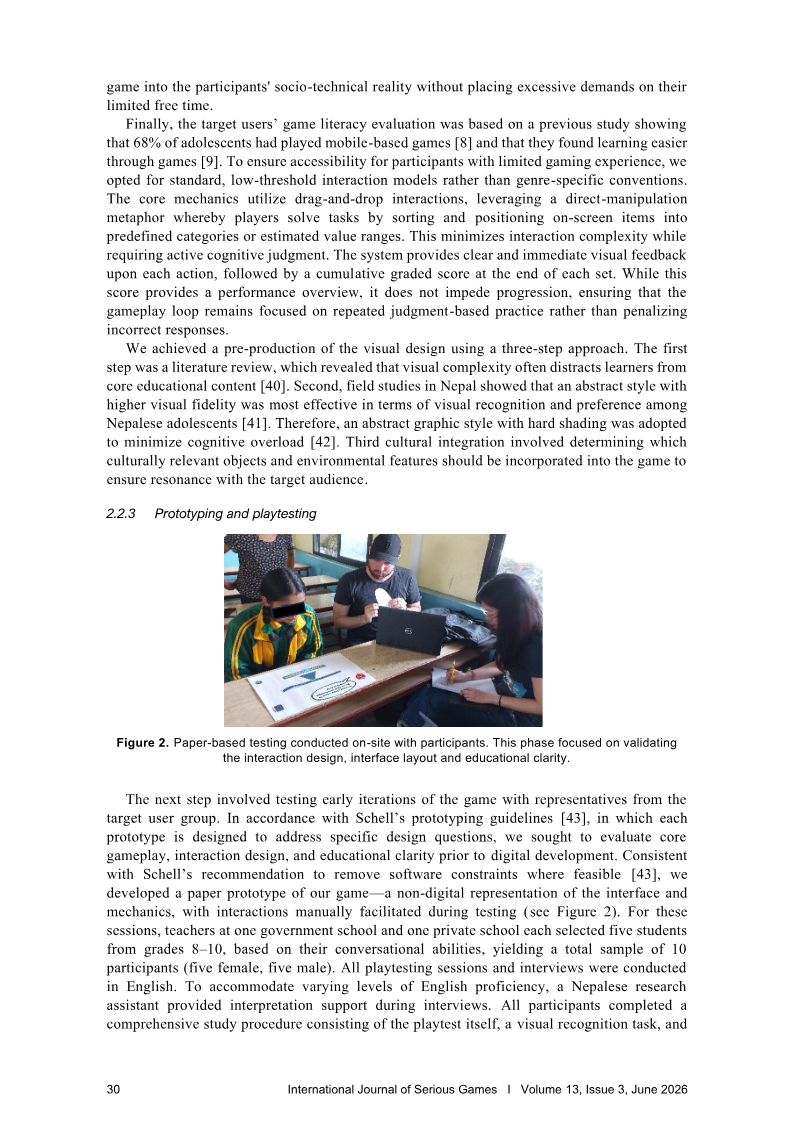
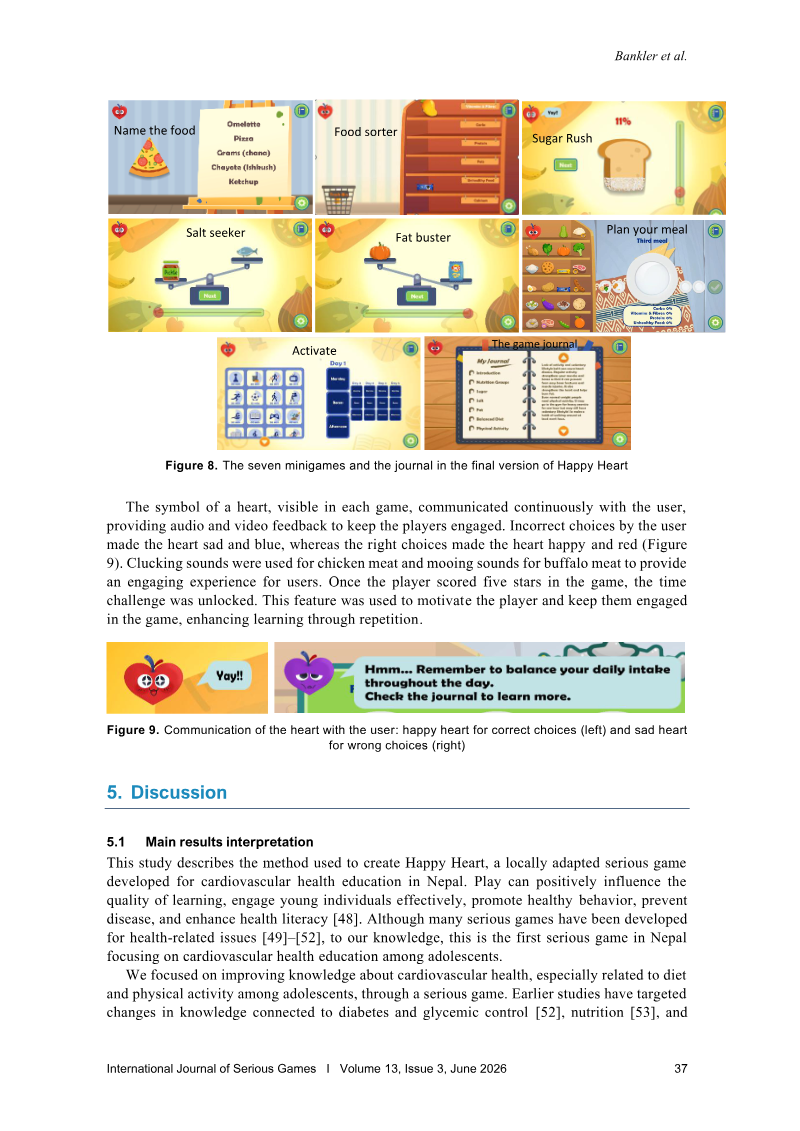
Developing a Digital Cardiovascular Health Education for Adolescents in Nepal
Serious Games Society · 2026
Whitepaper
Mathlien Land: A Serious Game to Practice 7th and 8th Grade Mathematics
Serious Games Society · 2026